Rail Catering Cutlery Supplier | Stainless Steel Flatware for B2B
Rail Catering Cutlery Supplier: Stainless Steel Flatware for Professional Train Dining Programs
Rail catering combines foodservice with a demanding transportation environment. Whether the service is provided on long-distance trains, premium rail services, dining cars or onboard catering programs, cutlery needs to support a consistent dining presentation while fitting the operational requirements of the buyer.
For railway operators, catering companies, onboard service providers and foodservice distributors, purchasing stainless steel cutlery is therefore more than a simple product selection. The right supplier needs to understand volume purchasing, product consistency, customization, packaging and repeat-order requirements.
An experienced stainless steel cutlery manufacturer can help B2B buyers develop a practical product program around these needs.
Selecting Cutlery for Railway Catering
Train catering programs can have different service formats. Some may provide meals directly to passengers, while others may operate restaurant-style dining or premium foodservice.
This means the cutlery range can vary according to the intended service. Table spoons, teaspoons, forks and knives may all be required, with different designs selected for different menus or service concepts.
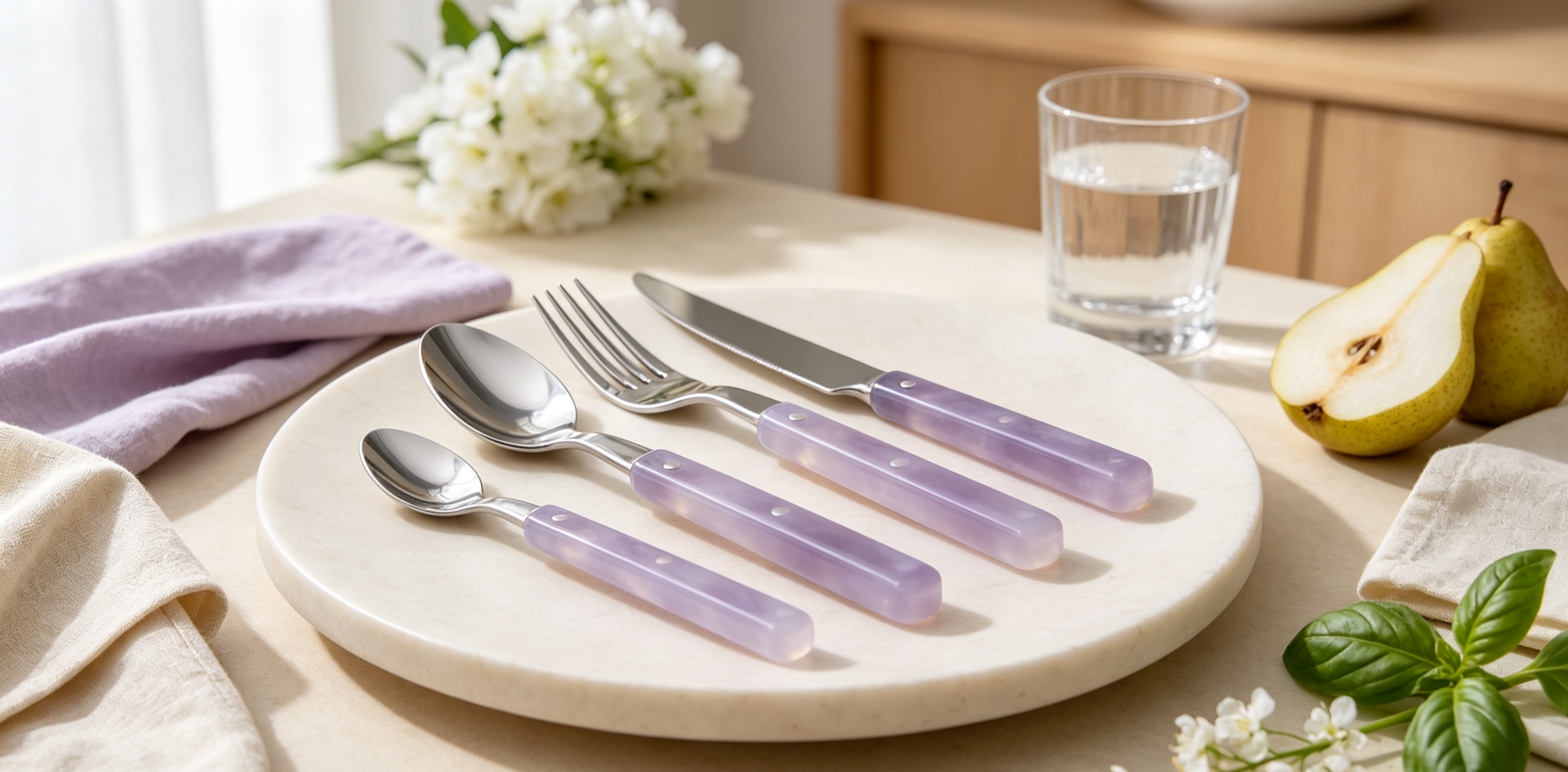
For procurement teams, a coordinated range can make the dining presentation more consistent. Matching proportions, handle designs and finishes can create a unified appearance across different catering products.
The objective is not simply to select the lowest-cost spoon or fork. Buyers need products that fit the intended commercial program and can be supplied consistently over time.
Bulk Stainless Steel Cutlery for Rail Programs
Rail catering can involve regular demand across routes, stations, catering facilities or multiple service programs. Depending on the business model, buyers may require large quantities of stainless steel spoons, forks, knives or complete flatware sets.
A manufacturer experienced in B2B production can organize multiple products within the same purchasing program.
Instead of treating every item as an isolated purchase, procurement teams can develop a complete cutlery range with defined specifications. This makes future ordering easier and provides a clear reference for production.
For larger buyers, establishing an approved product range can also help simplify communication between purchasing, product development and the manufacturing supplier.
Custom Cutlery for Railway Brands
Custom stainless steel cutlery can be developed when standard catalog products do not fully match the requirements of a railway brand or catering program.
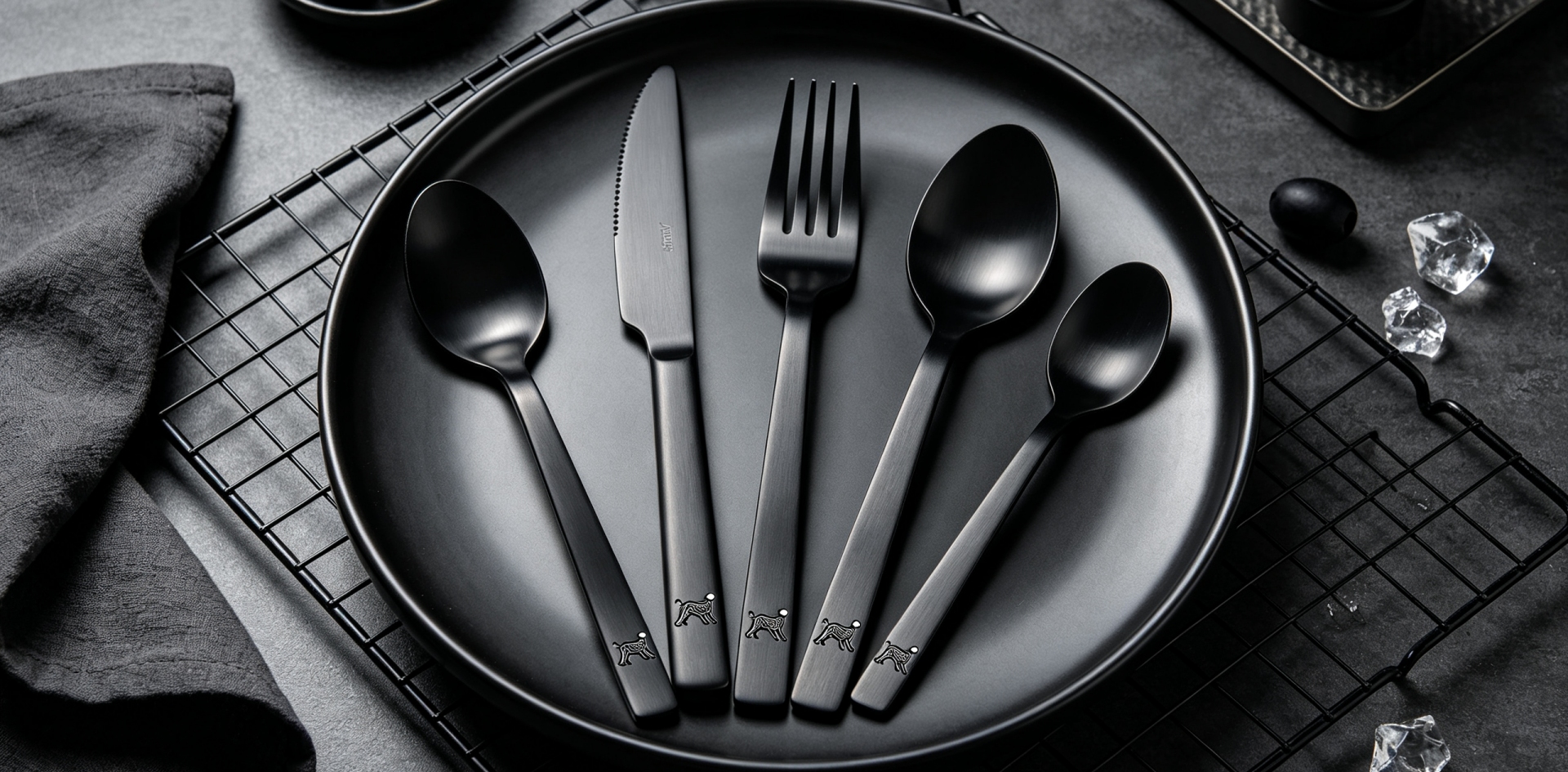
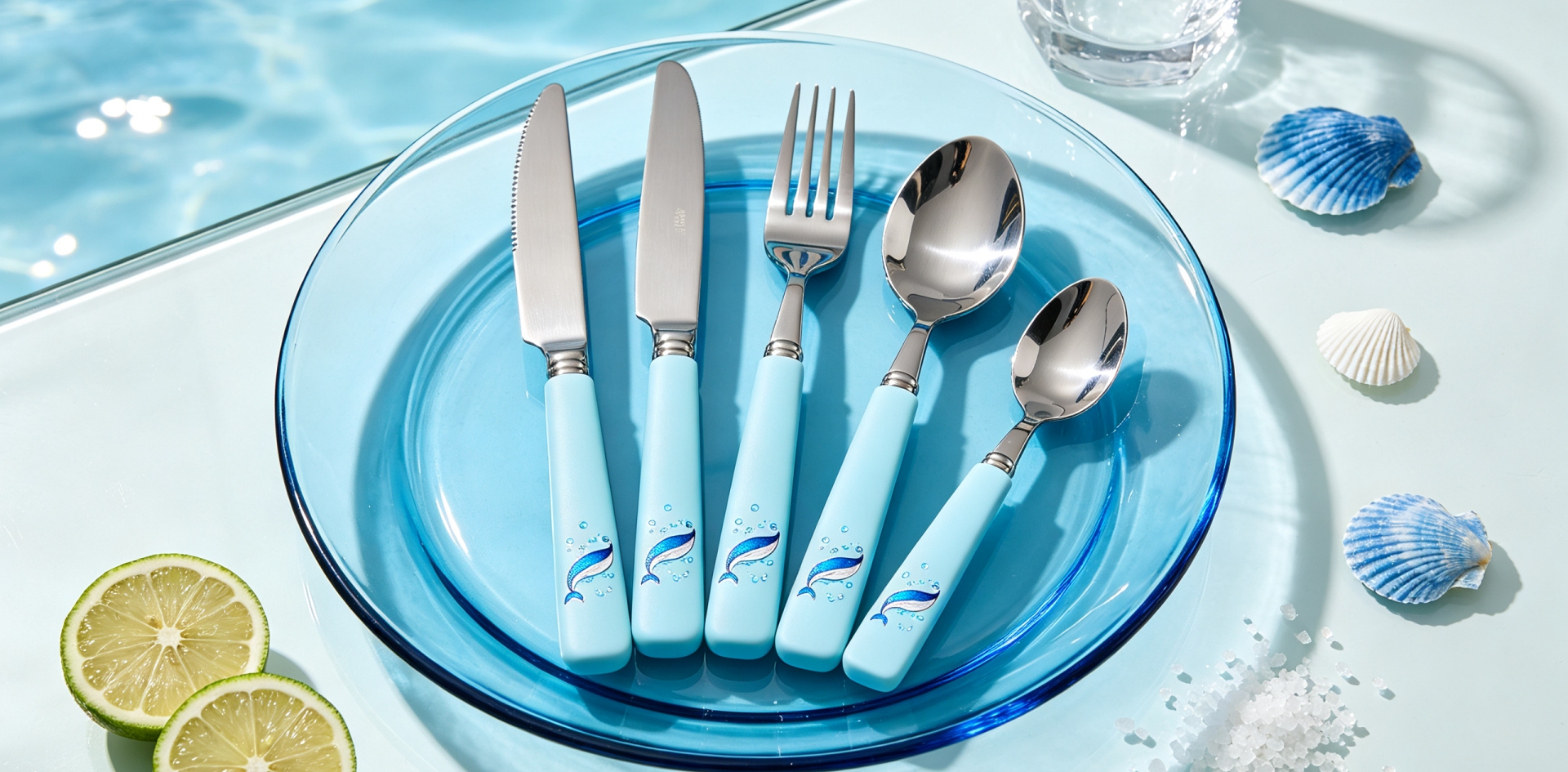
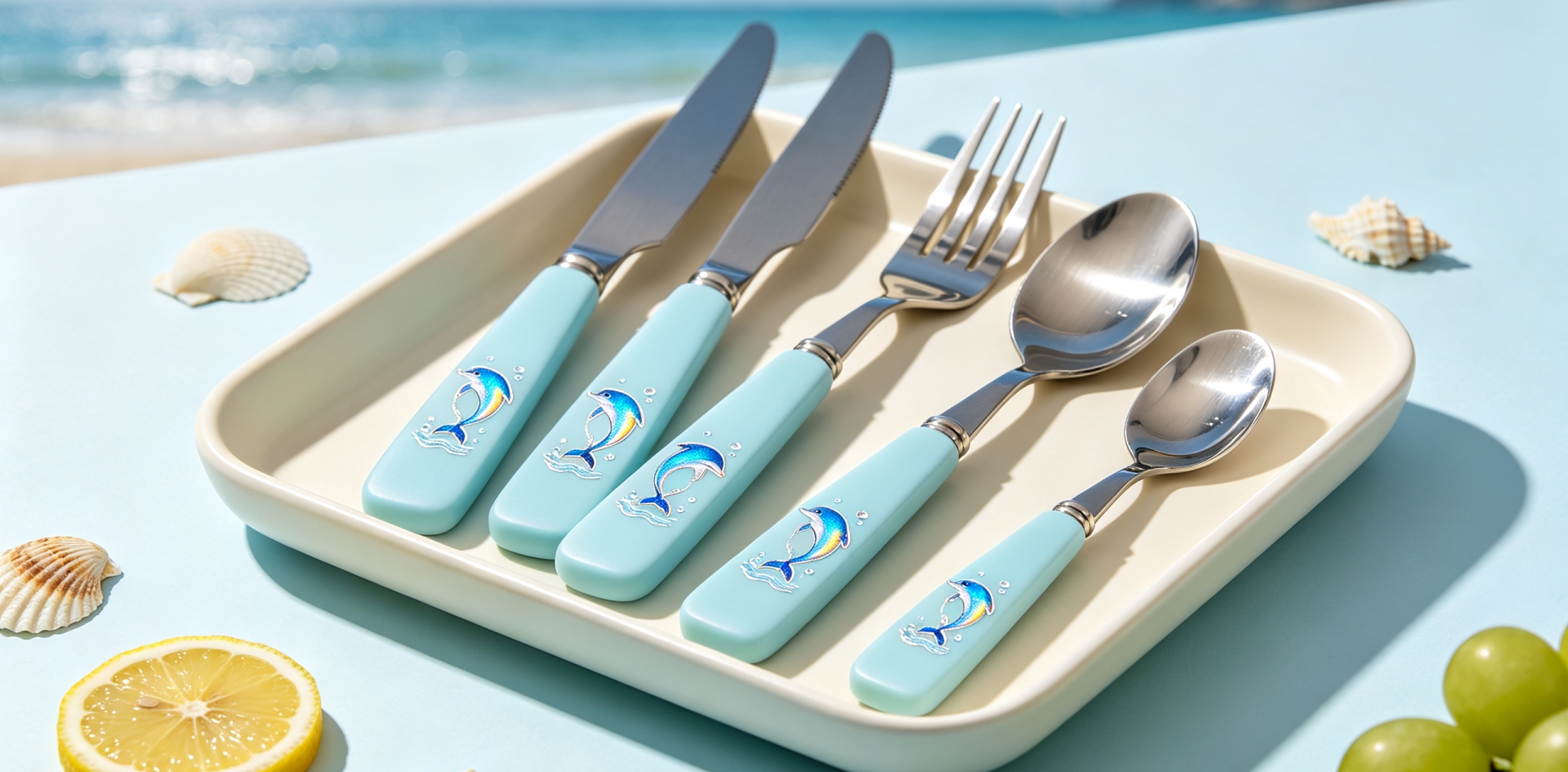
Customization may involve the handle shape, dimensions, surface finish, product weight, logo or packaging.
For private-label projects, a manufacturer can develop coordinated spoons, forks and knives that match the visual identity of the brand.
A custom project does not always require a completely new product from the beginning. Existing references can often provide a useful starting point, while specific dimensions or design elements can be adjusted according to the project requirements.
Clear communication at the development stage helps both sides understand which details need to remain consistent during production.
The Importance of Product Specifications
A professional cutlery purchasing program should be based on clear specifications.
For example, a specification may include the stainless steel material, product dimensions, thickness, weight, handle design, surface finish, logo requirements and packaging format.
This information gives the manufacturer a clear production reference and gives the buyer a way to evaluate samples and future production.
For repeat orders, documented specifications are especially valuable. They reduce dependence on informal descriptions and help maintain continuity between the original order and later replenishment.
Branding and Presentation
Cutlery can contribute to the overall presentation of a railway catering service. For premium or branded programs, the visual details of the product may be considered alongside trays, tableware, packaging and other service elements.
Depending on the project, branding can be incorporated into the cutlery or its packaging.
A customized spoon or fork can therefore become part of a broader product identity rather than simply being an anonymous catering item.
For B2B buyers, this can be particularly useful when the catering program is operated under a recognizable brand or when the products are distributed through a private-label supply chain.
Packaging for Railway Catering Supply
Packaging should be considered according to how the cutlery will be stored, transported and distributed.
Some buyers require bulk packaging for centralized warehouse operations. Others may need smaller packs, sets or individual packaging depending on the final service model.
For private-label or retail-related programs, packaging can also carry brand information and product details.
Discussing packaging together with the cutlery specification allows the manufacturer to plan the complete supply solution rather than treating packaging as an afterthought.
Supporting Replenishment and Repeat Orders
Rail catering programs may require regular replenishment rather than a single shipment. Products can be reordered when inventory needs to be renewed, new routes are added or the catering program expands.
This makes supplier continuity important.
Once a cutlery model has been approved, maintaining the same product specifications across subsequent orders can make procurement more predictable.
An experienced manufacturer can keep the approved product information as a reference for future production. This is particularly helpful when buyers manage multiple cutlery SKUs or place repeat orders at different times.
Developing a Complete Flatware Range
A railway catering program may need more than one type of spoon. Depending on the service concept, buyers may require table spoons, teaspoons, dessert spoons, forks and knives.
Developing these products as a coordinated range can provide a more professional presentation.
The manufacturer can work with the buyer to define the relationship between different products, including handle design, proportions and surface finish.
For businesses managing several routes, brands or catering concepts, a structured flatware range can also make purchasing and inventory management easier.
Manufacturing Experience for B2B Buyers
The production of stainless steel cutlery involves multiple stages, from material preparation and forming to polishing, finishing, inspection and packing.
For B2B projects, manufacturing experience is important because buyers need more than attractive samples. They need a supplier capable of understanding specifications and supporting production quantities over time.
Homefelt Houseware Co., Limited has more than 40 years of experience in stainless steel cutlery manufacturing and supplies stainless steel spoons, forks, knives, flatware sets and customized cutlery solutions to international B2B customers.
Homefelt also has experience with OEM, ODM and private-label projects and has worked with well-known international brands.
For supplier qualification requirements, the company has passed BSCI, SEDEX 4P, BRC, ISO9001 and Disney audits and has obtained FAMA and FSC certification.
From Product Idea to Production
A railway cutlery project can begin with a simple product requirement.
The buyer may provide a reference sample, drawing, product photograph, dimensions or a description of the intended product. Information about quantity, finish, branding and packaging can then be added to create a clearer production brief.
The manufacturer can assess the requirements and determine the most practical approach for sampling and production.
For custom projects, sample approval provides an important checkpoint before bulk manufacturing. Once the buyer confirms the sample, the approved version can serve as the production reference.
A Practical B2B Sourcing Process
When contacting a stainless steel cutlery manufacturer for a rail catering project, buyers can prepare several basic details.
These may include the required products, estimated quantity, material preference, dimensions, finish, branding requirements, packaging format and target delivery schedule.
If the buyer already has an existing product, sample or drawing, sharing that information can accelerate the discussion.
For new projects, the initial specification does not have to be perfect. A manufacturer with product development experience can help identify the missing details needed to move from concept to sampling.
For railway operators, catering companies, foodservice distributors and onboard service suppliers, stainless steel cutlery can be developed as a structured B2B supply program.
From individual spoons and forks to complete flatware collections, the right manufacturing partner can support customization, branding, packaging, bulk production and future replenishment.
If you are sourcing stainless steel cutlery for railway catering, train dining or an onboard foodservice program, providing your product requirements is a practical first step toward developing a suitable supply solution.
Custom Stainless Steel Cutlery for Railway Catering Programs
Bulk Stainless Steel Flatware for Train Foodservice
Private Label Cutlery Manufacturing for Transportation Brands
Freizeitpark Besteck Lieferant | Individuelles Edelstahlbesteck für B2B
Cruise Line Catering Cutlery Supplier | Stainless Steel Flatware for B2B
Related Article