
Single-Source Stainless Steel Cutlery for B2B Orders
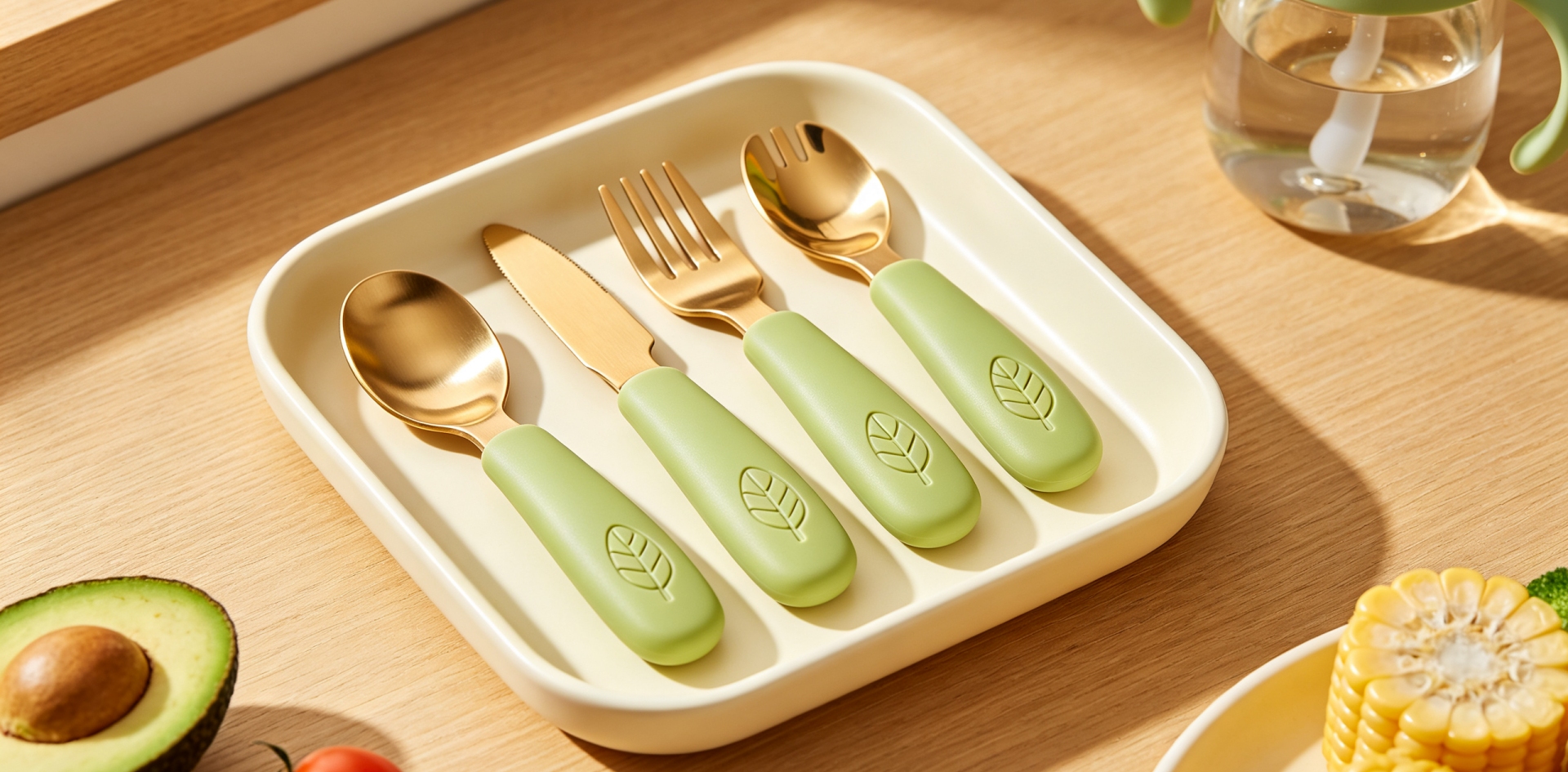
Single-Source Stainless Steel Cutlery for B2B Orders
For brands, importers, wholesalers, and distributors, sourcing stainless steel cutlery can involve many individual products. Knives, forks, spoons, and complete flatware sets may be purchased for different customers, sales channels, or market programs.
When these products are sourced through different suppliers, purchasing teams may need to manage separate quotations, specifications, samples, production schedules, packaging requirements, and shipping arrangements.
A single-source stainless steel cutlery supplier offers another approach. Instead of dividing a product range between several factories, a buyer can develop multiple cutlery products through one experienced manufacturing partner.
This approach can be particularly useful for B2B companies that want to build a complete stainless steel flatware program while keeping sourcing communication more organized.
Why Single-Source Procurement Can Help B2B Buyers
A stainless steel cutlery range usually contains several related products. A typical collection may include table knives, dinner forks, table spoons, dessert forks, dessert spoons, and different combinations of complete cutlery sets.
When all of these products are managed through one manufacturing partner, the purchasing team can communicate through a more consistent process.
Product specifications, development requirements, sample discussions, and production arrangements can be coordinated within the same supplier relationship.
This does not mean that every product needs to use exactly the same design. A B2B buyer can still develop different collections, finishes, sizes, or configurations while maintaining one central manufacturing relationship.
Building a Complete Product Range Through One Factory
For a homeware brand or distributor, having a broad product range can be important for serving different customers.
One customer may need individual stainless steel spoons, while another may require a complete 24-piece or 30-piece flatware set. A hospitality customer may need larger quantities of knives and forks, while a retail customer may focus on coordinated household collections.
A manufacturer that produces different categories of stainless steel cutlery can help the buyer develop these products within a connected sourcing program.
This can reduce the need to introduce a completely new supplier whenever another cutlery item is added to the range.
More Consistent Product Development
When related products are developed through one manufacturing partner, communication between the buyer and factory can be more direct.
The buyer can discuss the overall collection concept and then define the individual products required for the project.
For example, a brand may want the knife, fork, and spoon to share a similar design language while maintaining the functional characteristics required for each item.
The factory can review the requirements for the complete group instead of treating every item as an unrelated development.
This can be useful for brands that want their stainless steel flatware to look like a coordinated collection.
One Supplier for OEM and ODM Projects
OEM and ODM manufacturing can both benefit from a centralized sourcing structure.
For an OEM project, the buyer may already have drawings, samples, specifications, or product references. The manufacturer produces the items according to the agreed requirements.
For an ODM project, the buyer may provide a broader concept and work with the factory to develop a suitable product solution.
When several cutlery items are part of the same commercial program, managing them through one experienced manufacturer can make communication more straightforward.
The buyer can discuss the project as a complete product range rather than creating separate development processes with multiple factories.
Private Label Cutlery Programs
Private label brands often need more than one cutlery item to create a commercially complete collection.
A brand may begin with several basic products and later add new SKUs as the market develops.
Working with one stainless steel cutlery manufacturer can provide a practical foundation for this expansion. New products can be developed as part of the same broader product program while maintaining the brand's preferred specifications and visual direction.
For importers and distributors, this can also make it easier to expand a private label range gradually rather than investing in an entirely new supplier relationship for every new product.
Simplifying Purchasing Communication
One of the practical advantages of single-source procurement is communication.
When a buyer works with several factories, each supplier may have a different quotation format, product reference system, sample process, and production communication method.
With one main cutlery supplier, the buyer can centralize many of these discussions.
The purchasing team can provide the factory with a product list covering knives, forks, spoons, and sets. The supplier can then review the requirements and prepare a quotation based on the complete project.
This can make it easier to compare the overall purchasing requirement with the available budget and planned order quantities.
Supporting Wholesale and Bulk Purchasing
Wholesale buyers often need several related products at the same time.
A distributor may purchase individual cutlery pieces for one customer and complete flatware sets for another. A retailer may need different quantities for different sales channels.
A single-source supplier can provide greater flexibility when these requirements are combined into a broader purchasing program.
Instead of asking several suppliers to manufacture separate parts of the range, the buyer can discuss the overall requirement with one stainless steel cutlery factory.
For larger orders, this can also make it easier to coordinate production priorities and shipping arrangements.
Keeping Product Specifications Organized
Centralized sourcing does not remove the need for clear product specifications. In fact, it makes accurate product information even more valuable.
Each SKU should still have its own agreed specifications, samples, dimensions, materials, finishes, packaging requirements, and quantity information.
The difference is that these products can be managed within one supplier relationship.
This structure can be particularly helpful when a B2B buyer has a large product range and needs to maintain clear information for future orders.
A Practical Approach for International Buyers
For international buyers, the first step can be to prepare a complete list of the products they want to source.
The list may include individual knives, forks, spoons, cutlery sets, estimated quantities, preferred materials, finishes, packaging requirements, and customization needs.
The buyer can then send the complete request to a stainless steel cutlery manufacturer rather than approaching different factories for each individual product.
The factory can evaluate the requirements and determine which items can be produced according to existing manufacturing capabilities and which products may require additional development.
Homefelt as a Stainless Steel Cutlery Manufacturing Partner
Homefelt focuses on stainless steel knives, forks, spoons, cutlery sets, and flatware manufacturing for B2B customers.
The factory supports OEM, ODM, private label, custom manufacturing, wholesale, and bulk production projects for international brands, importers, distributors, and other professional buyers.
For customers that need several stainless steel cutlery products, Homefelt can work with the buyer to understand the complete project rather than focusing only on one individual SKU.
This provides a practical starting point for businesses that want to build or expand a stainless steel flatware product range through one manufacturing partner.
From Individual Products to a Complete B2B Program
Single-source procurement is not simply about reducing the number of suppliers. It is about creating a more connected way to manage a product category.
For stainless steel cutlery, this can mean developing knives, forks, spoons, and sets through one manufacturing relationship while keeping each product's specifications clearly defined.
For growing brands and distributors, this approach can provide a useful structure for expanding their product range, developing private label collections, and placing larger wholesale orders.
A strong manufacturing relationship can also make it easier to discuss future product development as the business grows.
Conclusion
For B2B buyers, stainless steel cutlery sourcing can become complicated when each product is managed through a different supplier.
A single-source manufacturing strategy provides an alternative by allowing knives, forks, spoons, and flatware sets to be developed and produced through one experienced stainless steel cutlery factory.
With OEM, ODM, private label, custom, wholesale, and bulk production capabilities, a suitable manufacturer can support buyers from the initial product request through manufacturing and future product expansion.
For brands, importers, wholesalers, and distributors looking to develop a complete stainless steel flatware range, starting with a clear product list and discussing the entire program with one experienced supplier can be a practical way to organize the next sourcing project.
Request a Quote for Stainless Steel Cutlery
Explore OEM and ODM Flatware Manufacturing
Develop a Private Label Cutlery Collection
Stainless Steel Cutlery Tooling for Long-Term B2B Production
B2B Stainless Steel Cutlery Supplier for Multi-Market Product Programs
Related Article



