Stainless Steel Chopsticks Manufacturer for Wholesale and OEM Orders
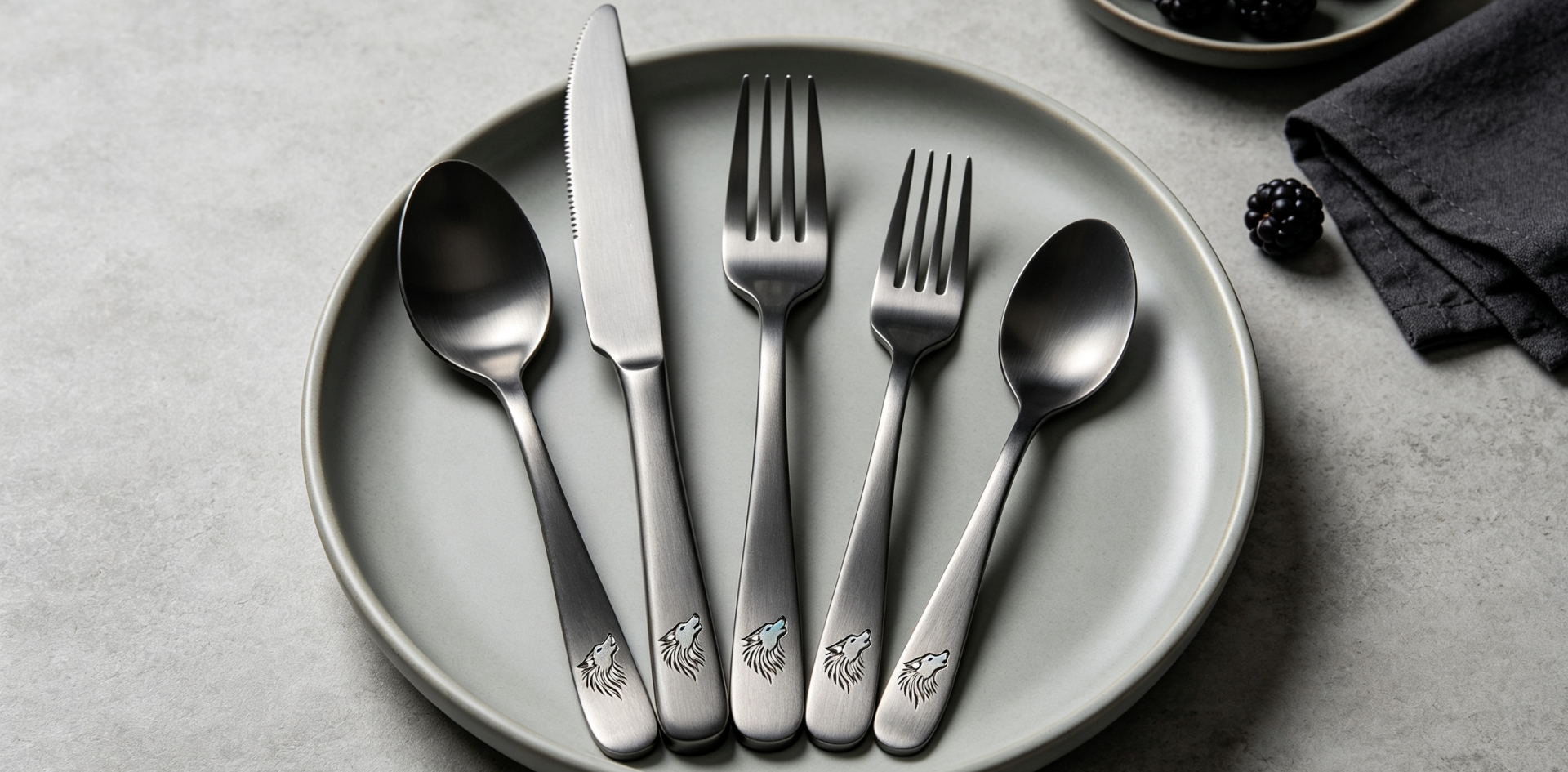
Stainless Steel Chopsticks Manufacturer for Wholesale and OEM Orders
Chopsticks have become an important part of modern tableware collections, not only in Asian dining but also across international restaurants, hospitality businesses, retail channels and homeware brands. For B2B buyers, stainless steel chopsticks offer an opportunity to combine reusable functionality with a clean and durable product design.
For wholesalers and distributors, choosing the right chopsticks requires more than comparing unit prices. Material, length, surface finish, grip, design, packaging and consistency between production batches all influence the value of the final product.
For brands developing their own tableware collections, customization can make stainless steel chopsticks even more useful. A carefully developed design can complement existing flatware while creating a distinctive product for the target market.
Why Stainless Steel Chopsticks Are Attractive for B2B Buyers
Reusable chopsticks are increasingly considered as part of longer-term tableware solutions. Unlike disposable alternatives, stainless steel chopsticks can be positioned as a durable product for repeated use.
For distributors, this creates opportunities across different product categories. Chopsticks can be offered as individual products, included in tableware sets or developed as part of a larger collection.
Their simple construction also provides considerable flexibility in product development. Differences in length, shape, surface treatment and handle design can create noticeably different products while retaining the basic functionality of chopsticks.
Selecting the Right Length and Proportion
Length is one of the first specifications buyers should consider. Different users and markets may have different preferences, so the appropriate size should be determined according to the intended application.
The relationship between the length and diameter of the chopsticks also affects handling. A well-balanced product should feel comfortable without appearing unnecessarily heavy or difficult to control.
For B2B buyers, the best specification is often the one that matches the intended customer group rather than simply following a general standard. A restaurant supplier may have different requirements from a retail tableware brand.
When developing a private-label product, these details can be reviewed together to create a specification that is appropriate for the brand's target market.
Surface Finish and Visual Appeal
The surface treatment can significantly influence the appearance of stainless steel chopsticks.
A polished finish can provide a bright and classic appearance, while a different surface treatment may create a more contemporary visual effect. The choice should depend on the overall style of the collection and the positioning of the product.
For a tableware brand, visual consistency is especially important. If chopsticks are sold together with spoons, forks or other stainless steel pieces, the finishes should work together to create a unified presentation.
For distributors, offering more than one finish can also help address different customer segments without requiring completely different product concepts.
Grip and User Experience
Although stainless steel chopsticks have a relatively simple structure, their handling characteristics can vary considerably.
Surface texture, diameter, shape and balance all contribute to the user's experience. A design intended for frequent everyday use should feel secure in the hand while remaining comfortable during extended meals.
Some buyers may prefer a simple cylindrical design, while others may look for additional shaping or decorative elements. The choice depends on the target market and the desired positioning.
For OEM projects, the grip area can therefore become an important part of the product development discussion.
Designing Chopsticks for a Complete Tableware Collection
Chopsticks do not necessarily need to be treated as an independent product. They can become part of a coordinated tableware collection.
A brand may want the chopsticks to share the same surface finish or design language as its stainless steel spoons, forks and knives. Handle details, proportions and packaging can then be developed around a consistent visual identity.
This approach can be particularly useful for brands entering new markets. Instead of selling an unrelated chopstick product, the company can create a complete collection with a recognizable style.
For wholesalers, a coordinated range can also make catalog presentation easier and provide customers with more purchasing options.
Wholesale Purchasing and Bulk Supply
B2B chopstick orders can range from relatively small trial quantities to large-volume purchasing programs. The purchasing strategy should therefore take into account both immediate demand and potential future sales.
For wholesalers, the quantity required may depend on the number of customer accounts being served. Retail brands may instead plan purchases around seasonal launches, promotional campaigns or expected annual demand.
Packaging configuration should also be discussed before the order is finalized. Bulk cartons may be suitable for distributors, while retail brands may require individual packaging or branded sets.
A clear purchasing plan helps the manufacturer understand the commercial requirements and prepare the product accordingly.
Custom Stainless Steel Chopsticks
Standard chopsticks can be suitable for general wholesale programs, but custom development offers additional possibilities.
A buyer may have a specific length, handle shape, surface treatment or decorative concept in mind. Existing samples can also be used as references when developing a new version.
For private-label customers, customization can help create a product that is more closely connected to the brand. The packaging can be designed at the same time so that the physical product and its presentation communicate the same positioning.
This is especially useful for homeware brands and tableware companies that want to build a differentiated product range rather than compete only through price.
Packaging for Different Distribution Models
The same stainless steel chopsticks may require different packaging depending on how they will be sold.
A foodservice distributor may need practical bulk packaging for warehouse storage and professional customers. A retail brand may prefer individual boxes, sleeves or sets that can be placed directly on store shelves.
Online brands may also consider packaging from the perspective of shipping protection and product presentation.
For larger B2B projects, the number of pieces per inner package and outer carton can influence warehouse handling and transportation efficiency. Discussing these details early can help avoid unnecessary repacking later.
Quality Consistency for Repeat Orders
A successful first order is only the beginning of a long-term B2B relationship. If the product performs well in the market, the buyer may need additional quantities months later.
Consistency is therefore an important consideration when selecting a stainless steel chopsticks manufacturer.
The shape, length, finish and overall appearance should remain aligned with the approved specification. This is particularly important for private-label products because the customer may already have product photography, packaging and sales materials based on the original sample.
Stable specifications make future replenishment easier and help distributors maintain a consistent product offering.
Samples Before Bulk Production
A sample provides an opportunity to evaluate the actual product before committing to a larger order.
Buyers can examine the length, diameter, surface finish, balance and overall appearance. If the chopsticks are intended to match another tableware collection, the sample can also be compared with existing products.
For customized designs, sampling is particularly valuable. Minor adjustments can be discussed before mass production begins, reducing the possibility of discovering design issues after a large quantity has already been produced.
A clearly approved sample can then serve as a practical reference for the production stage.
OEM and Private-Label Opportunities
Stainless steel chopsticks are well suited to OEM and private-label programs because the basic product can be adapted in many ways without losing its practical purpose.
Homefelt Houseware Co., Limited has more than 40 years of experience in the stainless steel cutlery business and works with international B2B customers on spoons, forks, knives, flatware sets and customized tableware products.
The company supports OEM, ODM and private-label projects and has experience working with well-known international brands. For buyers developing a new chopstick product, this manufacturing background can be useful when the project needs to move from concept and sampling into repeat production.
The objective is not simply to create a visually attractive product. The product also needs to be suitable for the intended quantity, packaging format, market positioning and future replenishment.
How to Prepare a Chopsticks Inquiry
A clear inquiry can help both the buyer and manufacturer understand the project more quickly.
Useful information includes the preferred length, material requirements, finish, estimated quantity, packaging concept and target market. If a specific design is required, photos, drawings or reference samples can provide additional guidance.
Buyers should also indicate whether the product will be sold individually, as a pair, as part of a set or through a professional distribution channel.
Even when the final specifications are not yet fixed, an initial inquiry can begin with a basic product concept and estimated quantity. The manufacturer can then discuss suitable options and possible customization.
Choosing a Supplier for Long-Term B2B Supply
For a wholesale or private-label project, the supplier should be evaluated from a broader perspective than product appearance alone.
Manufacturing experience, communication, product consistency, packaging support and the ability to handle customized requirements can all influence the success of the project.
A supplier that understands the complete purchasing process can help buyers move more efficiently from product selection to sample approval and production.
For distributors, this can make repeat purchasing easier. For brands, it can provide a more stable foundation for building a complete tableware range.
Stainless steel chopsticks are a relatively straightforward product, but the right specification can make a significant difference in a B2B program. Length, proportion, grip, finish, packaging and product consistency all contribute to the final customer experience.
For wholesalers and distributors, a practical design can provide a flexible addition to their tableware portfolio. For brands, customization creates an opportunity to develop a product that fits their own visual identity and market positioning.
Whether the requirement is a standard wholesale order or a fully customized OEM project, starting with the intended application, customer group and sales channel can help determine the right product direction.
With a clear specification and an experienced manufacturing partner, stainless steel chopsticks can become a reliable part of a broader tableware collection while providing opportunities for bulk supply, private-label development and long-term B2B cooperation.
Request a Stainless Steel Chopsticks Wholesale Quotation
Explore Custom Stainless Steel Tableware Solutions
Stainless Steel Cake Server Supplier for Wholesale and OEM Projects
Fournisseur de Couteaux à Beurre en Inox pour Grossistes B2B
Related Article