
Stainless Steel Cutlery Batch Sampling for B2B Orders
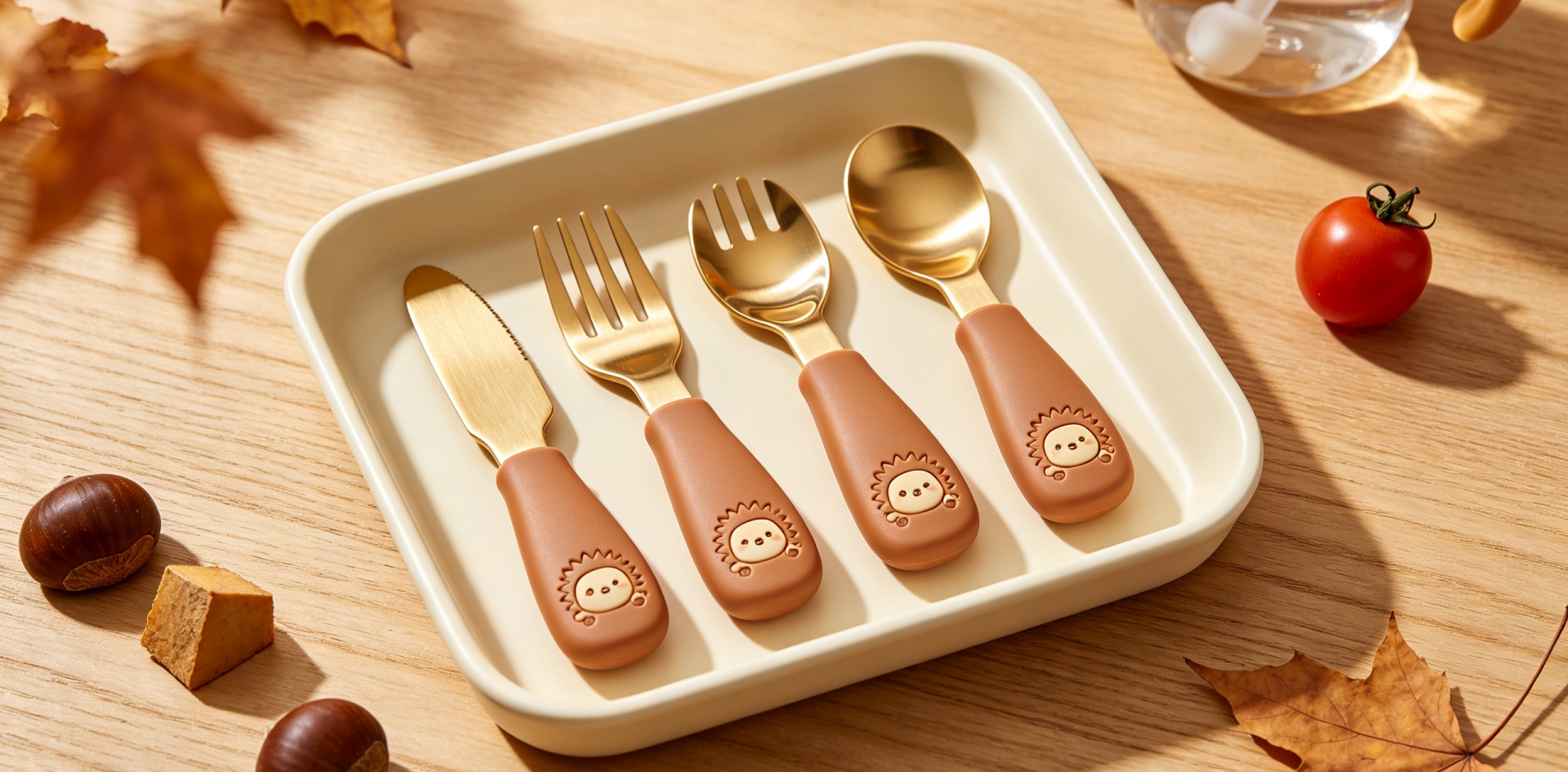
Stainless Steel Cutlery Batch Sampling for B2B Orders
When a B2B buyer orders a large quantity of stainless steel knives, forks, spoons or complete flatware sets, checking every individual piece may not always be practical.
This is where batch sampling can provide a structured way to review production.
Instead of examining every item in a large shipment, buyers and manufacturers can establish a sampling approach that represents the production batch and focuses attention on the most important product characteristics.
For wholesalers, distributors, retailers and private label brands, a clear sampling process can make bulk order quality management more efficient.
What Is Batch Sampling?
Batch sampling means selecting a defined number of products from a larger production quantity for inspection.
The selected pieces are then checked against the agreed product requirements.
The purpose is not to replace proper manufacturing controls. Instead, sampling provides an additional method for evaluating whether the finished batch corresponds with the approved product.
For stainless steel cutlery, the inspection may cover appearance, dimensions, weight, surface finish, construction and other characteristics relevant to the specific order.
Why Sampling Matters for Large Orders
A bulk stainless steel cutlery order can contain thousands or even more pieces.
Inspecting every knife, fork and spoon individually may require considerable time and resources.
A properly organized sampling approach allows the buyer to review a representative portion of the production while maintaining a practical inspection process.
The exact sampling method can depend on the buyer's requirements, product type and order size.
Define What Needs to Be Checked
Before sampling begins, the buyer and factory should understand what characteristics are being evaluated.
For example, the inspection may include:
Product appearance
Dimensions
Product weight
Surface finish
Handle details
Knife blade condition
Fork tine condition
Spoon bowl shape
Packaging configuration
The inspection points should reflect the actual product specification rather than using the same checklist for every type of cutlery.
Different Products Need Different Checks
A stainless steel knife, fork and spoon do not have exactly the same functional characteristics.
For knives, the buyer may pay particular attention to blade shape, edge condition and handle connection.
For forks, tine alignment, spacing and overall structure may be relevant.
For spoons, the bowl shape, rim and handle may receive greater attention.
A complete cutlery set may also require checking whether the individual pieces match as a collection.
Sampling should therefore be designed around the products being purchased.
Use the Approved Product as the Reference
A sample inspection is most useful when there is a clear reference product.
This may be an approved physical sample, product drawing, specification or other agreed reference.
The production pieces can then be compared against the approved requirements.
For custom OEM and private label cutlery, this is particularly important because the products may include details that are unique to the buyer.
A reference makes it easier to distinguish between an intentional design feature and an actual production variation.
Appearance and Surface Checks
The surface of stainless steel cutlery can be examined during batch sampling.
Depending on the selected finish, the inspection may look for visible scratches, inconsistent polishing, unwanted marks or differences in surface appearance.
For special finishes or colored cutlery, the buyer may also define the acceptable appearance based on the approved sample.
The purpose is to ensure that the finished products remain consistent with the agreed product appearance.
Dimensional Sampling
Dimensions can also be checked on selected pieces.
Relevant measurements may include product length, handle dimensions, spoon bowl dimensions, fork head dimensions or knife blade measurements.
Not every dimension needs to be measured on every product during a routine sample inspection.
The important point is to identify the dimensions that are commercially or functionally important for the specific cutlery design.
Weight Checks
Product weight can provide another useful reference during batch sampling.
If a stainless steel spoon, fork or knife has an established target weight, selected pieces can be weighed to identify significant deviations.
Weight can also be useful as an indirect indication of whether the production remains close to the approved product specification.
For custom cutlery projects, the agreed weight range should be established before production whenever it is an important product requirement.
Checking Set Composition
For buyers purchasing complete flatware sets, sampling should not only examine individual pieces.
The contents of the finished set should also be checked.
The inspection can confirm that the correct number and type of knives, forks, spoons and other approved pieces are included.
Packaging identification can also be reviewed to make sure the finished set corresponds with the intended product configuration.
This is particularly useful for private label products sold as complete retail sets.
Documenting Sampling Results
A simple inspection record can make the sampling process easier to manage.
The record can identify the product, production batch, quantity inspected and main inspection results.
If an issue is discovered, photographs or measurements can be added as supporting information.
For B2B buyers managing several stainless steel cutlery products, keeping these records organized can also provide useful references for future orders.
Sampling for Repeat Orders
Sampling can be especially useful when a buyer places repeat orders.
The approved product remains the reference, while selected pieces from the new production batch can be checked against the established requirements.
This provides a practical way to monitor consistency across different production runs without treating every new order as a completely new product.
For long-term private label collections, this can help maintain a stable product standard.
Homefelt Factory for B2B Stainless Steel Cutlery
Homefelt factory specializes in stainless steel knives, forks, spoons and complete flatware sets for B2B customers.
The factory supports OEM, ODM and private label manufacturing for wholesalers, distributors, retailers and brands, including wholesale and large-volume production.
For customized projects, buyers can provide approved samples, drawings and product specifications so that the manufacturing requirements are clearly understood before bulk production.
A practical sampling approach can then form part of the buyer's overall quality management process for large stainless steel cutlery orders.
Make Bulk Cutlery Inspection More Practical
Batch sampling gives B2B buyers a structured way to review large stainless steel cutlery orders without relying on visual impressions alone.
The most useful approach is to define the important inspection points, establish a clear product reference and apply the same requirements consistently across production batches.
If you are planning a wholesale, OEM, ODM or private label stainless steel cutlery order, you can discuss your product specifications and expected quantity with the factory before production begins.
This allows the inspection approach to be aligned with the actual products being manufactured.
Custom Stainless Steel Cutlery Manufacturing
OEM and ODM Stainless Steel Flatware
Private Label Cutlery Production
Stainless Steel Cutlery Price Range Planning for B2B Brands
Stainless Steel Cutlery Labeling for B2B Product Programs
Related Article



