
Stainless Steel Cutlery Batch Traceability for OEM and Bulk Production
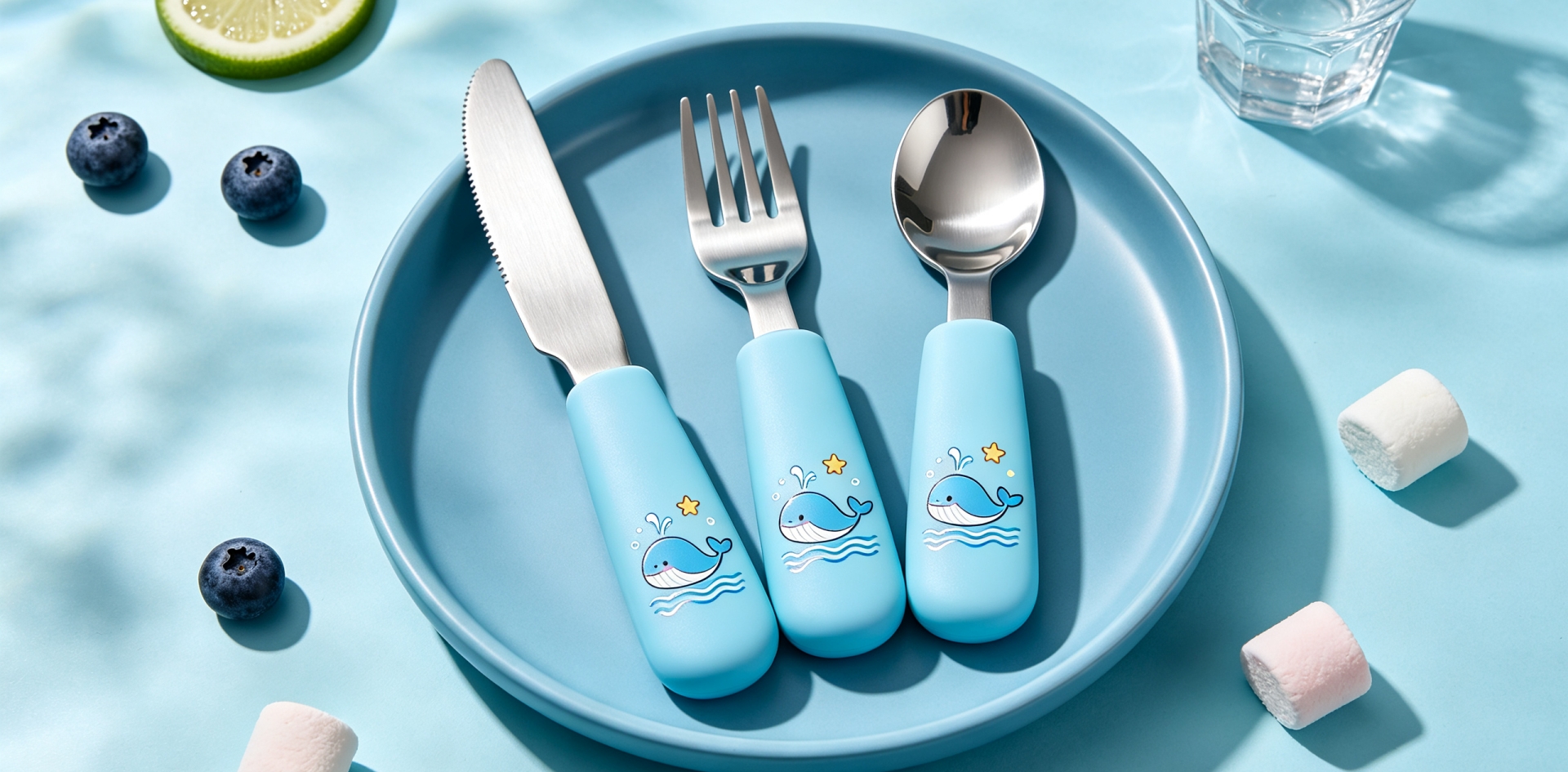
Stainless Steel Cutlery Batch Traceability for OEM and Bulk Production
For buyers purchasing stainless steel spoons, forks and knives in commercial quantities, product consistency is not only about how the cutlery looks when the first shipment arrives. It also matters whether the same product can be identified, reviewed and reproduced when the next production batch is placed months later.
This is where batch traceability becomes useful in stainless steel cutlery manufacturing. A well-organized traceability system connects the finished spoon, fork or knife with important production information, helping an OEM, private label or wholesale buyer maintain consistency across repeated orders.
What Batch Traceability Means for Stainless Steel Cutlery
In cutlery production, a batch represents a defined quantity of products manufactured under controlled production conditions. Depending on the order, it may relate to a specific product model, material specification, production period, finish, packaging configuration or customer project.
For example, a stainless steel spoon supplied for a hospitality project may have a defined model, material grade, thickness, length, surface treatment and packaging requirement. When these details are properly connected to the production batch, the manufacturer can more efficiently identify what was produced and under which requirements.
The same principle applies to forks and table knives. Instead of treating every shipment as an isolated order, batch information provides a practical connection between the physical cutlery and its manufacturing history.
Why This Matters to B2B Cutlery Buyers
For a distributor, importer, hotel supplier or private label brand, repeat purchasing is often more important than a single shipment. A successful first order may be followed by several replenishment orders, sometimes with the same products going to different markets.
Without clear product traceability, maintaining consistency can become difficult.
A buyer may need to confirm whether a new batch corresponds to an earlier production specification, whether the same product version is being used, or whether a particular shipment belongs to a specific customer project.
Traceability helps organize these questions around the actual stainless steel cutlery being supplied.
For OEM and private label programs, this becomes even more valuable. The manufacturer may produce a customer's spoon, fork and knife collection over multiple production periods. Keeping the production information connected to each product helps reduce confusion when the same collection is reordered.
Important Information Connected to a Cutlery Batch
A practical batch traceability process does not need to be complicated. The important point is that relevant product information can be connected and retrieved when needed.
Typical information may include:
-
Cutlery model or product reference
-
Spoon, fork or knife specification
-
Stainless steel material specification
-
Product dimensions and key parameters
-
Surface treatment or finish
-
Customer-specific requirements
-
Production period or batch reference
-
Quantity produced
-
Packaging configuration
-
Inspection and testing records
-
Shipment or order reference
For B2B buyers, this information can provide a clearer connection between the physical product and the agreed purchasing requirements.
The purpose is not to create unnecessary paperwork. It is to make the product easier to manage throughout the commercial life of the order.
Using Traceability to Support Repeat Orders
Consider a distributor that purchases 20,000 stainless steel forks for its customers and later returns for another order.
The second order may need to match the original fork in material, dimensions, surface appearance and overall construction. If the original production information is properly retained, the manufacturer can use the previous batch as a reliable reference.
This can be particularly helpful when the buyer does not have every original technical detail available.
The same approach can be used for stainless steel spoon and knife programs. Instead of starting product confirmation from the beginning every time, the factory can review the relevant production history and confirm the required specification before manufacturing the next batch.
For long-term B2B cooperation, this creates a more practical foundation for repeat supply.
How Homefelt Handles Large-Volume Cutlery Programs
Homefelt factory focuses on stainless steel cutlery manufacturing for customers requiring OEM, ODM, private label, wholesale and large-volume production.
With experience in stainless steel spoons, forks, knives and cutlery sets, the factory can organize product requirements around the actual customer project rather than treating every product as a generic item.
For an OEM order, this may include the customer's product specifications, approved design requirements, finish, packaging and production quantity. For a private label collection, the same information can be connected with the customer's branding and packaging requirements.
This project-based approach is useful when a buyer needs to reorder the same stainless steel cutlery over a longer sales cycle.
Product Consistency Across Different Production Batches
Batch traceability is most valuable when it supports actual product consistency.
For stainless steel cutlery, buyers may pay attention to details such as material specification, dimensions, weight range, surface appearance, handle design and the relationship between different pieces in the same collection.
A spoon, fork and knife should look like members of the same collection when they are supplied together. At the same time, a repeated production batch should remain consistent with the previously approved product.
By connecting inspection information and production records to specific batches, a manufacturer has a more organized basis for checking these requirements.
This is especially important for commercial customers whose cutlery is purchased in large quantities and used across multiple locations.
Experience, Expertise and Manufacturing Control
Homefelt's long experience in stainless steel cutlery production provides practical knowledge of how product requirements need to be controlled during repeated manufacturing.
The factory has more than 40 years of experience in the stainless steel cutlery business and has worked with well-known brands. Its manufacturing and management systems have also been assessed through certifications and audits including BSCI, SEDEX 4P, BRC and ISO9001, along with Disney audit experience.
For B2B buyers, these credentials provide supporting evidence of manufacturing capability, while product specifications, inspection records and project experience provide more direct information about the actual cutlery being supplied.
A Better Approach for OEM and Private Label Buyers
When developing a new stainless steel cutlery collection, buyers can discuss the required product information with the factory before mass production begins.
Homefelt can support the process from product design and specification confirmation through manufacturing, packaging and transportation. This one-stop service allows the production requirements to be considered as one complete project.
The customer can also develop an exclusive service package according to the market, product positioning and order requirements.
For distributors and private label brands, this can make it easier to move from an initial product concept to stable bulk supply.
Supporting Long-Term Wholesale Supply
A reliable cutlery supplier should not only be able to produce the first order. The supplier should also have the manufacturing organization required to support future orders.
For stainless steel spoons, forks and knives, batch traceability is one part of that long-term relationship. It helps connect previous production with future purchasing decisions and gives both sides a clearer reference when discussing repeat orders.
This becomes increasingly important as a product collection grows and the same stainless steel flatware is supplied to more customers or markets.
Homefelt works with customers looking for OEM, ODM, private label and wholesale stainless steel cutlery manufacturing, with the goal of building long-term cooperation rather than simply completing individual shipments.
If you are sourcing stainless steel spoons, forks, knives or complete flatware sets in bulk, you can send your product requirements, target quantity, market information or existing design to Homefelt for discussion.
Stainless Steel Cutlery Loading Planning for OEM and Bulk Shipping
Stainless Steel Cutlery Product Identification for OEM and Bulk Orders
Related Article



