Stainless Steel Cutlery Manufacturer | Custom Cutlery Collection Development

Stainless Steel Cutlery Manufacturer: How to Develop a Complete Cutlery Collection
For many B2B buyers, developing stainless steel cutlery is not simply a matter of selecting one spoon, fork, or knife. A stronger product offering often comes from building a complete collection in which multiple pieces share a consistent design language, finish, quality level, and brand identity.
A well-planned cutlery collection can give wholesalers, retailers, hospitality suppliers, private-label brands, and foodservice businesses more flexibility when creating product ranges. Instead of treating every SKU as an independent product, buyers can develop a coordinated family of tableware that can grow over time.
Working with an experienced Stainless Steel Cutlery Manufacturer can make this process more practical because the factory can consider product structure, tooling, finishing, production requirements, and future extensions from the beginning.
What Is a Stainless Steel Cutlery Collection?
A stainless steel cutlery collection is a group of related products designed to work together visually and functionally.
A collection may include essential tableware such as tablespoons, teaspoons, dinner forks, salad forks, dinner knives, serving spoons, and other specialized pieces depending on the target application.
The exact product range will depend on the business model.
A retail brand may want a compact everyday collection with several core pieces. A hospitality supplier may require a broader range that supports different dining applications. A private-label brand may begin with a small number of SKUs and introduce additional products after the initial launch.
The important point is that every piece should feel like part of the same product family.
Start With a Clear Collection Concept
Before selecting individual products, B2B buyers should define the overall direction of the collection.
The concept can be influenced by the intended market, customer expectations, price positioning, brand identity, and usage environment.
For example, a collection designed for modern retail may emphasize clean lines and a contemporary appearance. A hospitality-oriented range may prioritize practical proportions, durability, and easy matching with existing tableware.
A premium private-label collection may focus more heavily on distinctive handles, refined surface treatments, packaging, and branded presentation.
The Stainless Steel Cutlery Manufacturer should understand this positioning before developing the individual pieces.
Create a Consistent Design Language
One of the most important characteristics of a successful collection is visual consistency.
The spoon, fork, and knife do not have to be identical, but they should share recognizable design characteristics.
These may include:
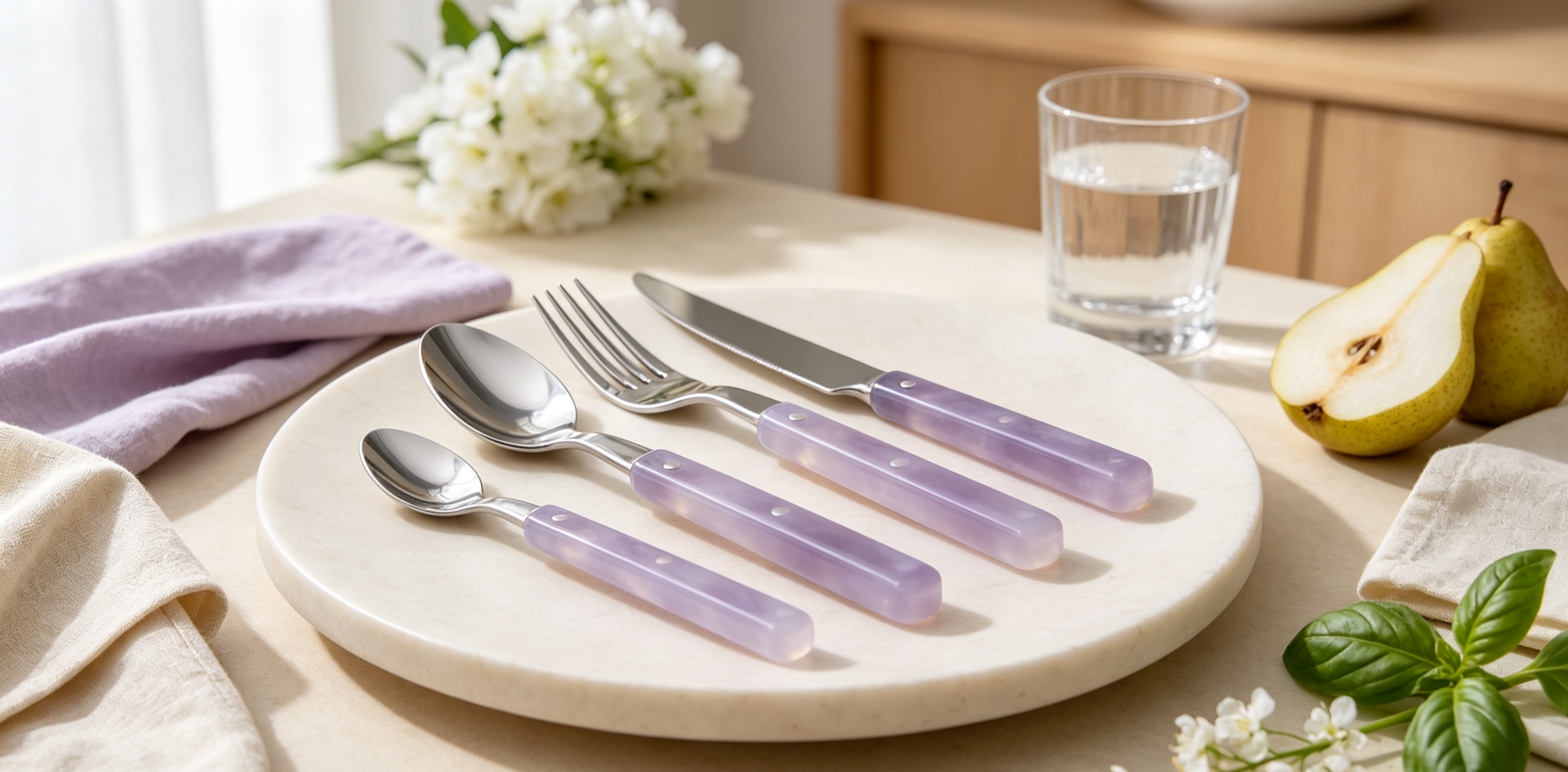
Handle proportions
Handle shape
Edge details
Product contours
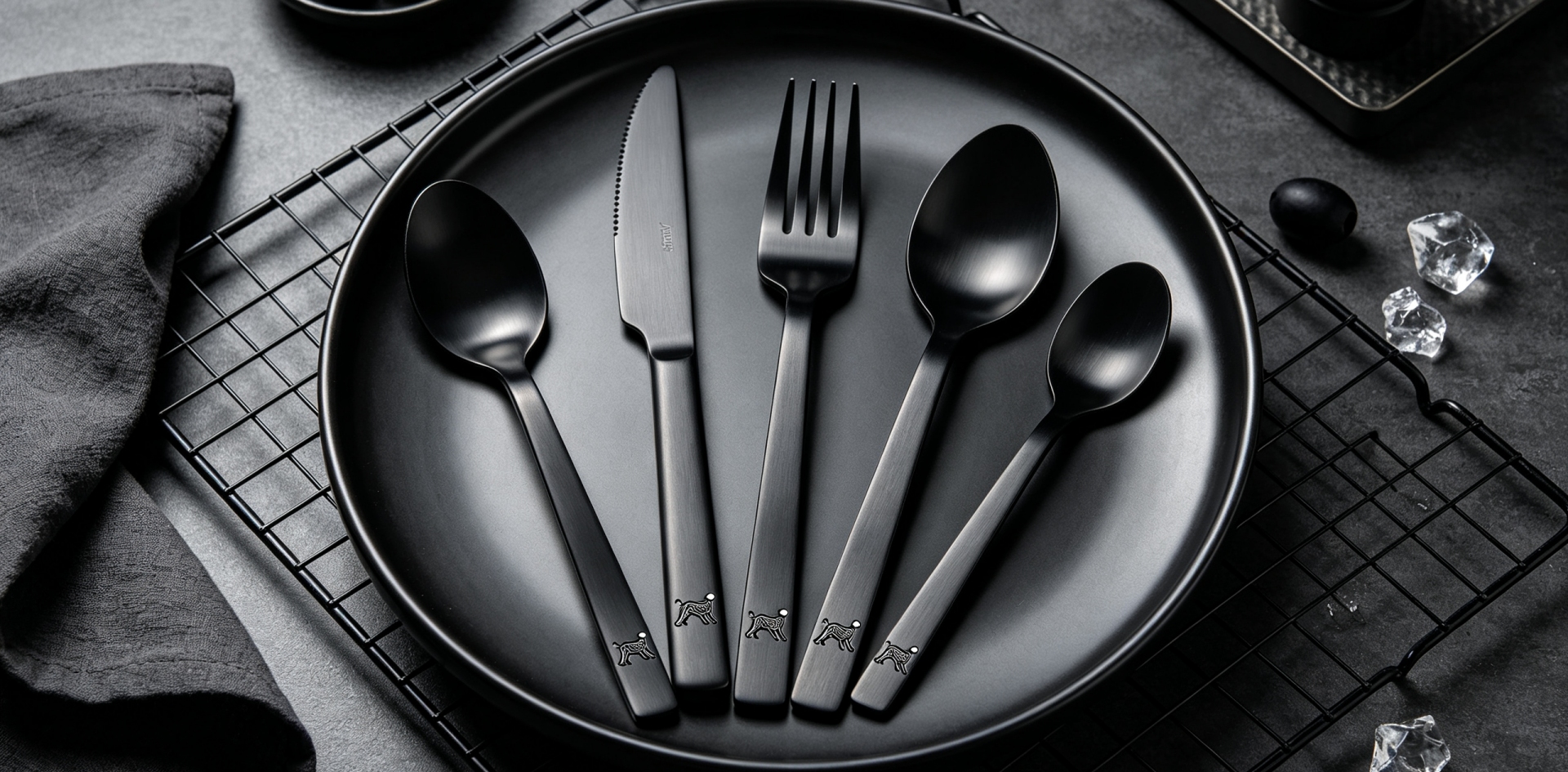
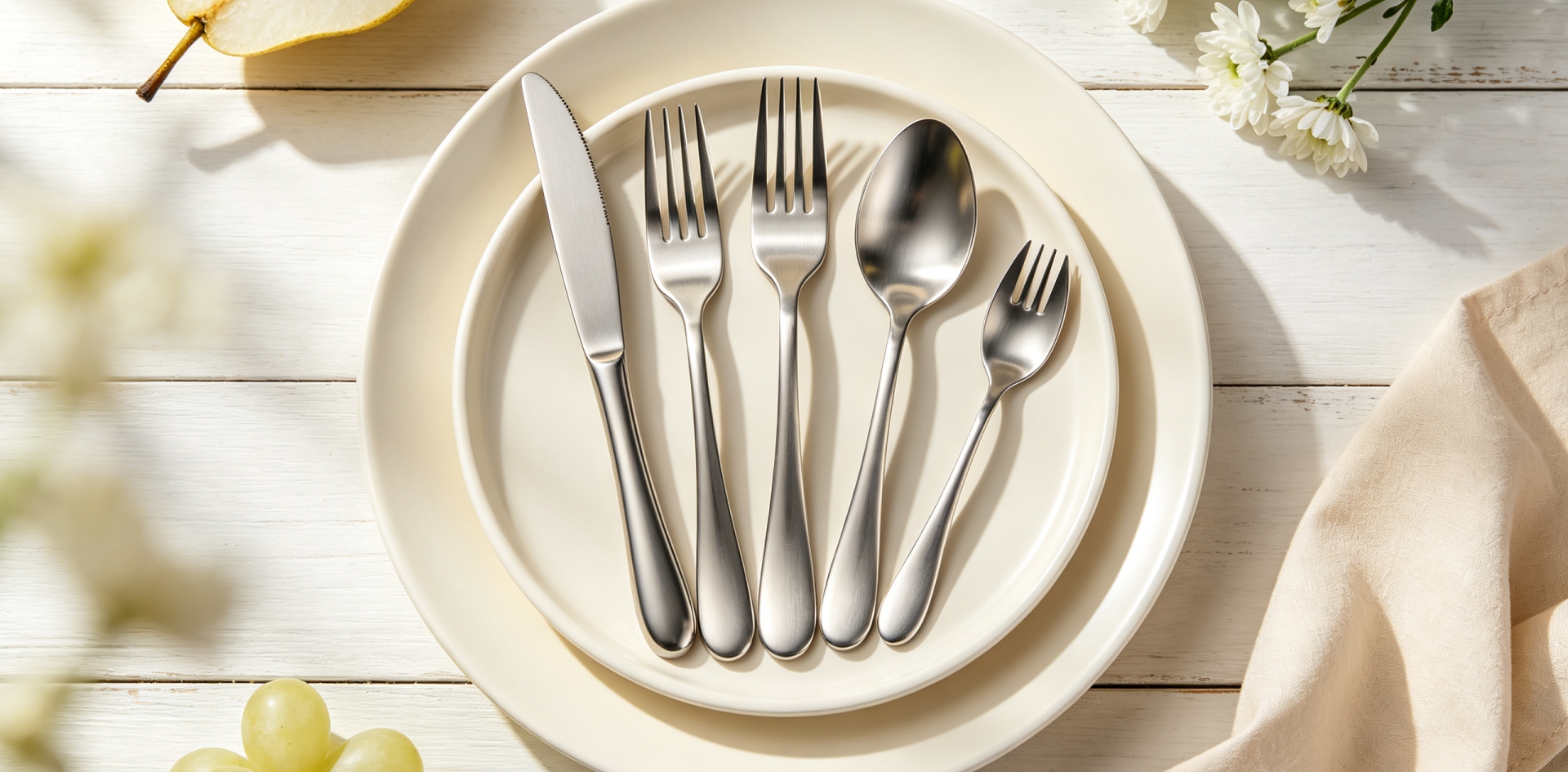
Surface finish
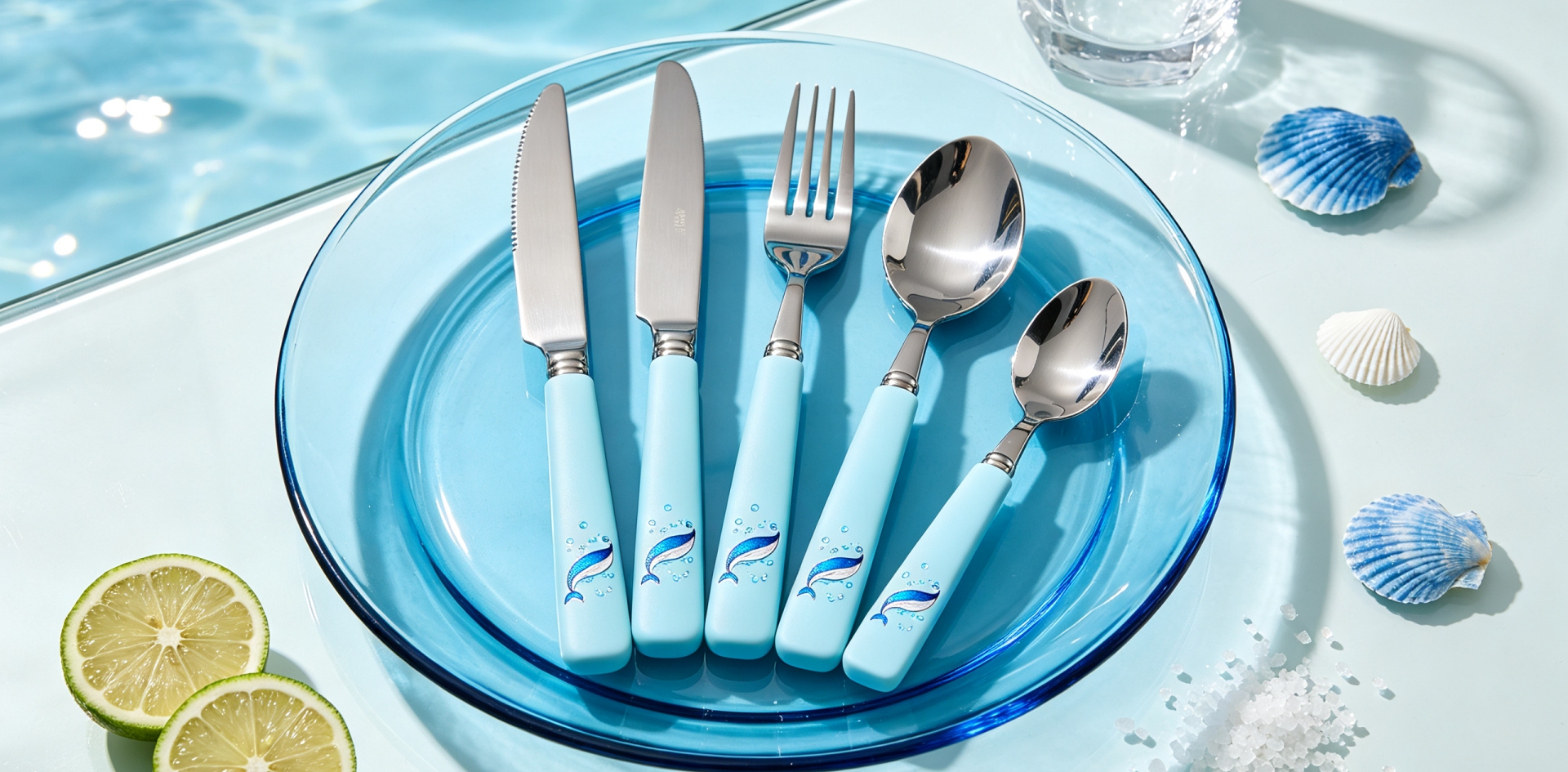
Decorative elements
Logo placement
Overall visual balance
When these elements are coordinated, customers can immediately recognize that the products belong to the same collection.
For a brand, this consistency can be more valuable than creating completely different designs for every individual SKU.
Plan the Core Products First
A collection does not necessarily need to launch with a large number of products.
For many B2B projects, it is more practical to identify the core pieces first and then consider additional products as extensions.
The basic range may include a dinner spoon, dinner fork, dinner knife, and teaspoon. Depending on the application, salad forks, dessert spoons, serving utensils, or other pieces can be added later.
Starting with the core products allows a buyer to test market response before investing heavily in a large product range.
It also gives the manufacturer a clearer production direction during the initial development stage.
Consider How Products Work Together
Collection development should consider more than appearance.
The products should also make sense when used together.
For example, differences in handle width, thickness, proportions, and overall weight should not make one product appear unrelated to the others.
The spoon and fork may have different functional shapes, but their handles can share similar proportions and surface details. The knife can then follow the same design concept while accommodating its own functional requirements.
This balance between visual consistency and functional differences is one of the important aspects of professional flatware development.
Choose a Suitable Stainless Steel Specification
Material selection should also be considered at the collection level.
If a brand wants several products to form one commercial range, maintaining a consistent material specification can simplify purchasing, quality management, and product communication.
Different projects may require different stainless steel specifications depending on product positioning and customer requirements.
A professional B2B buyer should discuss the intended application and market expectations with the manufacturer before confirming the material.
Using a consistent material approach across a collection can also help create a more predictable customer experience.
Coordinate Surface Finishes
Finish selection is another important part of collection development.
A polished surface can create a classic and reflective appearance, while a matte or brushed finish can provide a more contemporary visual effect.
Some brands may also want a combination of finishes for different product lines.
However, if several pieces are marketed as one collection, the relationship between their finishes should be carefully considered.
A Stainless Steel Cutlery Supplier can help buyers determine whether the selected finish is practical across all planned products and whether the manufacturing process is suitable for the intended production quantity.
Think About Branding From the Beginning
Branding should not necessarily be added at the end of product development.
For a private-label collection, logo position and presentation can be considered while the handle design is being developed.
A logo may need to be placed in a specific area of the handle, and the available space can depend on the handle's shape and dimensions.
Planning branding early helps prevent a situation where a finished design has insufficient space for the desired logo treatment.
It also makes it easier to maintain consistent branding across multiple pieces.
Develop Packaging Alongside the Collection
Packaging is another area where collection planning can provide advantages.
A brand may sell individual cutlery pieces, multi-piece sets, or both.
The packaging can therefore be designed around the product strategy.
For example, individual products may require separate retail packaging, while a complete collection can also be offered as a coordinated set. Different packaging formats can help a business serve different sales channels without changing the underlying product design.
For B2B projects, packaging should also consider protection during transportation, carton efficiency, labeling, and brand presentation.
Build a Collection That Can Expand
One advantage of developing a collection rather than isolated products is the possibility of future expansion.
A brand may begin with four core pieces and later add serving utensils, dessert pieces, specialty forks, or other complementary products.
If the original design language has been planned carefully, new products can be developed to match the existing range.
This can help a business create a broader product family without completely changing its visual identity.
An experienced Flatware Collection Manufacturer can evaluate future product extensions during the initial development stage.
Balance Variety With SKU Control
More products do not automatically create a better collection.
Too many similar SKUs can make inventory management more complicated and increase purchasing requirements.
For wholesalers and retailers, it is often useful to separate products into core SKUs and optional extensions.
Core products should represent the main customer demand. Additional products can then be introduced according to market feedback or specific customer requirements.
This approach allows the collection to remain commercially manageable while still offering room for growth.
Collection Development for Private-Label Brands
Private-label brands often have an opportunity to use a coordinated cutlery collection as part of their broader product identity.
Instead of purchasing unrelated products from different sources, a brand can work with one manufacturer to develop a consistent series.
The collection can then share similar handle design, finish, branding, packaging, and quality expectations.
This approach can make the product range look more professional and easier for customers to recognize.
It can also simplify communication between the brand and manufacturing partner when additional SKUs are introduced later.
Collection Development for Wholesalers and Distributors
Wholesalers and distributors may have different priorities.
They often need products that can serve multiple customer groups while remaining practical for inventory management.
A collection can be structured into several price or design levels, allowing distributors to offer customers different options without creating completely unrelated product ranges.
For example, one collection may focus on standard polished stainless steel, while another uses a more distinctive handle or finish for customers seeking a premium appearance.
The right structure depends on the distributor's existing customer base and sales channels.
Why Manufacturing Experience Matters
A product may look simple, but developing multiple stainless steel cutlery pieces with consistent characteristics requires manufacturing knowledge.
Each product has its own functional requirements. Spoons need appropriate bowl shapes, forks require correctly formed tines, and knives need suitable blade structures.
At the same time, the handles and finishes need to maintain the overall collection identity.
An experienced Stainless Steel Cutlery Manufacturer can evaluate these requirements from both a design and production perspective.
This can be particularly useful when a collection contains several customized pieces that need to be manufactured repeatedly over time.
Maintain Consistency Across the Collection
Once a collection has been developed, consistency becomes important during production.
The spoon, fork, knife, and other pieces should maintain the agreed design, dimensions, finish, logo treatment, and packaging specifications.
This is especially important when products are ordered in different batches or when additional SKUs are introduced months after the original launch.
Clear specifications and established production standards can help the manufacturer reproduce the collection more consistently.
Plan for Future Orders
A collection should ideally be designed with long-term supply in mind.
B2B buyers may place an initial order to launch a product and then reorder the same products according to market demand.
If the collection is expected to remain in the product portfolio for several years, the manufacturer should understand the importance of maintaining the original specifications.
Future product extensions should also be compatible with the existing collection.
This long-term approach can make a custom cutlery project more valuable than simply purchasing a single batch.
From Individual Products to a Complete Brand Range
A professionally developed stainless steel cutlery collection can give a business a stronger foundation for long-term product development.
The goal is not simply to create more SKUs. It is to create a group of products that work together, communicate the same quality level, and support the commercial positioning of the brand.
For B2B buyers, the process can begin with a few core pieces and gradually expand as customer demand develops.
Homefelt Houseware Co., Limited has more than 40 years of experience in stainless steel cutlery manufacturing and supports international B2B customers with stainless steel spoons, forks, knives, flatware sets, OEM, ODM, and private-label projects.
For buyers developing a new collection, the manufacturer can work from drawings, reference samples, product ideas, branding requirements, and packaging specifications to evaluate the project and develop suitable production solutions.
Whether the goal is a compact retail range, a private-label collection, a wholesale product family, or a professional hospitality assortment, starting with a clear collection concept can make product development more organized and create greater opportunities for future expansion.
Request a Custom Stainless Steel Cutlery Collection for Your Brand
Send Your Cutlery Collection Requirements to Our Factory
Develop a Branded Flatware Series With an Experienced Manufacturer
Request a Quote for a Custom Stainless Steel Cutlery Collection
Start Your OEM Stainless Steel Cutlery Collection Project
Contact Our Factory About Custom Spoons, Forks, Knives and Flatware
Send Your Product Ideas for a Custom Cutlery Collection
Request B2B Pricing for Your Stainless Steel Tableware Range
Discuss Your Private Label Cutlery Collection With Our Manufacturer
Start Developing Your Custom Stainless Steel Flatware Series
Stainless Steel Cutlery Manufacturer | How to Choose the Right Cutlery Weight
Stainless Steel Cutlery Manufacturer | How to Compare Custom Cutlery Quotes
Related Article