
Stainless Steel Cutlery Component Joining for OEM and Bulk Manufacturing
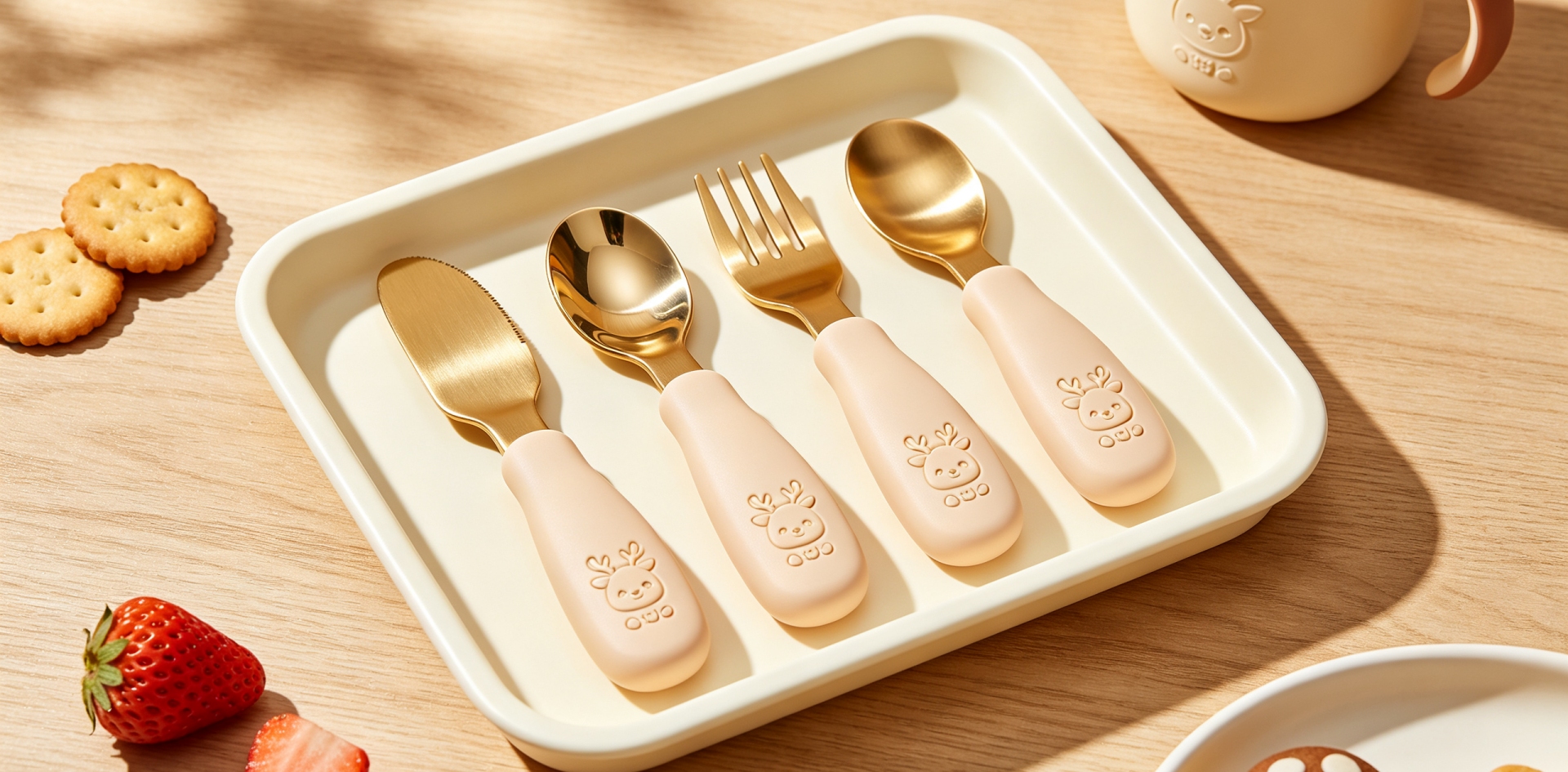
Stainless Steel Cutlery Component Joining for OEM and Bulk Manufacturing
A stainless steel spoon, fork or knife may look like a simple finished product, but some cutlery designs involve more than one manufactured component. When different components are combined, the joining method becomes an important part of the product construction.
For B2B buyers developing stainless steel cutlery for wholesale, hospitality supply or private label sales, understanding component joining can help when evaluating a new product concept.
The right joining approach needs to match the stainless steel material, product design, production volume and expected use. It should also provide a consistent appearance while maintaining the intended construction of the finished cutlery.
Why Component Joining Matters in Stainless Steel Cutlery
Not every stainless steel cutlery product requires multiple components. Many standard spoons, forks and knives can be manufactured as integrated pieces.
However, certain product designs may use separate components because of their appearance, construction or manufacturing requirements.
A table knife, for example, may have a blade and handle structure that requires a specific method of connection. Other specialized or decorative flatware designs may also involve assembled components.
In these situations, joining is not simply a production step. It becomes part of the product design itself.
For OEM and ODM buyers, discussing this point early can help the factory determine whether the proposed design is suitable for stable mass production.
Common Considerations for Cutlery Joining
When evaluating a multi-component stainless steel cutlery design, several factors should be considered.
The first is the material compatibility of the components. Different stainless steel components may have different specifications or manufacturing characteristics, so the joining method should be selected accordingly.
The second is the connection location. A joint placed in a highly visible area may need a different appearance standard from a connection located within a concealed section.
The third is the expected use of the finished product. Commercial cutlery may be handled and washed repeatedly, so the connection needs to be appropriate for the product's intended application.
The fourth is production consistency. A joining method that works for a small prototype may not automatically be the best choice for thousands of pieces.
This is why experienced manufacturing evaluation is important before a large order is released.
Joining and the Appearance of Finished Flatware
The connection between two components should fit naturally into the overall appearance of the stainless steel cutlery.
For premium-looking private label collections, visible transitions may need to be carefully coordinated with the surrounding surfaces and design.
For commercial flatware, the priority may be a clean, practical and repeatable connection that supports efficient mass production.
The customer's target market therefore plays an important role.
A restaurant supplier, hotel purchasing company and retail private label brand may have different expectations even when they are buying similar stainless steel knives or other flatware products.
Homefelt factory can discuss these expectations with customers before production so that the manufacturing method is connected to the intended market.
Joining Methods and Production Volume
Production volume is another important consideration.
A joining method suitable for a small OEM development project may need to be evaluated differently when the order increases to tens of thousands of pieces.
Large-volume production requires stable processes, consistent positioning and repeatable inspection standards.
For this reason, Homefelt reviews the complete product requirement rather than selecting a joining method based only on the appearance of a sample.
The factory can consider the product construction, quantity, packaging requirements and customer expectations together.
This approach is particularly useful for OEM and private label customers who plan to reorder the same product in the future.
Supporting Consistency Across Spoons, Forks and Knives
A complete stainless steel flatware collection should have a coordinated appearance.
If several products use assembled construction, the joining details should be considered as part of the overall collection.
The spoon, fork and knife do not necessarily need identical construction methods. Their functional requirements can be different.
However, the finished products should still feel like part of one collection.
This is where product development experience becomes valuable. The factory needs to understand not only how to manufacture an individual piece, but also how different cutlery products work together as a commercial collection.
Homefelt's Manufacturing Experience
Homefelt factory specializes in stainless steel spoons, forks, knives and complete flatware sets for OEM, ODM, private label, wholesale and bulk customers.
With more than 40 years of experience in the stainless steel cutlery business, the factory has worked with different product designs and commercial requirements.
For customers developing an assembled cutlery product, Homefelt can review the product concept, component construction and production requirements before mass manufacturing.
The factory's experience with well-known brands also provides practical understanding of how product consistency and manufacturing coordination matter in commercial projects.
Certifications and audits including BSCI, SEDEX 4P, BRC and ISO9001, as well as Disney audit experience, provide additional support for the factory's manufacturing management capabilities.
What B2B Buyers Should Discuss Before Production
When requesting an OEM or ODM quotation for a multi-component stainless steel cutlery product, buyers can provide:
-
Product drawings or reference samples
-
Component material requirements
-
Intended joining locations
-
Expected appearance of the connection
-
Target order quantity
-
Surface finish requirements
-
Intended market or application
-
Packaging requirements
-
Private label requirements
-
Expected repeat-order plans
This information gives the manufacturer a clearer understanding of the project.
If the buyer only has a product photograph or initial concept, the factory can also discuss possible manufacturing approaches before the final production specification is confirmed.
From Prototype Concept to Bulk Production
The joining method should ideally be evaluated before a project moves into large-scale production.
For a new OEM product, the factory can first review the construction and produce development samples according to the agreed requirements.
After the product direction is confirmed, the manufacturing process can be organized for bulk production.
This staged approach allows the buyer and manufacturer to identify practical production issues before committing to a large quantity.
For private label brands, it can also provide a more controlled path from an initial product concept to a finished commercial collection.
One-Stop Service for Stainless Steel Cutlery Projects
Homefelt provides one-stop service covering product design, manufacturing, packaging and transportation.
This means customers can discuss product construction and manufacturing requirements together with the commercial requirements of the final shipment.
For OEM and ODM projects, Homefelt can help develop products according to the customer's situation. For private label and wholesale customers, the factory can support large-volume production based on agreed product specifications.
The goal is to provide an exclusive service solution rather than simply supplying a standard product.
Long-Term Value of the Right Manufacturing Method
A joining method should not only work for the first production run. It should also be practical for future orders.
For distributors and private label brands, maintaining the same product construction across repeated orders is important for customer recognition and inventory management.
For commercial buyers, consistent production can help reduce unnecessary changes between shipments.
Selecting the manufacturing approach early therefore helps create a stronger foundation for long-term stainless steel cutlery supply.
Homefelt aims to work with customers as a long-term China service partner, supporting OEM, ODM, private label and wholesale projects while developing reliable large-volume production together.
Colored Stainless Steel Cutlery Color Matching for OEM and Bulk Orders
Stainless Steel Cutlery Handle Construction for OEM and Bulk Orders
Related Article



