
Stainless Steel Cutlery Design Conversion: From Concept to B2B Production
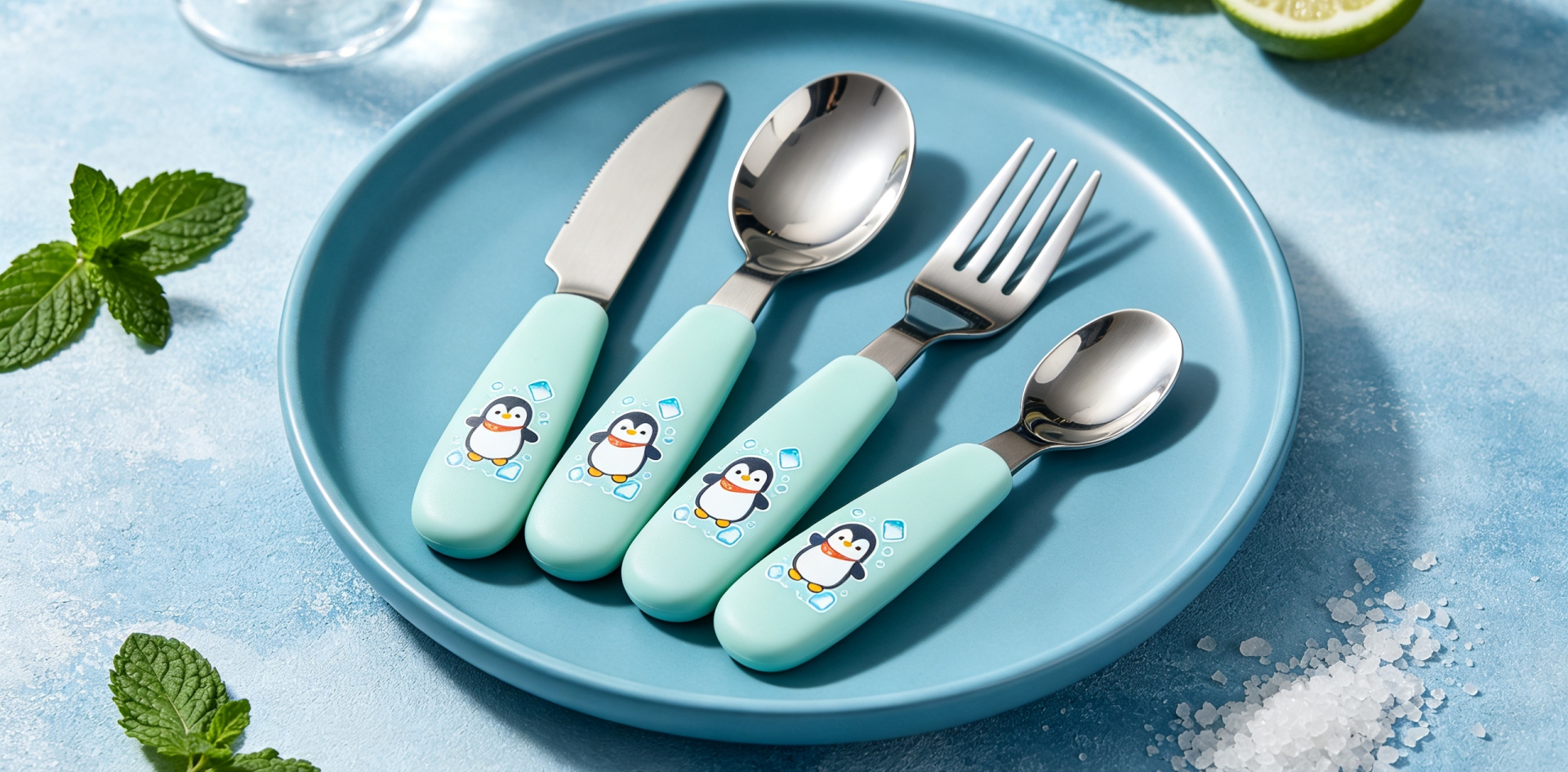
Stainless Steel Cutlery Design Conversion: From Concept to B2B Production
A new stainless steel cutlery collection often starts with a simple idea. It may be a hand-drawn sketch, a product image, a reference sample or a design created for a new brand. At this stage, the concept can look exactly as intended on paper, but turning that idea into a real product requires another layer of work.
For B2B buyers, this transition is particularly important. An OEM or private label cutlery project needs more than an attractive concept. The design must be understood, specified, sampled and prepared for stable production.
This is where the experience of a stainless steel cutlery manufacturer becomes valuable.
From a Design Idea to a Manufacturing Concept
A product concept can contain many different types of information. Some details may describe appearance, while others relate to dimensions, materials or functional requirements.
A designer may focus on the silhouette of a handle. A purchasing team may be concerned about order quantities and target costs. A manufacturer needs to consider how the proposed design can actually be produced.
These perspectives need to meet during the development process.
For example, a drawing may show a particular handle shape, but the manufacturer may need additional information about its dimensions, profile and relationship with the rest of the cutlery piece. A reference image may communicate the general appearance, but it may not provide enough information for production.
The first stage of a custom project is therefore to turn the original idea into a clearer manufacturing concept.
What Information Helps a Manufacturer Understand a Design?
The more complete the initial information, the easier it is to discuss a custom cutlery project.
Useful information can include the desired product type, overall dimensions, material specification, finish, handle design, logo requirements, packaging expectations and estimated order quantity.
If the customer has an existing sample, it can also provide valuable information about the intended appearance and construction.
For a new product, even a basic sketch can be a useful starting point. The manufacturer can then identify which details require further definition before a sample is produced.
This does not mean that every customer needs to prepare a complete engineering drawing before making an inquiry. An experienced supplier should be able to help clarify the missing information during the development process.
Separating Appearance From Production Requirements
One of the challenges in custom stainless steel flatware is that appearance and production requirements are closely connected.
A design may look simple from the front, while its three-dimensional form may require more detailed consideration.
The manufacturer needs to understand not only what the product should look like but also how its different surfaces, curves and functional sections relate to each other.
This is why communication between the customer and factory should continue throughout sample development.
When a design detail is important to the brand, it should be clearly identified rather than left open to interpretation.
Reference Samples Can Make Communication Easier
For many B2B projects, a physical reference sample can communicate details that are difficult to explain with words.
A customer may have an existing cutlery piece that represents the desired feel, appearance or general construction. The goal may be to create a new design based on certain characteristics while introducing a different handle, finish or collection concept.
A reference product can give the manufacturer a practical point of comparison.
It is still important to identify which elements should be retained and which should be changed. This prevents the development process from relying on assumptions.
For OEM and private label projects, clear reference information can reduce unnecessary sample revisions and help both sides move toward a more precise quotation.
Turning the Concept Into Technical Information
Once the general design direction is understood, the next step is to define the product more precisely.
Technical information may include dimensions, material, thickness, surface treatment, logo position and other agreed specifications.
The purpose is not simply to create paperwork. Clear specifications provide a common reference for the customer and manufacturer.
This becomes increasingly important when the project contains several SKUs.
If a brand plans to develop a complete knife, fork and spoon collection, the design principles need to be transferred consistently across the different products while respecting their individual functions.
Sample Development as a Design Check
A sample is where the concept becomes tangible.
At this stage, the customer can evaluate the actual stainless steel cutlery rather than relying only on drawings or digital images.
The sample can be checked for appearance, proportions, finish, handling and overall consistency with the original concept.
If adjustments are required, they can be discussed before the project moves into larger-scale production.
This stage is particularly important for custom projects because small details can have a noticeable effect on the final product.
For a brand preparing a new private label collection, sample approval also establishes a clear reference for the production stage.
Why Sample Feedback Should Be Specific
When reviewing a custom cutlery sample, general comments such as “make it more premium” or “make the handle look better” can be difficult to translate into manufacturing changes.
More specific feedback is usually more useful.
For example, the customer may identify that a particular decorative line should be narrower, that the handle should have a different visual character, or that the spoon and fork should have a closer relationship in appearance.
Photos with marked areas, revised drawings or written specifications can help communicate these changes.
Clear feedback allows the manufacturer to focus on the exact part of the design that needs adjustment.
Balancing Design Ambition With Production Reality
Custom manufacturing is a process of balancing several requirements.
A B2B buyer may want a distinctive product that stands apart from standard wholesale cutlery. At the same time, the product needs to be suitable for the planned quantity, target market and production method.
Some design ideas may require additional development before they can be produced consistently.
This is not necessarily a limitation of customization. It is part of turning a concept into a commercial product.
The best result is usually a design that maintains the important visual characteristics while remaining practical for repeatable manufacturing.
Design Conversion and Cost Discussion
Quotation becomes more meaningful when the product specification is clear.
A manufacturer needs to understand what is being produced before the production requirements and related costs can be evaluated accurately.
For this reason, sending only a product photo may not always be enough for a custom quotation.
A better B2B inquiry can include the reference image or drawing together with the required material, estimated quantity, customization details and target application.
If the design is still at an early stage, the buyer can state that clearly. The manufacturer can then determine what information is needed before providing a more detailed proposal.
This approach makes the quotation process more practical for both sides.
Preparing a Design for Bulk Production
A successful sample is not the final destination of a custom project.
The approved design needs to become a production reference that can be followed during larger quantities.
This is especially important for wholesale buyers, distributors and private label brands that expect repeat orders.
The approved specifications should therefore be kept clear and consistent. When a future order is placed, the manufacturer can refer back to the agreed product information instead of relying on informal descriptions.
This helps maintain continuity as the product moves from development to regular supply.
Supporting Future Collection Expansion
A well-developed product can also become the foundation for additional SKUs.
For example, a brand may first develop a core cutlery set and later add individual knives, forks or spoons using the same design language.
If the original design has been properly documented, new products can be developed more efficiently.
The manufacturer already understands the main design direction, while the customer can communicate which elements should remain consistent and which should change.
This can be useful for brands building a long-term stainless steel flatware range rather than a single one-time product.
Choosing a Manufacturer for Custom Development
When comparing stainless steel cutlery suppliers, B2B buyers often focus on price, minimum order quantity and delivery time.
Those factors are important, but custom development also requires communication and manufacturing experience.
A suitable supplier should be able to understand a product concept, discuss practical production considerations, develop samples and work from confirmed specifications.
For OEM, ODM and private label projects, the ability to communicate clearly during these stages can make the development process considerably more efficient.
Starting Your Custom Cutlery Project
If you are planning a new stainless steel cutlery product, you do not necessarily need to have every detail finalized before contacting a manufacturer.
A basic design concept, reference product or drawing can be enough to begin the discussion.
From there, the project can be developed step by step: understanding the concept, confirming specifications, preparing samples, reviewing the result, finalizing the product and preparing for bulk production.
For B2B buyers, this structured approach makes it easier to move from an initial product idea to a commercially ready stainless steel cutlery collection.
Whether you are a distributor adding a new product line, a retailer developing private label flatware or a brand creating an original collection, the quality of this transition can influence the final result.
A good concept is the starting point. Clear communication, practical specifications and careful sample development are what turn that concept into a product that can be manufactured and supplied consistently.
Custom Stainless Steel Cutlery for Your Brand
OEM Stainless Steel Flatware Manufacturing
Private Label Cutlery Development
Wholesale Stainless Steel Cutlery Supplier
Request a Custom Cutlery Quotation
Stainless Steel Cutlery Design Language: Building a Consistent B2B Collection
Stainless Steel Cutlery Visual Proportions: A Key Detail for Custom B2B Collections
Related Article



