
Stainless Steel Cutlery Distribution Programs for B2B Brands
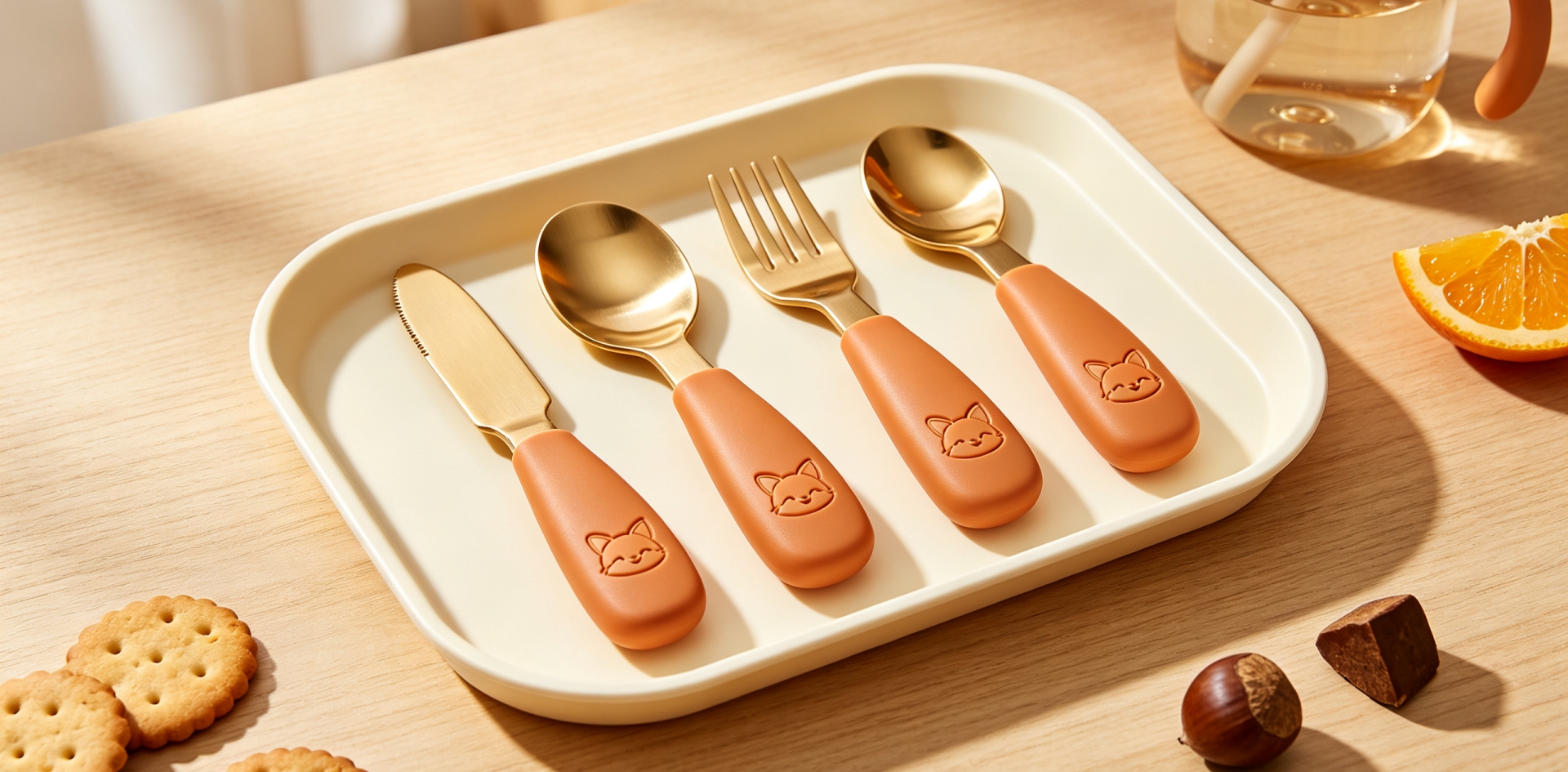
Stainless Steel Cutlery Distribution Programs for B2B Brands
For distributors and importers, selling stainless steel cutlery successfully requires more than finding individual products. A sustainable distribution program needs a clear product range, reliable manufacturing support and a purchasing structure that can grow with market demand.
Whether a distributor supplies retailers, hospitality businesses or regional wholesalers, a well-organized stainless steel flatware program can make product management easier while creating opportunities for long-term repeat orders.
This is especially relevant when the distributor works with custom, OEM, ODM or private label products.
Start With the Distributor's Market
Before developing a cutlery distribution program, it is useful to understand the market being served.
Different customers may have different expectations for product appearance, price level, packaging and assortment.
A distributor serving retail stores may require coordinated stainless steel cutlery sets and individual pieces. A foodservice distributor may focus more heavily on practical knives, forks and spoons for commercial customers.
The product range should therefore be developed around the distributor's actual customer base rather than simply adding products without a clear purpose.
Build a Practical Core Range
A distribution program normally benefits from having a core group of products that can be reordered regularly.
For stainless steel cutlery, this may include basic knives, forks and spoons, followed by additional pieces or coordinated sets according to market demand.
The core range gives sales teams a clear product foundation.
Additional customized products can then be introduced when specific customers or market opportunities require them.
This creates a balance between established products and new product development.
Create a Clear Brand Structure
When a distributor sells stainless steel cutlery under its own brand or represents a specific brand, consistency becomes important.
The products should have a recognizable relationship in terms of design, finish and overall presentation.
For private label programs, this can be developed at the manufacturing stage.
A coordinated handle style, consistent surface treatment or related design elements can help different knives, forks and spoons appear as part of the same collection.
This can make the product range easier for distributors to present to their customers.
Use Customization Where It Adds Value
Customization does not necessarily mean creating every product from scratch.
A distributor may start with established cutlery designs and customize selected details to create a differentiated product range.
Possible areas of customization can include:
-
Handle design
-
Surface finish
-
Product dimensions
-
Branding
-
Packaging
-
Cutlery set composition
-
Product combinations
The appropriate level of customization depends on the market opportunity and expected order volume.
For a distributor, selective customization can provide a way to develop products that are different from standard market offerings while keeping the overall program manageable.
Supporting Regional Distribution
A distributor may supply customers across a particular country, region or group of markets.
In this situation, product planning can be structured around the needs of that market.
For example, the distributor may maintain a core stainless steel cutlery collection while introducing selected designs for specific customer groups.
The factory can then manufacture according to the agreed product specifications and quantities.
This approach can be useful for distributors that want to build a recognizable product portfolio rather than relying entirely on products sourced from different manufacturers.
Managing Wholesale Quantities
Distribution programs normally involve larger purchasing quantities than individual retail orders.
Buyers therefore need to consider how individual products will move through the distribution network.
Fast-moving core items may require regular replenishment, while customized or specialized products may be ordered less frequently.
Understanding these differences can help distributors structure their purchasing plans.
A manufacturer can also use the buyer's product program and expected demand information to better understand the overall project.
The goal is not to purchase every product in the same quantity. It is to create a purchasing structure that matches actual commercial demand.
Developing Private Label Cutlery for Distributors
Private label can give distributors greater control over product positioning.
Instead of selling identical products that are widely available, a distributor can work with a manufacturer to develop stainless steel cutlery under its own brand.
The program may begin with a small number of core products and expand as the brand develops.
Homefelt factory supports stainless steel cutlery customization for B2B customers, including knives, forks, spoons and complete flatware sets. OEM, ODM, private label and wholesale manufacturing can be arranged according to the product requirements and commercial structure of the project.
Plan for Repeat Orders
A distribution program should not be designed only around the first purchase.
If products are expected to become part of a regular catalog, buyers should consider how the same products will be supplied again.
This means maintaining clear product information and communicating future requirements with the manufacturer.
Repeat purchasing can become easier when the distributor has a stable product range and the factory understands the relationship between the different products.
For long-term B2B supply, this can be more practical than treating every purchase as an entirely new project.
Expand the Range Gradually
A distributor does not necessarily need a large collection at launch.
Starting with a focused group of stainless steel cutlery products can make it easier to understand customer response and purchasing patterns.
New knives, forks, spoons or complete sets can then be introduced according to actual commercial opportunities.
This gradual approach can also help the distributor identify which designs should become long-term products and which are better suited to specific projects.
For an OEM or private label program, future products can be developed around the established collection so that the overall brand remains coherent.
Work With a Manufacturer That Understands Distribution
A distribution program requires a manufacturing partner that can understand more than an individual product specification.
The factory needs to understand the broader product range, customization requirements, quantities and expected purchasing structure.
This is particularly important when a distributor wants to develop a long-term private label collection.
A manufacturer experienced in stainless steel cutlery can help translate product requirements into practical production specifications while maintaining the relationship between different products in the collection.
From Distribution Program to Long-Term Supply
A well-structured stainless steel cutlery distribution program connects product development, wholesale purchasing and future replenishment.
The distributor can establish a core range, introduce customized products where appropriate and gradually expand the collection according to market opportunities.
For brands and distributors, this creates a more organized way to build a commercial flatware portfolio.
For the manufacturer, a clearly defined distribution program provides a better understanding of the buyer's long-term requirements and allows production to be planned around an established product range.
If you are developing a stainless steel cutlery distribution program, you can begin with your target market, preferred products, estimated quantities and branding requirements. These details give the manufacturer a practical starting point for discussing OEM, ODM, private label and wholesale production.
Custom Stainless Steel Cutlery for Distributors
OEM & ODM Stainless Steel Flatware Manufacturing
Private Label Cutlery Programs
Stainless Steel Cutlery Specification Compatibility for B2B
Stainless Steel Cutlery Pilot Production for B2B Orders
Related Article



