
B2B Stainless Steel Cutlery Export for International Buyers
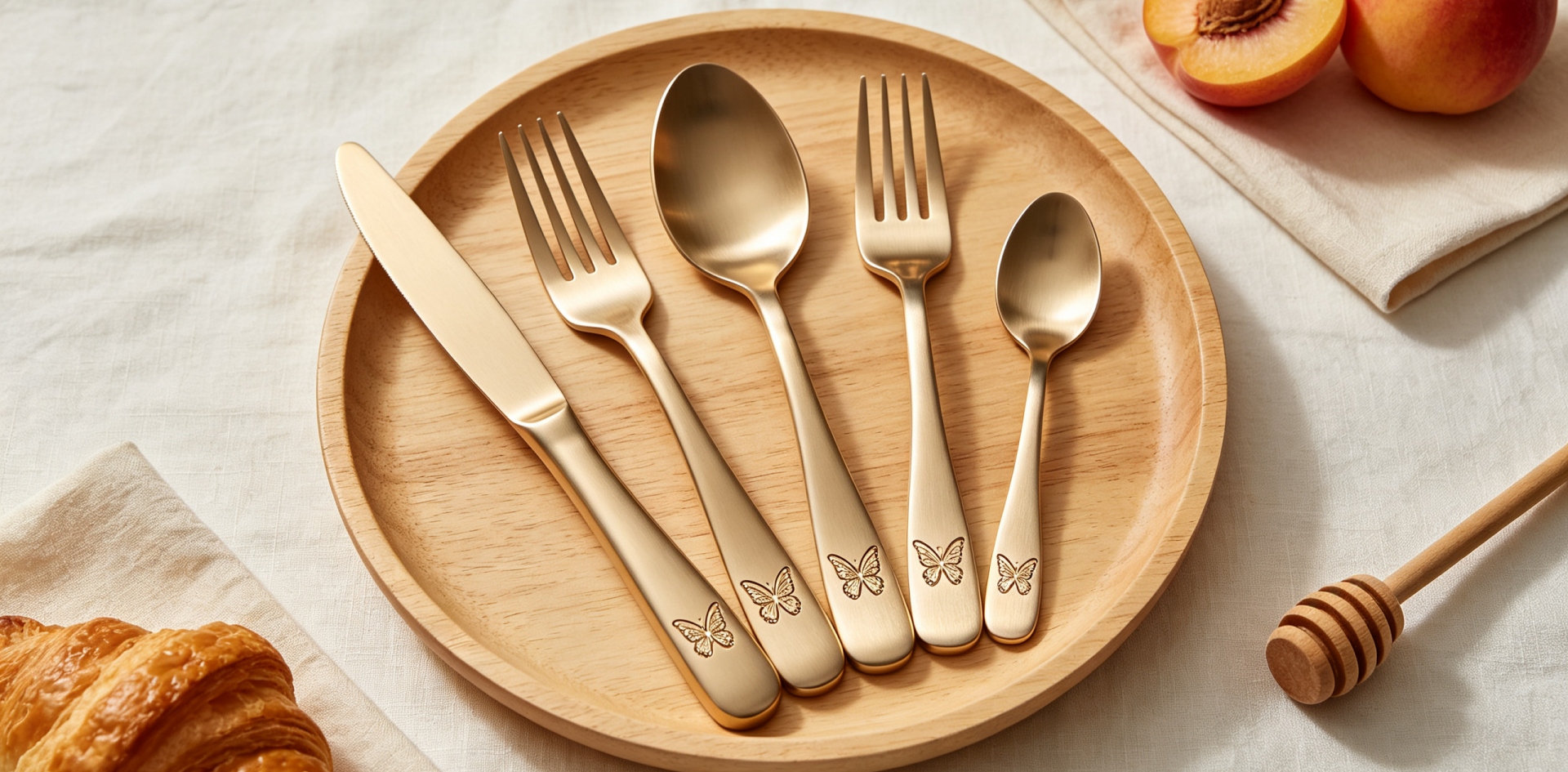
B2B Stainless Steel Cutlery Export for International Buyers
For international brands, importers, wholesalers, and distributors, purchasing stainless steel cutlery from an overseas manufacturer involves more than selecting products and confirming quantities.
An export order connects product development, manufacturing, commercial terms, shipping, and import requirements. When these elements are prepared clearly, communication between the buyer and stainless steel cutlery supplier becomes much more efficient.
For companies planning to purchase knives, forks, spoons, or complete flatware sets from an overseas factory, understanding the basic structure of an export project can help create a smoother path from the first inquiry to the final bulk order.
Starting with a Clear Product Requirement
Every international cutlery project starts with the product itself.
The buyer should first identify the stainless steel knives, forks, spoons, or flatware sets required for the project. If the products are customized, the buyer can also provide drawings, reference samples, product images, dimensions, finishes, or other available information.
Estimated quantities are equally important.
A supplier needs to understand whether the project is for samples, an initial commercial order, or a larger wholesale program. The expected quantity can influence production planning and the quotation provided by the manufacturer.
For buyers developing a new product range, it can also be useful to separate core products from products intended for specific markets or customers.
Why Material Information Matters
Stainless steel cutlery is available in different material specifications, and the material requirement should be clearly communicated before production.
For B2B buyers, the material is not simply a technical detail. It forms part of the product specification that the factory uses when preparing production.
If a brand already has a material requirement, it should be included in the inquiry from the beginning.
If the buyer is not certain which material is appropriate for the intended product, the manufacturer can discuss available options according to the product design, market positioning, and expected application.
Clear material requirements help both sides establish a common understanding before a quotation and sample are confirmed.
Preparing Information for Customized Cutlery
Custom stainless steel cutlery projects require more information than standard products.
A buyer may want a specific handle design, customized proportions, a particular surface treatment, or a private label collection developed around its own brand identity.
In an OEM project, the buyer may already have detailed product specifications.
In an ODM project, the manufacturer may contribute more to product development.
Regardless of the cooperation model, the important point is to establish the final product requirements before mass production begins.
This gives the factory a clear basis for manufacturing and gives the buyer a reference for evaluating the sample and quotation.
Understanding the Commercial Structure
An international B2B order also requires clear commercial communication.
The buyer and supplier need to discuss product quantities, pricing, payment arrangements, production timing, shipping requirements, and other order conditions before confirming the purchase.
For a larger wholesale program, the quotation may include several stainless steel cutlery SKUs.
The buyer should therefore review the commercial information according to the complete order rather than considering only the unit price of one individual item.
A clear quotation allows the purchasing team to understand the expected investment for the complete product program.
Preparing for Bulk Production
Once the product and commercial requirements have been confirmed, the project moves toward production.
For bulk stainless steel cutlery orders, the factory needs to organize materials, production planning, manufacturing processes, and final preparation according to the confirmed order.
This is particularly important when the project includes multiple knives, forks, spoons, or complete sets.
The buyer can help the process by providing a clear purchase order and confirming the final product references before production begins.
This reduces the possibility of confusion between different products in the same commercial program.
Supporting Importers and Distributors
Importers and distributors often purchase stainless steel flatware for resale in their own markets.
Their requirements may differ from those of a retail brand developing a private label collection.
A distributor may need several standard products in large quantities, while another may want a customized collection for a specific customer.
A flexible stainless steel cutlery manufacturer can support both types of projects by discussing product specifications, quantities, and customization requirements according to the buyer's commercial model.
This flexibility is useful for importers that want to expand their product range without changing suppliers for every new cutlery project.
Private Label Export Programs
Private label projects require closer coordination because the products are developed for a specific brand.
The buyer may need customized stainless steel knives, forks, and spoons together with coordinated product combinations and brand-related requirements.
The manufacturer needs to understand which parts of the project are standard and which elements are customized.
For an international private label program, establishing these details before production can help the buyer and factory maintain a clear understanding of the finished product.
As the brand grows, the same manufacturing relationship can also support additional SKUs and future orders.
Why Factory Communication Matters
International sourcing involves distance between the buyer and manufacturer.
Because the buyer may not be physically present at the factory during every stage, clear communication becomes particularly important.
Product information, commercial requirements, samples, quantities, and production arrangements should be discussed in a structured way.
An experienced stainless steel cutlery manufacturer can help identify the information needed before production and clarify any points that require confirmation.
This makes the sourcing process more predictable for overseas buyers.
Preparing a Request for Quotation
A well-prepared RFQ can save time for both the buyer and supplier.
Instead of sending only a general request for “stainless steel cutlery,” the buyer can provide the product category, quantity, material preference, customization requirements, target packaging, and other known details.
If the project includes several products, a product list can make the request easier to understand.
For example, the inquiry may contain different quantities for knives, forks, spoons, and complete flatware sets.
With a clearer request, the factory can evaluate the project more efficiently and prepare a quotation based on the actual requirements.
From Sample to Export Order
For customized products, a sample is often an important stage before bulk production.
The buyer can review the physical product and confirm whether it meets the agreed requirements.
Once the sample has been approved, the confirmed specifications can be used as a reference for the production order.
For international buyers, this provides an important connection between product development and the final export shipment.
The objective is to ensure that the product ordered commercially corresponds to the product that was developed and approved.
Homefelt for International B2B Cutlery Projects
Homefelt manufactures stainless steel knives, forks, spoons, cutlery sets, and flatware for international B2B customers.
The factory supports OEM, ODM, private label, custom manufacturing, wholesale, and bulk production projects.
For importers, wholesalers, distributors, and brands, the team can work with the buyer's product requirements and commercial objectives to develop a suitable manufacturing solution.
Whether the project involves a standard stainless steel cutlery program or a customized private label collection, the process can begin with a clear product inquiry and quotation request.
Planning Long-Term Export Cooperation
A successful export order can become the beginning of a longer supply relationship.
Many B2B buyers do not purchase stainless steel cutlery only once. They may reorder successful products, introduce new SKUs, or develop additional collections as their business grows.
For this reason, it is useful to select a manufacturer that can support both the initial order and future product development.
A factory with experience in custom and bulk stainless steel cutlery production can provide a practical manufacturing base for these longer-term programs.
Conclusion
International stainless steel cutlery sourcing requires clear communication between the buyer and manufacturer.
From product specifications and material requirements to quotation, customization, sample approval, production, and export arrangements, each stage contributes to the success of the final order.
For brands, importers, wholesalers, and distributors, working with an experienced stainless steel cutlery manufacturer can simplify the process of turning a product requirement into a commercial bulk order.
Homefelt provides OEM, ODM, private label, wholesale, and custom stainless steel cutlery manufacturing for international B2B buyers.
If you are preparing a new cutlery project, expanding an existing flatware range, or looking for a factory for your next bulk order, a detailed inquiry is a practical first step toward discussing your requirements and receiving a suitable quotation.
Request a Quote for Stainless Steel Cutlery Export
Discuss Your OEM or ODM Cutlery Project
Develop a Private Label Stainless Steel Flatware Range
Colored Stainless Steel Cutlery for B2B Private Label Orders
Stainless Steel Cutlery Tooling for Long-Term B2B Production
Related Article



