
Stainless Steel Cutlery Freight Efficiency for OEM and Bulk Supply
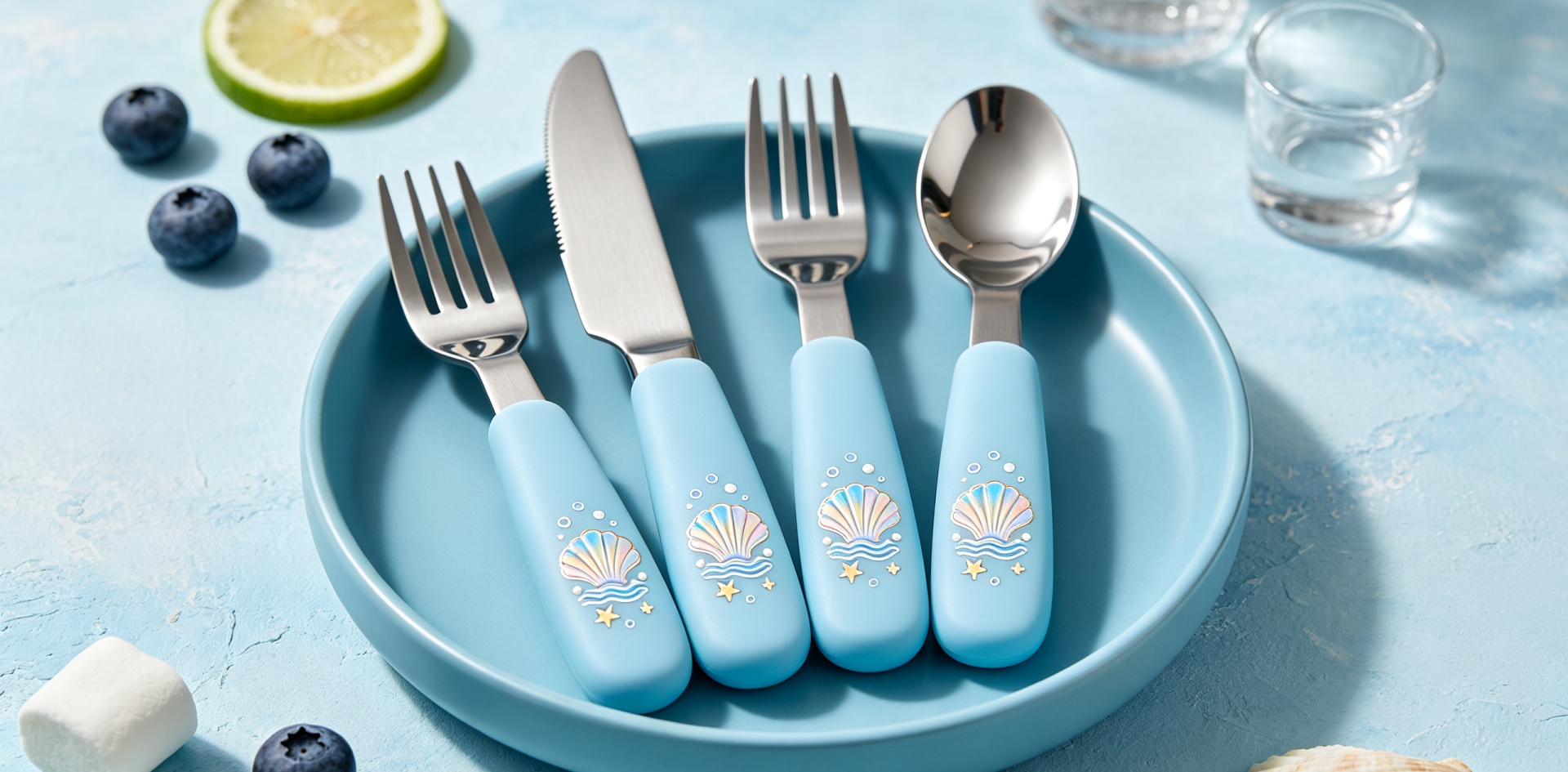
Stainless Steel Cutlery Freight Efficiency for OEM and Bulk Supply
For B2B stainless steel cutlery purchasing, the factory price is only one part of the total sourcing cost. When knives, forks, spoons or complete flatware collections are purchased in large quantities, the way products occupy cartons and shipping space can also influence the final logistics cost.
Freight efficiency does not mean simply reducing carton size. Stainless steel cutlery needs appropriate protection, organized packing and sufficient space to prevent unnecessary movement during transportation. The challenge for a professional manufacturer is to find a practical balance between product protection, carton utilization and shipping efficiency.
Homefelt factory provides stainless steel knife, fork and spoon manufacturing for OEM, ODM, private label, wholesale and bulk orders. With long-term experience in cutlery production, the factory can consider product specifications, quantity combinations and packaging requirements together when preparing a commercial supply solution.
Why Freight Efficiency Matters for Cutlery Buyers
Stainless steel cutlery is relatively compact compared with many other household products, but bulk orders can still involve substantial quantities.
A buyer may order thousands of spoons, forks and knives for a distributor network, retail program or private label collection. Once individual pieces are packed into inner boxes, master cartons and pallets, the overall volume becomes an important part of the supply calculation.
Two products with similar unit prices may therefore produce different landed costs if their packaging structures and shipping volumes are significantly different.
For B2B purchasing teams, understanding freight efficiency helps create a more complete picture of the actual cost of bringing stainless steel cutlery into the target market.
How Product Specifications Affect Shipping Space
The physical characteristics of a cutlery product naturally influence how it can be packed.
A spoon with a particular bowl and handle configuration may occupy a different amount of space from a fork or knife. A larger product may require a different inner packing arrangement, while a collection containing several product sizes may need multiple packaging configurations.
The quantity per inner carton and master carton also affects the final shipping structure.
For this reason, packaging and logistics should not be considered completely separately from the cutlery product itself. When a buyer develops a new OEM collection, the factory can review the product dimensions and intended quantity together with the packaging requirements.
The objective is to create a packing arrangement that protects the products while making reasonable use of available shipping space.
Balancing Product Protection and Carton Utilization
The smallest possible carton is not automatically the best solution.
Stainless steel cutlery can move during transportation if there is excessive unused space. At the same time, over-compressing products may create unnecessary pressure on packaging materials or affect the presentation of finished goods.
A practical carton structure should therefore consider:
-
Product dimensions
-
Number of pieces per inner package
-
Inner package dimensions
-
Master carton capacity
-
Product protection
-
Carton strength
-
Handling requirements
-
Pallet arrangement where applicable
-
Total shipment quantity
For private label buyers, the packaging also needs to match the brand’s presentation requirements.
The most suitable solution is therefore a balance between protection, presentation and efficient use of shipping space.
Mixed Cutlery Orders and Freight Planning
Many B2B customers do not purchase only one stainless steel cutlery item.
A distributor may require several spoon sizes, different forks, table knives and matching flatware sets. A private label brand may also launch multiple collections at the same time.
When different products are included in one manufacturing program, the factory needs to understand the quantity and packaging requirements for each item.
For example, an order may contain:
-
Dinner knives
-
Dinner forks
-
Table spoons
-
Teaspoons
-
Several flatware set configurations
Each product may have its own inner packing method and carton quantity.
Reviewing the complete product mix helps the factory and buyer understand the overall shipment structure rather than evaluating every SKU in isolation.
Freight Efficiency and Wholesale Purchasing
For wholesale buyers, freight can become particularly relevant when purchasing large quantities for distribution.
A lower unit purchase price may not always result in the lowest overall sourcing cost if the packaging arrangement creates unnecessary shipping volume.
This is why experienced procurement teams often consider product cost, packaging quantity and shipping requirements together.
For OEM and ODM manufacturing, these discussions can take place before mass production. The buyer can provide the expected order quantity and destination market, while the factory can use the product specifications to develop a practical packing arrangement.
A Commercial Project Example
Consider a distributor purchasing a complete stainless steel flatware range for several regional customers.
The order includes multiple knife, fork and spoon styles. Instead of treating each product as an independent shipment, the manufacturer reviews the entire collection, including quantities and packaging requirements.
The objective is to establish suitable inner and master carton configurations for the different products while maintaining clear product identification.
This can make the final shipment easier to organize and gives the buyer a better understanding of the relationship between product quantity, carton quantity and transportation requirements.
For a large B2B order, this type of planning can be more useful than focusing only on the unit price shown on the quotation.
What Buyers Should Discuss Before Ordering
When requesting a quotation from a stainless steel cutlery factory, buyers can provide more than the product name.
Useful information includes:
-
Product type
-
Product dimensions
-
Estimated quantity
-
Number of different SKUs
-
Required packaging
-
Target market
-
Preferred delivery method
-
Destination
-
Retail or wholesale requirements
-
Private label requirements
The more complete the project information, the easier it is for the manufacturer to evaluate the overall supply requirements.
For new products, reference images, drawings or samples can also help the factory understand the intended product before discussing commercial production.
Homefelt Factory for Stainless Steel Cutlery Supply
Homefelt factory focuses on stainless steel cutlery manufacturing, including knives, forks, spoons and flatware sets.
The company supports OEM, ODM, private label, wholesale and large-volume production. Its manufacturing experience allows customers to discuss product specifications, production requirements and packaging arrangements within one project.
Homefelt has 40 years of experience in the stainless steel cutlery business and has worked with well-known brands. The factory has passed BSCI, SEDEX 4P, BRC and ISO9001 requirements, as well as Disney audit requirements, with FAMA and FSC certifications also available.
These qualifications provide useful supplier background for B2B customers, while practical manufacturing experience and communication remain important when evaluating a long-term cutlery partner.
One-Stop Support from Product to Delivery
Freight efficiency is most useful when it forms part of a broader supply plan.
Homefelt can provide one-stop support covering product design, stainless steel cutlery manufacturing, packaging and transportation according to the customer’s project requirements.
This can be helpful for importers and private label brands that need to coordinate several products under one purchasing program.
Instead of separately communicating with a product designer, factory, packaging supplier and logistics provider, customers can discuss the complete requirement with one manufacturing partner.
The goal is not simply to reduce shipping volume. It is to create a practical supply solution in which the product specification, quantity, packaging and transportation requirements work together.
Planning Your Next Bulk Cutlery Order
If you are preparing a large stainless steel cutlery order, it is useful to discuss freight-related requirements before finalizing the product and packaging specifications.
Share your product list, estimated quantities, destination market and packaging expectations with the factory. The manufacturer can then review the requirements and suggest a suitable production and packing approach.
For OEM, ODM and private label projects, this early communication can also help identify potential issues before the order enters large-volume manufacturing.
Stainless Steel Cutlery Batch Appearance Consistency for OEM Supply
Stainless Steel Cutlery Material Yield for OEM and Bulk Manufacturing
Related Article



