
Stainless Steel Cutlery Functional Design for Custom B2B Collections
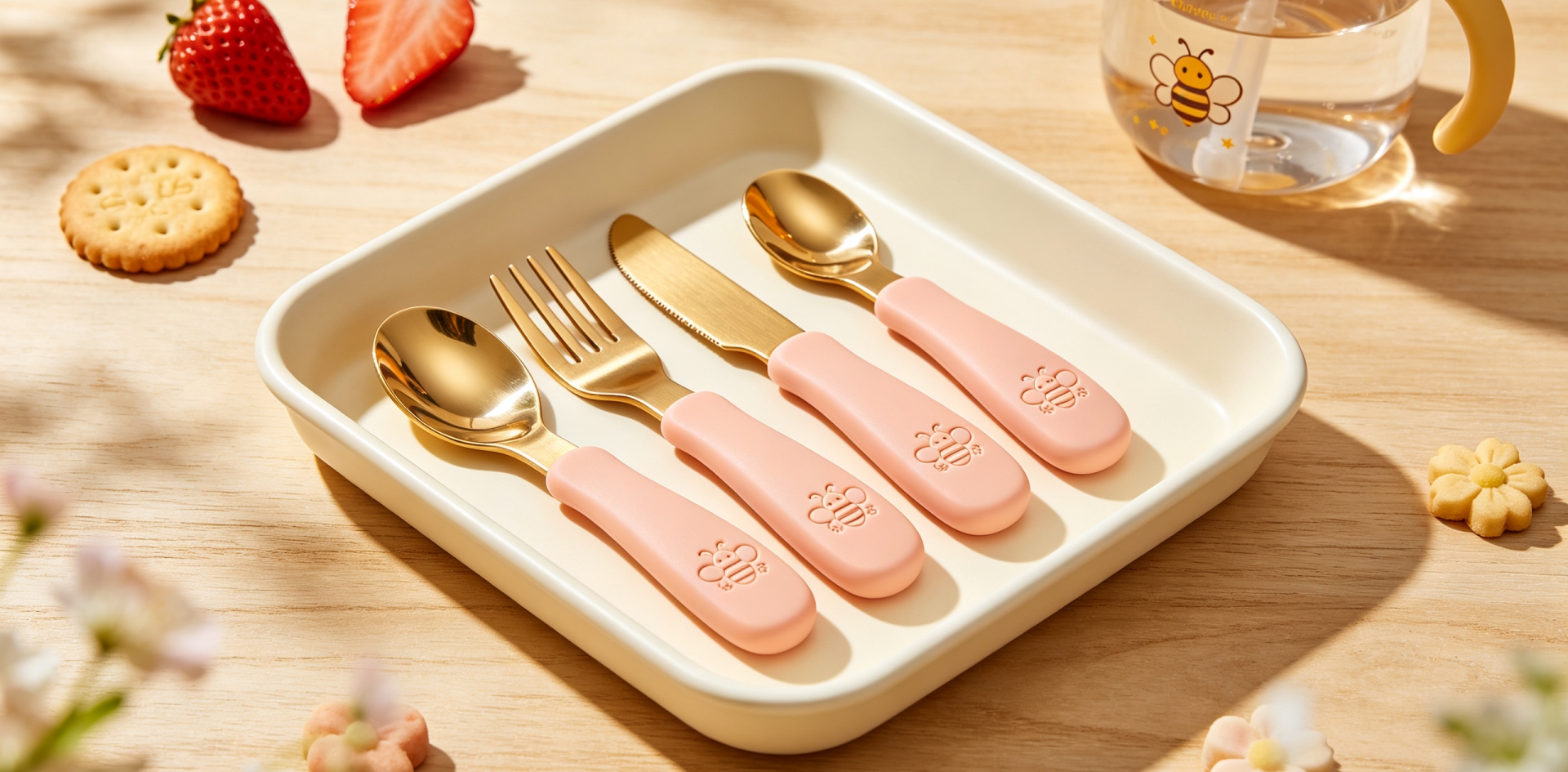
Stainless Steel Cutlery Functional Design for Custom B2B Collections
Stainless steel cutlery may appear simple, but every spoon, fork and knife contains functional details that influence how the product is used.
For B2B buyers developing a new cutlery collection, choosing a product should therefore involve more than comparing appearance and price. The shape of the spoon bowl, the design of the fork tines, the knife blade structure and the relationship between the handle and working end can all be considered when defining the final product.
Homefelt factory specializes in stainless steel knives, forks, spoons and complete flatware collections for international B2B customers. With more than 40 years of manufacturing experience, Homefelt provides standard products as well as OEM, ODM and private label customization.
Understanding the Functional Structure of a Spoon
The working end of a spoon is one of its most important design elements.
Different spoon applications can require different bowl shapes and proportions. A table spoon, dessert spoon and teaspoon are not simply different sizes of the same product. Their dimensions and proportions can be developed according to their intended use.
When selecting or customizing a stainless steel spoon, buyers may consider:
-
Overall spoon length
-
Bowl length
-
Bowl width
-
Bowl depth
-
Handle proportion
-
Material thickness
-
Individual piece weight
-
Surface finish
The bowl shape can also influence the visual appearance of the collection.
For OEM and ODM projects, customers can provide a reference sample, drawing or product image. The manufacturer can then discuss the required specifications and develop the product according to the project.
Fork Tine Design and Product Function
The fork has its own functional requirements.
The number, length, spacing and shape of the tines can influence the appearance and intended use of the product.
A standard table fork, dessert fork and other specialized fork designs may have different proportions.
For B2B customers developing a collection, the fork head should also work visually with the matching spoon and knife.
A coordinated collection can use common handle characteristics while allowing the working ends of each product to maintain their own functional structure.
This is particularly useful for retailers and private label brands developing a complete stainless steel flatware range.
Stainless Steel Knife Blade Considerations
A stainless steel table knife has a different functional structure from a spoon or fork.
The blade and handle need to be considered together when developing the product.
Depending on the customer's requirements, the project may involve discussions about:
-
Blade shape
-
Blade length
-
Blade thickness
-
Handle proportion
-
Overall product length
-
Surface finish
-
Product weight
The final specification can be adjusted according to the intended market and product positioning.
For example, a retail collection may have different design priorities from a commercial foodservice collection.
The manufacturer needs to understand the customer's requirements before confirming the final production specification.
Why the Three Pieces Should Be Designed Together
A common mistake in cutlery development is to consider the spoon, fork and knife as completely independent products.
For a coordinated collection, the three pieces should normally be evaluated together.
The handle design, surface finish, proportions and overall visual language can be consistent across the collection.
At the same time, the spoon bowl, fork tines and knife blade can retain their individual functional characteristics.
This balance allows a product range to look unified without making every piece identical.
For private label brands, this can be particularly valuable because the collection can develop a recognizable product identity.
Selecting Cutlery for Different Applications
B2B buyers often serve different end markets.
A distributor may need products for multiple customer groups.
A restaurant supplier may require practical tableware for commercial use.
A retailer may focus on appearance, packaging and product differentiation.
A private label brand may want a customized collection that matches its existing brand style.
Because the requirements are different, the same standard cutlery design may not be suitable for every project.
Instead of selecting a product only from a photograph, buyers can discuss the intended application with the factory and determine which product characteristics should receive the most attention.
Product Parameters Help Reduce Communication Errors
Clear product parameters are particularly important for international B2B projects.
A photograph can show the general appearance of a spoon, fork or knife, but it does not provide all the information needed for production.
A professional product specification can include dimensions, material, thickness, weight, surface treatment, logo requirements and packaging details.
When these specifications are confirmed before mass production, both the buyer and manufacturer have a clearer reference for the project.
For repeat orders, the approved specification can also become an important reference for maintaining product consistency.
From Standard Cutlery to Customized Products
Not every customer needs a completely new product.
Some buyers may find a suitable standard design and only require modifications to certain details.
For example, a customer may want to adjust the handle, change the surface finish, add a logo or develop new packaging.
Other customers may have a completely new concept and require ODM development.
Homefelt can discuss both types of projects.
The degree of customization can be based on the customer's product positioning, target quantity, budget and sales channel.
This allows buyers to choose a practical development route instead of unnecessarily redesigning every element.
OEM and ODM Support for Stainless Steel Flatware
For OEM projects, customers can provide their own drawings, samples, specifications or product references.
The factory can organize production according to the approved requirements.
For ODM projects, the customer may start with a general idea and work with the manufacturer to develop the product specifications.
The final process can include sample development, specification confirmation, production and packaging.
This type of cooperation can be useful for brands that want to expand their stainless steel flatware range without establishing their own manufacturing facility.
Customization Can Include the Complete Product Package
A successful B2B cutlery project may involve more than the stainless steel product itself.
Homefelt can also coordinate requirements related to:
-
Product design
-
Material selection
-
Product specifications
-
Surface finish
-
Logo customization
-
Cutlery set combinations
-
Retail packaging
-
Bulk production
-
Shipment arrangements
By discussing these elements together, customers can create a more complete product solution.
This one-stop approach can be especially useful for importers, distributors and private label brands that want to reduce the number of suppliers involved in a project.
Quality and Documentation for B2B Projects
Professional buyers may also need factory qualification and product-related documentation when evaluating a supplier.
Homefelt provides information about its manufacturing background and certifications, including BSCI, SEDEX 4P, BRC and ISO 9001, together with experience with Disney audits and FAMA and FSC certifications.
Specific documentation and testing requirements can be discussed according to the customer's project and destination market.
For buyers working with retail brands or larger distribution networks, confirming these requirements at an early stage can help make the project process clearer.
Building a Product Range Instead of a Single Item
A B2B cutlery project often starts with one product but can eventually develop into a complete range.
A customer may first order a spoon and later add a matching fork and knife. Additional sizes or serving pieces may then be developed according to market demand.
When the original design language is considered from the beginning, new products can be added more easily while maintaining a consistent collection.
This is where long-term manufacturing experience can become valuable.
Homefelt works with international customers on stainless steel cutlery development, customization and bulk production, helping customers build product ranges according to their business requirements.
A One-Stop Partner for Custom Cutlery Projects
Instead of treating product development, packaging and shipment as completely separate tasks, customers can discuss the complete project with one manufacturing partner.
Homefelt provides one-stop support for stainless steel knives, forks, spoons and flatware sets, including OEM, ODM, private label customization, product development, packaging coordination and bulk manufacturing.
The service can be adjusted according to the customer's actual situation.
Whether you have a finished drawing, an existing sample, a product photograph or only a basic product concept, the first step is to communicate the requirements clearly.
The factory can then help determine the appropriate specifications and development process.
Stainless Steel Cutlery Surface Finish Options for Custom Collections
Custom Stainless Steel Cutlery Handle Design for B2B Collections
Related Article



