Stainless Steel Cutlery Handle Thickness: A Key Detail for B2B Custom Projects
Stainless Steel Cutlery Handle Thickness: A Key Detail for B2B Custom Projects
When developing stainless steel cutlery for a new product line, buyers often pay close attention to length, shape, finish and material. One specification that can easily be overlooked is handle thickness.
Although handle thickness may seem like a small technical detail, it can influence the visual proportion of a piece of cutlery and contribute to how the product feels in the hand. For B2B brands, wholesalers and distributors developing their own collections, understanding this detail can help create a more consistent and market-appropriate product.
Handle thickness should not be considered separately from the overall design. It needs to work together with the handle width, length, profile, functional end and the design language of the complete collection.
Why Handle Thickness Matters in Cutlery Design
The handle is the part of a knife, fork or spoon that the user holds throughout the meal. Its dimensions therefore contribute to the overall experience of the product.
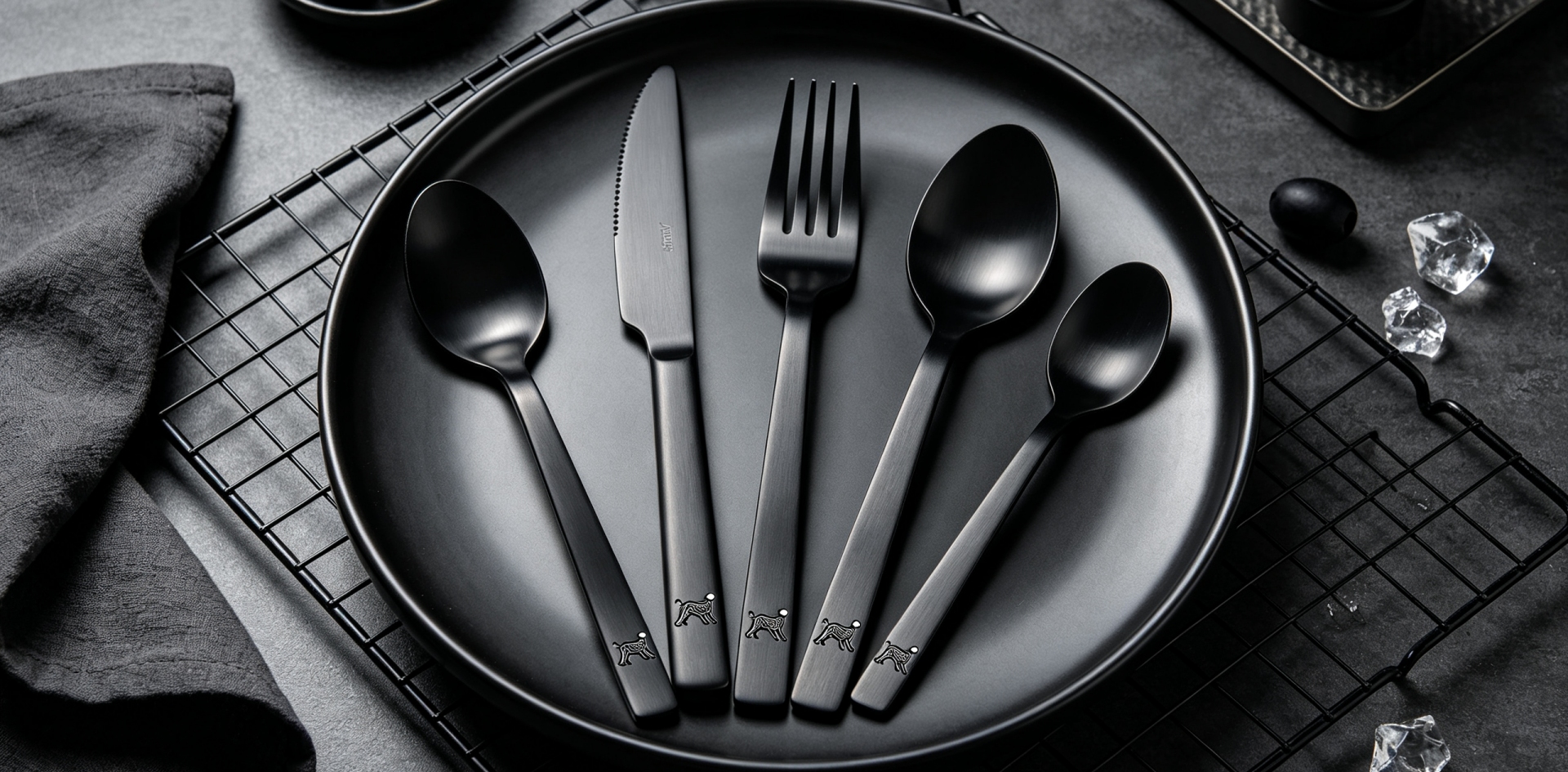
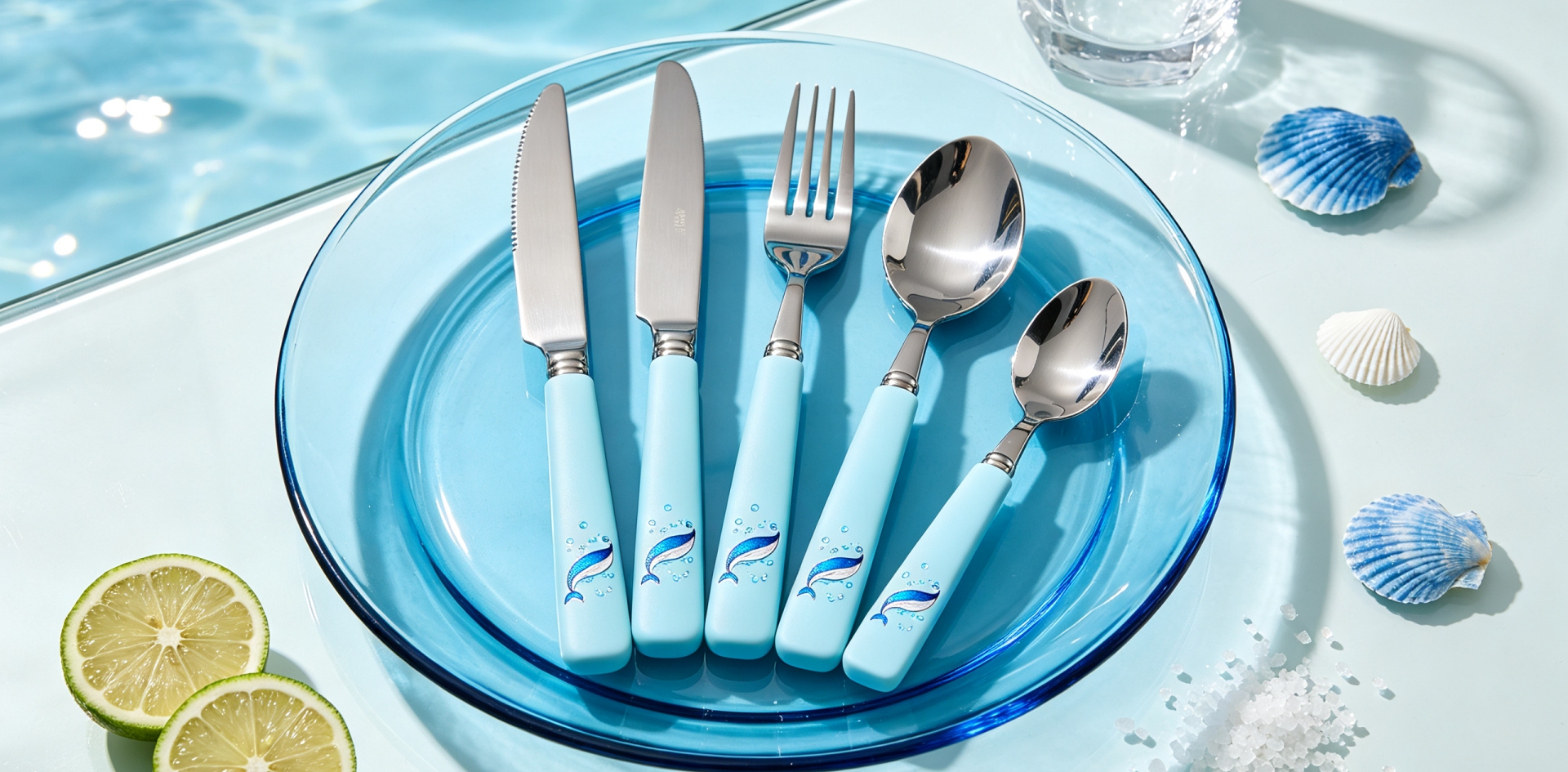
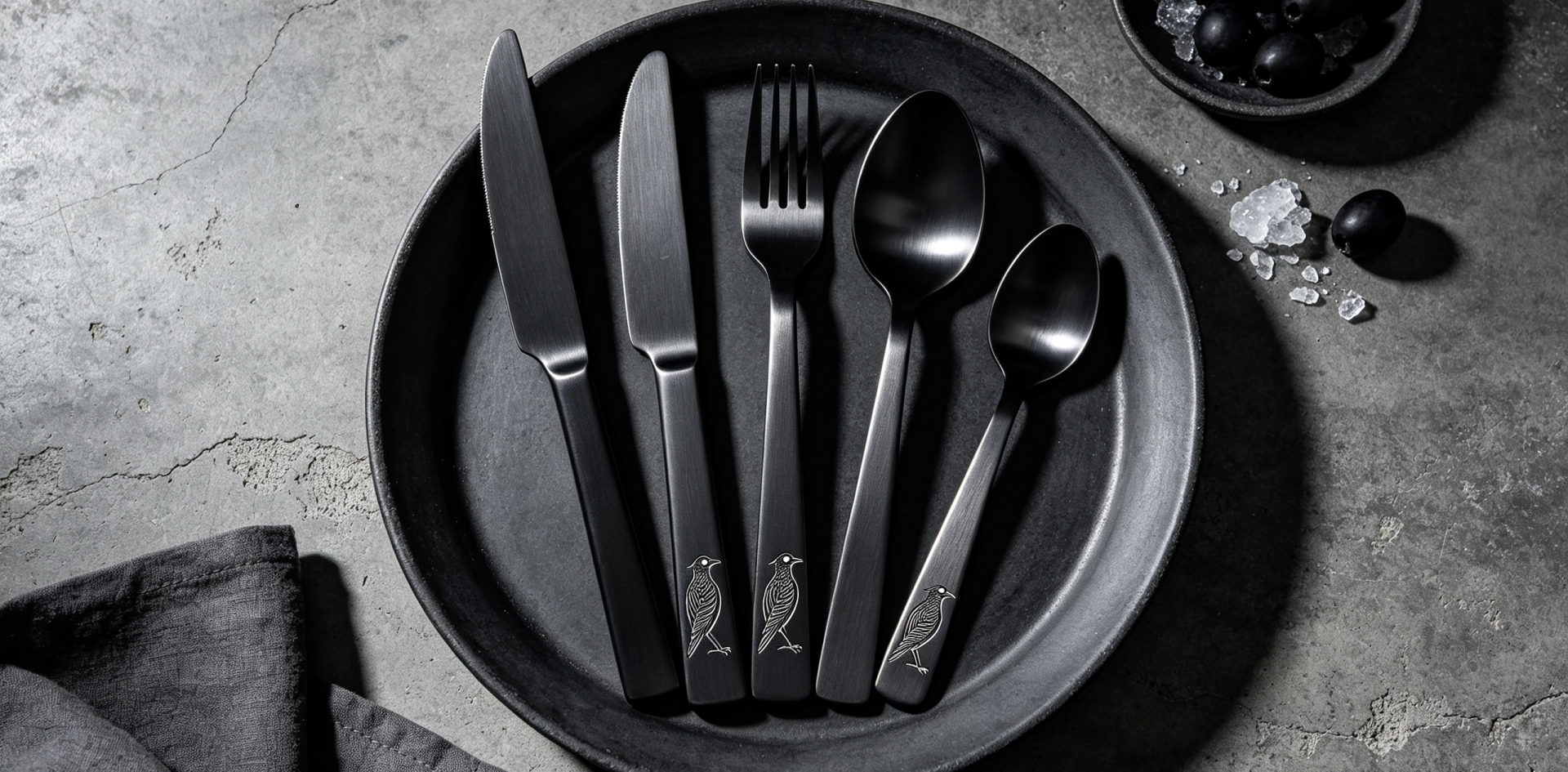
A relatively slim handle can create a lighter and more delicate visual impression. A thicker handle may appear more substantial and can give a different character to the same basic cutlery design.
For B2B buyers, these differences can be useful when positioning products for different customer groups.
A distributor may want one collection with a simple, streamlined appearance and another with a more substantial profile. A private label brand may also want its handles to have proportions that distinguish the collection from commonly available standard products.
The goal is not necessarily to choose a thicker or thinner handle. The goal is to select a proportion that fits the product concept.
Balancing Thickness with Handle Width
Thickness and width work together to determine the overall profile of a cutlery handle.
A wide handle with a very thin profile can create a different visual effect from a narrow handle with greater thickness. Even when the overall length remains unchanged, these differences can make two products look and feel quite different.
For custom manufacturing, this relationship should be considered before the final specification is approved.
A manufacturer can evaluate the requested dimensions together rather than treating each measurement as an isolated requirement. This is especially useful when a buyer is developing several pieces that need to belong to the same collection.
Consistency Across Knives, Forks and Spoons
A complete flatware collection normally contains several different products, but customers expect them to look related.
The handle thickness of a knife, fork and spoon does not necessarily have to be identical in every technical detail. However, the proportions should normally appear intentional when the pieces are placed together.
For a private label brand, this consistency can help establish a recognizable collection.
When developing a new range, buyers can therefore provide the manufacturer with the complete group of products they want to develop. This allows the different pieces to be considered as one product family rather than as separate items.
Handle Thickness and Product Positioning
Different market segments can have different expectations regarding the appearance of stainless steel cutlery.
A minimalist collection may benefit from a refined and relatively slim profile. A more traditional or substantial collection may call for stronger-looking proportions.
For distributors, this creates an opportunity to develop product ranges that serve different price and style positions.
Rather than changing only the surface finish, a brand can work with different design proportions to create meaningful distinctions between collections.
This can be particularly useful when a company wants to offer several stainless steel flatware lines without making every product completely different.
Custom Specifications for OEM Projects
OEM manufacturing allows a buyer to define specific requirements for the finished product.
If handle thickness is important to the design, it can be included as part of the technical specification together with overall length, width, material, finish and other product details.
This is particularly useful when a buyer already has a drawing or reference sample.
The manufacturer can review the specifications and determine how the requested handle profile can be integrated into the production process.
For a new product concept, the buyer does not necessarily need to have every technical detail finalized before contacting a manufacturer. A reference product, drawing or visual direction can provide a useful starting point for discussion.
ODM Support for Developing a New Handle Profile
Not every B2B buyer has an internal product development team.
For brands that know the type of product they want but do not yet have a complete technical design, ODM manufacturing can provide a more flexible starting point.
The buyer can explain the desired market position, visual style and general product requirements. The manufacturer can then contribute practical manufacturing experience during the development process.
For cutlery handle design, this may involve reviewing proportions, comparing different profiles and determining which solution is suitable for consistent production.
This approach can be useful for brands entering the stainless steel cutlery market for the first time.
Using Reference Samples Effectively
A reference sample can communicate many details that are difficult to explain with words alone.
If a buyer likes the handle profile of an existing product but wants a different length, finish or thickness, the sample can be used as a starting point for discussion.
The manufacturer can then identify which characteristics need to remain and which should be changed.
For larger B2B projects, it is helpful to clearly identify which parts of the reference product are important. A buyer may want to keep the general handle shape while changing the thickness, or retain the proportions while developing a different surface finish.
Clear communication at this stage can make the development process more efficient.
Why Samples Still Matter
Even when all dimensions are documented, a physical sample can provide useful information before mass production.
A sample allows the buyer to examine the handle profile from different angles and compare it with the rest of the collection.
It can also help the product team confirm whether the visual proportion matches the intended market position.
For OEM and private label projects, this validation step can be particularly valuable because the final product is often intended for repeated production rather than a one-time purchase.
Once the design is approved, the confirmed specification can become the reference for future bulk orders.
Planning a Complete B2B Cutlery Range
Handle thickness is only one element of a successful stainless steel cutlery program, but it demonstrates why detailed product specifications matter in B2B manufacturing.
A professional collection is built from many individual decisions: the proportions of the handle, the dimensions of the functional area, the surface treatment, the overall design and the relationship between different pieces.
When these elements are considered together, a manufacturer can produce a collection that feels consistent from one item to another.
For wholesalers and distributors, this consistency can make the range easier to present to customers. For private label brands, it can contribute to a more recognizable product identity.
Homefelt has more than 40 years of experience in stainless steel cutlery manufacturing and works with international brands, wholesalers, distributors and other B2B customers. The product range includes stainless steel knives, forks, spoons and complete flatware sets, with OEM, ODM and private label manufacturing available for suitable projects.
If your company is developing a new cutlery collection, you can provide the desired handle dimensions, reference samples, drawings or general design direction. Estimated quantities and target markets can also help the manufacturer understand the project and prepare a more relevant proposal.
For buyers who already have detailed specifications, the next step can be a product review and quotation. For buyers who have only a concept, a reference product or initial sketch can be enough to begin the conversation.
Small specifications can have a surprisingly large effect on the final appearance of a cutlery collection. By defining these details carefully before bulk manufacturing, B2B brands can create products that are more consistent with their intended market and easier to develop into a long-term product range.
Request a Custom Stainless Steel Cutlery Quotation
Discuss OEM Cutlery Manufacturing for Your Brand
Finition des Bords des Couverts Inox : Un Détail Important pour le B2B
Couverts Inox à Manche Creux ou Plein : Guide pour Acheteurs B2B
Related Article