
Stainless Steel Cutlery Lifecycle Planning for B2B Brands
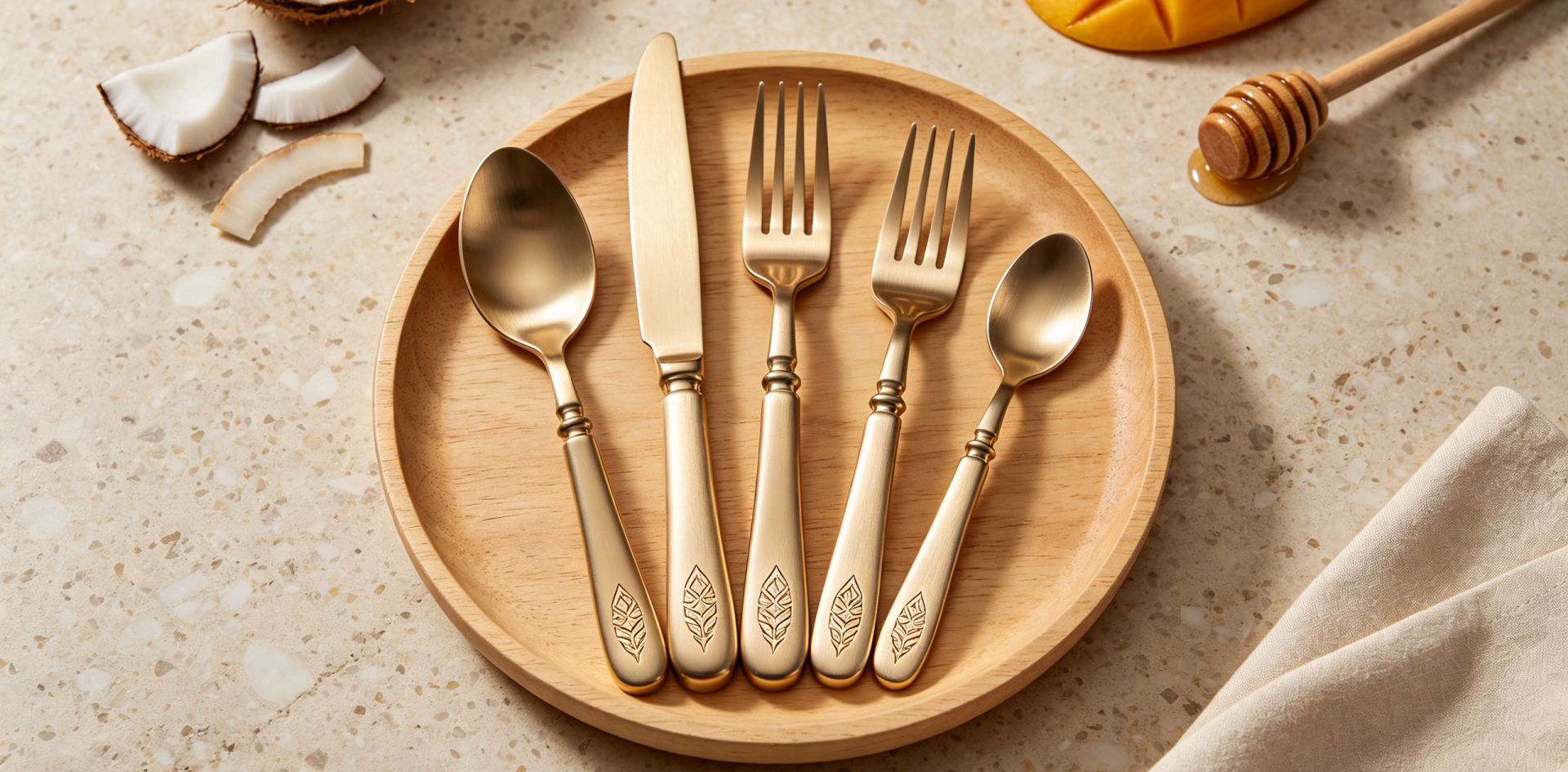
Stainless Steel Cutlery Lifecycle Planning for B2B Brands
A successful stainless steel cutlery product is rarely developed for only one order. For many B2B brands, wholesalers and distributors, a new knife, fork or spoon may become part of a product range that remains active for several years.
This means product planning should not stop when the first production order is completed.
From the initial product concept to market launch, regular sales and future product updates, every stage can benefit from clear planning. For businesses sourcing stainless steel cutlery from a professional factory, thinking about the product lifecycle at an early stage can make future cooperation easier.
What Is a Stainless Steel Cutlery Product Lifecycle?
A product lifecycle describes the different stages a stainless steel cutlery product may pass through during its commercial life.
A typical project can begin with an idea or market requirement. The customer then develops the product with the manufacturer, confirms the specifications and moves into production. After launch, the product may remain active for a long period before the brand eventually updates or replaces it.
Not every cutlery product follows exactly the same path.
A private label brand may keep a classic stainless steel spoon in its collection for many years, while another brand may frequently introduce new knife, fork and spoon designs.
Understanding this difference helps B2B buyers communicate their expectations to the factory from the beginning.
Planning Before the First Stainless Steel Cutlery Order
The lifecycle of a product begins before mass production.
When a buyer approaches a stainless steel cutlery factory, it is useful to explain not only the immediate order quantity but also the intended role of the product.
For example, a customer may be developing a flagship cutlery collection, a mid-range product series or a new private label range.
These different objectives can influence decisions about product design, customization, packaging and future manufacturing.
A factory that understands the intended product direction can provide more useful support than one that only focuses on the first shipment.
Building a Product That Can Remain Relevant
A stainless steel cutlery design may remain in a catalog for a long time.
For this reason, B2B customers often need to consider whether the product fits their brand identity and target market beyond the initial launch.
A dinner fork, table knife or spoon may become a core item in the customer's range. If the design remains commercially relevant, the product can continue to support the brand without requiring frequent changes.
This is one reason product development should balance current market preferences with practical long-term usability.
For OEM and ODM projects, the manufacturer can discuss the customer's product concept and help translate the requirements into a manufacturable stainless steel cutlery product.
Managing an Active Product
Once a stainless steel cutlery product enters regular sales, the manufacturer's role does not necessarily end.
The customer may need additional production, new packaging arrangements, updated product information or related cutlery pieces.
A long-term manufacturing relationship allows these discussions to take place within the context of the existing product.
For example, a brand may have a successful stainless steel spoon and later decide to introduce a matching fork and knife. The new products can be developed with the existing collection in mind.
This creates a more connected product strategy without requiring the brand to start from zero for every new item.
When a Product Needs an Update
Market requirements can change over time.
A customer may decide to refresh a cutlery collection because of changes in its brand image, target market or sales channel. Sometimes the product itself remains suitable, while only selected elements need to be updated.
A manufacturer with experience in custom stainless steel cutlery can discuss these changes with the customer and determine which parts of the product need to be reconsidered.
The objective is not to change a successful product simply for the sake of change. Instead, updates can be considered when they provide a clear business or product-development purpose.
This approach can help brands maintain a stable collection while allowing room for improvement.
Lifecycle Planning for Private Label Cutlery
Private label brands often have a particularly strong interest in lifecycle planning because their stainless steel cutlery products represent their own brand identity.
A private label collection may contain several knives, forks and spoons with a coordinated design language.
When planning such a collection, the brand can consider which products are expected to remain core items and which products may be introduced later.
The factory can then understand the wider development direction rather than treating each product as an unrelated project.
For a growing brand, this can make future product discussions more efficient.
The Role of an Experienced B2B Factory
Product lifecycle planning requires more than manufacturing capacity.
The factory needs to understand custom product requirements, communicate clearly with international buyers and manage different stages of product development.
For B2B customers, this can be particularly valuable when a product remains active for several years.
An experienced stainless steel cutlery manufacturer can work with customers on new product development while also supporting established products.
Homefelt factory specializes in stainless steel knives, forks, spoons and complete cutlery sets for B2B customers.
We provide OEM, ODM and private label manufacturing for wholesalers, distributors, importers, retailers and brands. Customers can work with us to develop stainless steel cutlery according to their product requirements, target market and business plans.
Our one-stop service can include product design, customization, packaging, transportation and other related support. We can also discuss a dedicated service package according to each customer's actual situation rather than applying the same solution to every project.
For customers building long-term product lines, this means the cooperation can continue beyond the first order.
Developing Together with the Customer
A strong B2B manufacturing relationship can evolve as the customer's business develops.
A customer may initially require a small range of stainless steel cutlery and later introduce additional products, new collections or different market-specific designs.
As these requirements change, the factory can continue supporting product development and manufacturing according to the customer's plans.
This is particularly important for brands that want a stable manufacturing partner rather than a supplier focused only on individual transactions.
At Homefelt, our goal is to build long-term cooperation with customers and grow together as their stainless steel cutlery business develops.
How Buyers Can Discuss Lifecycle Requirements with a Factory
When requesting a quotation for a new stainless steel cutlery project, buyers can provide more than product specifications.
It can be useful to explain the expected market, product positioning, estimated sales channel, initial order and potential future development.
This information helps the manufacturer understand whether the project is intended as a one-time purchase or as part of a longer product program.
For example, a buyer planning a long-term private label collection may need different support from a wholesaler purchasing a standard product for immediate distribution.
The more clearly the project direction is communicated, the easier it becomes for both sides to discuss suitable manufacturing solutions.
A Long-Term Approach to Stainless Steel Cutlery
Stainless steel knives, forks and spoons are practical products, but successful B2B cutlery programs involve much more than producing finished pieces.
Product development, manufacturing, customization, packaging, transportation and future product planning can all form part of the relationship between a brand and its factory.
When these elements are considered together, the customer can develop a more structured product strategy.
For wholesalers and distributors, this can support a stable assortment. For private label brands, it can help build a recognizable collection. For importers, it can create a clearer framework for long-term cooperation with the manufacturer.
The right factory can therefore become part of the product's entire commercial lifecycle rather than simply the source of the first shipment.
If you are planning a new stainless steel cutlery collection, it is worth discussing both your immediate requirements and your longer-term product plans with the factory before production begins.
Stainless Steel Cutlery Capacity Planning for Growing B2B Brands
Sustainable Stainless Steel Cutlery for B2B Brands
Related Article



