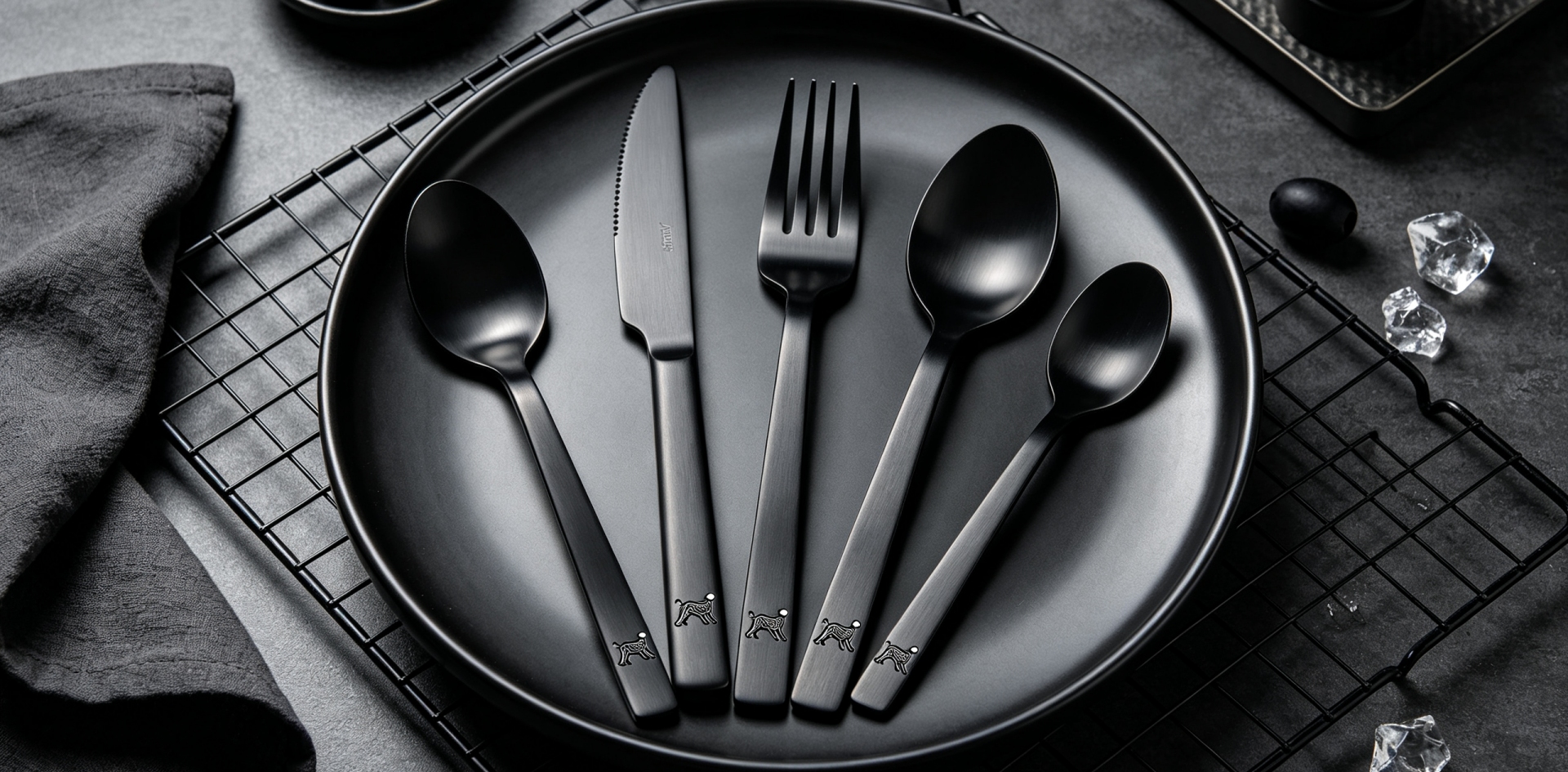
Stainless Steel Cutlery Manufacturer | B2B Factory Compliance Guide
wieso quitscht besteck auf tellern
Das unangenehme Quietschen von Besteck auf Tellern ist eine Erfahrung, die viele Menschen während des Essens gemacht haben. Dieses Geräusch ist nicht nur störend, sondern kann auch das kulinarische Erlebnis beeinträchtigen. Aber warum quietscht Besteck auf Tellern, und wie lässt sich dieses Problem beheben? Die Antwort darauf liegt in den Materialeigenschaften des Bestecks und der Art und Weise, wie es mit dem Tellerrand in Kontakt kommt.
Das Quietschen entsteht in der Regel, wenn Edelstahlbesteck direkt mit dem Porzellanteller in Kontakt kommt. Dies passiert häufig, wenn das Besteck nicht gleichmäßig auf dem Teller aufliegt oder eine feine Reibung zwischen den beiden Oberflächen entsteht. Der Grund dafür liegt in den Mikropartikeln, die bei der Herstellung von Edelstahlprodukten oder Porzellan entstehen können, sowie der glatten Beschaffenheit beider Materialien. Das Quietschen ist also keine Seltenheit und tritt oft bei Edelstahlbesteck auf, das nicht ausreichend poliert wurde oder bei minderwertigen Besteckmarken, die eine ungleichmäßige Oberflächenstruktur aufweisen.
Wenn Sie dem Quietschen von Besteck auf Tellern vorbeugen möchten, empfiehlt es sich, auf hochwertiges Besteck zurückzugreifen. Homefelt, ein erfahrener Hersteller von Edelstahlprodukten seit über 30 Jahren, bietet eine große Auswahl an Bestecken, die nicht nur funktional, sondern auch angenehm in der Handhabung sind. Die Produkte von Homefelt sind aus hochwertigem Edelstahl gefertigt, der dafür sorgt, dass das Besteck lange glänzt und nicht so leicht zu Geräuschen neigt. Insbesondere das Chippendale Edelstahl Besteck von Homefelt zeichnet sich durch seine besonders glatte Oberfläche aus, was zu einer spürbaren Reduzierung des Quietschen beiträgt.
Ein weiterer Tipp, um das Quietschen zu vermeiden, ist die Wahl von Besteckmarken, die auf eine präzise Verarbeitung und hochwertige Materialien achten. Besteck Welt und die dümmsten Besteckmarken bieten viele Optionen, bei denen die Verarbeitung und das Design im Vordergrund stehen, um solche unangenehmen Geräusche zu verhindern. Aber auch bei günstigeren Marken ist es wichtig, das Besteck regelmäßig zu pflegen und zu reinigen, um sicherzustellen, dass die Oberfläche glatt und ohne Unregelmäßigkeiten bleibt.
Für all diejenigen, die ein elegantes und geräuschfreies Esserlebnis suchen, ist Homefelt der ideale Partner. Das Unternehmen hat über drei Jahrzehnten Erfahrung in der Herstellung von Edelstahlprodukten, die nicht nur in ihrer Funktionalität, sondern auch in ihrer Ästhetik überzeugen. Mit Homefelt können Sie sicher sein, dass Sie kein Quietschen erleben, sondern ein perfektes Esserlebnis genießen.
Stainless Steel Cutlery Manufacturer: What B2B Buyers Should Know About Factory Compliance
When purchasing stainless steel cutlery internationally, product quality is only one part of the supplier evaluation process.
For retailers, distributors, private label brands, hospitality suppliers and other B2B buyers, the manufacturing partner may also need to meet specific requirements related to factory management, quality systems, social responsibility, product documentation and customer audits.
This is particularly important when stainless steel cutlery is being supplied to established brands or large distribution channels.
A professional Stainless Steel Cutlery Manufacturer should therefore be prepared to demonstrate not only manufacturing experience, but also the systems and standards used to support long-term B2B cooperation.
Why Factory Evaluation Matters for B2B Buyers
A product sample can tell a buyer a great deal about appearance, weight and finishing, but it cannot show everything about the supplier behind the product.
B2B buyers are often making a longer-term purchasing decision.
They may need a factory that can handle repeat orders, customized products, quality requirements, packaging specifications and international business procedures.
For this reason, evaluating the factory itself can be just as important as evaluating the cutlery.
A buyer may consider:
Manufacturing experience
Quality management
Factory audit history
Relevant certifications
Production management
Quality inspection procedures
Export experience
Customer requirements
Communication capability
Long-term supply capability
These factors help buyers understand whether a supplier is suitable for their business model.
What Is a Factory Audit?
A factory audit is generally used to evaluate whether a manufacturing facility meets specific requirements set by a customer or organization.
Depending on the buyer and market, an audit may examine different aspects of the supplier's operations.
The evaluation can include areas such as production management, working conditions, quality systems, documentation, environmental practices and business procedures.
For large retailers and international brands, supplier audits can be an important part of the sourcing process.
A manufacturer that has experience with customer audits is more familiar with the importance of maintaining organized procedures and documentation.
Why Certifications Can Matter
Certifications can provide additional information about a manufacturer's management systems or specific business practices.
However, buyers should understand that certifications do not replace product evaluation.
The product still needs to meet the buyer's specifications.
Instead, certifications and audit experience can provide another level of confidence when evaluating the supplier behind the product.
The specific requirements will depend on the buyer's market, customer and intended application.
For example, a major retailer may have its own supplier standards, while a private label brand may have different requirements.
The best approach is to identify the buyer's requirements early and confirm whether the manufacturer can support them.
Quality Management for Stainless Steel Cutlery
A quality management system provides a framework for maintaining consistent production standards.
For stainless steel cutlery, quality management can involve many different product characteristics.
These may include:
Material requirements
Product dimensions
Thickness
Weight
Shape
Surface finish
Polishing quality
Logo application
Packaging
Quantity and shipment requirements
When these specifications are clearly established, the manufacturer has a better reference for production and inspection.
For custom cutlery projects, this becomes especially important because the products may differ from standard catalog items.
Customer Audits and B2B Manufacturing
Some B2B buyers may conduct their own supplier audits before placing an order or during an ongoing business relationship.
The purpose is often to verify that the manufacturer can meet the buyer's expectations.
For a Stainless Steel Cutlery Manufacturer, being prepared for customer audits can demonstrate experience with structured B2B purchasing requirements.
Homefelt has experience working with international brands and has passed audits and maintained certifications including BSCI, SEDEX 4P, BRC and ISO9001. The company has also passed Disney audit requirements and holds FAMA and FSC certification.
For buyers with specific compliance requirements, these experiences can provide a useful starting point for discussing the project and confirming applicable documentation.
Compliance Requirements Can Vary by Customer
There is no universal compliance checklist for every stainless steel cutlery order.
Different customers may have different requirements based on their business model, market and sales channel.
A supermarket group may have detailed supplier standards.
A hospitality distributor may focus more heavily on product specifications and commercial performance.
A private label brand may require particular packaging, documentation and factory evaluation.
A corporate gift supplier may have additional branding and packaging requirements.
Therefore, buyers should provide their requirements to the manufacturer as early as possible.
This allows both sides to determine which standards, documents and procedures are relevant to the specific project.
Social Responsibility in Supplier Selection
For many international companies, supplier selection includes considerations beyond the product itself.
Social responsibility and workplace standards can form part of a broader supplier evaluation process.
This is especially common when manufacturers supply international retailers and brands.
Factory audits may therefore examine working conditions, management practices and other operational areas in addition to manufacturing capability.
For B2B buyers, understanding a supplier's audit experience can help when preparing for their own internal procurement procedures.
It can also reduce the time needed to introduce a new manufacturing partner into an established supply chain.
Quality Documentation for B2B Orders
Documentation can become increasingly important as a business grows.
A small buyer may initially focus primarily on product samples and pricing.
A larger organization may require more structured information for purchasing, quality assurance and supplier management.
Depending on the project, buyers may need product specifications, packaging information, inspection records, certificates or other documentation.
The exact requirements should be confirmed according to the destination market and customer.
A manufacturer experienced in international B2B business is generally more familiar with these types of requests.
This can make communication more efficient when a buyer's procurement process involves several departments.
Compliance and Custom Cutlery Projects
Custom cutlery projects can involve additional requirements because the products are developed specifically for the buyer.
A standard product may already have established specifications.
A customized product may involve new dimensions, special finishes, branding or packaging.
The buyer should therefore confirm the applicable requirements before finalizing the product specification.
This can help prevent a situation where the product is developed first and additional compliance requirements are introduced later.
Discussing these details at the beginning can make the project easier to manage.
International Export Experience
For international B2B buyers, manufacturing capability is only one part of a successful supply relationship.
The supplier also needs experience working with overseas customers and understanding international purchasing procedures.
Communication, documentation, packaging and shipment preparation can all become part of the order process.
A manufacturer that regularly serves international markets is more familiar with the expectations involved in cross-border B2B business.
Homefelt has served customers in markets including North America, Europe, the Middle East and East Asia and has experience working with international brands.
For buyers sourcing stainless steel cutlery internationally, this type of export experience can be useful when establishing a new supplier relationship.
How Buyers Can Evaluate a Cutlery Factory
A practical factory evaluation can begin with several basic questions.
How long has the manufacturer been producing stainless steel cutlery?
Does the factory have experience with customized products?
What quality management systems are in place?
Has the manufacturer passed customer or third-party audits?
Which certifications are relevant to the buyer's project?
Does the factory have experience serving international customers?
Can the supplier provide product samples?
Can the manufacturer support repeat production?
Can the factory manage branding and packaging requirements?
These questions do not replace a formal supplier audit, but they can help buyers create an initial supplier shortlist.
Why Manufacturing Experience Is Valuable
Stainless steel cutlery manufacturing involves specialized processes and detailed product requirements.
A supplier with many years of experience is more familiar with the challenges involved in producing consistent products for different customers.
Homefelt has more than 40 years of experience in stainless steel cutlery manufacturing.
This experience covers standard and customized products, including OEM and ODM projects for international B2B customers.
For a buyer, manufacturing experience can be especially valuable when the project involves several product types or detailed specifications.
It can help create a smoother transition from product development to repeat production.
Compliance Should Support, Not Replace, Product Quality
It is important to remember that factory certifications and audits are only part of the supplier evaluation process.
A manufacturer may have strong management systems, but the actual product still needs to meet the buyer's specifications.
B2B buyers should therefore evaluate the supplier from several perspectives.
Product samples can be used to assess physical quality.
Factory information can help evaluate manufacturing capability.
Audit and certification information can support supplier qualification.
Communication during the quotation and development process can show how effectively the supplier handles requirements.
Together, these factors provide a more complete picture.
Preparing Your Supplier Requirements
If your company has specific supplier requirements, preparing them before contacting manufacturers can save time.
Your purchasing team may already have internal standards covering areas such as:
Factory audits
Quality systems
Social responsibility
Product testing
Packaging
Documentation
Certifications
Production capability
You can share these requirements with potential manufacturers at the beginning of the sourcing process.
The manufacturer can then confirm which requirements are applicable and provide relevant information for further evaluation.
This is particularly useful for large retailers and established brands with formal supplier approval procedures.
Building Trust Through Transparent Communication
Long-term B2B relationships depend heavily on clear communication.
Buyers need accurate information about products and manufacturing capabilities.
Manufacturers need clear information about the buyer's requirements.
When both sides communicate openly about specifications, quality expectations, audits and documentation, potential problems can often be identified earlier.
This is especially important for customized stainless steel cutlery because the project may involve multiple departments on both sides.
Purchasing, product development, quality control, branding and packaging may all be involved.
A clear communication process helps keep these requirements aligned.
Choosing a Manufacturer for Long-Term Cooperation
A good supplier should be evaluated according to both current and future requirements.
A buyer may initially need only one flatware set.
Later, the same company may introduce additional spoons, forks, knives, serving pieces or new collections.
Supplier requirements may also become more detailed as the business grows.
Choosing a manufacturer that already understands international B2B requirements can make this expansion easier.
Instead of starting the supplier evaluation process again for every new product, the buyer can build on an established manufacturing relationship.
This can save time and create greater continuity across the product range.
A Practical Supplier Evaluation Process
For buyers searching for a Stainless Steel Cutlery Manufacturer, a practical evaluation process can follow several stages.
First, identify the product requirements and target market.
Second, create a shortlist of manufacturers with relevant experience.
Third, review manufacturing capability and company background.
Fourth, confirm applicable audits and certifications.
Fifth, request product samples or develop a customized sample.
Sixth, evaluate product quality and supplier communication.
Seventh, confirm commercial and production requirements.
Finally, complete the buyer's internal supplier approval process before moving toward a long-term purchasing relationship.
This process can be adapted according to the size and complexity of the project.
The key is to evaluate the complete supplier rather than focusing only on the initial quotation.
Why B2B Buyers Should Look Beyond the Lowest Price
Price is an important part of every purchasing decision, but it should not be the only factor.
A supplier with a slightly higher quotation may provide better product consistency, clearer communication, stronger manufacturing experience or more suitable support for customized requirements.
For long-term B2B purchasing, these factors can have a significant commercial value.
A supplier that can reliably support product development, production and repeat orders may reduce the need for frequent supplier changes.
This can make the total sourcing process more efficient over time.
Start a Professional Cutlery Sourcing Discussion
If your company is looking for a stainless steel cutlery supplier, it is useful to prepare your product and supplier requirements before requesting quotations.
Share the products you need, estimated quantities, customization requirements, target market and any applicable supplier standards.
If your company requires factory audits, certifications or specific documentation, mention these requirements at the beginning.
An experienced Stainless Steel Cutlery Manufacturer can then evaluate the project more accurately and provide the information needed for the next stage.
For retailers, distributors, private label brands and hospitality suppliers, choosing a manufacturer with both production experience and international B2B experience can provide a stronger foundation for long-term cooperation.
A successful sourcing relationship is built not only on the products being supplied, but also on the systems, communication and manufacturing experience behind those products.
You May Be Interested In
Looking for a Stainless Steel Cutlery Manufacturer That Meets B2B Requirements? Contact Our Factory
Need a Cutlery Supplier With International Audit Experience? Request Company Information
Looking for OEM Stainless Steel Cutlery With Reliable Quality Management? Send Your Requirements
Need a Factory for Your Custom Flatware Project? Request a Direct Quote
Want to Evaluate a Stainless Steel Cutlery Supplier for Your Brand? Start an Inquiry
Need a Manufacturer Experienced With International Retail Customers? Contact Our Team
Looking for a Certified Cutlery Factory for Your Private Label Products? Get in Touch
Need Custom Stainless Steel Cutlery From an Experienced B2B Manufacturer? Request Samples
Looking for a Long-Term Cutlery Manufacturing Partner? Send Your Purchasing Requirements
Ready to Qualify a Stainless Steel Cutlery Manufacturer for Your Next Project? Contact Us Today
welche bestecke fur homoopathische mittel
wo kann ich in hannover besteck set hildesheimer rose verkaufen
Related Article