
Stainless Steel Cutlery Material Traceability for B2B Orders
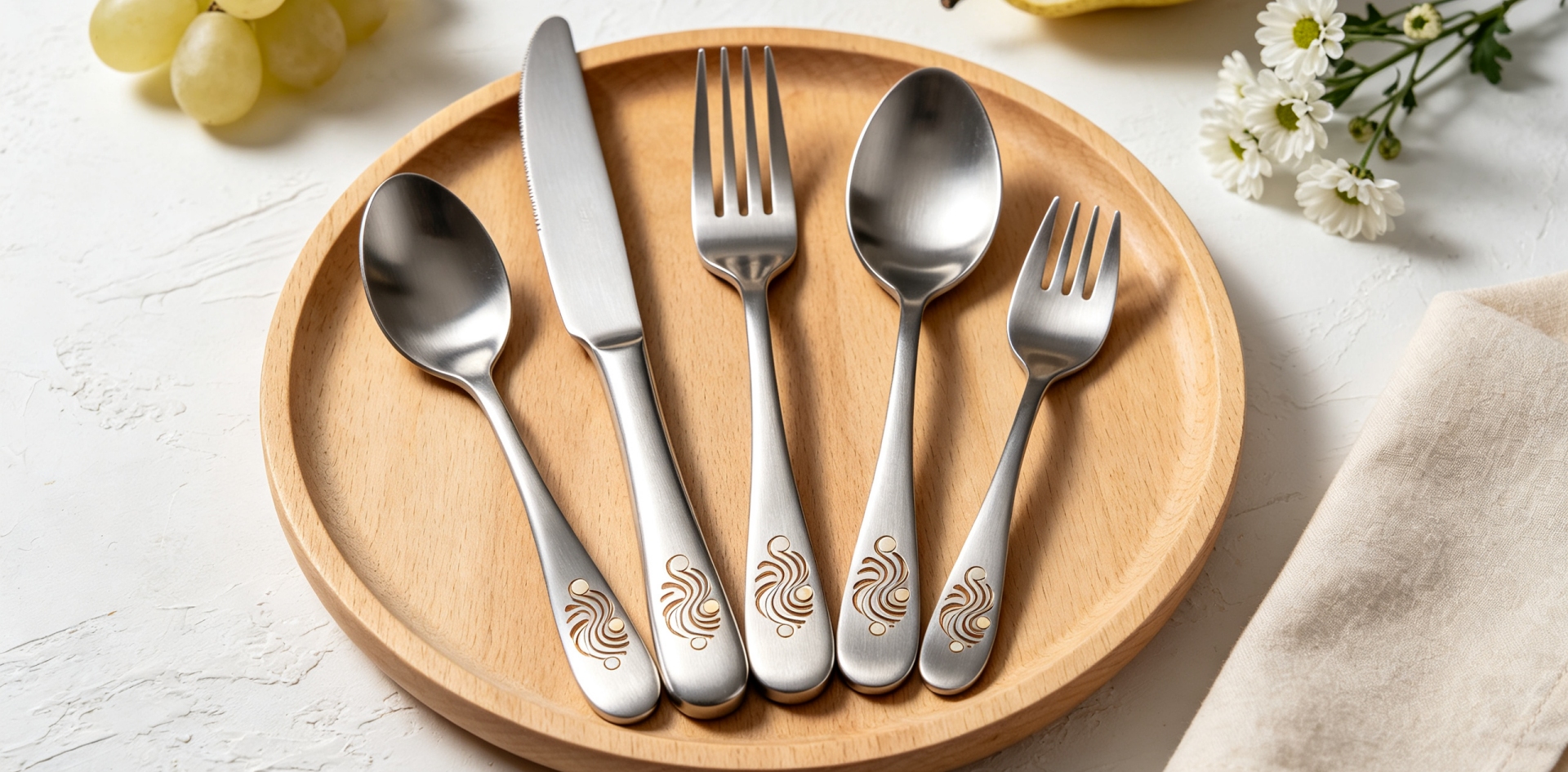
Stainless Steel Cutlery Material Traceability for B2B Orders
When a business purchases stainless steel cutlery in large quantities, the finished product is only one part of the sourcing process. For wholesalers, distributors, restaurant suppliers, retailers and private label brands, knowing how materials are managed during production can also be important.
Stainless steel cutlery may look simple, but a professional B2B order can involve many specifications, from material selection and product structure to surface finishing, customization and packaging. When a buyer needs the same product again several months later, having a clear production record can make communication and repeat manufacturing much easier.
This is where material traceability becomes valuable.
What Does Material Traceability Mean for Stainless Steel Cutlery?
Material traceability refers to the ability to connect the stainless steel used in production with relevant manufacturing records. Depending on the project, these records may include material specifications, production information, inspection records and other internal documentation.
For a B2B stainless steel cutlery manufacturer, traceability does not mean adding unnecessary complexity to every order. Instead, it provides a structured way to manage important product information throughout the manufacturing process.
This can be especially useful when a customer is developing a long-term product line or expects to reorder the same knife, fork or spoon repeatedly.
Why It Matters for B2B Buyers
A retail buyer may purchase a small quantity of cutlery for one product launch, while a distributor may purchase the same style in multiple batches. In both situations, consistency between orders is important.
A clear material management process can help a factory understand which specifications belong to a particular product. This is particularly useful when several similar stainless steel cutlery designs are being produced at the same time.
For example, a buyer may have a custom dinner fork, matching spoon and table knife. The products may have similar appearances but different technical requirements. Keeping the relevant production information organized helps reduce confusion when the collection moves from sampling to bulk manufacturing.
Material traceability can therefore become part of a broader system for managing B2B stainless steel cutlery projects.
Supporting Repeat Stainless Steel Cutlery Orders
Repeat orders are an important part of long-term B2B cooperation.
A customer may initially order a stainless steel cutlery set for one market and later expand the quantity, add new pieces or introduce another matching design. If the original project information has been properly maintained, the factory can refer back to the previous specifications when discussing the new order.
This is particularly useful for wholesalers and private label brands that need stable product lines.
Instead of starting from the beginning each time, the customer and manufacturer can communicate using existing product information as a reference. This can make repeat discussions more efficient and help both sides focus on the actual changes required for the new project.
Traceability and Custom Cutlery Manufacturing
Custom stainless steel cutlery often involves more information than standard stock products.
A customized knife, fork or spoon may include a specific material requirement, handle design, surface treatment, dimensions, logo or other product specifications. The more customized the project becomes, the more important it is for the factory to keep product information organized.
For OEM and ODM projects, material information can be managed together with the customer's product specifications. This gives the production team a clearer reference when moving from development to mass manufacturing.
For a private label customer, this approach can also support the development of a consistent product family rather than treating every order as an independent project.
Material Traceability for Stainless Steel Cutlery Collections
Many B2B customers do not purchase only one piece of cutlery. They may need a complete collection containing knives, forks and spoons with a coordinated appearance.
A collection can include different product shapes while maintaining a common material and manufacturing concept. When the customer later adds a new piece, existing project information can provide a useful reference.
For example, a buyer may first develop a dinner fork and spoon, then later add a table knife or dessert fork. Maintaining organized material and product records helps the manufacturer understand the relationship between the products.
This is one reason why an experienced stainless steel cutlery factory can provide more value than simply supplying individual finished products.
Supporting International B2B Communication
International purchasing often involves buyers, product managers, designers, quality teams and purchasing departments working together.
Different people may ask about the same stainless steel cutlery project from different perspectives. A purchasing manager may focus on quantities and pricing, while a product manager may focus on specifications and a quality team may focus on production requirements.
Clear production records can provide a common reference for communication.
For Chinese stainless steel cutlery manufacturers working with overseas customers, organized information is particularly helpful because many projects are developed remotely. Clear communication helps both sides reduce misunderstandings during product development and repeat production.
How a Factory Can Manage Material Information
Material traceability starts with organized internal procedures.
For a stainless steel cutlery manufacturer, relevant information may be connected with product codes, production batches and project specifications. The exact documentation depends on the customer's requirements and the type of project.
A professional factory can establish internal processes to keep important information associated with the correct product.
This becomes especially useful when the factory is producing stainless steel cutlery for multiple customers, markets and brands at the same time.
For B2B buyers, the important point is not simply whether a supplier uses the word “traceability.” It is whether the factory has a practical system for managing product and production information.
Choosing a Stainless Steel Cutlery Factory for Long-Term Cooperation
When selecting a supplier, buyers often focus on price, product appearance, MOQ and production capability. These are important, but long-term cooperation also depends on how well the supplier manages product information.
A factory that understands repeat orders, custom specifications and product development can become a more useful resource as a customer's business grows.
For wholesalers and distributors, this can help when expanding an existing range. For private label brands, it can support product consistency. For importers, it can make communication easier when several products are developed at the same time.
Homefelt factory focuses on stainless steel knives, forks, spoons and cutlery sets for B2B customers. We provide OEM, ODM and private label manufacturing, together with customized support according to each customer's project requirements.
Our one-stop service can cover product customization, design coordination, packaging solutions, transportation arrangements and other related services. Rather than offering exactly the same solution to every customer, we can discuss the customer's market, product range, order requirements and business plans before developing a suitable service package.
The goal is not only to complete one stainless steel cutlery order, but also to support customers as their product lines and businesses develop.
For buyers planning long-term cooperation, material management and production records are only one part of the overall supplier evaluation. Product development capability, communication, customization support and manufacturing experience should also be considered together.
If you are developing a new stainless steel cutlery collection, sourcing a reliable flatware manufacturer, or looking for an OEM/ODM partner for bulk production, sharing your product requirements with the factory at an early stage can make the project easier to evaluate.
Stainless Steel Cutlery Tooling Maintenance for B2B Production
Stainless Steel Cutlery Transition Consistency for B2B
Related Article



