Stainless Steel Cutlery Manufacturer | Quality & Repeat Order Consistency
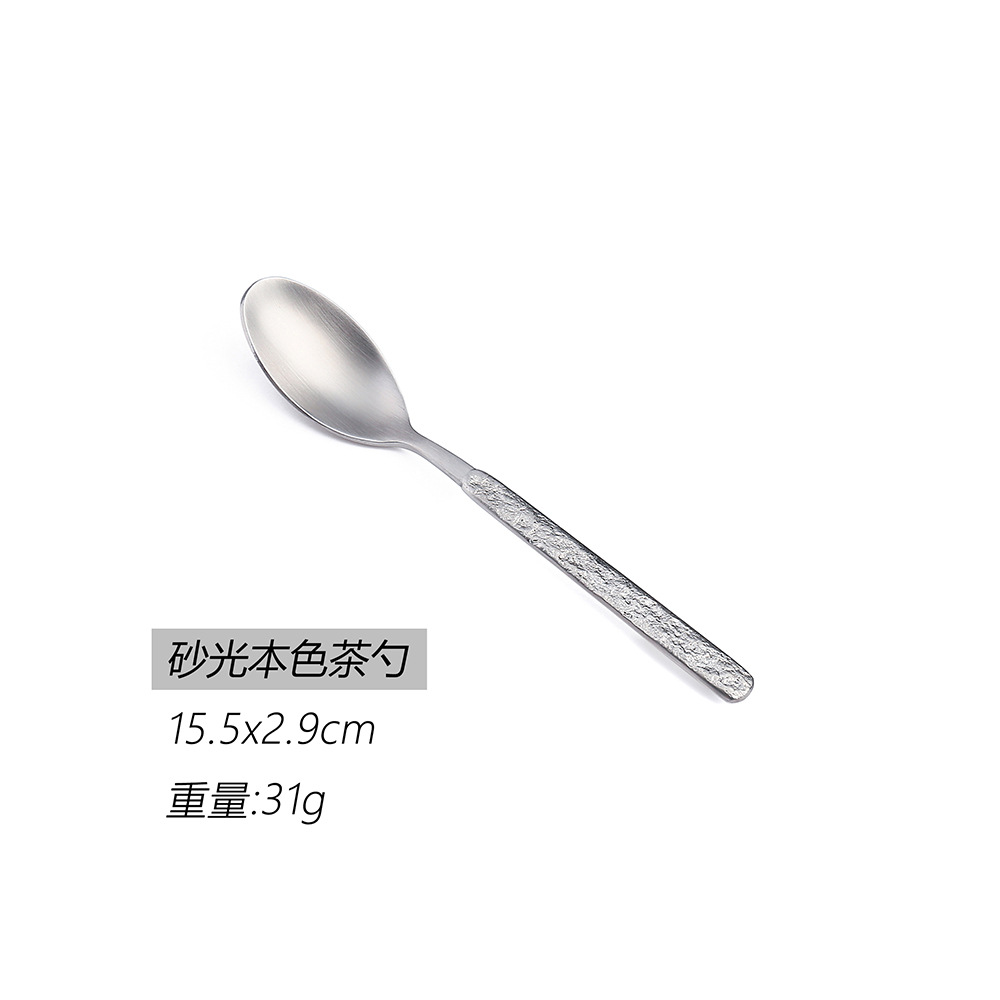
Was ist besser, WMF oder Zwilling Besteck?
Bei der Auswahl von Bestecken kommt oft die Frage auf: Welches Besteck ist besser – WMF Besteck oder Zwilling Besteck? Beide Marken sind in der Welt des hochwertigen Bestecks bekannt und haben sich über Jahre hinweg einen exzellenten Ruf erarbeitet. Doch was macht die beiden Hersteller so besonders und in welchen Bereichen unterscheiden sie sich?
WMF Besteck ist weltweit bekannt für seine hervorragende Qualität und innovative Designs. Die Marke bietet eine breite Auswahl an Besteckserien, die sowohl für den täglichen Gebrauch als auch für festliche Anlässe geeignet sind. Besonders beliebt sind die Bestecksets von WMF, die durch ihre hochwertige Edelstahlverarbeitung und das elegante Design überzeugen. Wenn es um besteck schubladeneinsatz geht, bietet WMF ebenfalls praktische Lösungen, die Ihre Besteckaufbewahrung im Schrank optimieren. Durch die präzise Verarbeitung und die langlebigen Materialien sind WMF-Bestecke nicht nur optisch ansprechend, sondern auch besonders pflegeleicht und robust.
Im Gegensatz dazu bietet Zwilling Besteck eine edle Kombination aus traditioneller Handwerkskunst und modernen Akzenten. Zwilling Besteck ist bekannt für seine hohe Materialqualität, insbesondere für Edelstahl 18/10, der besonders widerstandsfähig ist und das Besteck lange glänzend und rostfrei hält. Zwilling Besteck hat sich in der Welt des Kochens und der Gastronomie einen Namen gemacht, da es besonders für den professionellen Einsatz geeignet ist. Ob besteck einwickeln oder in einer Aufbewahrungslösung unterbringen – Zwilling stellt sicher, dass jedes Produkt sowohl funktional als auch ästhetisch ist.
Was macht nun Homefelt zu einer ausgezeichneten Wahl? Homefelt, ein Unternehmen mit über 30 Jahren Erfahrung in der Produktion von hochwertigem Edelstahl Besteck, ist bekannt für seine exzellente Qualität und sorgfältige Fertigung. Homefelt Besteck bietet Ihnen nicht nur langlebige und schöne Designs, sondern auch eine Vielzahl von Besteckoptionen, die perfekt in Ihre Küche passen. Das Unternehmen stellt sicher, dass jedes Besteckset mit der gleichen Sorgfalt und Präzision hergestellt wird, die auch WMF und Zwilling zu den führenden Marken macht.
Abschließend lässt sich sagen, dass sowohl WMF Besteck als auch Zwilling Besteck großartige Optionen bieten, die Ihre Küche bereichern können. Wenn Sie jedoch auf der Suche nach einer markenübergreifenden Vielfalt und exzellentem Kundenservice sind, kann Homefelt Ihnen eine noch größere Auswahl an Edelstahl Besteck und praktischen Lösungen bieten.

Stainless Steel Cutlery Manufacturer: How to Maintain Consistent Quality Across Repeat Orders
For B2B buyers, the quality of the first stainless steel cutlery order is important, but maintaining that same quality on every future shipment can be even more valuable.
A retailer, distributor, restaurant supplier or private label brand may purchase the same spoon, fork, knife or flatware set several times over a period of years. If the product changes noticeably from one production batch to another, it can create problems with customer expectations, inventory management and brand consistency.
This is why choosing an experienced Stainless Steel Cutlery Manufacturer is not only about finding a supplier that can produce the required products. It is also about finding a manufacturing partner capable of maintaining stable product specifications throughout long-term cooperation.
Why Consistency Matters in B2B Cutlery Purchasing
A stainless steel spoon may look like a relatively simple product, but many details contribute to its final appearance and performance.
Material, thickness, dimensions, weight, forming, polishing, surface finish and packaging can all affect the finished product.
For a consumer purchasing one spoon, a small difference may not be obvious. For a retailer receiving thousands of pieces, however, inconsistencies can become much easier to identify.
Imagine a distributor ordering the same flatware collection several times during a year. If the handle shape, surface brightness or product weight changes between shipments, the new products may not match the existing inventory.
For private label brands, the issue can be even more important because customers expect the same product to remain consistent after they purchase it again.
A reliable manufacturing process therefore needs to focus not only on producing individual orders, but also on maintaining established specifications over time.
Keeping Approved Product Specifications Stable
One of the most important steps in repeat production is establishing clear product specifications.
Once a buyer approves a sample, the sample represents more than a visual reference. It can become an important benchmark for future production.
Specifications may include:
Product length
Product width
Material specification
Thickness
Approximate weight
Handle dimensions
Surface finish
Edge requirements
Logo position
Packaging configuration
These details help create a common reference between the buyer and manufacturer.
When the same product is ordered again, production can follow the established requirements instead of relying on a general product description.
This is especially useful for custom stainless steel cutlery because the buyer may have developed specifications specifically for their brand.
Quality Control During Production
Quality consistency begins during production rather than only at the final inspection stage.
Different production stages can influence the final result. Material preparation, forming, shaping, polishing, finishing and packaging all need to be controlled appropriately.
For a Stainless Steel Cutlery Manufacturer, quality control should therefore be considered throughout the manufacturing process.
The objective is not simply to identify defective pieces at the end. It is also to reduce the possibility of defects being created in the first place.
Production teams can pay attention to factors such as shape consistency, surface condition, dimensions and finishing quality.
When a product moves through multiple stages, maintaining clear specifications helps different production processes work toward the same final result.
Controlling Surface Finish Consistency
The surface finish is one of the most visible characteristics of stainless steel cutlery.
Depending on the product design, buyers may require a polished, mirror-like, matte or other specific appearance.
The important point is that the selected finish should remain consistent across the collection and between production batches.
For retail products, differences in brightness can be particularly noticeable when multiple pieces are displayed together.
For hospitality or foodservice products, consistent appearance also contributes to the professional presentation of the table.
When developing a custom collection, buyers should therefore confirm the desired finish during the sample stage and use the approved sample as a reference for subsequent production.
Maintaining Dimensions and Weight
Product dimensions and weight can also influence how customers perceive stainless steel cutlery.
A spoon that is slightly different in length or balance may feel different in the hand. A fork with a different handle proportion may not match the other products in the same collection.
For B2B buyers, consistency is especially important when products are sold as complete sets.
The spoon, fork and knife should look like they belong to the same collection.
This means that controlling dimensions is not simply a technical requirement. It also contributes to the overall product experience.
For custom orders, manufacturers need to work according to confirmed product specifications rather than treating each production run as a new standard product.
Quality Control for Custom Cutlery
Custom cutlery projects often involve more variables than standard products.
A buyer may request a special handle, custom dimensions, a particular finish, branded packaging or logo application.
Every additional requirement creates another point that needs to be controlled.
This is why experience matters when selecting a custom cutlery supplier.
A professional Stainless Steel Cutlery Manufacturer should be able to understand the buyer's requirements and convert them into practical production specifications.
Before mass production, important details should be confirmed clearly.
This may include product drawings, approved samples, material requirements, finish requirements, branding details and packaging specifications.
Clear communication before production can reduce misunderstandings later.
The Importance of Sample Approval
Samples are an important part of many B2B cutlery projects because they allow buyers to evaluate the actual product before committing to larger production quantities.
A sample gives buyers an opportunity to check the appearance and feel of the product.
They can examine the handle, weight, proportions, surface finish and overall presentation.
For custom projects, sample approval can also establish a reference point for future orders.
Once the sample is approved, subsequent production can be compared against the agreed requirements.
This creates a more structured process than making decisions based only on product photographs or descriptions.
Managing Repeat Orders More Efficiently
Repeat orders are an important part of long-term B2B relationships.
A buyer that has already completed product development should not need to restart the entire process every time they reorder the same product.
Stable specifications make repeat purchasing more efficient.
Once the product details, packaging requirements and branding information have been confirmed, the next order can follow the established production requirements.
This is particularly useful for distributors and retailers that need to maintain inventory throughout the year.
It also allows growing brands to increase their order quantities with greater confidence.
For manufacturers, repeat production provides an opportunity to build deeper familiarity with the buyer's product range and expectations.
Reducing Problems During Long-Term Supply
B2B purchasing decisions should consider more than the price of one shipment.
A supplier offering a competitive initial price may not necessarily be the best option if quality varies significantly between batches or communication becomes difficult during repeat orders.
Unexpected differences can result in additional inspection, customer complaints, repackaging or inventory problems.
Working with an experienced manufacturer can help reduce these risks by establishing a clearer production process from the beginning.
For buyers, the goal should be to build a supply relationship that remains reliable as order frequency and product quantities increase.
This is particularly important for private label businesses because the cutlery represents the buyer's own brand.
Supporting Brand Consistency
For a branded cutlery collection, product consistency directly affects brand perception.
Customers expect a product they purchase today to resemble the product they purchased previously.
This applies not only to the basic shape of the spoon, fork or knife, but also to the finish, branding and packaging.
A stable manufacturing relationship can therefore become part of a brand's long-term product strategy.
Instead of repeatedly searching for a new supplier, the buyer can work with a manufacturer that already understands the established product requirements.
Over time, this can make new product introductions and repeat orders easier to manage.
What B2B Buyers Should Ask a Cutlery Manufacturer
Before selecting a supplier for long-term cooperation, buyers can ask several practical questions.
Can the manufacturer produce according to approved samples?
How are custom product specifications recorded?
How are product dimensions and finishing requirements controlled?
Can the manufacturer support repeat orders for the same design?
Can the supplier manage branding and packaging requirements?
Does the manufacturer have experience with international B2B customers?
Can the supplier support additional products when the collection expands?
These questions can help buyers evaluate whether a supplier is suitable for a one-time purchase or a longer manufacturing relationship.
Why Experience Matters in Stainless Steel Cutlery Manufacturing
Manufacturing experience becomes particularly valuable when a buyer needs both customization and consistency.
An experienced factory is more familiar with the practical considerations involved in producing different cutlery shapes, finishes and configurations.
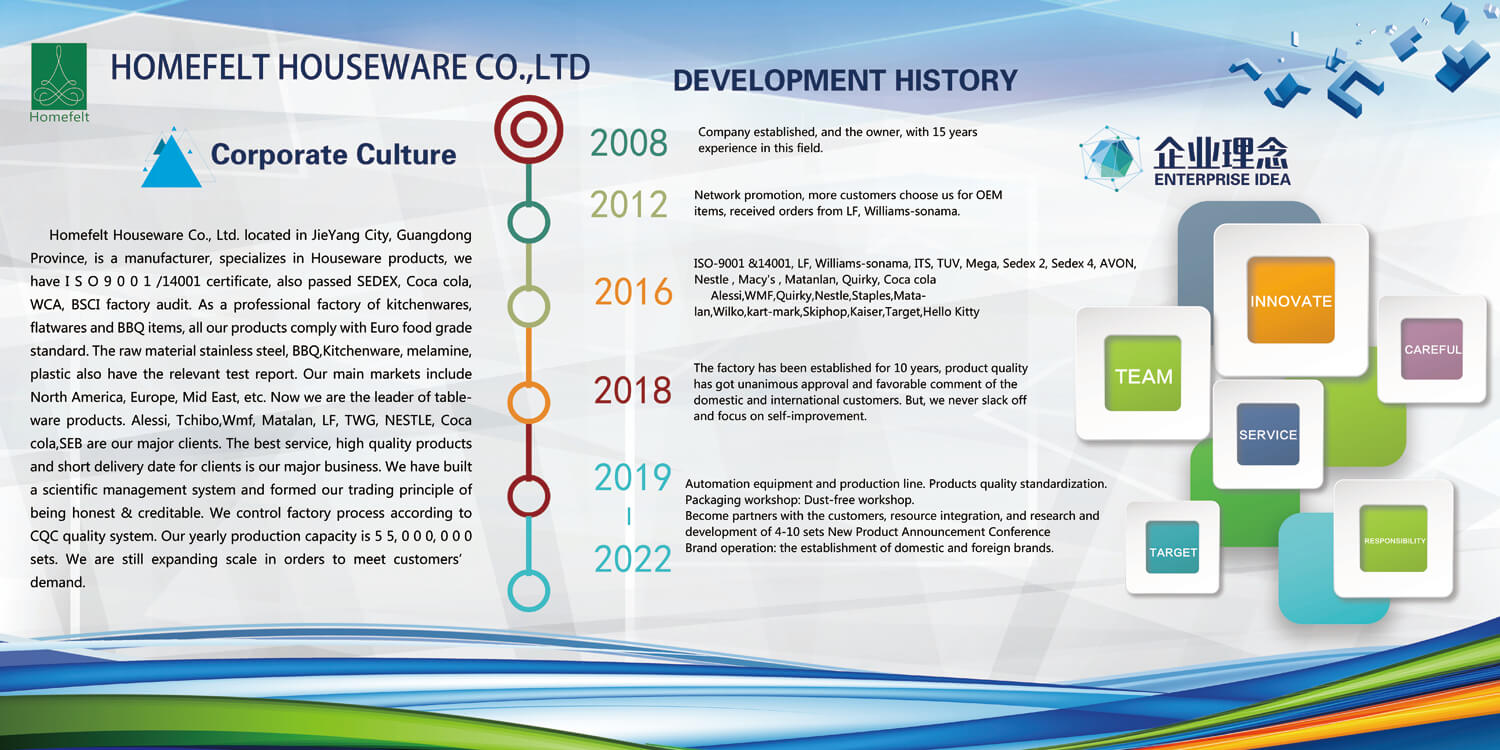
Homefelt has more than 40 years of experience in stainless steel cutlery manufacturing and has served international brands and B2B customers. Its experience includes OEM, ODM and customized cutlery projects for different markets.
For buyers looking for a long-term manufacturing partner, this type of experience can provide a useful foundation for developing and maintaining a stable product range.
The goal is to make every future order as predictable as possible.
From the first sample to repeat production, product requirements should remain clear, practical and consistent.
Building a Long-Term Cutlery Supply Relationship
The strongest B2B manufacturing relationships are built around more than individual purchase orders.
They depend on communication, product understanding, quality consistency and the ability to support changing business requirements.
A buyer may begin with one custom spoon or flatware set and later expand into a larger collection.
As the business grows, the supplier may need to support more SKUs, larger quantities, additional packaging formats or new product designs.
A capable Stainless Steel Cutlery Manufacturer should be prepared to support this development.
For buyers, selecting the right manufacturing partner at the beginning can therefore save time and reduce unnecessary supplier changes later.
A stable manufacturing relationship allows both sides to become familiar with product expectations and work more efficiently on future projects.
Planning Your Next Cutlery Order
If you are preparing a new stainless steel cutlery project, it is useful to provide as much product information as possible when contacting a manufacturer.
Product type, dimensions, material requirements, finish, estimated quantity, branding requirements and packaging preferences can all help the manufacturer understand the project.
If you already have an existing product sample or specification, this information can also be used as a reference for development or repeat production.
With clear requirements and an experienced manufacturing partner, the process becomes easier to manage from sampling through bulk production and future reorders.
For retailers, distributors, private label brands and other B2B buyers, consistent quality is not simply a manufacturing advantage. It is an important part of building a dependable product supply chain.
You May Be Interested In
Need Consistent Quality for Your Repeat Cutlery Orders? Contact Our Factory
Looking for a Reliable Stainless Steel Cutlery Manufacturer for Long-Term Supply? Send an Inquiry
Want to Develop a Custom Cutlery Product With Stable Repeat Production? Request a Quote
Need OEM Stainless Steel Cutlery With Consistent Specifications? Contact Our Team
Looking for a Factory to Support Your Growing Cutlery Collection? Get in Touch
Have an Approved Cutlery Sample and Need Repeat Production? Send Your Requirements
Need Custom Spoons, Forks or Knives for Long-Term Supply? Request a Factory Consultation
Looking for a B2B Cutlery Manufacturer for Your Brand? Start Your Project
Need Stable Production for Your Private Label Flatware? Contact Our Manufacturing Team
Ready to Build a Long-Term Stainless Steel Cutlery Supply Partnership? Send an Inquiry Today
Warum läuft Besteck in der Spülmaschine an?
Was bedeutet 800er Silber auf einem Besteck
Related Article