Stainless Steel Cutlery Range Expansion for B2B Distributors and Brands
Stainless Steel Cutlery Range Expansion: A Practical B2B Strategy for Distributors
For a distributor, a successful stainless steel cutlery product can create an opportunity to build a much broader range.
A buyer may start with one popular spoon, fork, knife or cutlery set. Once the product gains traction, customers often expect related products that match the same style and quality level. Expanding the range at the right time can therefore help a distributor serve more purchasing needs without completely changing its product direction.
However, product range expansion should be planned carefully. Adding too many unrelated items can make a catalog difficult to manage, while adding too few products may limit sales opportunities.
The key is to develop a clear product family in which different stainless steel cutlery items complement one another.
Why Expand an Existing Cutlery Range?
A distributor does not always need to search for a completely new product category to create additional sales opportunities.
If a stainless steel cutlery collection is already performing well, related products can often be added around the same design concept.
For example, a successful cutlery set can be supported by individual knives, forks and spoons. A popular tableware design can also become the starting point for additional set configurations.
This approach allows the distributor to build on existing market knowledge instead of introducing an entirely unfamiliar product.
It can also make sales communication easier because customers already understand the basic style and positioning of the collection.
Start With the Products Customers Already Need
Before expanding a range, it is useful to look at which products are already generating interest.
If customers frequently ask for additional pieces, those requests can provide valuable direction for the next products.
A distributor may discover that buyers want individual replacement pieces rather than complete sets. Another market may prefer larger sets for household use. Some customers may be interested in a different knife or spoon while keeping the same overall collection style.
These requirements can become the foundation for a more complete product range.
Instead of adding products simply to increase the number of SKUs, the range can grow according to actual customer demand.
Create a Recognizable Product Family
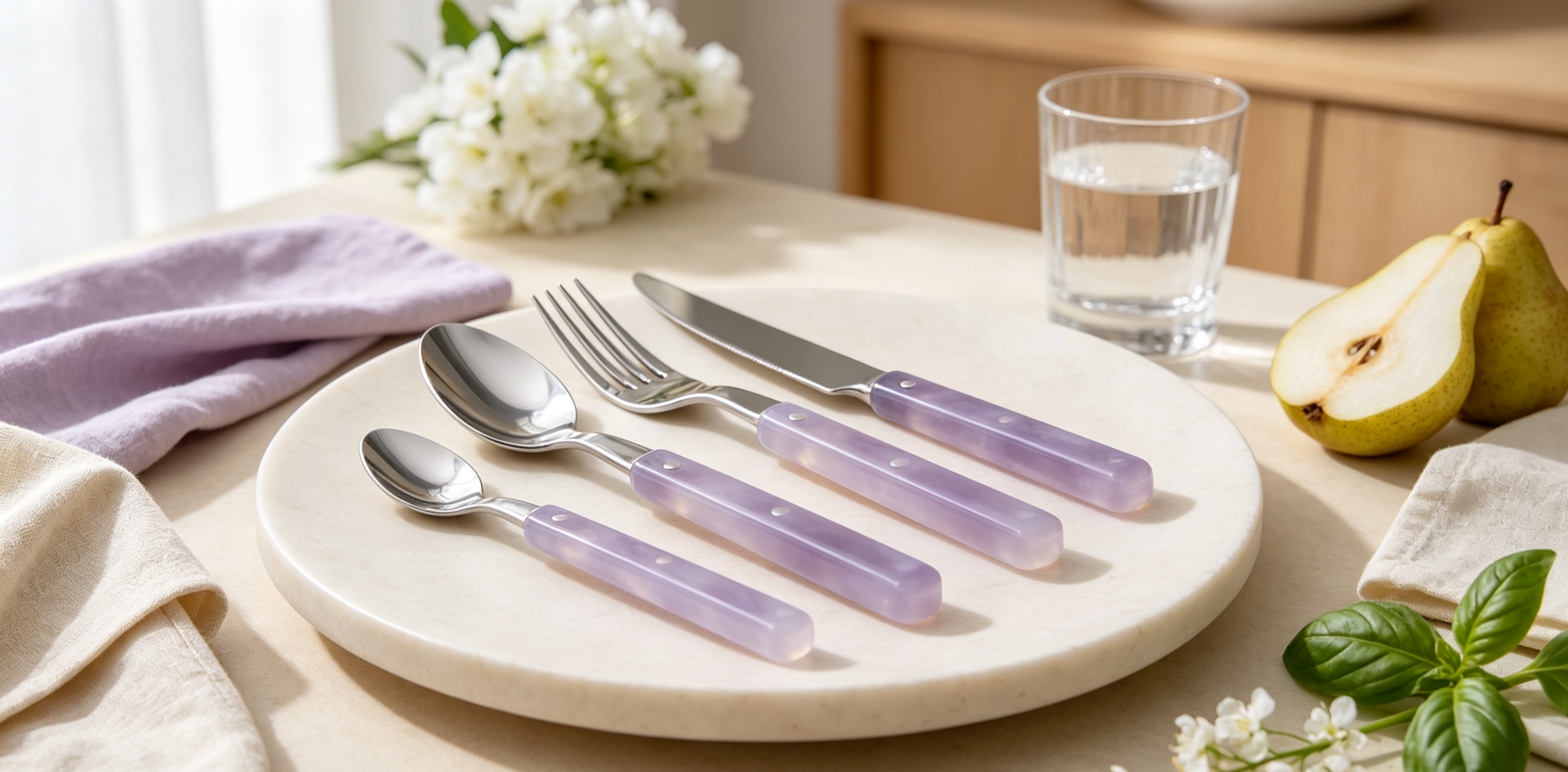
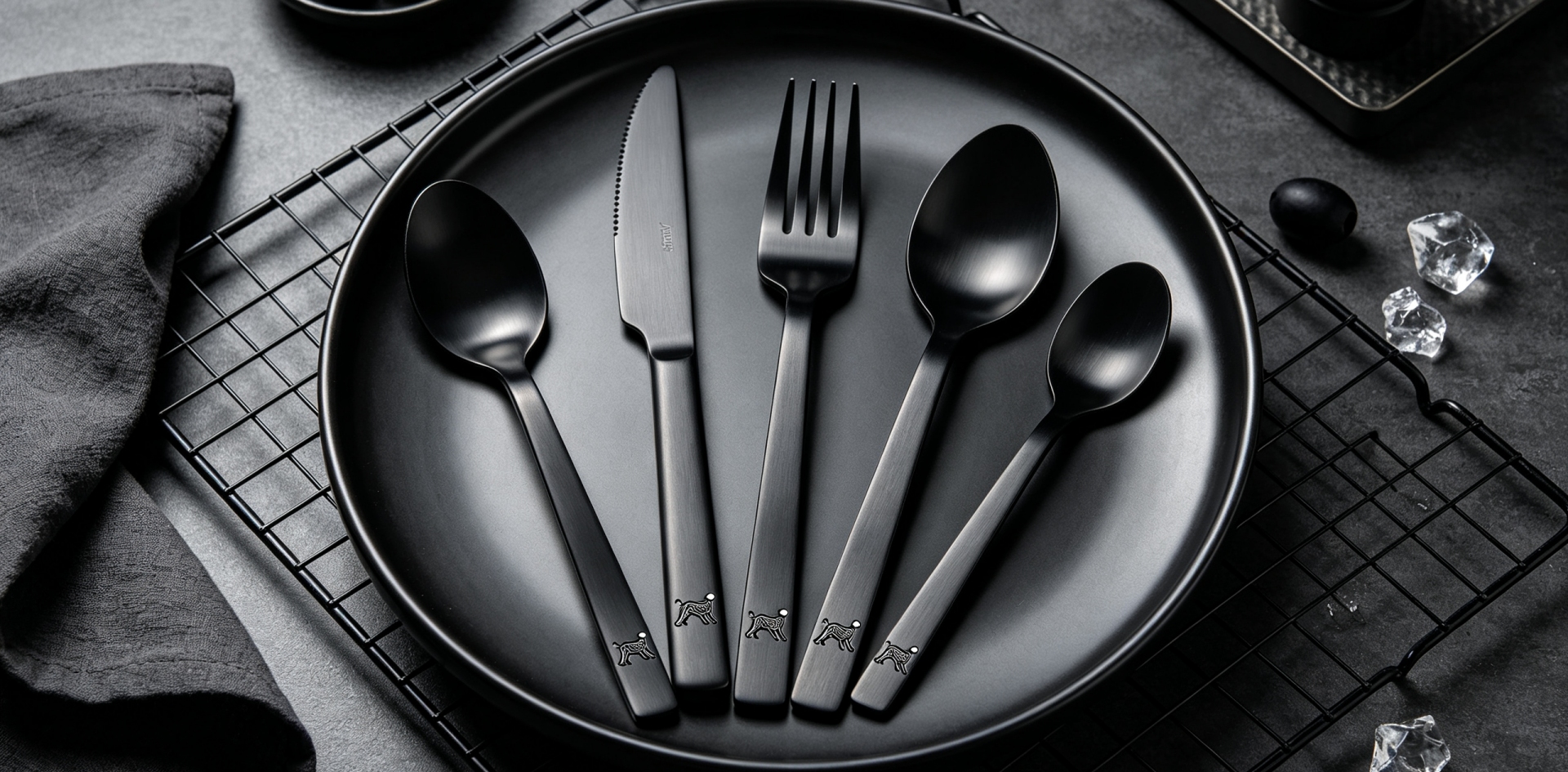
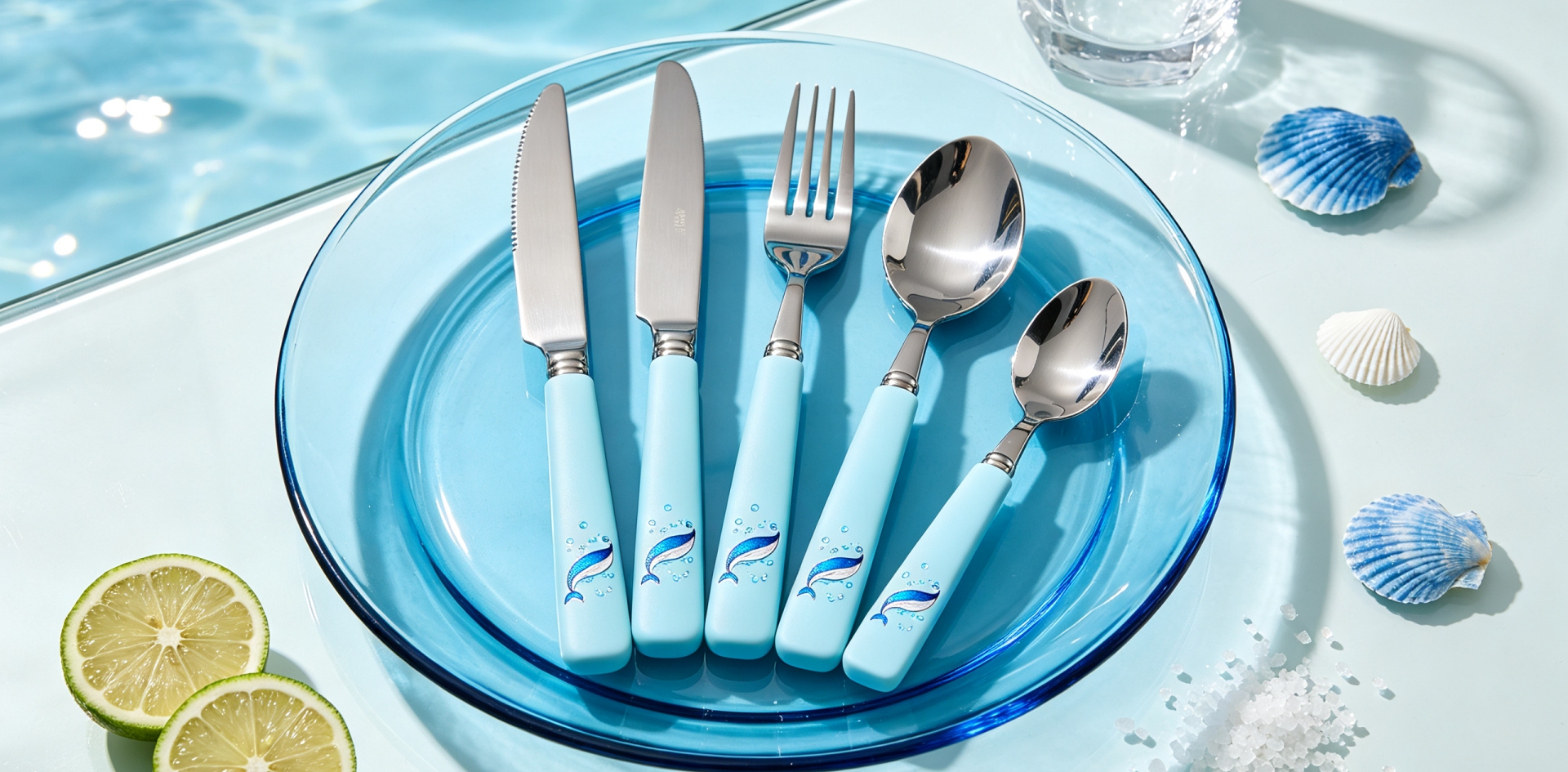
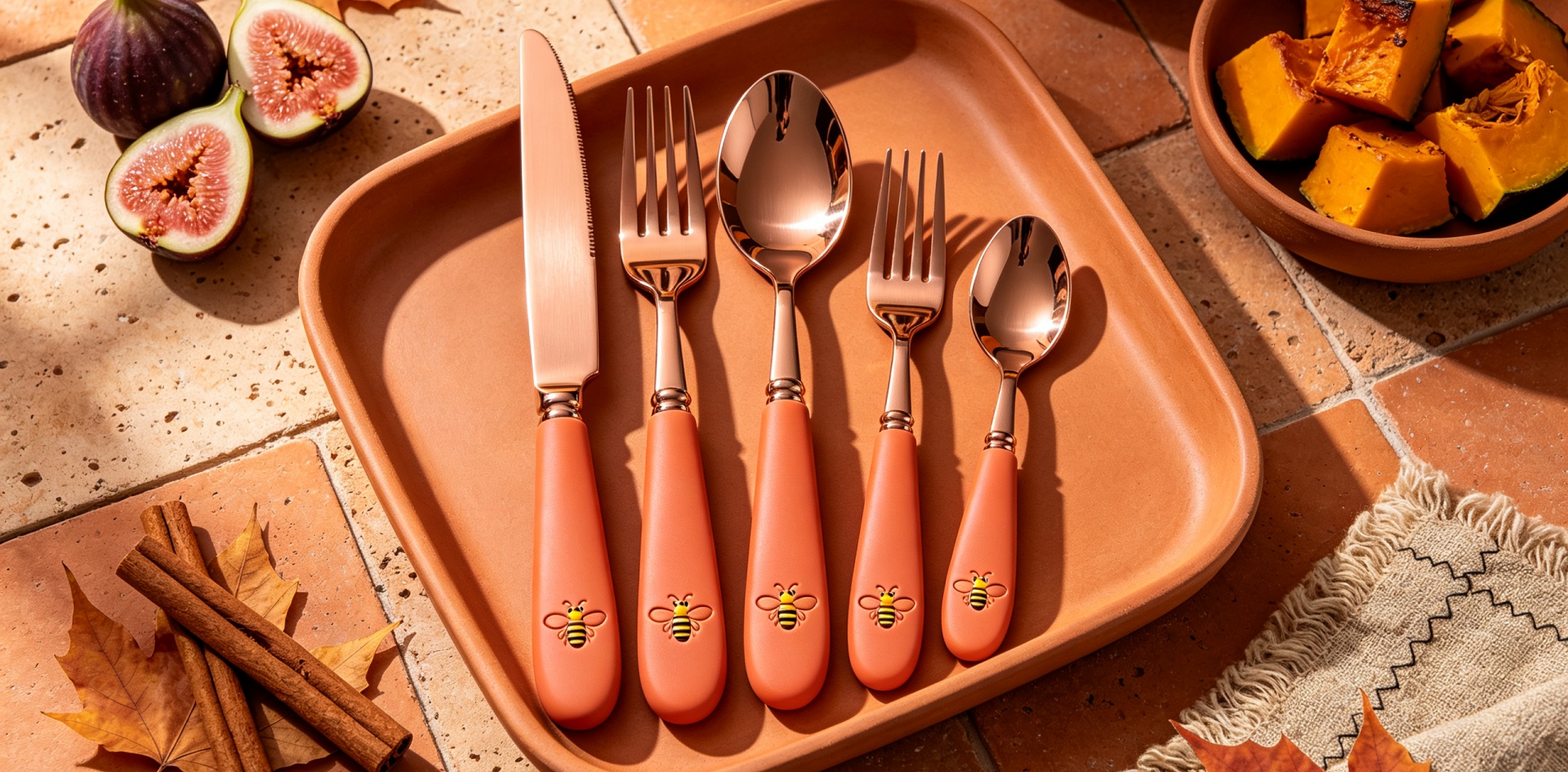
A strong cutlery range should have a visual connection between its products.
Knives, forks and spoons have different functional shapes, but they can still share common design characteristics.
The handle profile, proportions, surface appearance and overall styling can be coordinated across the collection.
This creates a stronger sense of product identity.
For a distributor, the advantage is clear: several different products can be marketed as one collection rather than as unrelated items.
This can also make retail presentation more attractive and give customers more opportunities to purchase matching pieces.
Add Products in Logical Stages
Range expansion does not need to happen all at once.
A distributor can begin with a small core selection and gradually introduce additional products.
The first stage might include the main knife, fork and spoon. A later stage can add complete flatware sets or alternative configurations.
This staged approach gives the business more flexibility.
If one product performs particularly well, more variations can be developed around it. If another product receives less interest, the distributor can avoid expanding that part of the range unnecessarily.
For B2B buyers, this can make inventory planning more manageable.
Different Products, One Manufacturing Partner
Working with one experienced manufacturer for several related products can simplify the development of a growing range.
The factory already understands the design direction and can apply the same product concept across different cutlery items.
This can make communication easier when new SKUs are introduced.
Instead of explaining the entire product concept from the beginning each time, the buyer can refer to the existing collection and identify the specific changes required for the new product.
For distributors with a growing catalog, this can save time during product development and purchasing discussions.
Balancing Standard and Custom Products
Not every new SKU needs to be completely customized.
A distributor may choose standard stainless steel cutlery models for some products while developing customized elements for others.
This combination can provide a practical balance between speed and differentiation.
Standard products may be suitable for items where the market already has clear demand. Custom products can be used when the distributor wants a more distinctive collection or needs to meet a specific customer requirement.
A flexible manufacturer should be able to discuss both approaches.
The important point is to understand which products need customization and which can be sourced from existing manufacturing options.
Expanding From Individual Pieces to Sets
Individual cutlery products and complete sets can support different sales situations.
A customer who needs replacement pieces may prefer to purchase individual knives, forks or spoons. Another customer may be looking for a complete set for a household, retail promotion or gift-oriented sales program.
By offering both options, a distributor can create more ways to sell the same product family.
The design connection between individual pieces and sets is important.
A customer should immediately recognize that the products belong to the same collection.
This can also help when new set configurations are introduced later.
Consider Different Market Segments
A single cutlery collection can sometimes be adapted for different B2B customers.
For example, a distributor may serve general retail customers as well as kitchenware specialists. The same basic product concept can potentially be presented in different combinations depending on the sales channel.
One customer may prefer individual pieces, while another may require complete sets.
The product range can therefore be structured around different purchasing habits without losing its central design identity.
This flexibility is especially useful for distributors that sell through multiple channels.
Production Planning for Range Expansion
Adding new products means adding new production requirements.
Before confirming a larger range, buyers should consider expected quantities, sample development, production schedules and future replenishment.
The more SKUs a distributor manages, the more important clear product specifications become.
Each item should have confirmed dimensions, material requirements, finish and packaging details where applicable.
When several products belong to the same collection, these specifications should also remain consistent with the overall product concept.
Good planning at this stage can make future repeat orders much easier.
Why Samples Matter When Adding New SKUs
A new product may look correct on paper but feel different when compared with the existing collection.
This is why physical samples can be useful when expanding a stainless steel cutlery range.
A buyer can place the new knife beside the existing fork and spoon and check whether the proportions and styling work together.
The same applies to a new cutlery set.
Seeing the products together provides a more realistic understanding of how the expanded collection will look in a catalog, retail display or product presentation.
Once the new product is approved, the specifications can become the reference for future bulk orders.
Supporting Repeat Orders
Range expansion is not only about launching new products. Existing products also need to remain available.
A distributor may invest time and money in promoting a particular cutlery collection. If customers respond positively, the ability to reorder the same products becomes important.
A stable manufacturing relationship can help support this process.
The manufacturer should understand the approved product specifications and be able to reproduce the collection consistently for future orders.
This is particularly valuable when a distributor plans to keep successful products in its catalog for several years.
Custom Manufacturing for Growing B2B Catalogs
Homefelt has more than 40 years of experience in the stainless steel cutlery business and works with international B2B customers on knives, forks, spoons and complete cutlery sets.
For distributors expanding their product range, the manufacturing process can begin with existing products, reference samples, drawings or new product ideas.
Depending on the project, products can be developed as individual items or as coordinated collections.
The objective is to create practical products that can be manufactured in commercial quantities while maintaining the design direction required by the buyer.
This approach is useful for businesses that do not want their product range to remain limited to standard catalog items.
Building a Range Around Your Best-Selling Product
One practical way to expand a cutlery catalog is to start with an existing best-selling item.
If a particular spoon performs well, the next step might be a matching fork or knife. If a complete set receives strong customer interest, individual replacement pieces can become additional SKUs.
The advantage of this method is that the new products are based on an established concept.
The distributor already has some understanding of the market response, pricing position and customer profile.
This can make product development more focused than launching an unrelated collection.
From a Small Collection to a Complete Cutlery Program
A successful cutlery range can grow gradually.
It may begin with a few core products and later include additional knives, forks, spoons and set configurations.
As the range develops, the manufacturer becomes more than a source for individual products. The factory becomes part of the process of maintaining the product family and supporting future development.
For B2B distributors, this can create a more organized approach to product sourcing.
Instead of constantly searching for unrelated products, the business can develop recognizable collections with a clear commercial direction.
When You Are Ready to Expand Your Range
If you are considering adding new stainless steel cutlery products to your catalog, the first step does not need to be complicated.
You can share your current product reference, the type of new item you are looking for, your estimated quantity and any design requirements.
If you already have a sample or drawing, that can also provide a useful starting point.
The manufacturer can then evaluate the product requirements and discuss the available production options.
For larger programs, it is also useful to mention whether the new products are intended for one-time orders or long-term replenishment.
This information helps create a more realistic manufacturing plan from the beginning.
A Growing Cutlery Range Needs the Right Manufacturing Support
Product range expansion is most effective when new items have a clear relationship with existing products.
For stainless steel cutlery, this means developing knives, forks, spoons and sets that share a consistent product identity while serving different customer needs.
A reliable B2B manufacturer can support this process from sample development through bulk production and repeat orders.
If you are planning to expand your stainless steel cutlery catalog, a direct discussion with the factory can help you identify practical product opportunities and determine which items are most suitable for your market.
Whether you need several new SKUs or want to build a complete cutlery collection over time, the right manufacturing partner can help turn your product ideas into a workable B2B range.
Request a quotation for stainless steel cutlery range expansion
Develop matching knives, forks and spoons for your catalog
Request samples for new stainless steel cutlery products
Discuss custom flatware development for your business
Get a bulk quotation for a new cutlery collection
Talk with the factory about expanding your B2B cutlery range
Adaptation des Couverts Inox aux Besoins B2B : Fabrication sur Mesure
Saisonale Edelstahlbesteck-Kollektionen für B2B-Handelsprojekte
Related Article