
Stainless Steel Cutlery Range Optimization for B2B Brands
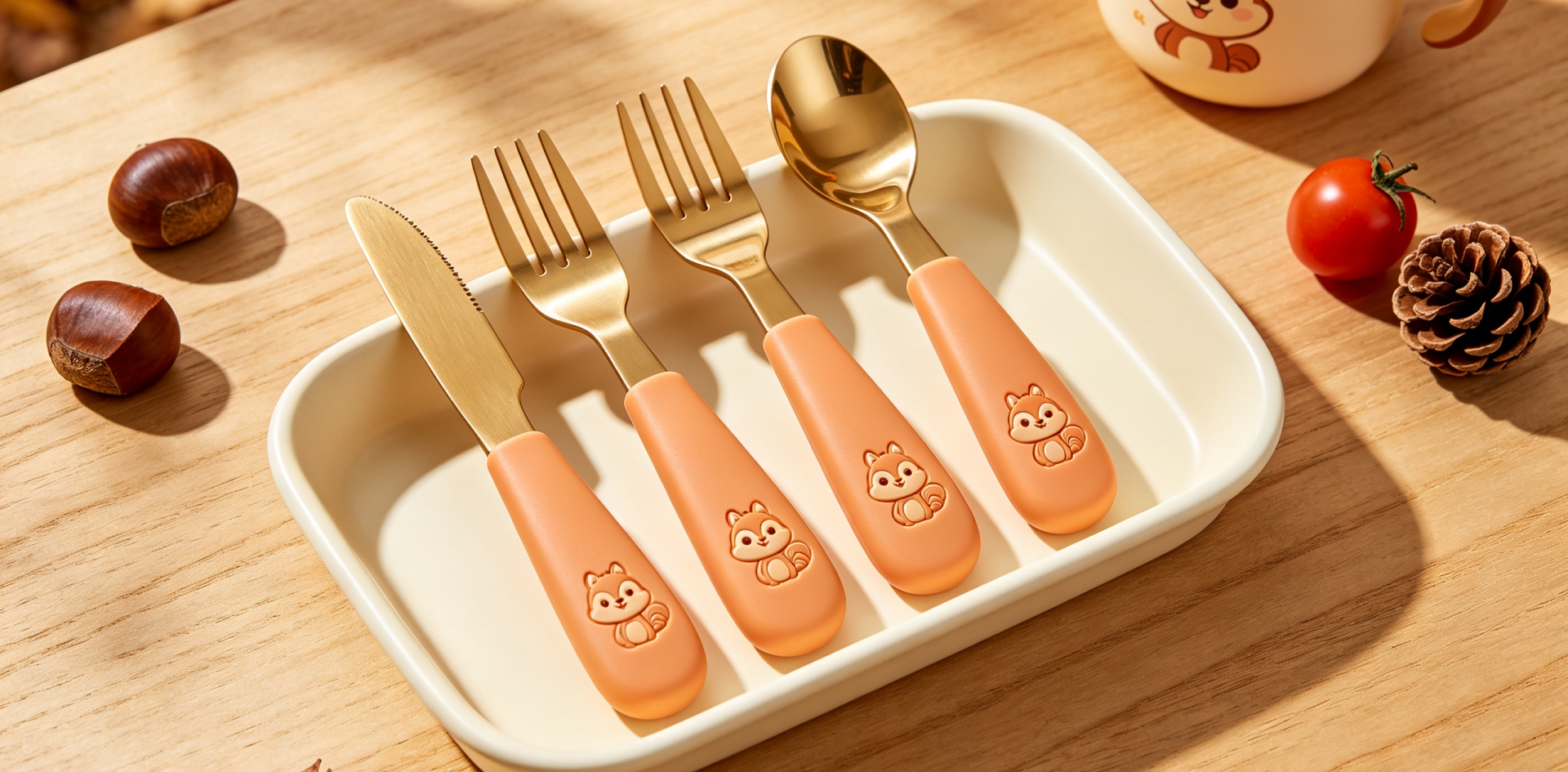
Stainless Steel Cutlery Range Optimization for B2B Brands
A stainless steel cutlery collection can grow gradually as a B2B brand develops. New knives, forks, spoons and complete flatware sets may be introduced to meet different customer requirements.
Over time, however, not every product may continue to have the same commercial importance.
Some products become core items with regular demand, while others may only be purchased occasionally. For distributors, retailers and private label brands, reviewing the product range periodically can help keep the collection practical and easier to manage.
Range optimization is not simply about removing products. It is about understanding the role of each product and deciding how the collection should develop over time.
Why Review a Cutlery Product Range?
A larger collection can provide more choices, but it can also create additional work.
Each SKU may require product information, samples, packaging arrangements, purchasing records and manufacturing communication.
If several products serve almost the same purpose, the buyer may need to decide whether all of them still need to remain active.
A regular range review can help identify which products are central to the business and which products may need adjustment, consolidation or a different commercial strategy.
Start With Actual Customer Demand
One of the most useful sources of information is actual purchasing behavior.
A distributor can review which stainless steel cutlery products are ordered regularly and which products have limited movement.
A product with lower order frequency is not automatically unsuitable. It may serve a specific customer or project.
The important question is what role the product plays within the overall collection.
A low-volume product that supports an important customer can have a different value from a product that receives little demand and has no clear commercial purpose.
Look at the Relationship Between Similar Products
B2B cutlery collections sometimes contain several products with similar characteristics.
For example, two spoon designs may have closely related shapes but different handles or finishes.
When reviewing the range, buyers can compare these products and consider whether the differences are meaningful to customers.
If two products serve different market positions, keeping both may make sense.
If their commercial roles overlap significantly, the buyer may decide to focus resources on the product with stronger demand.
This type of review can help keep the collection focused without unnecessarily reducing product choice.
Consider the Cost of Maintaining Each SKU
A product has management requirements even when it is not ordered frequently.
The buyer may need to maintain product specifications, packaging information, photographs, samples and purchasing references.
For customized stainless steel cutlery, the product may also involve dedicated development or production requirements.
Reviewing these factors together with sales demand can give the buyer a clearer picture of the practical value of each SKU.
The objective is not simply to reduce the number of products. It is to make sure that the resources required to maintain the collection are justified by the product's commercial role.
Review Customized Products Carefully
Customized products deserve particular attention during range optimization.
A private label brand may have invested time in developing a special handle, finish or product shape.
Even if demand becomes lower, the product may still have strategic value for the brand.
Before discontinuing a customized item, buyers can consider whether it supports an important customer segment, contributes to brand identity or forms part of a broader collection.
This prevents a purely short-term sales review from making decisions that affect the wider product strategy.
Consider Whether Products Can Be Consolidated
Sometimes two or more products can be brought together through a more focused product strategy.
For example, a brand may decide to concentrate on one core handle style while introducing different product types around that design.
This can simplify the overall collection while still giving customers several options.
For OEM and ODM projects, the manufacturer can also discuss whether related products can share certain design characteristics without losing their individual functions.
The result can be a more coherent stainless steel flatware range.
Review Individual Pieces and Complete Sets
B2B brands may sell both individual cutlery pieces and complete sets.
These products should be reviewed together.
A spoon with low individual demand may still be important because it forms part of a popular cutlery set.
Likewise, a complete set may perform well even when some of its individual components are rarely purchased separately.
Understanding these relationships prevents buyers from evaluating each SKU in isolation.
This is particularly important for private label and retail programs where the presentation of the complete collection influences customer purchasing.
Keep the Brand Identity in Mind
Range optimization should not make the collection feel disconnected.
If a brand removes several products, the remaining range should still communicate a clear product identity.
The buyer can consider whether the remaining knives, forks, spoons and sets continue to share appropriate design characteristics.
A focused collection can often be easier for customers to understand than a large assortment containing many unrelated products.
For brands developing long-term stainless steel flatware programs, maintaining a clear identity can be as important as the number of products offered.
Discuss Manufacturing Implications
Product range changes can also affect manufacturing.
A customized product may use specific tooling, finishing requirements or other production arrangements.
Before removing or replacing an item, it can therefore be useful to discuss the implications with the manufacturer.
Homefelt factory supports B2B stainless steel cutlery manufacturing, including customized knives, forks, spoons and complete flatware sets. OEM, ODM, private label and wholesale customers can discuss product development and manufacturing requirements according to their individual programs.
A manufacturer familiar with the product range can also understand how a proposed change may affect related products.
Plan Product Changes Clearly
When a product is no longer intended to remain in the active range, the buyer should communicate the change clearly.
The company may need to update its catalog, website, sales materials, purchasing information and internal product references.
If another product is intended to take its place, customers and sales teams should also understand the relationship between the two products.
A controlled transition can make the change easier for both the buyer and the manufacturer.
Review the Range Periodically
Product range optimization should not necessarily be a one-time exercise.
Markets change, customer preferences develop and B2B brands introduce new products.
A periodic review can help identify these changes before the product range becomes unnecessarily difficult to manage.
The review can consider:
-
Customer demand
-
Order frequency
-
Product differentiation
-
Collection consistency
-
Customization requirements
-
Manufacturing practicality
-
Customer importance
-
Role within complete sets
-
Future product development
The exact review frequency depends on the size and nature of the business.
From a Large Catalog to a More Focused Collection
A successful stainless steel cutlery range does not need to contain the maximum possible number of products.
A focused collection can give sales teams a clearer offering, make product management easier and allow the brand to invest more attention in commercially important products.
For distributors, this can simplify purchasing and customer communication.
For private label brands, it can create a stronger and more recognizable collection.
For manufacturers, a clearly managed product range can provide a better foundation for repeat production and future customization.
Homefelt factory can support brands and B2B buyers developing stainless steel knives, forks, spoons and flatware sets for wholesale, OEM, ODM and private label programs.
If you are reviewing an existing cutlery collection, start by identifying which products have clear commercial roles and which products overlap. From there, the manufacturer can help discuss practical options for maintaining, adjusting or developing the range.
Custom Stainless Steel Cutlery Manufacturing
OEM & ODM Stainless Steel Flatware
Private Label Cutlery for B2B Brands
Stainless Steel Cutlery Quality Standards for B2B Orders
Stainless Steel Cutlery Product Positioning for B2B Brands
Related Article



