
Stainless Steel Cutlery Sample Feedback for B2B Projects
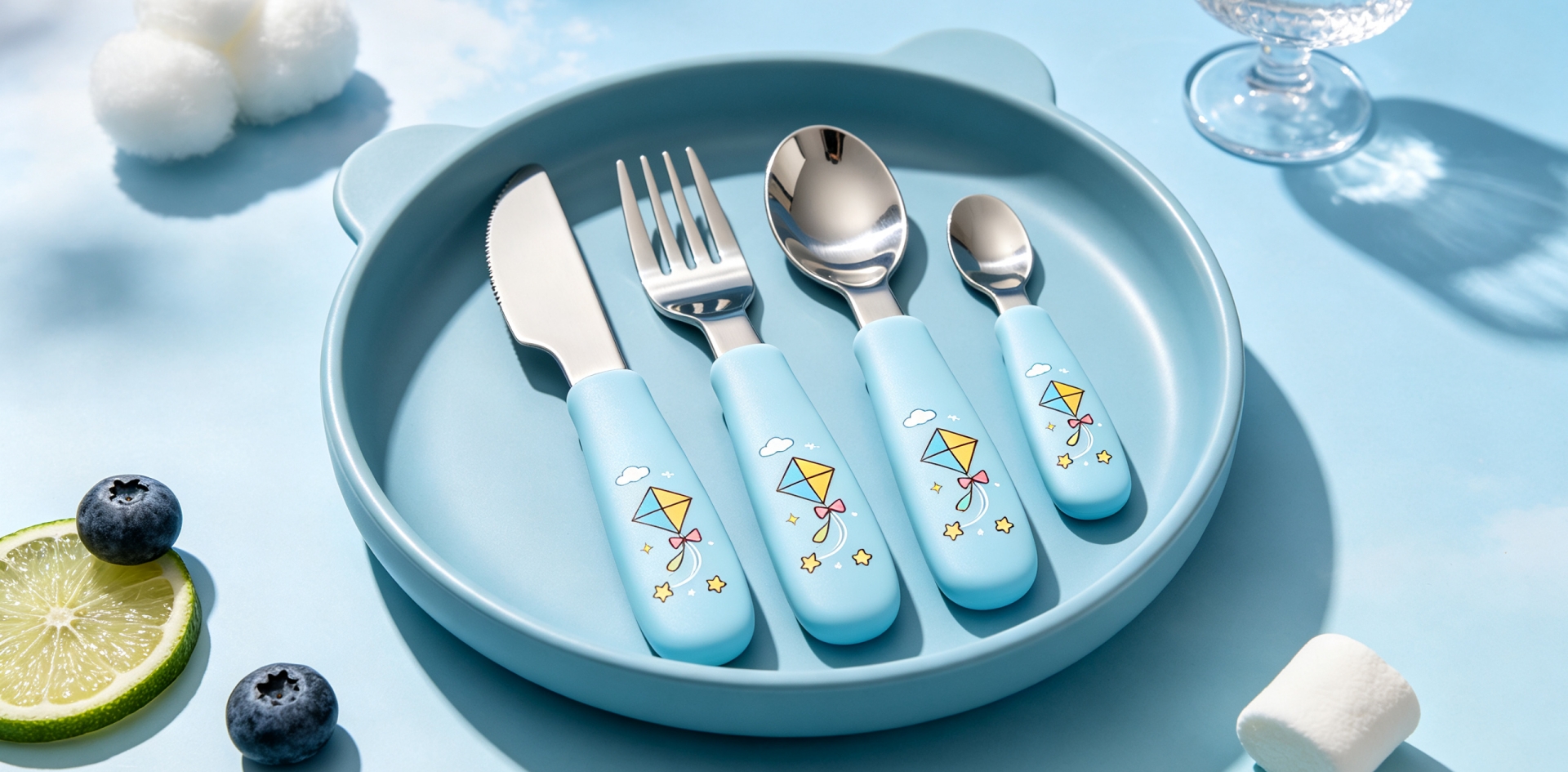
Stainless Steel Cutlery Sample Feedback for B2B Projects
For a custom stainless steel cutlery project, a physical sample can reveal details that are difficult to judge from drawings, photographs or product descriptions alone. The sample gives the buyer and manufacturer something concrete to evaluate before a larger production program begins.
However, receiving a sample is only one part of the development process. The quality of the feedback provided afterward can also influence how efficiently the project moves forward.
For B2B buyers developing private label flatware, OEM products or customized knives, forks and spoons, structured sample feedback can make communication with the factory much more effective.
A Sample Creates a Common Reference
During the early stages of a custom cutlery project, different people may imagine the final product differently.
A buyer may have a drawing showing the overall handle shape. A designer may focus on the visual appearance. A manufacturer may be considering how the shape will translate into production.
A physical sample brings these perspectives together.
The buyer can hold the actual stainless steel spoon, fork or knife and evaluate its proportions, appearance and overall feel. The manufacturer can then work from the same physical reference when discussing potential changes.
This is especially useful for products that have been developed specifically for a B2B customer rather than selected from an existing collection.
Feedback Should Be Specific
One of the most useful principles in sample communication is simple: describe the change as specifically as possible.
Saying that a sample "does not look right" gives the factory very little practical information.
A more useful comment identifies the area that needs attention. For example, the buyer may want a handle to appear wider, a spoon bowl to have a different proportion, a surface to look more refined, or a knife profile to follow the original concept more closely.
Specific feedback gives the manufacturer a clearer direction for the next development stage.
It also reduces the possibility of making changes that were never requested.
Separate Appearance From Function
A stainless steel cutlery sample should be considered from more than one perspective.
The visual appearance may be important for a retail or private label collection, while functional characteristics are equally relevant to the final product.
A buyer may therefore evaluate the appearance of the handle, the relationship between the handle and working end, the overall proportions and surface finish while also considering how the spoon, fork or knife performs in actual use.
Keeping these two areas separate during feedback can make discussions easier.
The manufacturer can then understand whether a requested change is mainly aesthetic, functional or related to both.
Use the Same Reference Across Revisions
Custom cutlery projects may involve more than one sample version.
When revisions are required, it is helpful to identify which version is being discussed.
A buyer may have received an initial sample and a revised sample. If comments are made without identifying the relevant version, the manufacturer may need to spend additional time confirming which product is being referenced.
Consistent sample references make the development process easier to follow.
This is particularly important when several products are being developed at the same time for a complete flatware collection.
Review Related Products Together
A single product may look correct on its own but still need adjustment when viewed alongside the rest of a collection.
For example, a dinner fork, table spoon and dinner knife may need to share a consistent design language. Their handle proportions, visual weight and surface appearance should make sense as part of the same collection.
For B2B brands, reviewing related samples together can therefore be useful.
The buyer can identify whether the individual pieces appear to belong to the same collection before moving toward larger production quantities.
This approach is especially relevant for private label projects where the appearance of the complete collection contributes to the brand identity.
Feedback Can Also Cover Manufacturing Practicality
Not every requested change has the same manufacturing implications.
A minor visual adjustment may be relatively straightforward, while a significant change to a handle shape or product structure may require additional development work.
This is where communication with an experienced stainless steel cutlery manufacturer becomes valuable.
The factory can explain how a proposed change may affect manufacturing and whether an alternative approach could achieve a similar result.
The goal is not to limit the buyer's design concept. Instead, the discussion helps connect the desired appearance with realistic production methods.
For OEM and ODM projects, this exchange can be an important part of product development.
Consider Commercial Requirements at the Same Time
Sample feedback should also be considered in the context of the commercial project.
A buyer may have a target market, expected order volume and planned retail positioning. These factors can influence how much customization is practical for the final product.
For example, a premium private label collection may justify a more detailed development process, while a high-volume wholesale program may place greater emphasis on efficient production.
The right balance depends on the buyer's business model.
A professional manufacturer can discuss these considerations with the buyer so that product development remains connected to the eventual bulk order.
How Homefelt Supports Custom Cutlery Development
Homefelt has more than 40 years of experience in the stainless steel cutlery business and works with international B2B customers developing knives, forks, spoons and complete flatware collections.
The factory supports OEM, ODM and private label projects for customers that require customized stainless steel cutlery for wholesale and bulk purchasing.
For a new project, customers can provide drawings, photographs, reference products or initial product concepts. Based on the available information, the factory can discuss the practical requirements for developing the desired cutlery.
Samples then provide a physical reference for further communication.
For buyers developing a new collection, this process can help connect product design with actual manufacturing requirements before the project moves into larger production.
From Sample Feedback to Production
A useful sample process is not about making endless revisions. Its purpose is to create a clear understanding of the finished product.
When the buyer provides focused feedback and the manufacturer responds with practical production knowledge, each revision can move the project closer to its intended result.
Once the product requirements are sufficiently clear, the approved design can become the basis for a larger B2B production program.
This is particularly important for private label brands and distributors that expect to reorder the same products in the future.
The sample is therefore more than a physical product. It is a communication tool between the buyer and the stainless steel cutlery manufacturer.
For B2B buyers planning a custom cutlery project, preparing clear sample feedback can make the development process more efficient and create a stronger foundation for OEM, ODM and bulk production.
Custom Stainless Steel Cutlery Manufacturing
Private Label Stainless Steel Cutlery
Stainless Steel Cutlery Palletization for Bulk Export Orders
Edelstahlbesteck im B2B: Bestellstruktur für Großaufträge
Related Article



