
Stainless Steel Cutlery Sample Kits for B2B Buyers
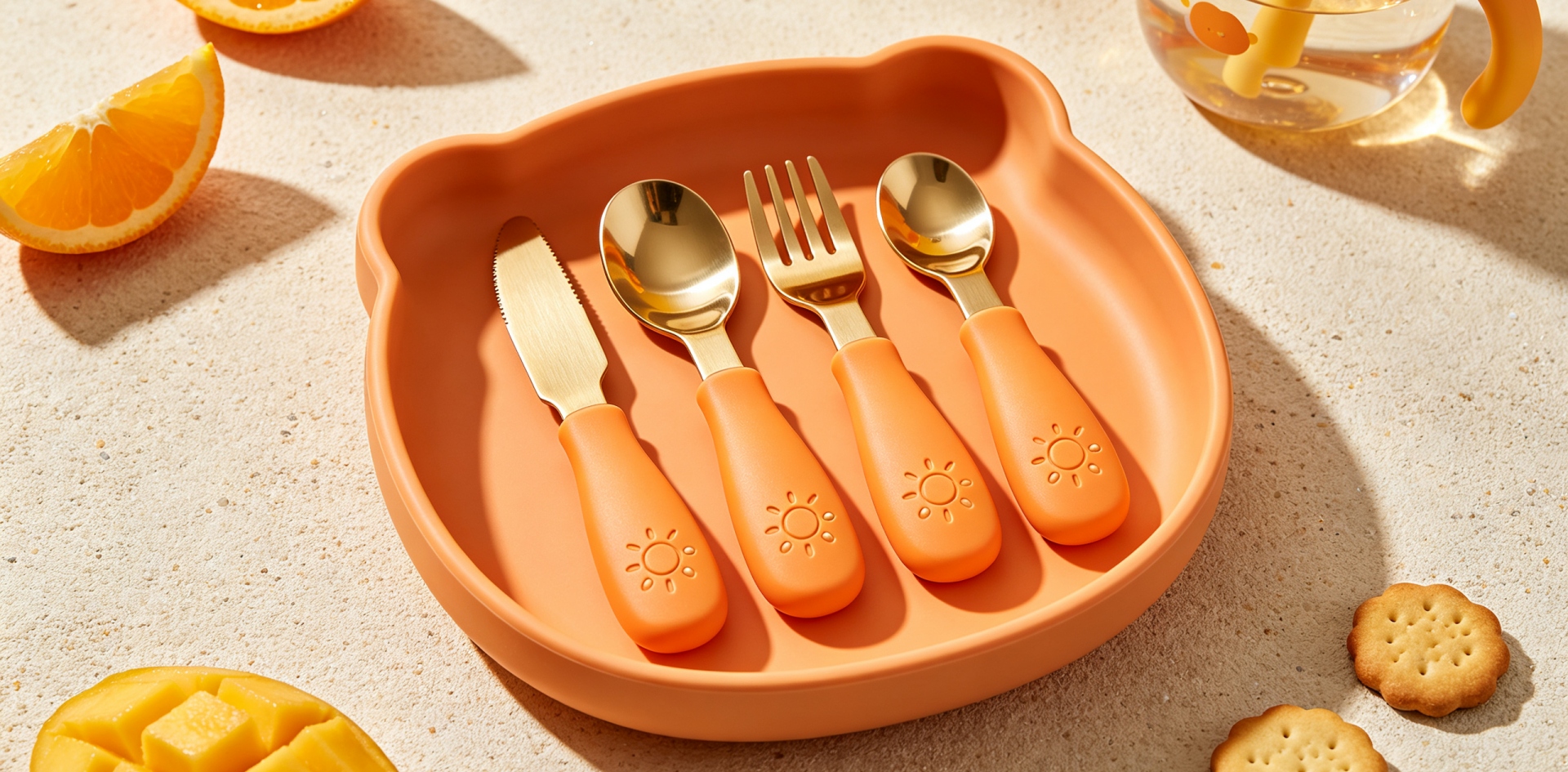
Stainless Steel Cutlery Sample Kits for B2B Buyers
For a company sourcing stainless steel cutlery, seeing a product in a catalog or online image is often only the first step. Before committing to a wholesale program, private label collection or large-volume order, buyers usually need a practical way to examine the actual products.
A well-prepared stainless steel cutlery sample kit can make this process much easier.
For importers, distributors, retailers and brands, a sample kit provides an opportunity to compare different cutlery designs, evaluate the overall product presentation and determine which models are suitable for a commercial product range. For manufacturers, it also creates a practical way to present their production capabilities to potential B2B customers.
What Is a B2B Cutlery Sample Kit?
A B2B cutlery sample kit is a selection of stainless steel knives, forks, spoons or cutlery sets prepared for business evaluation.
Unlike a single product sample, a sample kit can contain several representative designs. The selection may include different handle styles, product proportions, finishes, cutlery set combinations or other specifications relevant to the customer's sourcing requirements.
The exact contents depend on the purpose of the project.
A distributor looking for new products may want to compare several standard models. A private label brand may need representative samples before developing its own collection. A hospitality supplier may need several coordinated pieces to evaluate a complete table setting.
The purpose is not simply to display products. The sample kit should help the buyer make practical purchasing decisions.
Why Physical Samples Matter in Cutlery Sourcing
Stainless steel cutlery is a highly visual and tactile product.
A photograph can show the general shape and finish, but it cannot fully communicate how a spoon feels in the hand, how a fork sits with matching pieces, or how the surface looks under different lighting conditions.
Physical samples allow purchasing teams and product designers to examine details directly.
They can compare the handle proportions, product weight, surface appearance, edges, overall balance and relationship between different pieces. This is especially useful when several suppliers offer products with similar photographs but different physical results.
For B2B sourcing, the physical product can therefore provide information that is difficult to obtain from a product page alone.
Using Samples to Compare Different Cutlery Programs
A sample kit can be particularly useful when a buyer is developing a new range rather than purchasing one isolated SKU.
For example, a buyer may compare several stainless steel fork and spoon designs to determine which design language fits the planned collection. Matching knives can then be considered alongside them.
The comparison may include:
Overall design style
Handle proportions
Fork and spoon appearance
Knife profile
Surface finish
Product weight
Visual consistency between pieces
Set composition
Packaging presentation
This type of comparison helps the buyer identify the direction of the collection before moving into a larger commercial program.
A manufacturer can also use the sample selection to understand what the customer values. If the customer prefers one particular design while requesting modifications to another, those observations can become useful input for subsequent OEM or ODM development.
Samples for Private Label Flatware Projects
Private label customers often need more than a standard catalog product.
The initial sample kit can serve as a reference point for discussing how an existing product may be adapted to the customer's market or brand requirements. The buyer may decide to modify the handle, finish, dimensions, logo treatment, packaging or combination of pieces.
This creates a practical development path.
The customer can first review physical stainless steel cutlery products, identify the desired characteristics, and then discuss customization requirements with the manufacturer.
For a factory supporting OEM and ODM projects, this approach can help turn a general product preference into a clearer manufacturing brief.
Choosing the Right Samples for a B2B Customer
A sample kit should be relevant to the buyer's actual business.
Sending too many unrelated products can make comparison more difficult. A more focused selection is often more useful.
For example, if the customer is a homeware distributor, the sample selection may focus on several commercially suitable flatware styles. If the customer is developing a private label collection, the kit may contain products representing different design directions.
For bulk buyers, it can also be useful to include both individual pieces and complete cutlery sets where appropriate.
The objective is to give the purchasing team enough physical information to evaluate the product without turning the sample selection into an unstructured product catalog.
How a Factory Can Prepare a Useful Sample Selection
When a buyer contacts a stainless steel cutlery manufacturer, providing basic project information can make sample preparation more effective.
Useful information may include the target market, intended sales channel, preferred product style, estimated order quantity and required product categories.
A buyer may also provide reference images or existing products if there is a particular design direction.
With this information, the manufacturer can suggest samples that are closer to the customer's requirements instead of simply sending a random selection of products.
This can save time for both sides and make the following quotation discussion more focused.
From Sample Review to Product Specification
One of the most important commercial benefits of a sample kit is that it can turn a general discussion into a more specific product conversation.
Instead of saying that a customer wants a “modern stainless steel cutlery set,” the buyer can identify a particular sample and explain what should remain unchanged and what needs to be modified.
For example, the customer may prefer the handle shape of one model, the fork head appearance of another and the surface treatment of a third reference. These requirements can then be discussed as part of a new OEM or ODM project.
The manufacturer can use the customer's references to understand the intended direction and prepare the next stage of development.
This makes the communication much more concrete.
Samples for Wholesale and Distribution Programs
For wholesalers and distributors, product samples can also support internal sales activities.
A purchasing team may use samples to evaluate potential new SKUs before placing an initial order. Sales teams can use physical products when presenting a new range to downstream customers.
A sample kit can therefore serve two purposes: supplier evaluation and product presentation.
When the selected products are intended for repeated wholesale purchasing, it is useful to keep the sample references clearly identified. Product codes, specifications and related documentation can help ensure that the same products are correctly referenced when a purchase order is prepared.
This becomes increasingly important when a distributor manages multiple stainless steel cutlery models.
Building a Sample Kit Around a Complete Cutlery Collection
For brands planning to launch a coordinated flatware range, a sample kit should ideally demonstrate how the products work together.
A knife, fork and spoon should be viewed as a collection rather than three unrelated items.
The relationship between their handles, proportions, surface finish and overall visual style can influence the final appearance of the range.
A manufacturer with stainless steel cutlery production experience can help customers evaluate whether different pieces can be developed into a coherent collection.
This is particularly valuable for private label projects where the final product range may include multiple SKUs.
Why Sample Selection Can Affect Purchasing Efficiency
A focused sample process can shorten unnecessary communication.
If a buyer can quickly identify the preferred product direction, the manufacturer has a clearer basis for preparing specifications and discussing the next steps.
The process may then move from:
Product exploration
to sample comparison
to design selection
to customization discussion
to quotation
to bulk order planning.
This does not mean every project follows exactly the same sequence. However, a well-organized sample selection can make commercial discussions more productive because both parties have a physical reference.
Supporting B2B Buyers With Custom Stainless Steel Cutlery
Homefelt focuses on stainless steel knives, forks, spoons and cutlery sets for B2B customers. The factory supports OEM, ODM, private label and wholesale projects for customers developing or expanding their stainless steel flatware ranges.
For buyers who are still comparing product directions, representative samples can provide a practical starting point. Once a suitable design direction has been identified, the customer can discuss customization requirements, quantities and other commercial specifications with the factory.
For an established product, the sample may serve as a reference for wholesale purchasing. For a new private label project, it can become the starting point for further customization and product development.
The most useful sample kit is therefore not necessarily the largest one. It is the one that gives the buyer enough information to make the next business decision.
Preparing for a Stainless Steel Cutlery Order
Before requesting samples from a manufacturer, B2B buyers can prepare a short project brief.
Useful information includes:
Product categories required
Preferred cutlery styles
Target market
Estimated quantity
Customization requirements
Branding requirements
Preferred surface finish
Packaging expectations
Reference products or images
Expected purchasing schedule
This information allows the manufacturer to understand the commercial purpose of the sample request.
For customers already planning a larger order, it can also help connect the sample discussion with the eventual quotation and production requirements.
A sample should not be the end of the sourcing process. It should help create a clearer path toward the right stainless steel cutlery specification and, when the product is confirmed, a practical bulk purchasing program.
For brands, wholesalers and distributors looking for a stainless steel cutlery manufacturing partner, sharing the required product types, reference samples and estimated order quantity is a useful first step toward discussing an OEM, ODM or private label project.
Stainless Steel Cutlery OEM Manufacturing
Custom Stainless Steel Flatware
Private Label Cutlery Programs
Stainless Steel Cutlery Scratch Control for B2B Orders
Stainless Steel Fork Tine Tip Shape for B2B Cutlery
Related Article



