
Stainless Steel Cutlery Sample Sets for B2B Buyers
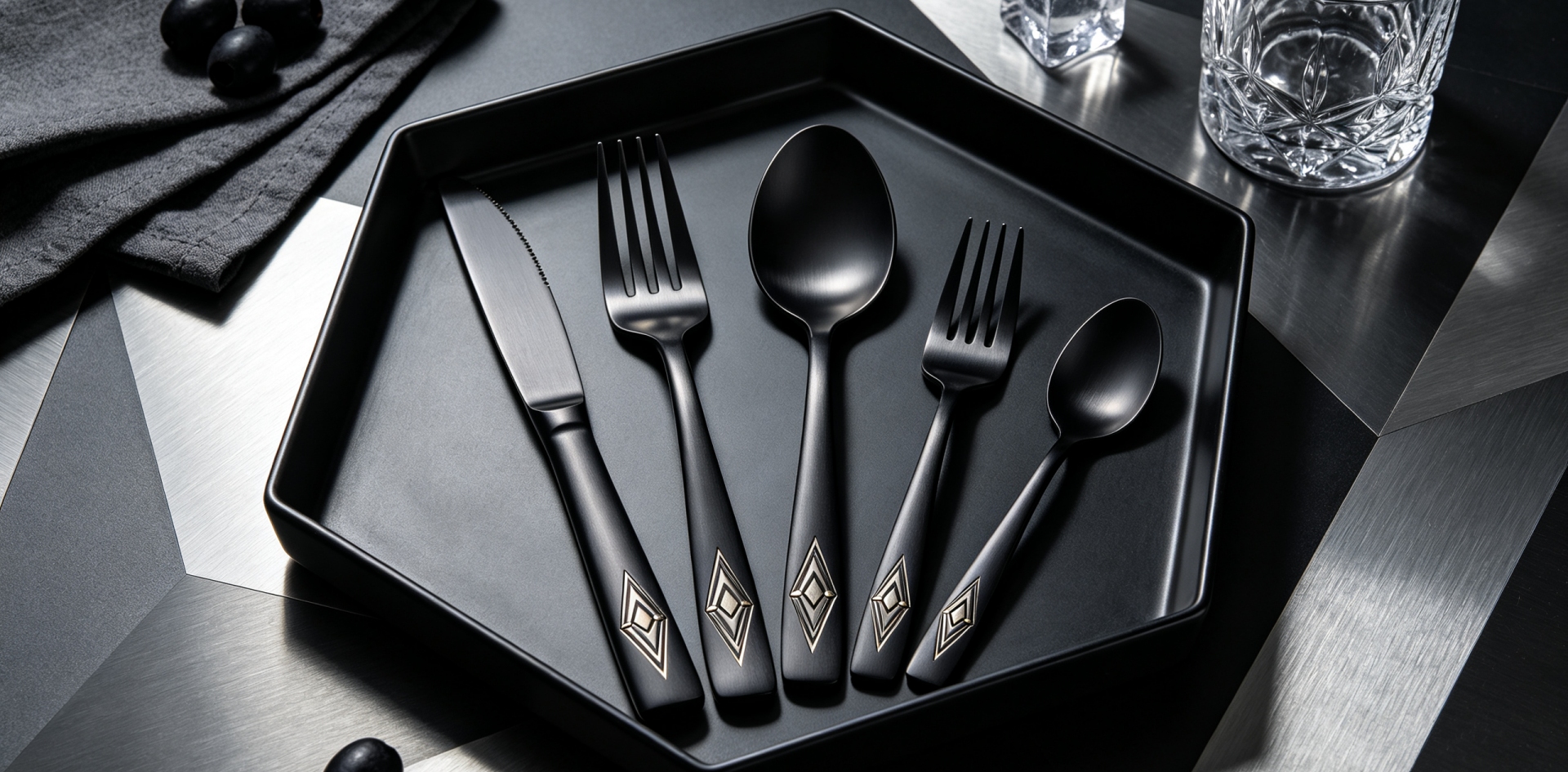
Stainless Steel Cutlery Sample Sets for B2B Buyers
For a B2B buyer developing a new stainless steel cutlery collection, reviewing one individual product may not provide enough information. When several knives, forks and spoons are intended to work together, buyers often need to see the complete range before making commercial decisions.
A stainless steel cutlery sample set can make this process more practical.
Instead of evaluating products one by one, buyers can review a selection of related pieces together. This makes it easier to compare appearance, proportions, surface finish and overall collection consistency before moving forward with larger quantities.
For OEM, ODM and private label projects, a well-prepared sample set can also help different teams within the same company review the proposed collection.
What Is a Cutlery Sample Set?
A cutlery sample set is a group of selected stainless steel cutlery pieces prepared for evaluation.
The exact contents depend on the project. A sample set may contain a knife, fork and spoon representing the core collection, or it may include several variations for comparison.
For example, a buyer developing a new retail range might request:
-
One dinner knife
-
One dinner fork
-
One dinner spoon
-
One teaspoon
-
Different finish samples
-
Different handle options
The purpose is not necessarily to reproduce the final commercial quantity. Instead, the sample set gives the buyer a physical reference for evaluating the proposed product range.
Why a Complete Sample Set Can Be Useful
Cutlery is often purchased as a collection rather than as completely independent products.
A knife may look appropriate by itself, but the overall impression can change when it is placed beside the matching fork and spoon.
A complete sample set allows buyers to consider the collection as a whole.
They can compare handle proportions, surface appearance and visual consistency across different pieces. This is particularly useful for brands preparing a private label product range.
For a distributor, the sample set can also provide a physical reference when presenting the proposed collection to customers.
Comparing Different Design Directions
Some B2B projects begin with several possible designs.
A buyer may be deciding between two handle shapes, different surface finishes or alternative product proportions. Instead of making a decision based only on drawings or photographs, sample pieces can be prepared for direct comparison.
A sample set can therefore contain several selected variations.
For example, one set may include:
-
Version A with a polished finish
-
Version B with a different surface treatment
-
Two handle shapes
-
Matching knives, forks and spoons for each option
Seeing these alternatives together can make differences easier to evaluate.
It also gives purchasing and product teams a physical reference when discussing the project internally.
Using Samples for Brand Development
For private label customers, the sample set can be especially valuable because the final cutlery needs to represent the brand.
The team may need to consider whether the product looks appropriate next to existing tableware, packaging or other products in the same collection.
The handle shape, finish and overall proportions can influence the visual character of the range.
A sample set provides something tangible that can be placed beside other products during internal product development.
This can help a brand decide whether the proposed stainless steel cutlery fits its intended market position.
Sample Sets for Distributor Presentations
Distributors often need to introduce new products to their own customers.
Digital images can provide an initial impression, but physical cutlery samples allow customers to see and handle the product directly.
A distributor may therefore request a sample set containing representative products from a proposed collection.
The set can then be used for sales meetings, showroom displays or customer presentations.
For manufacturers, understanding this purpose can help determine which pieces should be included in the sample set.
The goal is to provide enough information to represent the collection without creating an unnecessarily large sample program.
Including Different Cutlery Pieces
The composition of a sample set should reflect the intended commercial range.
If the final collection contains only a dinner knife, dinner fork and dinner spoon, those three pieces may be enough to represent the concept.
If the collection includes multiple spoon or fork styles, additional samples may be useful.
The same principle applies when different finishes or handle constructions are being considered.
The sample set should answer the buyer's main product questions without becoming unnecessarily complicated.
This is why sample planning is useful before asking the factory to prepare multiple versions.
Evaluating Finish and Surface Appearance
Stainless steel cutlery can have different surface appearances, and these differences may be easier to understand in person than on a screen.
A buyer can examine how the light reflects from the surface, how different pieces look next to each other and whether the finish matches the intended product direction.
For a private label collection, this can be important because the same finish should normally appear consistent across the related products.
A physical sample set gives the buyer a direct reference for this comparison.
Checking the Relationship Between Products
One of the main advantages of a sample set is that it shows the relationship between individual pieces.
The knife, fork and spoon may have different functional dimensions, but their design should still feel connected when they belong to the same collection.
Buyers can look at:
-
Handle proportions
-
Overall visual balance
-
Surface finish
-
Shape consistency
-
Relationship between handle and functional part
-
Appearance when the pieces are displayed together
These observations can help identify whether the proposed collection has a coherent appearance.
Using Sample Sets Before a Larger OEM Order
For a larger OEM project, sample sets can provide a useful bridge between product development and commercial planning.
Once the buyer has a clear physical reference, the same specifications can be used when discussing the wider order.
This can make communication easier because the buyer and manufacturer can refer to a defined product example rather than relying entirely on descriptions.
For repeated or multi-product programs, keeping an approved physical reference can also help the buyer communicate the intended product direction during future discussions.
Supporting Custom Cutlery Development
A sample set does not have to come from an existing standard collection.
For OEM and ODM projects, the manufacturer can prepare samples based on the buyer's requirements.
The starting point may be a drawing, reference image, existing sample or initial product concept.
The manufacturer can then discuss the practical production requirements and develop representative pieces for evaluation.
Homefelt factory supports custom stainless steel knives, forks, spoons and cutlery sets for B2B customers, including OEM, ODM, private label and wholesale projects.
For brands and distributors developing a new collection, the factory can work with the buyer on the required product combinations and manufacturing details.
Preparing a Clear Sample Request
When requesting a sample set, B2B buyers can make the process more efficient by providing clear information.
Useful details include:
-
Product types required
-
Number of sample versions
-
Preferred stainless steel specification
-
Surface finish
-
Handle requirements
-
Estimated bulk quantity
-
Intended sales channel
-
Packaging expectations, if relevant
If different versions are being compared, each version should be clearly identified.
This helps the manufacturer understand which differences need to be demonstrated in the sample set.
A More Practical Way to Evaluate a Cutlery Collection
A stainless steel cutlery collection should ultimately work as a complete product range.
For this reason, looking at several related pieces together can provide information that individual samples cannot.
Whether the project is for a retailer, distributor, hospitality supplier or private label brand, a carefully selected sample set can make product comparison more practical and communication with the manufacturer more precise.
For B2B buyers preparing a new stainless steel cutlery project, sharing the intended product range and sample requirements with the factory is a useful starting point for developing a commercial collection.
Custom Stainless Steel Cutlery Manufacturing
Private Label Cutlery Solutions
Stainless Steel Cutlery Quantity Ratios for B2B Orders
Stackable Stainless Steel Cutlery for B2B Supply
Related Article



