
How to Develop a Consistent Stainless Steel Cutlery Set for B2B Markets
How to Develop a Consistent Stainless Steel Cutlery Set for B2B Markets
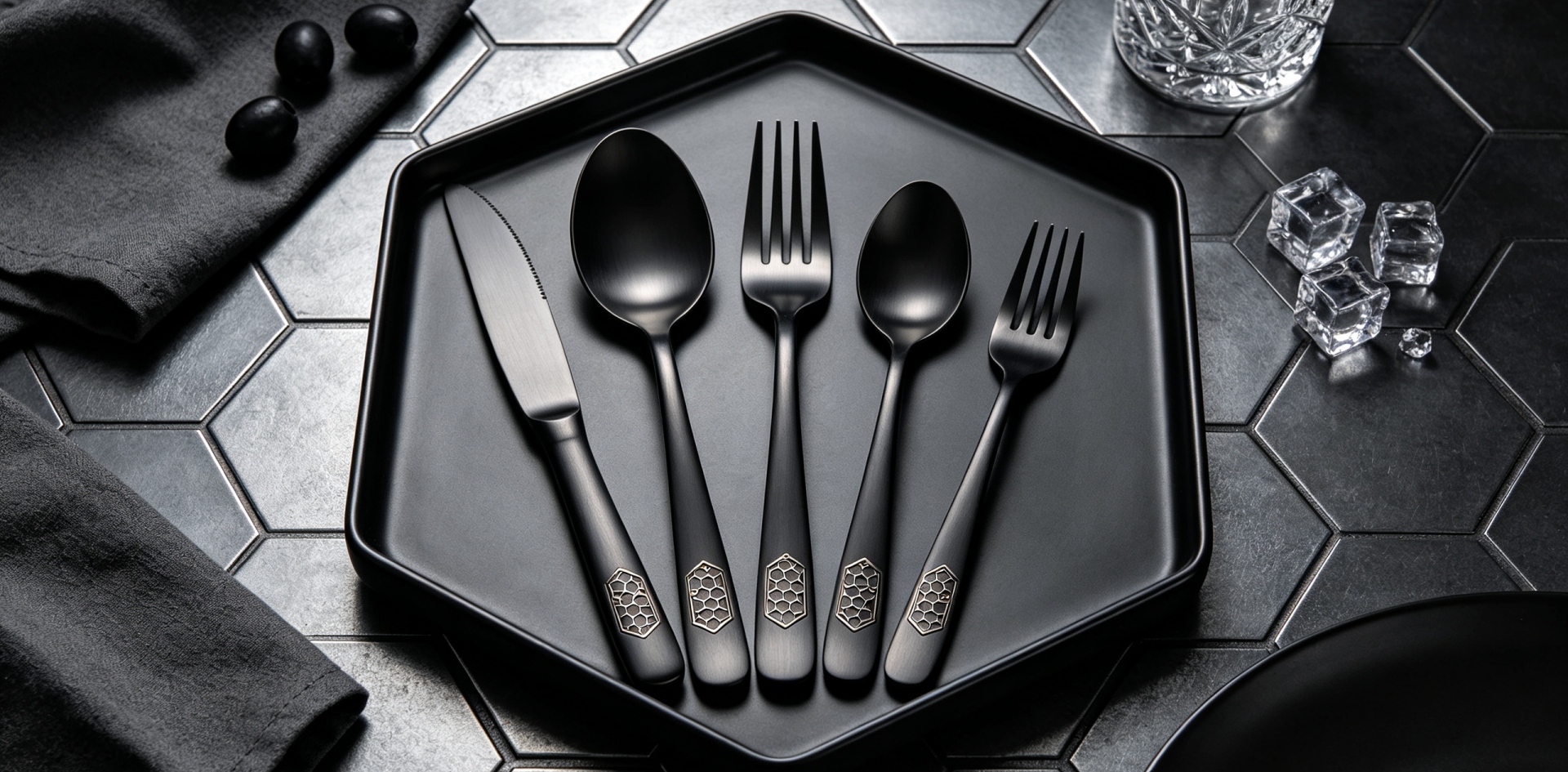
A stainless steel cutlery set is usually purchased as a collection rather than as completely independent knives, forks and spoons. For wholesalers, restaurant suppliers, distributors and private label brands, the relationship between each piece can have a direct influence on the appearance and commercial positioning of the entire collection.
A knife may have an attractive handle, and a spoon may have a practical shape, but if the three pieces do not look like part of the same series, the final collection can lose its visual consistency.
For B2B customers developing a new flatware range, the key is to establish a common design language across the knife, fork and spoon while allowing each piece to maintain its own functional requirements.
Homefelt factory specializes in stainless steel knives, forks, spoons and complete cutlery sets. The factory supports standard production as well as OEM, ODM and private label manufacturing for international B2B customers.
Why Series Consistency Matters in Stainless Steel Cutlery
When a buyer develops a complete cutlery collection, the first consideration is often the relationship between the handles.
The handle profile, overall length, decorative elements, surface finish and visual proportions should normally work together. This does not mean every piece must have exactly the same dimensions. Instead, each piece should share recognizable design characteristics.
For example, a collection may use the same handle outline across a dinner knife, dinner fork and tablespoon. The handle width may vary slightly according to the function of each product, but the overall visual language remains consistent.
This approach is particularly important for private label brands because customers usually see the collection as one product family.
Important Parameters When Developing a Cutlery Collection
A professional stainless steel cutlery specification should define more than the basic product name.
Overall length is one of the first parameters to establish. Knife, fork and spoon lengths should be considered together so that the collection has balanced proportions.
Handle length and width are also important. These dimensions affect both appearance and the way the product is held.
The shape of the handle should be defined through drawings, samples or other approved references. Curves, transitions and decorative details may require specific manufacturing considerations.
The bowl of a spoon requires its own dimensions, including length, width and depth. A fork requires attention to the head shape and tine arrangement. A knife requires a suitable blade profile and handle connection.
These details should be developed as a coordinated system instead of being selected independently.
Creating a Common Design Language
For a new flatware collection, buyers can start by identifying several elements that should remain consistent.
The handle silhouette is one of the most visible elements. A straight, tapered or curved handle creates a different overall impression.
The transition between the handle and functional section should also be considered. Consistent transitions can make the collection look more professionally developed.
Surface appearance is another element. A collection may use a polished, satin or other specified finish depending on the customer's target market.
Logo placement can also be standardized for private label projects. The brand mark should have a consistent position and appearance across different pieces whenever the design allows it.
By defining these elements at the beginning of the project, a manufacturer can use them as references when developing additional pieces.
From One Reference Product to a Complete Set
Some B2B customers do not begin with a complete collection. They may already have a spoon that they like and want to develop a matching knife and fork.
This is a common product-development situation.
The manufacturer can first review the existing sample, drawing or product reference and identify its main characteristics. These can include handle geometry, dimensions, surface treatment, decorative details and production requirements.
The next step is to translate these characteristics into a coordinated design for the remaining pieces.
For example, a spoon can become the visual reference for the handle design. The fork and knife can then be developed with matching handle proportions while their functional sections are adjusted according to their individual purposes.
This approach can be more efficient than designing three unrelated products from the beginning.
Project Experience in Stainless Steel Cutlery Manufacturing
B2B cutlery projects often involve several stages between the first product idea and final mass production.
A customer may provide an existing sample, product drawing, reference photograph or brand concept. The factory then needs to understand the intended product positioning and production requirements.
Homefelt has more than 40 years of experience in the stainless steel cutlery business and has experience working with well-known brands. This background allows the factory to support customers not only with production but also with product-development communication.
For an OEM or ODM project, the approved sample can become the reference for subsequent production and additional pieces in the same collection.
This is especially useful when a customer plans to expand from a basic three-piece combination into a larger flatware range.
Quality and Certification Support
A consistent product design also needs to be supported by reliable manufacturing capabilities.
When evaluating a stainless steel cutlery supplier, B2B buyers can consider factory experience, quality management systems, audit records and relevant certification information together with product samples.
Homefelt lists BSCI, SEDEX 4P, BRC and ISO9001 among its factory qualifications and audits, along with a Disney audit. The company also has FAMA and FSC certificates. These materials can provide additional information for customers evaluating a long-term manufacturing partner.
Certification and audit information should be considered alongside actual product specifications and approved samples. For international buyers, this combination provides a more complete basis for supplier evaluation.
OEM, ODM and Private Label Cutlery Development
Different customers may require different levels of customization.
A wholesaler may only need an existing stainless steel cutlery set with customized packaging.
A restaurant supplier may require specific knife, fork and spoon dimensions for a commercial project.
A private label brand may need a completely new collection, including handle design, logo application and customized packaging.
Homefelt can provide OEM, ODM and private label stainless steel cutlery manufacturing according to the customer's requirements.
The service can extend beyond the product itself. Depending on the project, Homefelt can coordinate product design, customization, packaging and transportation as part of a one-stop service solution.
This allows customers to communicate their requirements through one supplier rather than coordinating different companies for different stages.
A Customized Service Package for Different Buyers
There is no single cutlery specification that is suitable for every market.
A distributor may prioritize cost and efficient bulk production. A hotel supplier may focus on practical specifications and collection consistency. A private label brand may place greater emphasis on design, branding and packaging.
For this reason, Homefelt can develop a customized service package based on the customer's actual situation.
The customer can provide the target market, preferred design, estimated quantity, reference products and packaging requirements. The factory can then discuss the appropriate product configuration and manufacturing process.
This flexible approach helps transform a basic stainless steel cutlery order into a complete commercial product solution.
Supporting Long-Term Customer Growth
A successful cutlery supplier relationship should not end with one shipment.
When a customer develops a successful knife, fork and spoon collection, the same design language can potentially be extended to additional products and future orders.
Clear specifications, approved samples and consistent manufacturing processes can make future product development more efficient.
Homefelt's goal is to provide customers with dependable stainless steel cutlery manufacturing and one-stop support while growing together with customers over the long term.
For B2B buyers looking for a China stainless steel cutlery factory, the combination of manufacturing experience, product customization, quality documentation and coordinated service can provide a practical foundation for long-term cooperation.
Stainless Steel Table Knife Blade Design and Performance for B2B Buyers
Stainless Steel Cutlery Weight & Specification Guide for B2B Buyers
Related Article



