
Stainless Steel Cutlery Specification Compatibility for B2B
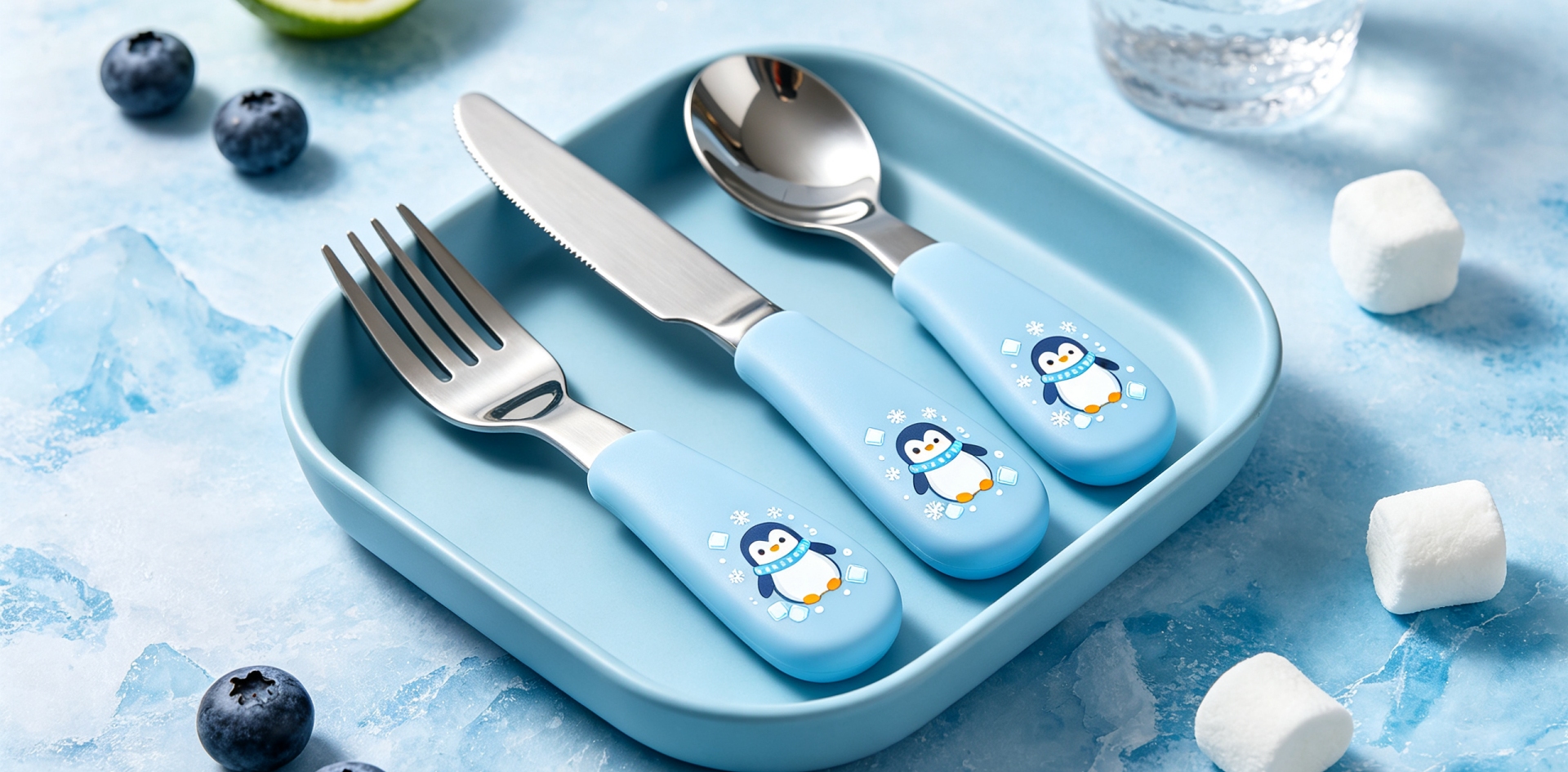
Stainless Steel Cutlery Specification Compatibility for B2B
When a B2B buyer develops several stainless steel cutlery products, each item may have its own specifications. However, the products are often expected to work together as one collection.
A knife, fork and spoon may have different functional shapes, but they still need to look and feel like they belong to the same product range.
For OEM, ODM and private label projects, checking specification compatibility can help buyers create a more coordinated collection and give manufacturers clearer production requirements.
What Does Specification Compatibility Mean?
Specification compatibility means that related products are developed with their differences and relationships clearly understood.
A dinner knife does not need to have exactly the same dimensions as a spoon. A fork naturally has a different functional structure.
Instead, compatibility means that important characteristics are considered together.
These can include overall length, handle proportions, material, surface finish, visual weight and design language.
For a B2B collection, the objective is to make individual products work together rather than evaluating every SKU completely independently.
Why It Matters for a Cutlery Collection
When products are sold individually, buyers may focus mainly on the specification of each piece.
When several products are presented as one collection, the relationship between them becomes more important.
For example, a handle that looks balanced on a spoon may appear too wide or too narrow when placed next to the matching fork and knife.
Similarly, different surface treatments may make products appear unrelated even when their basic shapes are similar.
Reviewing specifications across the collection can help identify these differences before commercial production.
Compare Overall Lengths
One of the simplest areas to review is the relationship between product lengths.
Knives, forks and spoons have different functional requirements, so their lengths will naturally vary.
However, the overall proportions should be considered together when they are intended to form a coordinated set.
For example, the handle lengths and functional sections can be reviewed as a group rather than only checking whether each individual product meets its own specification.
This can help create a more balanced appearance when the products are displayed together.
Review Handle Proportions
Handle design is often the visual link between different cutlery pieces.
A coordinated collection may use similar handle widths, transitions or design details while allowing each product to retain its functional characteristics.
For custom stainless steel flatware, buyers can discuss these relationships with the manufacturer during product development.
The objective is not to make every handle identical. It is to establish a clear design relationship.
Consider Material Specifications Together
Material requirements should also be consistent across related products unless the project specifically requires otherwise.
If a collection contains stainless steel knives, forks and spoons, the buyer should clearly communicate the intended material specification for each product.
This becomes particularly important when products are sourced from different references or when an existing design is being combined with a newly customized item.
A manufacturer can review the specifications together and identify any differences that need to be confirmed before production.
Keep Surface Finishes Compatible
A collection can use the same stainless steel material while still looking different because of surface treatment.
Polished and matte finishes, for example, create different visual effects.
If a buyer wants a coordinated collection, the finish requirements should therefore be considered across all related products.
For colored or specially finished cutlery, this becomes even more important because differences may be more noticeable when products are displayed together.
A clear finish specification gives the factory a better reference for production.
Consider Functional Differences
Compatibility should never mean sacrificing the functional requirements of a product.
A knife, fork and spoon perform different tasks, so their shapes naturally need to reflect those functions.
A spoon requires an appropriate bowl shape. A fork needs a practical head and tine arrangement. A knife requires a suitable blade profile.
The design relationship should therefore work around these functional differences rather than forcing every product into the same shape.
This balance is particularly important for custom collections.
Useful for Private Label Development
Private label brands often need their products to look consistent across an entire range.
A buyer may begin with a single product and later develop matching pieces.
If the specifications of the original product are clearly documented, they can provide a useful starting point for future development.
The manufacturer can then review the new product against the established design characteristics while maintaining its own functional requirements.
This can help the collection grow without losing its original visual identity.
Check Products Side by Side
One practical method is to review related cutlery pieces together.
Place the knife, fork and spoon side by side and compare:
-
Overall length
-
Handle proportions
-
Functional section proportions
-
Surface finish
-
Visual weight
-
Design details
-
Overall appearance
This type of comparison can reveal differences that may not be obvious when each product is examined separately.
For B2B product development, the goal is to make these relationships clear before a large quantity is manufactured.
Prepare a Shared Specification Reference
When several products belong to one collection, it can be useful to create a shared reference containing the characteristics that should remain consistent.
For example, the document may identify the preferred material, surface finish, general handle style and other collection-level requirements.
Each individual SKU can then have its own detailed specifications underneath the shared requirements.
This creates two levels of information: what is common across the collection and what is specific to each product.
Such a structure can be useful when a brand develops additional products over time.
Supporting OEM and ODM Manufacturing
For OEM and ODM projects, specification compatibility can help manufacturers understand how individual products are connected.
Homefelt factory specializes in stainless steel cutlery manufacturing and customization, including knives, forks, spoons and complete flatware sets for B2B customers.
Buyers can provide existing samples, drawings or product specifications, together with information about the intended collection. This gives the factory a clearer basis for developing compatible products.
From Individual Products to a Coordinated Range
A successful cutlery collection is more than a group of individual products.
Each knife, fork and spoon needs to satisfy its own functional requirements, but the products should also work together when presented as one commercial range.
Specification compatibility provides a practical way to manage this relationship.
By reviewing dimensions, materials, finishes, handle proportions and functional requirements together, B2B buyers can create a clearer product structure for manufacturing.
For distributors and brands, this can make the collection easier to present to customers. For private label programs, it can help maintain a recognizable product identity. For manufacturers, it provides clearer information for turning the collection into repeatable production.
If you are developing a coordinated stainless steel cutlery collection, sharing the relationship between your products with the manufacturer can be just as useful as providing the specifications of each individual item.
Custom Stainless Steel Flatware Collections
OEM & ODM Cutlery Manufacturing
Private Label Stainless Steel Cutlery
Stainless Steel Cutlery Specification Management for B2B
Stainless Steel Cutlery Distribution Programs for B2B Brands
Related Article



