
Stainless Steel Cutlery Surface Reflectivity for B2B Brands
Stainless Steel Cutlery Surface Reflectivity for B2B Brands
When buyers develop a stainless steel cutlery collection, surface appearance is often one of the first details customers notice. A knife, fork or spoon can have the same basic shape and material, yet appear very different depending on how its surface reflects light.
For B2B brands, retailers and distributors, understanding surface reflectivity can be useful when developing a custom stainless steel cutlery range.
The visual effect of a cutlery surface can influence how premium, modern, simple or distinctive a product looks. It can also affect how several pieces appear when displayed together.
For OEM, ODM and private label projects, surface reflectivity should therefore be considered as part of the overall product specification rather than treated as an isolated finishing detail.
What Is Surface Reflectivity in Stainless Steel Cutlery?
Surface reflectivity describes how strongly a surface reflects surrounding light.
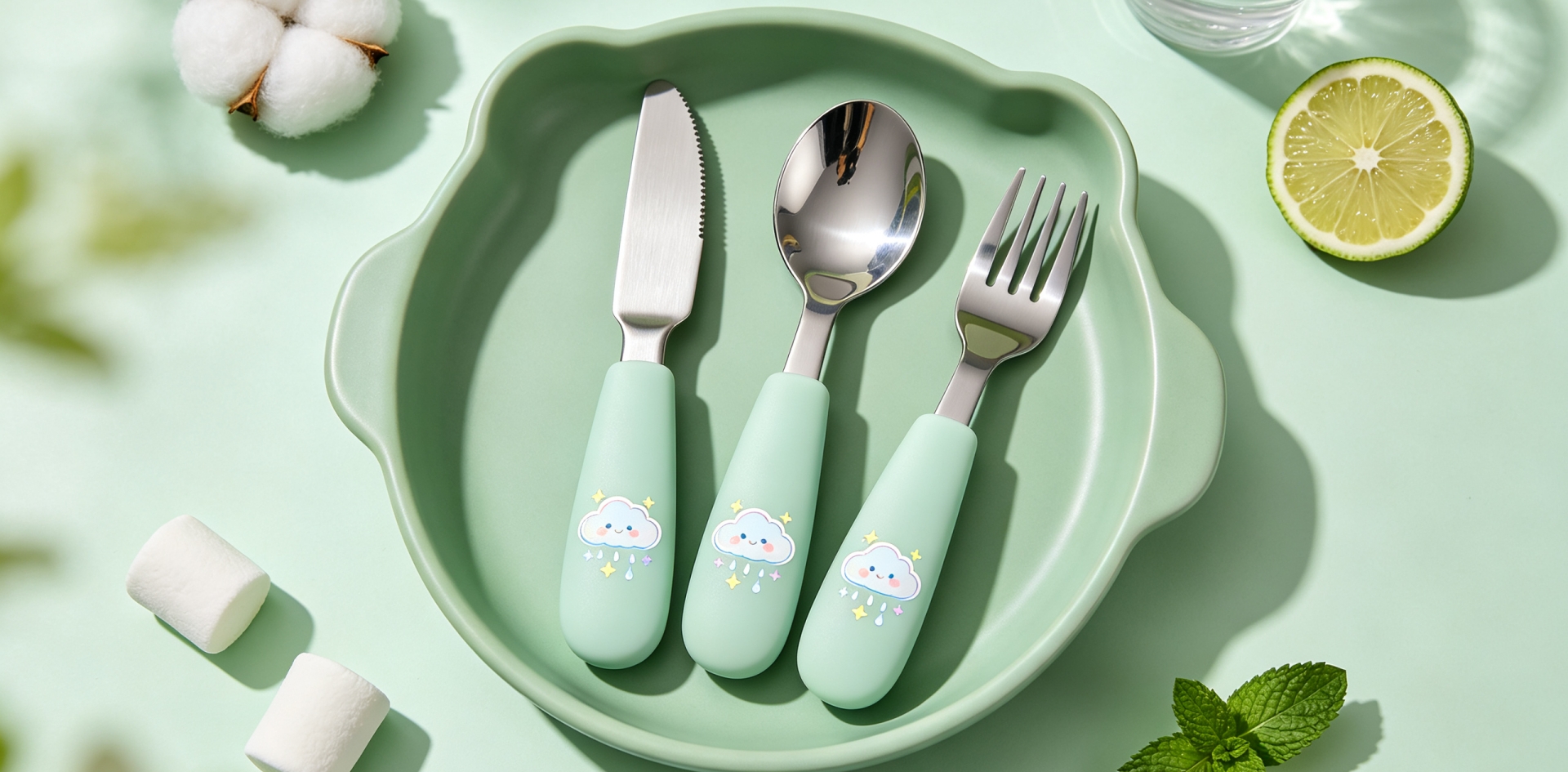
A highly reflective cutlery surface can produce a bright, mirror-like appearance. A less reflective surface can create a softer visual effect, allowing the shape and form of the product to become more prominent.
The difference can be particularly noticeable under retail lighting, restaurant lighting or showroom conditions.
Two stainless steel cutlery products may therefore use similar materials while creating different visual impressions because their surfaces interact with light differently.
Why Reflectivity Matters to B2B Buyers
For consumers, surface appearance may simply be a matter of preference. For a brand, however, it can become part of the product identity.
A retailer may want a bright and polished appearance for a premium collection. Another brand may prefer a softer appearance that fits a more contemporary design direction.
Hospitality buyers may have different priorities again, particularly when the cutlery needs to coordinate with existing tableware.
The important point is that there is no single visual effect suitable for every commercial project.
The desired appearance should be connected to the product's intended market.
Reflectivity and Cutlery Shape
Surface appearance can change how a cutlery design is perceived.
Curved handles, flat sections, rounded transitions and larger surfaces can reflect light in different ways. A highly polished surface may emphasize these differences.
For example, a curved handle can create changing highlights along its length. A flatter section may produce a more uniform reflection.
This means that surface treatment and product geometry should be considered together during custom development.
For a new OEM collection, a buyer may want to evaluate the actual sample under different lighting conditions before confirming the final specification.
Comparing Different Surface Effects
When developing a custom stainless steel cutlery collection, buyers may compare different surface appearances before selecting one direction.
The comparison can focus on:
-
Overall brightness
-
Reflection strength
-
Visual softness
-
Highlight distribution
-
Appearance under retail lighting
-
Consistency between different cutlery pieces
A physical comparison is particularly useful because photographs do not always reproduce metallic surfaces accurately.
The appearance shown on a screen can be influenced by lighting, camera settings and image processing.
For B2B product development, a physical sample provides a more reliable reference for evaluating the intended surface effect.
Keeping Knife, Fork and Spoon Appearance Consistent
A cutlery collection usually contains several different pieces.
The knife, fork and spoon have different geometries, so they will naturally reflect light differently. Even when the same surface treatment is applied, the visual effect can vary because of the shape of each product.
For a coordinated collection, the objective is not necessarily to make every reflection look identical.
Instead, the pieces should create a consistent overall appearance.
An experienced stainless steel cutlery manufacturer can consider the surface effect across different product shapes when developing a complete collection.
Reflectivity for Private Label Products
Private label brands often need a recognizable visual style.
The surface appearance of the cutlery can contribute to that identity, especially when the products are photographed for catalogs, websites or retail packaging.
A consistent appearance across the collection can also make individual products look more closely related.
For example, a brand may use the same handle design across several pieces while maintaining a consistent surface direction. The result is a collection that feels intentionally developed rather than assembled from unrelated standard products.
This can be particularly useful when the cutlery is being introduced as a new private label range.
Considering Lighting During Product Development
The same stainless steel cutlery product can look different in different environments.
A brightly illuminated showroom may emphasize reflections. Restaurant lighting may produce softer highlights. Retail displays may use directional lighting that makes polished surfaces appear particularly bright.
For brands developing products for visual presentation, it can therefore be useful to evaluate samples in more than one lighting environment.
This does not mean the manufacturer needs to reproduce every possible lighting condition. Rather, the buyer should understand how the selected surface interacts with the environment where the product will ultimately be displayed or used.
Surface Consistency in Bulk Production
Once a surface direction has been selected, maintaining consistency becomes important during larger production runs.
A B2B buyer may order thousands of pieces across several products. If the surface appearance varies noticeably between batches or between related products, the finished collection may not look consistent.
Clear specifications and approved physical references can help establish the intended appearance.
The manufacturer can then use these references when coordinating production and inspection.
For long-term private label programs, maintaining a consistent visual standard can also help future replenishment orders match the original collection.
Reflectivity and Product Photography
Surface reflectivity also affects how cutlery appears in product photography.
Highly reflective stainless steel can create strong highlights, reflections and bright areas. This can make photography more challenging but can also create an attractive premium appearance when handled correctly.
For B2B brands selling cutlery online, the product image is often an important part of the purchasing experience.
A consistent surface appearance helps the photographed products represent the actual collection more accurately.
For this reason, surface selection can be relevant not only to manufacturing but also to marketing and presentation.
Discussing Surface Requirements With the Factory
When requesting a quotation for custom stainless steel cutlery, buyers can describe the desired appearance as clearly as possible.
A useful specification may include:
-
Preferred visual effect
-
Reference sample or photograph
-
Desired brightness
-
Surface treatment direction
-
Products that should share the same appearance
-
Estimated order quantity
-
Intended sales channel
If a buyer has an existing sample, sending the reference can make the discussion easier.
The manufacturer can then assess the product requirements and determine how the requested appearance can be incorporated into production.
Custom Surface Development for OEM and ODM Projects
OEM and ODM programs provide more flexibility than simply selecting an existing catalog item.
A brand can develop the shape, handle, surface appearance and product combination according to its commercial requirements.
Homefelt factory manufactures stainless steel knives, forks, spoons and cutlery sets for B2B customers and supports OEM, ODM and private label projects.
For buyers developing a new collection, the factory can work from product references, drawings or initial concepts and discuss the manufacturing requirements for the proposed design.
This approach can be useful when surface appearance is an important part of the product identity.
Building a More Consistent Cutlery Collection
Surface reflectivity may seem like a small technical detail, but it can influence the overall appearance of a stainless steel cutlery collection.
For B2B buyers, the best approach is to define the desired visual direction before mass production and evaluate it through physical samples whenever possible.
When material, shape and surface appearance are considered together, the resulting product can be more closely aligned with the brand's intended market position.
Whether the project is a wholesale collection, OEM program or private label range, clear communication with the stainless steel cutlery manufacturer helps turn a visual concept into a practical production specification.
If your business is developing a new stainless steel knife, fork, spoon or cutlery set and has a specific surface appearance in mind, you can provide the reference and required quantity when requesting a quotation. This gives the factory a clearer starting point for discussing the project.
Custom Stainless Steel Cutlery Manufacturing
OEM & ODM Stainless Steel Flatware
Private Label Cutlery Production
Replacement Stainless Steel Cutlery for B2B Supply
Stainless Steel Cutlery Quantity Ratios for B2B Orders
Related Article



