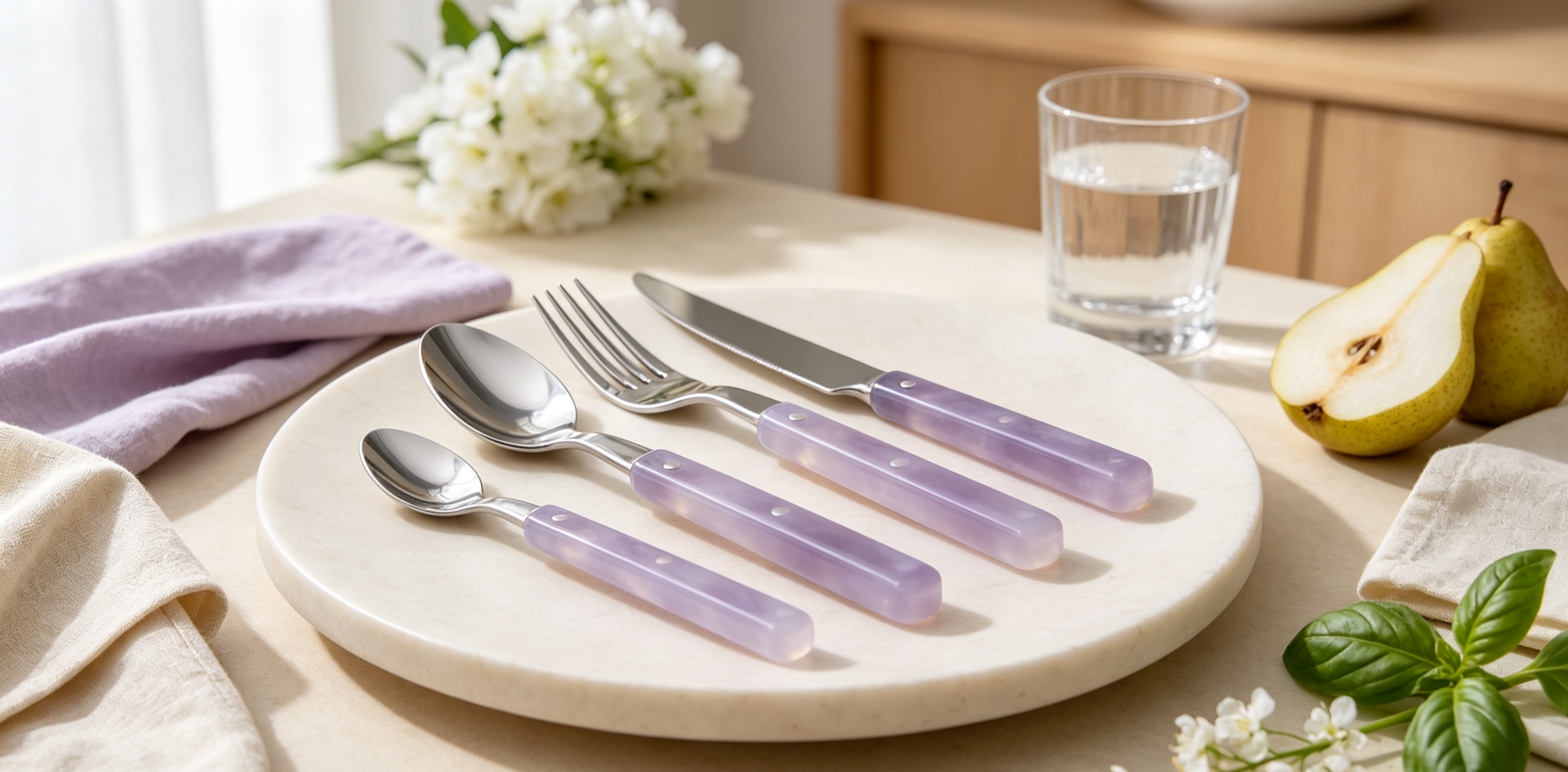
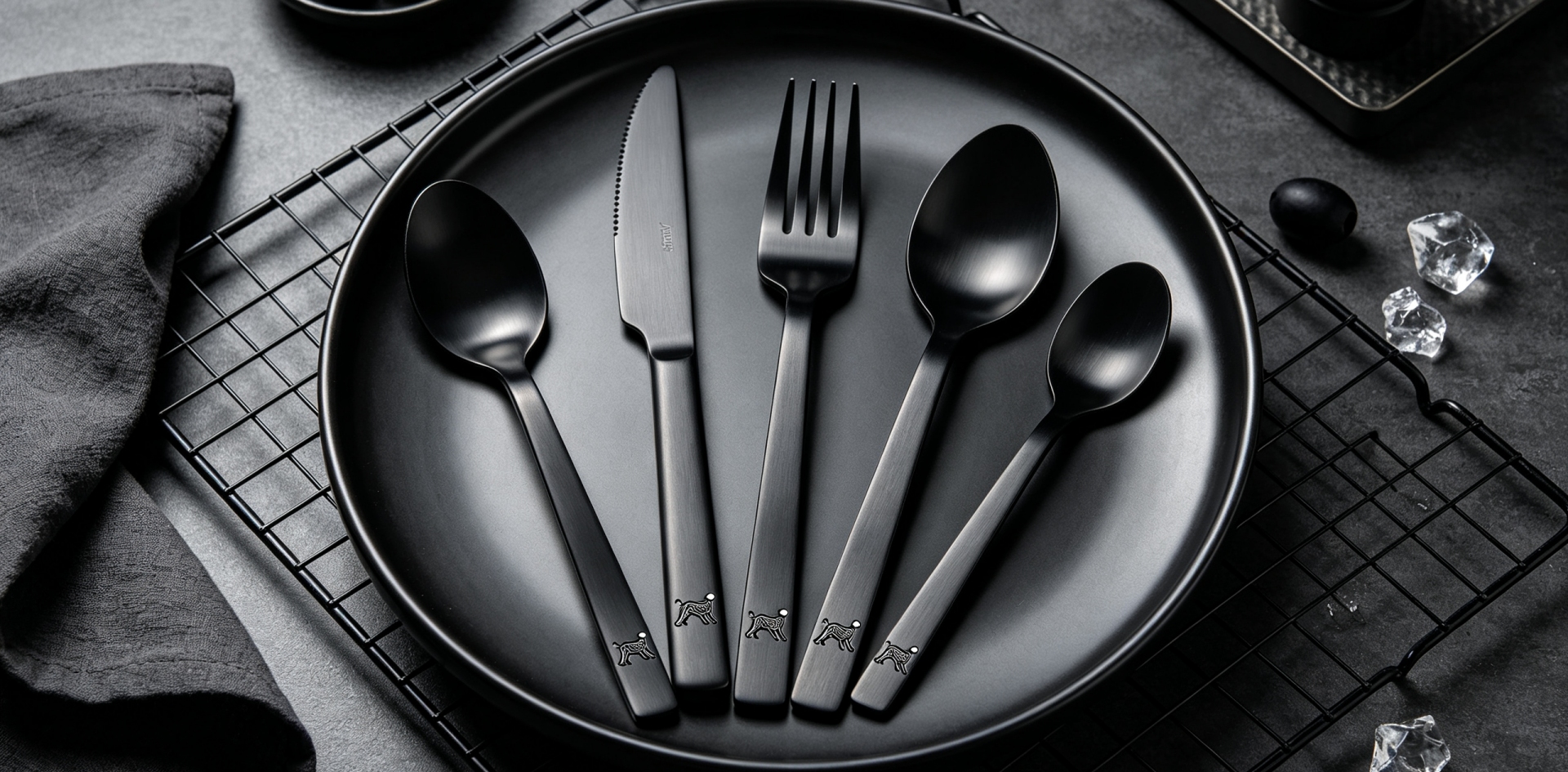
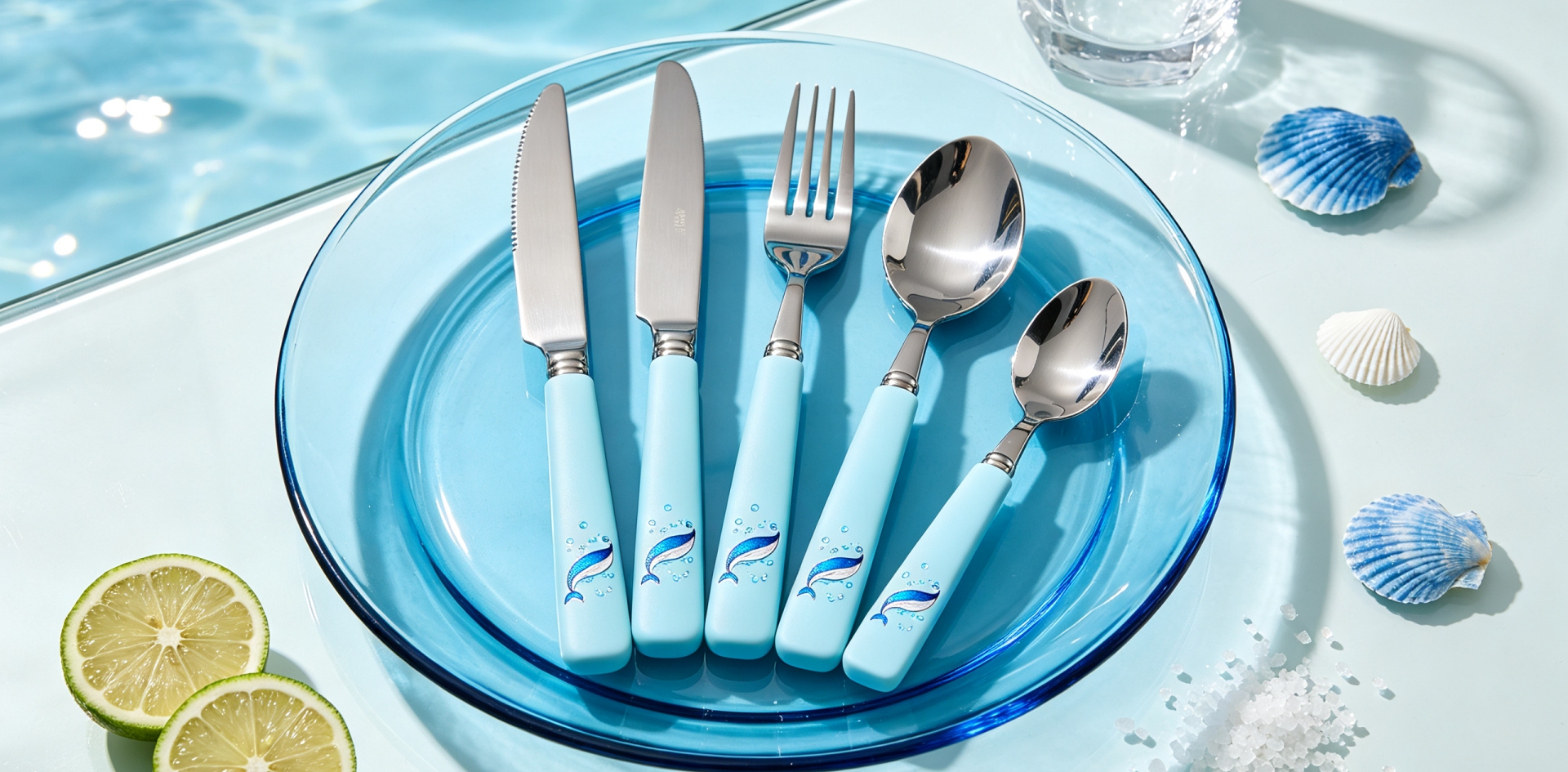
Stainless Steel Cutlery and Tableware Matching for B2B Collections
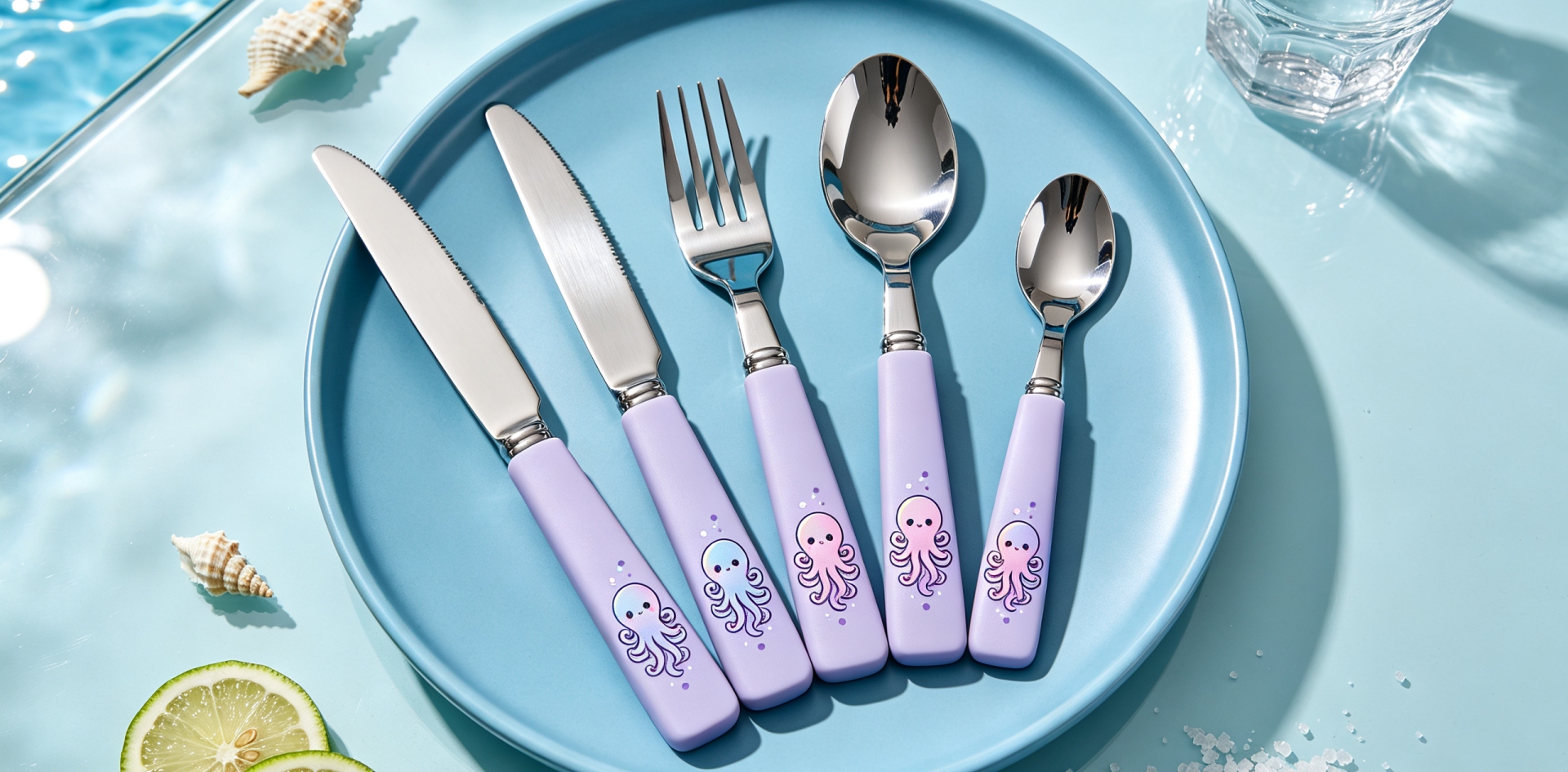
Stainless Steel Cutlery and Tableware Matching: Building a Complete B2B Tableware Collection
When customers look at a tableware collection, they rarely evaluate each product completely on its own. Stainless steel cutlery is placed next to plates, bowls, cups and other dining products, so the overall combination can have a strong influence on how the collection is perceived.
For B2B brands, distributors and wholesalers, this creates an interesting opportunity. Instead of treating cutlery as an independent product, it can be developed as part of a broader tableware concept.
A well-matched knife, fork and spoon can make an entire tableware range look more complete. The right proportions, surface appearance and design language can help different products work together without making the collection look overly complicated.
Why Cutlery Should Be Considered Alongside Tableware
A plate may be the main visual element on a dining table, but cutlery is one of the products that users interact with directly. Its shape, finish and proportions are visible whenever the table is prepared.
If a tableware brand uses modern plates with simple geometric lines, a highly decorative cutlery design may not create the desired result. Likewise, a classic ceramic collection may benefit from a more traditional stainless steel flatware style.
The goal is not necessarily to make every product identical. Instead, the different products should share enough visual characteristics to feel like part of the same collection.
For B2B buyers, this can be particularly valuable when building a coordinated product range for retail, hospitality or distribution.
Matching Design Without Making Every Product the Same
A common mistake in collection development is trying to make every item look exactly the same. In practice, a successful tableware collection often works better when the products have their own individual characteristics while still following a common design direction.
For example, the cutlery may use a clean and understated handle shape while the plates feature a simple decorative rim. The products do not need to copy each other, but they can share a similar sense of proportion and visual simplicity.
Another approach is to use one common design element across the collection. A subtle curve, a particular surface treatment or a recognizable proportion can connect stainless steel flatware with other tableware products.
This gives brands more freedom when developing their product ranges.
The Importance of Cutlery Proportions
The proportions of a knife, fork or spoon can change the way the entire table setting looks.
A slim flatware design may suit lightweight or minimalist tableware. A more substantial design can create a stronger presence alongside larger plates and heavier ceramic products.
The relationship between the handle and functional part of the cutlery also matters. When the proportions are well balanced, the products can look natural when placed together on a table.
For manufacturers, these details can be considered during the development of custom stainless steel cutlery. Instead of selecting a product only because it looks attractive individually, B2B customers can evaluate how it will appear as part of their complete collection.
Surface Appearance and Collection Consistency
The surface of stainless steel cutlery can also influence how it works with other tableware.
A polished finish creates a bright and reflective appearance. A more subdued surface can give the collection a softer and more contemporary feeling.
The right choice depends on the overall product concept. A brand selling refined ceramic dinnerware may want a different flatware appearance from a company developing a casual everyday tableware collection.
For OEM projects, the desired appearance should therefore be considered together with the shape and design of the cutlery.
Building a Tableware Collection for Retail
Retail brands often need products that can be presented together both online and in physical stores.
When stainless steel cutlery matches the visual direction of plates and other tableware, it becomes easier to create coordinated product photography and merchandising.
A customer may first purchase a dinnerware set and later add matching flatware. If the products have a coherent appearance, the retailer has more opportunities to create complementary sales.
For wholesalers and distributors, coordinated collections can also make product selection easier for their customers. Instead of offering unrelated individual products, they can provide a more complete tableware solution.
Custom Cutlery for Tableware Brands
A tableware brand does not always need a completely new cutlery design. Sometimes an existing stainless steel flatware shape can be adapted to better suit the brand's collection.
Other projects may require a more specific OEM or ODM approach, particularly when the brand wants a distinctive handle, special proportions or a particular design direction.
The starting point can be relatively simple. A buyer can provide photographs of existing tableware, drawings, product references or a general description of the desired style.
The manufacturer can then review the information and discuss which type of stainless steel knife, fork, spoon or cutlery set would work best with the existing products.
This approach allows the cutlery to be developed with the rest of the collection in mind rather than being selected at the last stage.
Why B2B Buyers Should Share Their Existing Tableware
When discussing a custom cutlery project, product references from the buyer can be extremely useful.
For example, a photograph of the brand's current dinner plate can provide information about its shape, proportions and overall visual direction. A drawing or product catalogue can provide even more detail.
With this information, a stainless steel cutlery manufacturer can better understand what the buyer is trying to achieve.
This is especially helpful for private label projects. The manufacturer is not simply producing a standard item; the objective is to create a product that makes sense within the customer's existing brand.
Creating Opportunities for Product Bundling
A coordinated tableware collection can also create opportunities for product bundles.
A brand may combine dinner plates, bowls and stainless steel cutlery into a complete dining set. A distributor may offer matching flatware alongside dinnerware to commercial customers. A retailer may present several complementary products as one table-setting concept.
These possibilities make cutlery more than an individual SKU. It can become part of a wider commercial product strategy.
For manufacturers, this also means being able to supply different combinations of knives, forks, spoons and cutlery sets according to the customer's project requirements.
OEM Manufacturing for Complete Product Concepts
When a brand has a clear tableware concept, working with an experienced stainless steel cutlery manufacturer can simplify the development of the flatware portion of the collection.
The buyer can focus on the desired market position, design direction and commercial requirements, while the manufacturer contributes knowledge about stainless steel cutlery production and customization.
This can be useful for both established brands expanding their product lines and new brands preparing their first tableware collection.
A custom project may start with one cutlery set and later develop into several related products. If the initial design direction is clear, future products can be developed with the same overall identity.
From a Matching Idea to a B2B Cutlery Order
Good tableware matching starts with understanding the complete product concept.
Before requesting a quotation, B2B buyers can prepare information such as existing tableware references, preferred cutlery styles, target quantities, packaging requirements and any customization ideas.
The more clearly the manufacturer understands the project, the easier it becomes to recommend a suitable production solution.
For brands, wholesalers and distributors, this can turn a simple request for stainless steel cutlery into a more focused product development project.
Whether the requirement is for a standard flatware set, a customized knife and fork combination or a complete private label cutlery collection, an experienced manufacturer can help turn the concept into products suitable for wholesale and bulk production.
If you are developing a new tableware collection and need stainless steel cutlery that fits your existing product style, you can send your tableware references and requirements to a manufacturer for evaluation. This gives both sides a practical starting point for discussing an OEM, ODM or private label project and preparing a quotation.
Request a Quote for Custom Stainless Steel Cutlery
Develop an OEM Flatware Collection for Your Brand
Edelstahl-Tafelmesser im B2B: Wie die Klingenform Funktion und Design verbindet
Forme du cuilleron en inox : un détail important pour les projets B2B
Related Article