
Stainless Steel Cutlery User Experience for B2B Brands
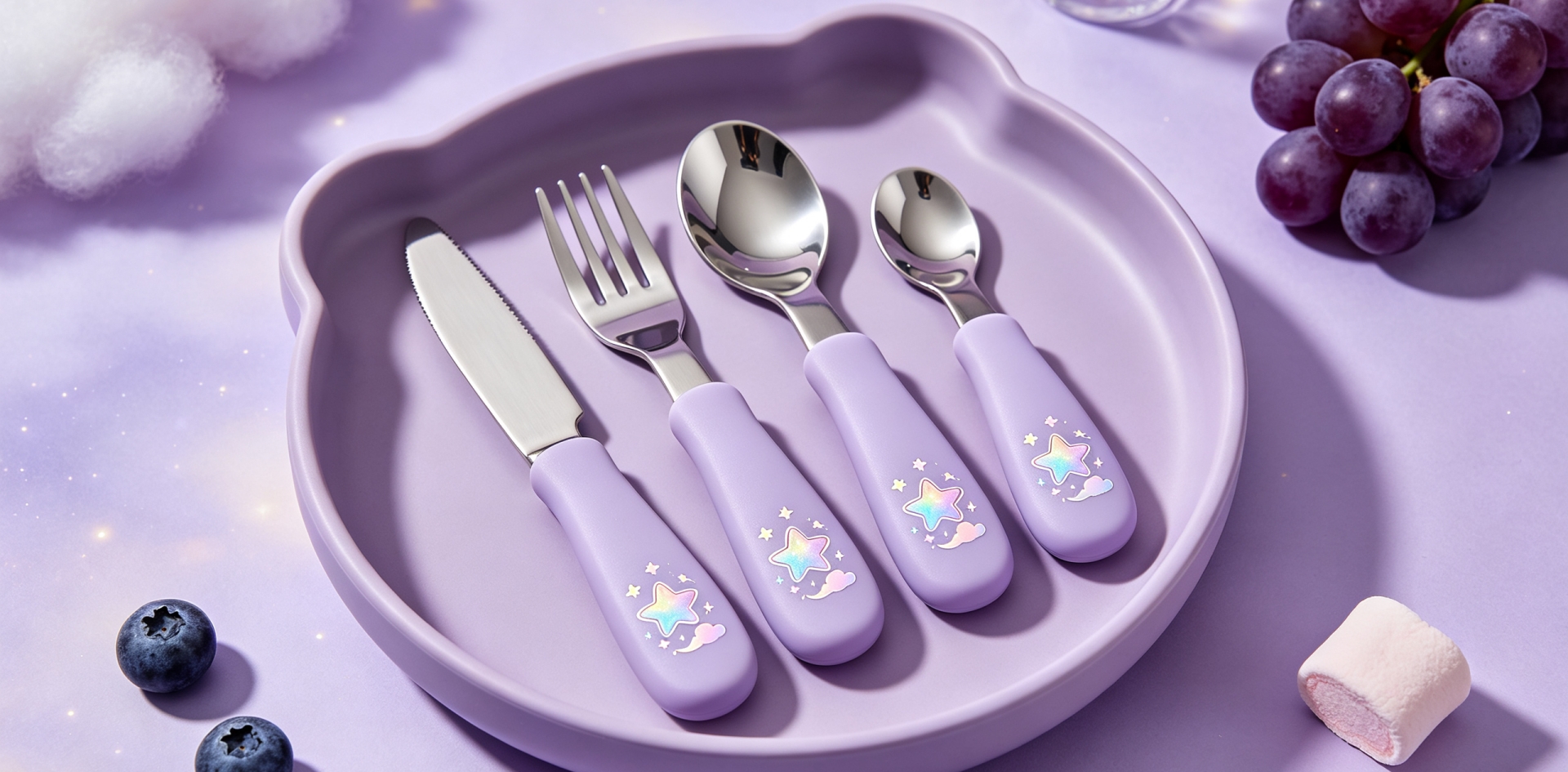
Stainless Steel Cutlery User Experience for B2B Brands
When buyers develop a stainless steel cutlery collection, product specifications usually come first. Material, dimensions, finish, weight and appearance are all important when preparing a new product for the market. But once the cutlery reaches the end user, another factor becomes equally important: how the product feels and behaves during everyday use.
For B2B brands, distributors, retailers and hospitality buyers, user experience is not simply about appearance. A knife should feel natural when held, a fork should be comfortable during repeated use, and a spoon should work naturally with different foods. These details may appear small individually, but together they shape how customers perceive a cutlery collection.
This makes user experience an important consideration when developing custom stainless steel knives, forks, spoons and complete flatware sets.
Why User Experience Matters in B2B Cutlery
Stainless steel cutlery is a product that people interact with repeatedly. Unlike decorative products that may spend most of their time on display, cutlery is picked up, held, moved, used and cleaned on a regular basis.
For a B2B buyer, this means the product needs to work beyond a product photograph.
A retail customer may first notice the appearance of a flatware set, but the long-term impression comes from actual use. Similarly, a restaurant or hotel may select a collection based on its visual style, while staff and guests experience the practical characteristics of the product every day.
A successful cutlery design therefore needs to connect visual identity with practical usability.
The Relationship Between Form and Handling
The shape of stainless steel cutlery directly influences how users interact with it.
A handle may have a modern straight profile, a softer curved shape or a more decorative design. Each approach creates a different physical experience when the product is held.
The transition between the handle and the functional head is also important. A smooth transition can help the product feel more natural in the hand, while a highly distinctive transition may create a stronger visual identity.
For custom B2B projects, these design decisions should be considered together rather than separately.
A brand may have a particular visual concept, but the final product still needs to function naturally when used during a real meal.
Knife, Fork and Spoon Experience
Although knives, forks and spoons are normally sold as one collection, users interact with each piece differently.
A knife needs to provide a controlled grip while the user moves it across food. The fork needs to feel secure during repeated lifting and handling. The spoon needs to allow the user to collect food comfortably while maintaining a natural hand position.
This means a complete flatware collection should not be developed only from a visual matching perspective.
The pieces should look like part of the same family while maintaining the practical characteristics required by their individual functions.
For OEM and ODM customers, this is especially relevant when creating a new collection from an original design concept.
Testing the Product in Real Use
Computer drawings and product photographs are useful during product development, but they cannot completely replace physical testing.
A sample allows buyers to hold the cutlery, use it with food and evaluate the overall experience.
During testing, buyers can consider several practical questions.
Does the handle feel natural during repeated use?
Does the product feel comfortable when held for several minutes?
Does the shape support the intended way of using the knife, fork or spoon?
Does the product still feel appropriate when used with the other pieces in the collection?
Does the actual product match the impression created by the original design?
These questions are particularly useful before a large production order is confirmed.
Different Buyers May Have Different Priorities
User experience is not identical for every market.
A retail brand may focus on how comfortable a product feels to consumers at home. A hospitality buyer may place greater importance on repeated handling throughout the day. A premium private label brand may want a more distinctive combination of appearance and tactile experience.
Because of these differences, there is no single design formula that applies to every B2B cutlery project.
The manufacturer needs to understand the intended market and usage environment before translating a concept into a production-ready product.
This is one reason communication during custom development is important.
Designing for Repeated Use
Cutlery is rarely used only once. A typical product can be handled several times during a single meal and then repeatedly used over a much longer product lifecycle.
For commercial buyers, this repeated interaction makes practical design especially important.
A handle that looks attractive but feels uncomfortable after extended use may create a different customer experience from what the original design intended.
For this reason, B2B buyers can evaluate custom samples under realistic conditions rather than only checking them immediately after unpacking.
Using the product normally, comparing several pieces and asking different users for practical feedback can reveal details that are difficult to identify from specifications alone.
Consistency Across a Collection
A complete flatware collection should create a coherent experience.
The knife, fork and spoon may have different functional requirements, but their handles, proportions and overall visual language should work together.
For private label brands, this consistency can become part of the identity of the product range.
When customers see or use several pieces together, differences in construction can become noticeable. A coordinated approach to the collection helps ensure that individual products feel related rather than simply grouped together.
For B2B buyers ordering multiple SKUs, this is another reason to review representative samples across the range.
User Experience and Product Differentiation
Many stainless steel cutlery products may appear similar when viewed in a catalog. Differentiation can therefore come from the combination of design, usability and overall product experience.
A custom handle profile, a distinctive collection concept or a carefully developed relationship between the knife, fork and spoon can give a brand a more recognizable product identity.
The goal is not necessarily to make every detail unusual. In many cases, a well-balanced design that feels natural in everyday use can be more commercially practical than a highly complicated construction.
For B2B buyers, the right level of differentiation depends on the target market, expected price level and brand positioning.
How a Factory Supports User-Focused Development
Turning a design concept into a production-ready stainless steel cutlery product requires more than reproducing an image.
The manufacturer needs to understand the intended construction and determine how the design can be produced consistently at commercial volume.
This is particularly important for OEM and ODM projects where the buyer may start with a drawing, reference product or general design idea rather than an existing production specification.
A capable stainless steel cutlery factory can help translate those requirements into practical product samples and then refine the details before mass production.
Homefelt Factory for OEM and Private Label Cutlery
Homefelt Factory focuses on stainless steel knives, forks, spoons and complete flatware sets for B2B customers.
The factory supports OEM, ODM, private label, wholesale and bulk production projects, allowing buyers to develop products around their own specifications and market requirements.
For a new project, buyers can provide drawings, reference samples, product photographs or basic design concepts. The development process can then focus on the details that matter to the intended application, including appearance, handling and the relationship between different pieces in the collection.
For brands developing their own flatware range, this approach provides a practical path from an initial product concept to a production-ready collection.
Preparing a Better Custom Cutlery Brief
Before contacting a manufacturer, B2B buyers can prepare several basic pieces of information.
The intended market should be clear. The buyer can also provide the preferred cutlery types, approximate quantities, target product style, material requirements, surface treatment and any available reference designs.
If the products are intended for a specific type of use, this information can also be included.
The more clearly the intended application is described, the easier it becomes to discuss the product with a manufacturer and determine which details need attention during sampling.
A clear product brief does not need to contain every technical detail from the beginning. It simply needs to communicate the direction of the project well enough for the manufacturer to understand the buyer's expectations.
From Product Concept to B2B Production
The best custom cutlery projects combine commercial requirements with practical product development.
A stainless steel flatware set needs to look appropriate for its target market, but it also needs to feel natural when people actually use it.
For B2B brands, this creates an opportunity to develop products that are not based only on appearance. By evaluating real handling, practical use and collection consistency during the sample stage, buyers can make more informed decisions before moving to larger production quantities.
This is particularly valuable for private label programs, where the finished cutlery becomes part of the brand's product range and customer experience.
When design, function and manufacturing requirements are considered together, a custom stainless steel cutlery project can move from a simple product idea toward a more complete commercial solution.
Stainless Steel Cutlery Gift Sets for B2B Brands
Stainless Steel Fork Tine Spacing for B2B Custom Designs
Related Article



