
Stainless Steel Cutlery Version Control for B2B Projects
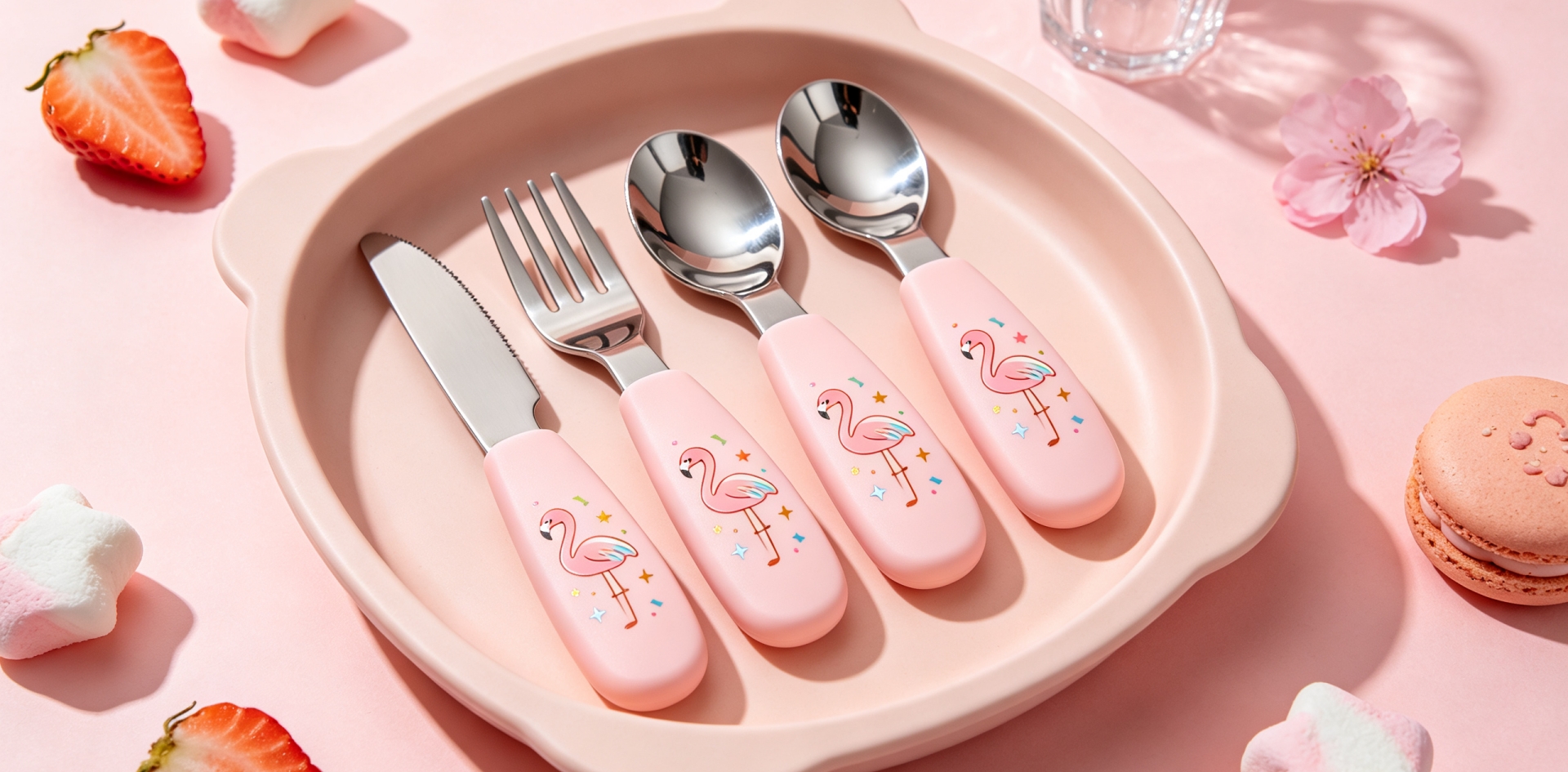
Stainless Steel Cutlery Version Control for B2B Projects
Custom stainless steel cutlery projects often develop through several stages. A buyer may begin with an existing product, request design changes, develop a sample and eventually create a final version for bulk production.
When a project contains several knives, forks, spoons or complete flatware sets, keeping track of these versions becomes increasingly important.
For B2B buyers working with an OEM, ODM or private label stainless steel cutlery manufacturer, clear product version control can help reduce confusion and keep communication focused on the correct product.
Why Product Versions Matter
A stainless steel cutlery product can change in relatively small ways during development.
A handle may be adjusted. A surface finish may be changed. A spoon bowl may be modified. A knife profile may be refined.
Each change can create a different production version.
If the buyer and manufacturer are not referring to the same version, a discussion that appears clear to one side may be interpreted differently by the other.
This is why version identification becomes particularly useful when a project includes several development stages.
Give Each Product a Clear Reference
A simple reference system can make a large B2B cutlery project easier to manage.
Instead of describing a product only as "the new spoon" or "the revised fork," the buyer and factory can use a clear product reference.
The reference may be connected to the buyer's own SKU system or to a project-specific naming structure.
The important point is consistency.
When everyone uses the same reference, it becomes easier to discuss samples, specifications and future production without repeatedly describing the complete product.
Separate Product Versions From Product Families
A product family and a product version are not necessarily the same thing.
For example, a brand may have a complete stainless steel flatware collection containing knives, forks and spoons. Within that collection, an individual spoon may have several development versions before reaching its final production form.
Keeping these concepts separate makes the project easier to understand.
The collection identifies the commercial relationship between products, while the version reference identifies the current state of an individual product.
This distinction can be particularly helpful for brands developing several products simultaneously.
Identify What Has Changed
When a new version is created, the change should be identifiable.
The purpose is not to create unnecessary administrative work. It is simply to make the development history easier to understand.
A buyer may request a change to the handle, finish or proportions of a cutlery piece. The next version can then be discussed specifically in relation to that change.
This gives the manufacturer a clearer understanding of what the buyer is evaluating.
It also helps prevent an earlier version from accidentally becoming the reference for a later discussion.
Version Control in OEM Projects
OEM cutlery projects can involve designs supplied by the customer as well as products developed jointly with the factory.
In either case, product references become useful once several revisions are involved.
The buyer may provide a reference drawing, the manufacturer may prepare a sample, and the buyer may then request modifications.
As the project progresses, each version should remain distinguishable from previous versions.
This is especially relevant when several products are being developed for one private label collection.
Version Control for ODM Development
ODM projects can involve even more product development discussion because the manufacturer may contribute ideas based on existing production experience.
The buyer may select a general design direction and then work with the factory to adjust details for the intended market.
Several versions may be reviewed before the final product is selected.
A clear reference system helps both sides understand which product is currently under discussion.
It also makes communication easier when multiple products are being developed at the same time.
Managing Versions Across a Collection
A B2B customer may develop an entire flatware collection rather than a single product.
In this situation, version control should remain easy enough to use across all products.
Each knife, fork and spoon can have its own product reference while remaining connected to the overall collection.
This approach allows the buyer to discuss one specific item without losing the relationship between the individual product and the complete collection.
For a private label brand, this can be useful when new products are introduced over time.
A new spoon may be developed as an extension of an existing collection without changing the identity of the products that are already established.
Keep Commercial and Production Information Connected
Product version information should ultimately support manufacturing.
The goal is not simply to create a history of design changes. The manufacturer needs to know which version is intended for actual production.
This becomes particularly important before a bulk order.
If several similar products have been developed during the project, the buyer and factory should have a shared understanding of which version represents the commercial product to be manufactured.
Clear communication at this stage can help prevent confusion between development versions and production versions.
How Homefelt Supports Custom Cutlery Projects
Homefelt has more than 40 years of experience in the stainless steel cutlery business and works with international B2B customers on customized knives, forks, spoons and flatware collections.
The factory supports OEM, ODM and private label manufacturing as well as wholesale and bulk orders.
For custom projects, customers can provide their product concepts, reference samples, drawings or other available information. The factory can then discuss the practical manufacturing requirements and support the development process.
When several products or versions are involved, clear product references help keep communication focused on the correct item.
This is particularly valuable for customers developing a complete private label collection rather than ordering a single standard product.
From Development Versions to Bulk Manufacturing
Product development naturally involves changes.
The important point is to ensure that those changes remain understandable to everyone involved.
A clear version reference allows the buyer to compare different development stages, communicate specific feedback and eventually identify the version intended for commercial production.
Once the final product has been established, the same reference can continue to support future B2B purchasing.
This can be especially useful for repeat orders, where the customer wants to reorder an established product rather than restart the development process.
For importers, distributors and private label brands, good version control therefore supports both product development and long-term supply.
When a stainless steel cutlery project involves several products, customized designs or multiple development stages, using clear product references from the beginning can make communication with the manufacturer much more efficient.
If you are developing a new OEM, ODM or private label cutlery project, you can send your product references, drawings, samples or initial concepts together with your estimated quantities. This gives the factory a practical basis for discussing customization and preparing a B2B quotation.
Custom Stainless Steel Cutlery Manufacturing
Private Label Stainless Steel Cutlery
Stainless Steel Cutlery Cost Structure for B2B Buyers
Stainless Steel Cutlery Market Entry for B2B Brands
Related Article



