
Stainless Steel Cutlery Version Management for OEM and Bulk Production
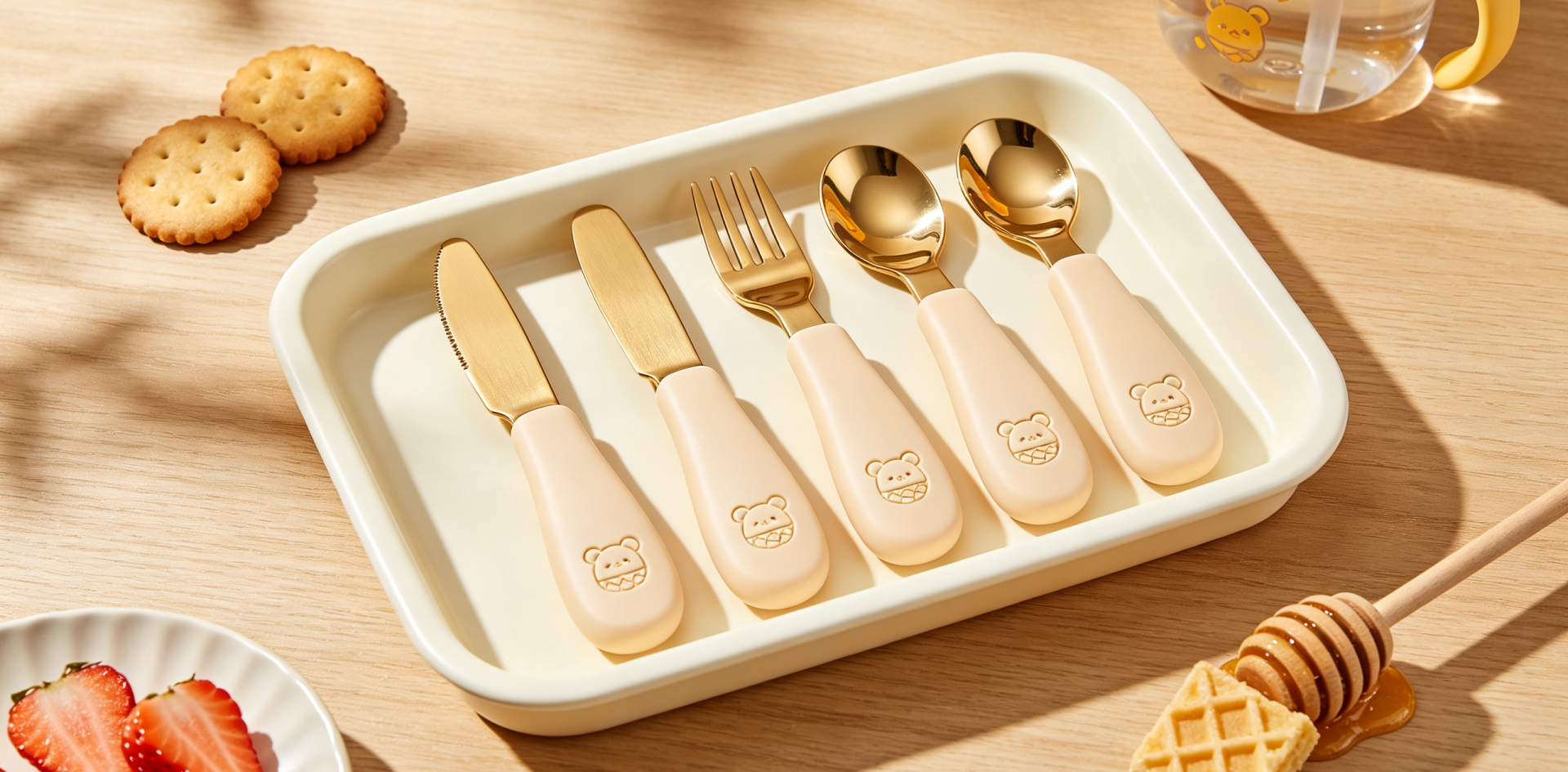
Stainless Steel Cutlery Version Management for OEM and Bulk Production
A stainless steel spoon, fork or knife may remain in a customer's product range for many years. During that time, a design can go through revisions, packaging can change, new products can be added and different order quantities may be placed.
For B2B cutlery buyers, keeping track of these product versions is therefore an important part of long-term purchasing. Clear version management helps ensure that the factory is manufacturing the correct product for each order rather than relying on an old drawing, outdated sample or previous communication.
For OEM, ODM and private label projects, this becomes particularly valuable when a stainless steel flatware collection contains multiple related products.
What Product Version Management Means
Product version management means maintaining a clear reference for each approved stainless steel cutlery product and recording important changes when the product is updated.
A version can relate to a spoon, fork, table knife or complete flatware item. When a customer requests a change, the updated product should have a clear reference so the buyer and manufacturer know which version is approved for production.
The reference may be connected with:
-
Product drawings
-
Approved samples
-
Product specifications
-
Material information
-
Surface requirements
-
Branding requirements
-
Packaging information
-
Production notes
The objective is simple: the customer and factory should be referring to the same product.
Why Version Control Matters for OEM Cutlery
OEM products are often developed specifically for one customer. This means the final product may differ from standard factory items.
A customer may initially approve one stainless steel spoon design and later request an adjustment. If the old and new information are not clearly separated, there is a possibility that different teams may work from different references.
This can create unnecessary confusion before production.
A clear version reference makes it easier to identify the current approved product and distinguish it from previous development stages.
For large B2B orders, this provides a stronger foundation for communication between purchasing, product development and manufacturing teams.
Managing Changes During Product Development
Product development is rarely completely static.
A buyer may begin with a reference product and then adjust the design after reviewing samples. A private label brand may also update its collection before launch based on its market requirements.
When changes occur, the important point is to document what has changed and which version should be used for production.
For stainless steel cutlery, the update may involve product dimensions, design details, material specifications, finish requirements or other customer-defined characteristics.
Not every change requires a completely new product. However, every production-relevant change should be clearly communicated so the factory can distinguish the approved version from previous versions.
Version Management Across Spoons, Forks and Knives
A complete flatware collection may contain several products that are developed at different times.
For example, a customer may first order a stainless steel spoon and later add a matching fork and table knife. If the collection is expanded over time, clear product references help the factory understand which products belong to the same collection and which versions are currently approved.
This is useful for private label brands that gradually expand their range.
It also helps wholesalers and distributors who may carry several stainless steel cutlery collections from the same manufacturer.
Keeping the product references organized can reduce unnecessary clarification when repeat orders are placed.
Supporting Repeat Orders
One of the biggest benefits of clear version management appears during repeat purchasing.
A customer may reorder a stainless steel cutlery item months after the original production. By that time, the factory may have completed many other projects.
A clear approved product reference gives both sides a reliable starting point for the new order.
Instead of describing the product again from the beginning, the customer can identify the approved version and confirm the required quantity.
This can make repeat purchasing more efficient and help reduce the possibility of accidentally using an outdated product reference.
Homefelt Factory Experience
Homefelt factory specializes in stainless steel spoons, forks, knives and complete flatware sets for international B2B customers.
With 40 years of experience in the stainless steel cutlery business, Homefelt has supported OEM, ODM, private label, wholesale and bulk production projects for international buyers and established brands.
Long-term manufacturing experience means that product development is not viewed as a one-time sample exercise. The product needs to remain understandable and reproducible when customers return for additional orders.
Homefelt has passed BSCI, SEDEX 4P, BRC and ISO9001-related audits and maintains relevant certification and testing documentation according to applicable project requirements.
These qualifications support the factory's broader manufacturing capability, while product documentation and approved references help connect development with repeat production.
Version Management for Private Label Collections
For a private label brand, a stainless steel cutlery collection can become an important part of its product identity.
As the collection grows, the buyer may introduce additional spoons, forks or knives, replace an existing item or update a product for a new market.
Keeping each approved product version clearly identified helps the manufacturer understand which items should continue unchanged and which items have been revised.
This is especially useful when a brand works with several product SKUs at the same time.
A structured product reference also gives the customer a clearer basis for future communication with the factory.
From Product Design to One-Stop Manufacturing
Homefelt can support customers from product design through stainless steel cutlery manufacturing, packaging and transportation.
For OEM and ODM projects, the customer's product concept can be developed into a production specification and managed through the manufacturing process.
For private label and wholesale customers, the same one-stop service can cover customized products, bulk production, packaging and delivery arrangements.
The service can be adjusted according to the customer's actual requirements rather than applying a fixed solution to every project.
This gives buyers a practical way to manage the complete product journey with one experienced stainless steel cutlery partner.
Building a Long-Term Product Reference
Good product version management is ultimately about protecting consistency.
When a customer has a successful stainless steel spoon, fork or knife collection, preserving the approved product reference makes future purchasing easier. It also provides a stronger foundation for collection expansion and long-term cooperation.
For a factory and buyer working together over multiple years, this can be more valuable than simply focusing on one individual purchase order.
Homefelt aims to be a long-term China service partner for stainless steel cutlery customers, helping them develop products, manage production and expand their collections while growing together through continued cooperation.
For product details, customization requirements or a quotation, contact ingrid@homefelt.net.
Stainless Steel Cutlery Specification Sheet for OEM and Bulk Production
Stainless Steel Cutlery Pilot Production for OEM and Bulk Orders
Related Article



