
Stainless Steel Cutlery Weight & Specification Guide for B2B Buyers
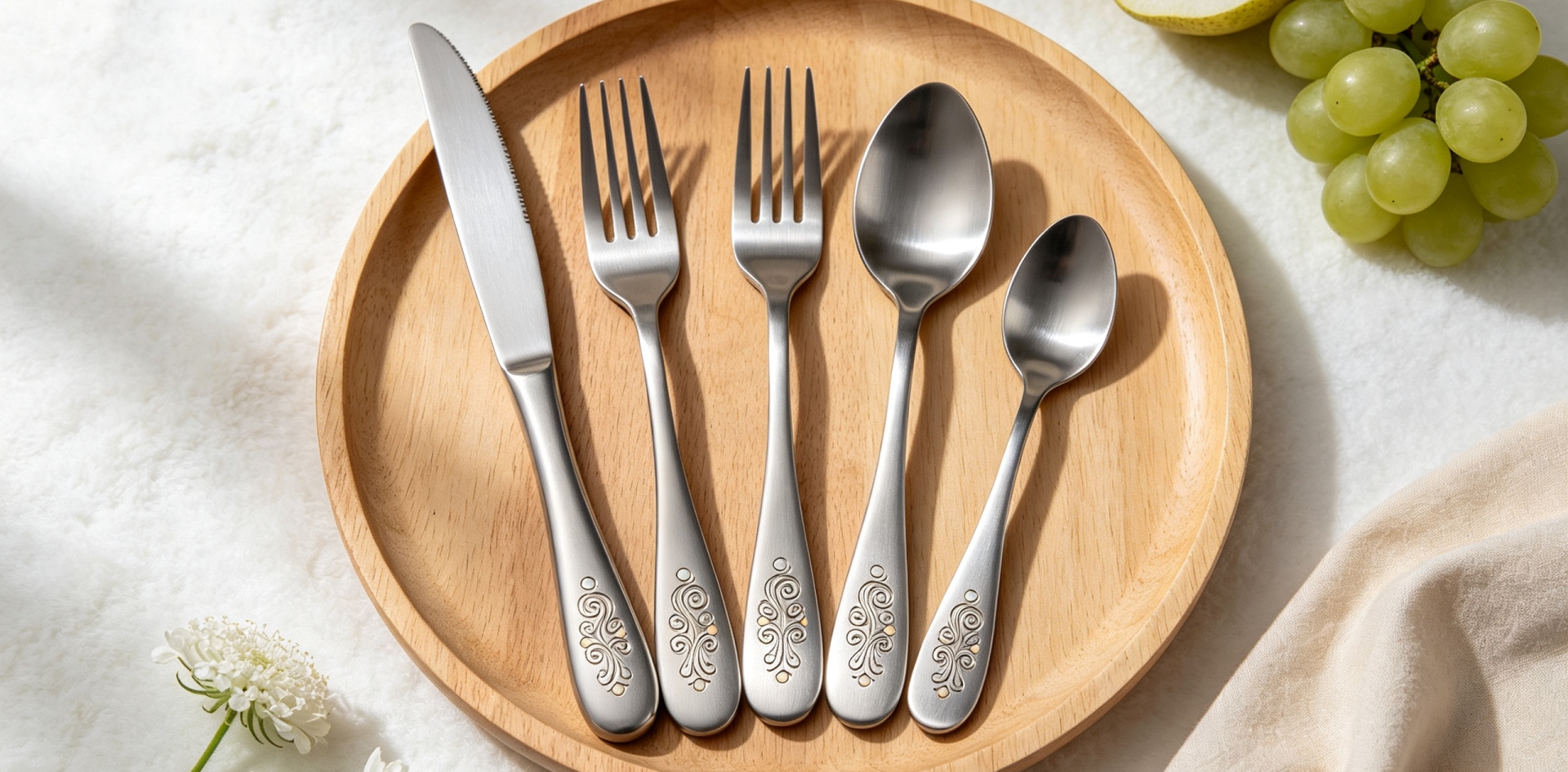
Stainless Steel Cutlery Weight & Specification Guide for B2B Buyers
When purchasing stainless steel cutlery in commercial quantities, buyers often focus first on material, appearance and price. However, weight and dimensions are also important product specifications that can influence the overall quality, handling and positioning of a knife, fork or spoon.
For wholesalers, distributors, restaurant suppliers and private label brands, a stainless steel cutlery product needs to meet a clear specification before it enters mass production. Small differences in length, thickness or weight can become much more noticeable when thousands of pieces are produced.
Homefelt factory focuses on stainless steel knives, forks, spoons and complete flatware sets for B2B customers. With more than 40 years of experience in stainless steel cutlery manufacturing, the factory supports standard wholesale products as well as OEM, ODM and private label projects.
Why Cutlery Weight Matters in Commercial Purchasing
The weight of stainless steel cutlery is closely related to its construction, dimensions and material thickness. A spoon that feels too light may not match the positioning of a premium collection, while a heavier product may be more suitable for customers looking for a substantial tableware experience.
Weight should therefore be considered together with the overall design rather than evaluated as an independent number.
For example, two stainless steel spoons may have similar lengths but different handle structures and thicknesses. Their final weights can be different even when the products look similar in photographs.
For B2B buyers, this is one reason why physical samples and confirmed specifications are valuable before a large order is placed.
Key Specifications for Stainless Steel Cutlery
A commercial stainless steel cutlery specification can include several measurable elements.
Product type is the first point. Buyers should identify whether the project requires a table knife, dinner fork, teaspoon, tablespoon, dessert spoon or a complete cutlery set.
Length is another important specification. The total length of a spoon or fork can affect the visual proportion of the collection and how it fits with other tableware.
Weight should also be confirmed. Depending on the product design and intended market, the buyer may have a target weight or acceptable tolerance.
Thickness can influence the rigidity, appearance and overall feel of the product. Different areas of the same cutlery piece may also have different structural requirements.
Handle dimensions and shape should be considered when developing custom products. A handle that looks attractive in a drawing still needs to be practical for manufacturing and comfortable for the intended application.
Surface treatment is another specification that should be recorded together with the physical dimensions so that the approved sample can be reproduced consistently.
How B2B Buyers Should Define a Cutlery Specification
A useful specification sheet does not need to be complicated.
A buyer can begin with:
Product: knife, fork, spoon or complete set
Material: required stainless steel grade
Length: target overall dimension
Weight: target weight or acceptable range
Thickness: required construction
Handle: shape, size and design reference
Finish: required surface appearance
Logo: branding requirements if applicable
Quantity: estimated order volume
Packaging: bulk or customized packaging
If the buyer already has a reference product, drawing or physical sample, this information can make communication with the manufacturer much easier.
The factory can review the reference and discuss which dimensions need to be maintained and which elements can be customized.
From Sample Approval to Bulk Production
For large-volume stainless steel cutlery projects, the approved sample can become an important production reference.
Once the buyer confirms the product design, the relevant specifications can be documented for manufacturing. This may include product dimensions, weight, material, surface treatment, logo position and packaging requirements.
This process is particularly useful for OEM and private label projects.
A brand may initially develop one spoon, fork and knife and later expand the collection. Keeping clear product specifications can help maintain consistency when additional pieces are developed.
For repeat orders, the same approved specifications can also provide a reference for future production.
Experience From B2B Cutlery Projects
In B2B manufacturing, a cutlery project is rarely only about selecting an existing product from a catalogue.
A customer may have a target market, a specific retail price, a preferred product weight or an existing collection that needs to be matched.
For example, a distributor may need a coordinated knife, fork and spoon collection with consistent proportions. A private label brand may already have a product concept but need a factory to convert the concept into a manufacturable specification.
Homefelt has experience working with international brands and B2B customers and provides stainless steel cutlery manufacturing for different commercial requirements. The company's website lists experience with well-known brands as well as OEM, ODM and Private Label Manufacturing capabilities.
This experience helps the factory discuss product requirements from both the manufacturing and commercial perspective.
Quality, Certification and Production Confidence
For international B2B buyers, product specifications are only one part of supplier evaluation.
Factory qualifications, quality management and third-party audits can also provide useful information when assessing a long-term manufacturing partner.
Homefelt states that its factory has more than 40 years of experience in stainless steel cutlery manufacturing and has been an Alibaba Gold Supplier for 17 years. The company also lists BSCI, SEDEX 4P, BRC and ISO 9001 audits, as well as a passed Disney audit and FAMA and FSC certifications.
These qualifications can be considered together with product samples, specifications and project requirements when buyers evaluate a supplier.
The purpose is not simply to select the lowest quotation, but to establish whether the manufacturer can consistently produce the required stainless steel cutlery at the expected commercial scale.
OEM, ODM and Private Label Stainless Steel Cutlery
Different customers require different levels of support.
Some buyers already have complete drawings and specifications and mainly need a capable stainless steel cutlery manufacturer for production.
Other customers may only have a product concept, reference image or existing sample and need assistance with design development and manufacturing details.
Homefelt can support OEM, ODM and private label stainless steel knife, fork and spoon projects. Depending on the customer's situation, the project can include product design, specification confirmation, customization, packaging and transportation coordination.
This allows customers to create a customized one-stop service package instead of managing every stage with different suppliers.
A buyer developing a new flatware collection can therefore discuss the product itself first and then coordinate the related requirements around the same project.
Building a Long-Term Cutlery Supply Relationship
For wholesalers and distributors, stable specifications can be especially important because the same products may need to be reordered several times.
If the weight, dimensions, handle proportions and finishing requirements are clearly established during the first project, future production can be based on the same product reference.
For private label brands, this can also help maintain consistency across different sales periods.
A successful stainless steel cutlery project should therefore be considered beyond the first shipment. The goal is to establish a practical product specification that can support the customer's current order and future growth.
Homefelt aims to become a reliable long-term service partner for B2B customers, providing not only stainless steel knives, forks and spoons, but also coordinated product development, packaging and transportation support.
How to Develop a Consistent Stainless Steel Cutlery Set for B2B Markets
Stainless Steel Cutlery Tolerance Control for OEM Production
Related Article



