
Stainless Steel Flatware Flexibility and Springback for OEM Production
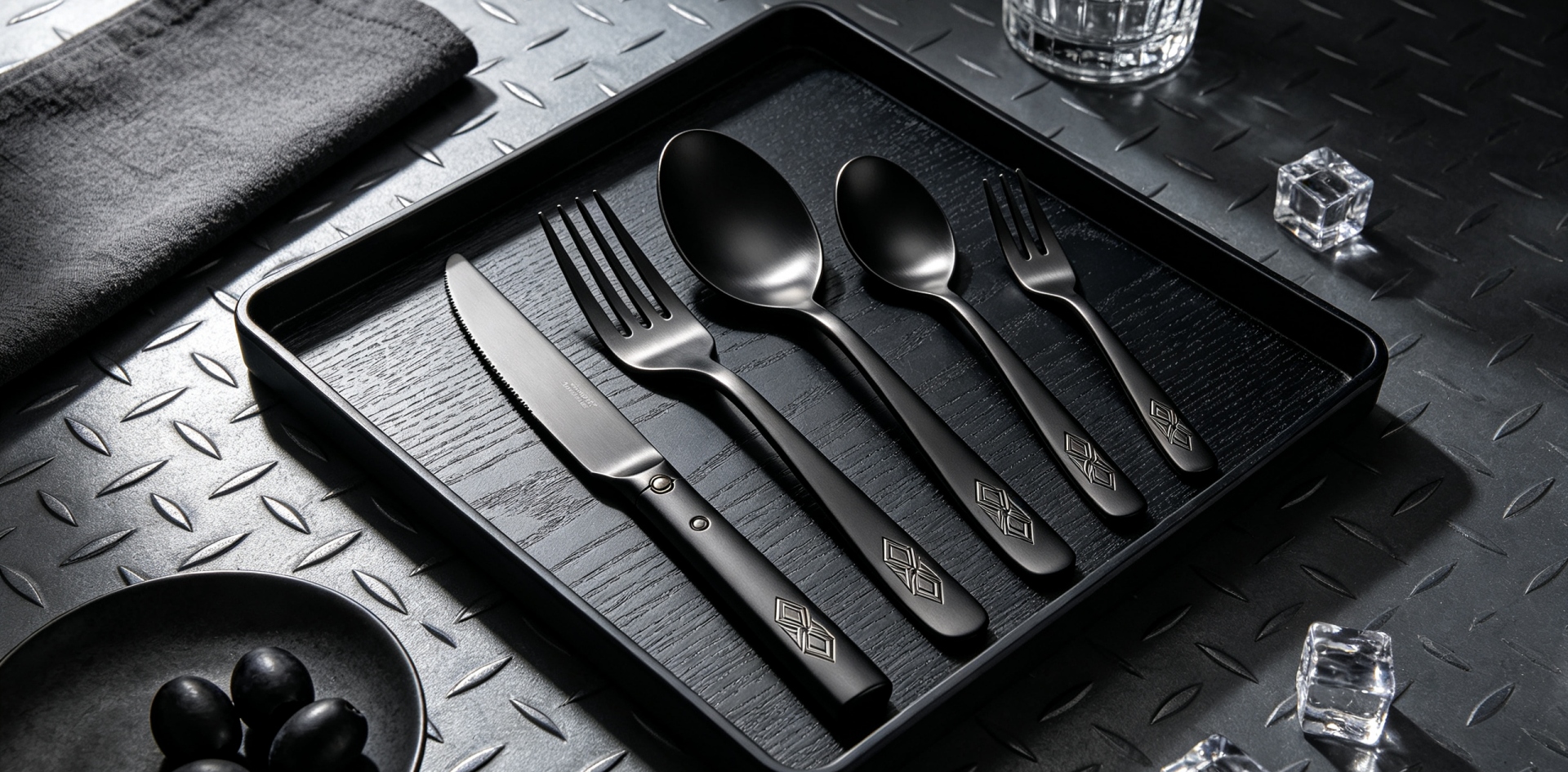
Stainless Steel Flatware Flexibility and Springback for OEM Production
For stainless steel cutlery, the ability of a product to maintain its intended shape after ordinary handling is an important part of the overall user experience. While buyers often focus on appearance, dimensions and material specifications, flexibility and springback can also influence how forks, spoons and other flatware pieces behave during use.
For B2B buyers developing OEM, ODM, private label or wholesale collections, these characteristics should be considered during product development rather than after mass production.
Homefelt factory specializes in stainless steel knives, forks and spoons and provides customized production for international customers.
What Flexibility Means in Stainless Steel Flatware
Flexibility describes how a stainless steel component responds when a force is applied and how it behaves when that force is removed.
Springback refers to the tendency of the material to return toward its original shape after temporary deformation.
In flatware manufacturing, these characteristics can influence both production and the finished product. A fork, for example, needs to retain its intended working form during normal use. At the same time, the material needs to have suitable processing characteristics so the factory can form the product accurately.
The objective is therefore not maximum flexibility or minimum flexibility. The appropriate performance depends on the product design and intended application.
Why Springback Matters During Production
Springback is particularly relevant to metal forming.
When stainless steel flatware components are pressed or formed, the material may have a tendency to recover slightly after the forming force is released. If this behavior is not properly considered during production development, the final shape may differ from the intended tooling shape.
For a B2B customer, this can become important when developing a customized collection with specific product geometry.
An experienced stainless steel cutlery manufacturer can account for material behavior during tooling development and sample production, helping bring the finished product closer to the approved design.
Flexibility in Forks and Other Flatware
Different cutlery products have different functional requirements.
Forks naturally attract more attention when discussing flexibility because the working end needs to provide a stable eating experience while remaining practical for everyday use.
Spoons also require appropriate material behavior so the bowl and handle maintain their intended form. Knives have different functional requirements because the working area is designed for cutting rather than piercing or scooping.
This means that a complete flatware collection should not necessarily be evaluated using one identical flexibility target for every product.
The manufacturer should consider the individual product together with the overall collection specification.
Material and Thickness Influence Product Behavior
Material specification and product thickness are two important factors that can influence the behavior of stainless steel flatware.
However, these parameters should not be considered separately.
A product with a particular thickness may behave differently depending on its material characteristics and shape. Similarly, changing the product geometry can affect how force is distributed through the component.
For this reason, B2B buyers should provide as much relevant information as possible when requesting a customized product.
Useful information can include:
-
Stainless steel material specification
-
Product thickness
-
Overall dimensions
-
Existing reference sample
-
Intended application
-
Required product feel
-
Target quantity
-
Sample approval requirements
With these details, the manufacturer can better understand the expected performance before preparing a production sample.
Springback and Customized Flatware Design
Customized flatware often requires more attention to springback than standard catalogue products.
A customer may provide a drawing with a specific handle profile, spoon shape or fork geometry. The factory then needs to translate the design into a practical manufacturing process.
During sample development, the actual material response can be compared with the intended design. Adjustments may be made to the forming process or tooling so that the finished product meets the approved requirements.
This is one reason why experienced OEM manufacturing can be valuable for buyers who are developing their own flatware collection.
From Prototype to Mass Production
A successful sample is only the first stage of a B2B project.
When production moves to a large quantity, the same material specification, tooling conditions and production standards need to be maintained across the order.
For stainless steel cutlery, this means the finished knives, forks and spoons should continue to match the approved product in shape and functional behavior.
Homefelt has extensive experience in stainless steel cutlery manufacturing and has worked with well-known brands. The factory supports product development and bulk production for international customers, helping connect the development stage with practical manufacturing requirements.
This is particularly useful for private label customers who plan to reorder the same collection over time.
How Buyers Can Evaluate Flexibility
Buyers do not necessarily need to rely on complicated measurements when making an initial product evaluation.
A practical process can include comparing the finished sample with the approved drawing or reference product, checking whether the product returns to its intended shape after ordinary handling, and confirming whether the overall product feel matches the target requirement.
For projects with specific technical requirements, additional testing or measurement can be discussed with the manufacturer.
The key is to define the acceptance standard before bulk production rather than attempting to establish the standard after the goods have been manufactured.
Factory Experience and Quality Management
Product behavior is closely connected with manufacturing consistency.
Homefelt has experience in stainless steel cutlery production and has worked with international customers and well-known brands. The factory has passed BSCI, SEDEX 4P, BRC, ISO9001 and Disney audits, and has FAMA and FSC certificates.
Relevant testing and documentation can be discussed according to individual project requirements.
For B2B buyers, this provides supporting information when evaluating a supplier, while the actual product sample and agreed technical specification remain the primary basis for product approval.
OEM, ODM and Private Label Support
Flexibility and springback requirements can be incorporated into the early stage of an OEM or ODM project.
Homefelt can manufacture stainless steel knives, forks, spoons and complete flatware collections according to customer requirements. The service can cover product design, sample development, manufacturing, packaging and transportation.
For private label customers, the factory can coordinate customized products with branded packaging. For wholesalers and distributors, the focus can be placed on stable specifications and large-volume supply. For customers developing a new product, the factory can help transform the initial concept into a manufacturable flatware specification.
This one-stop approach allows Homefelt to create an exclusive service package according to each customer's actual situation.
A Practical Approach to Flatware Performance
Flexibility and springback are technical characteristics, but their importance is ultimately connected with the finished product.
The right stainless steel flatware should have material and forming characteristics that suit its design and intended application. At the same time, the manufacturing process must be able to reproduce the approved result consistently.
For B2B buyers, working with an experienced factory makes it easier to discuss these requirements before production and reduce uncertainty when moving from sample approval to bulk manufacturing.
Homefelt factory focuses on stainless steel cutlery and provides OEM, ODM, private label, wholesale and large-volume production services. The goal is to provide reliable manufacturing support and grow together with long-term customers.
Stainless Steel Flatware Scratch Resistance for OEM and Bulk Orders
Stainless Steel Flatware Magnetic Response for OEM and Wholesale Buyers
Related Article



