
Stainless Steel Flatware Magnetic Response for OEM and Wholesale Buyers
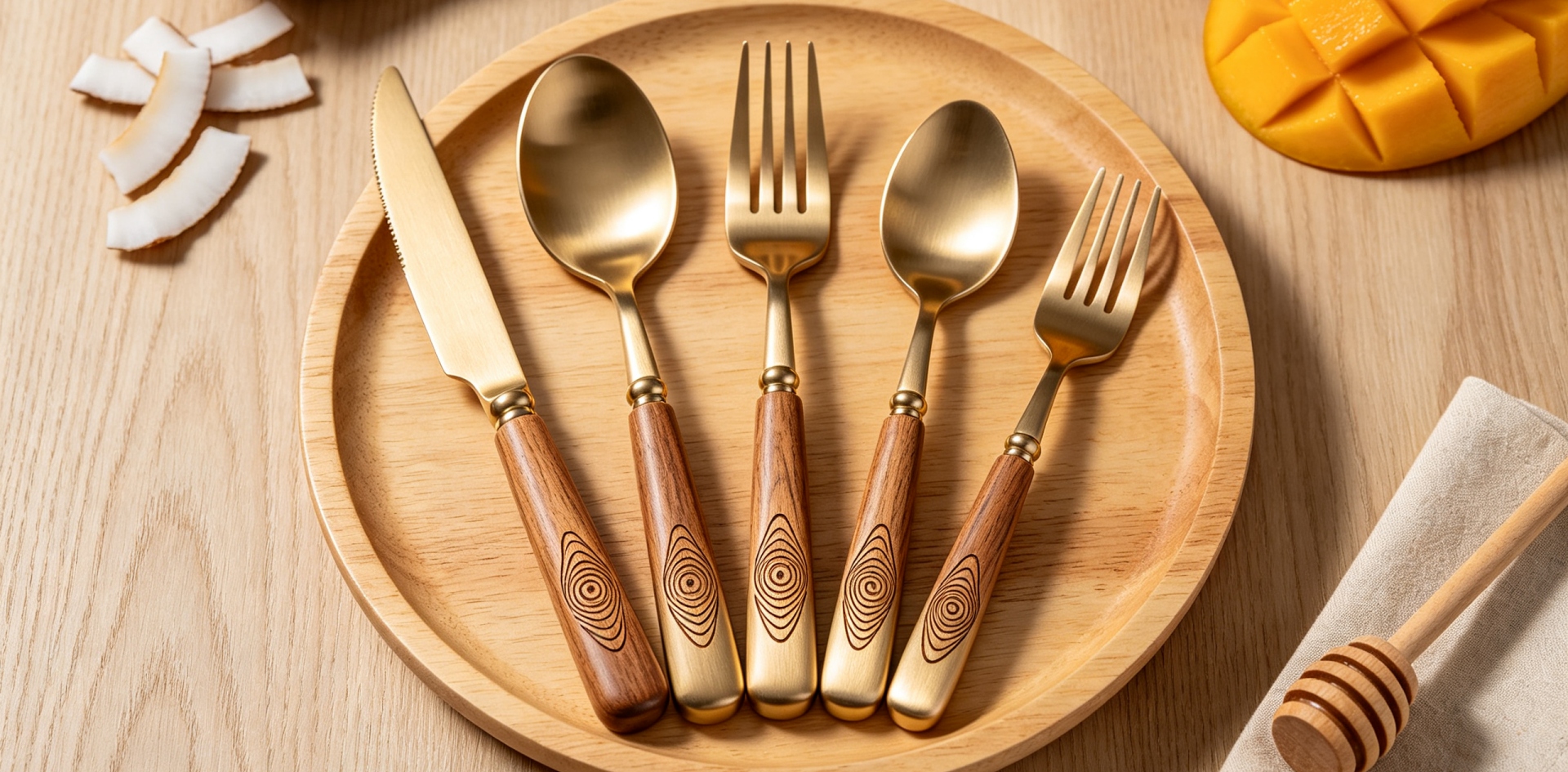
Stainless Steel Flatware Magnetic Response for OEM and Wholesale Buyers
When purchasing stainless steel knives, forks and spoons in large quantities, buyers sometimes use a magnet as a quick way to check stainless steel products. While magnetic response can provide useful information, it should not be used as the only method for identifying stainless steel material.
For B2B cutlery projects, material specification, product application, production requirements and supporting documentation should be considered together. This is especially important for OEM, ODM, private label and wholesale customers who need consistent products across large production quantities.
Homefelt factory specializes in stainless steel cutlery manufacturing and can help international buyers evaluate product requirements before sample approval and bulk production.
What Is Magnetic Response in Stainless Steel?
Different stainless steel structures can respond differently to a magnet. Some stainless steel materials show stronger magnetic attraction, while others may show little or no attraction under ordinary conditions.
This difference is related to the material's metallurgical structure rather than simply whether the product is genuine stainless steel.
For this reason, the result of a simple magnet test should be interpreted carefully.
A stainless steel spoon, fork or knife that reacts to a magnet is not automatically inferior, and a product that shows little magnetic response is not automatically a higher-grade product. Material identification requires a broader evaluation.
Why B2B Buyers Should Not Judge Flatware by Magnetism Alone
For a professional buyer, a magnet can be a convenient preliminary observation, but it cannot replace a material specification.
The final performance of stainless steel flatware depends on several factors, including the selected material, product dimensions, manufacturing process, surface condition and intended application.
A buyer developing a private label collection may therefore need a clear material specification rather than a simple statement such as “non-magnetic stainless steel.”
This distinction can prevent misunderstandings between buyers and suppliers during product development.
When ordering thousands of pieces, the goal should be a clearly defined product standard that can be reproduced consistently throughout production.
Material Selection for Stainless Steel Knives, Forks and Spoons
Material selection should begin with the intended product and application.
A table knife, fork and spoon may form one matching collection, but each product has its own functional characteristics and manufacturing requirements. The selected stainless steel specification needs to be suitable for the complete product concept.
For B2B customers, the discussion can include the target market, expected use, product appearance, required mechanical performance and production quantity.
Homefelt can work with customers to establish a practical material specification before sample production.
This approach is more reliable than selecting a material only because of its magnetic response.
Using Magnetic Testing as a Preliminary Check
A magnet can still have value as a quick production or incoming-goods observation.
For example, a buyer may compare different samples or check whether a batch appears consistent with a previously approved reference. However, the result should be interpreted according to the agreed material specification.
If a customer has a defined stainless steel requirement, the supplier should be able to provide the relevant product information and, where required, supporting testing documentation.
This creates a more complete quality-control process than relying on a single physical test.
For bulk orders, the approved material specification should remain consistent from the initial sample through mass production.
Material Consistency Across a Complete Flatware Collection
For private label and wholesale projects, buyers usually need more than one product.
A collection may include table knives, dinner forks, tablespoons and teaspoons, with all pieces expected to present a coordinated appearance and product standard.
If material requirements are not clearly defined, different products may be sourced or manufactured under inconsistent specifications.
A professional stainless steel cutlery manufacturer should therefore manage material requirements across the complete collection.
Homefelt can discuss the requirements for different pieces together and establish a unified production specification according to the customer's project.
What Buyers Should Confirm With the Factory
When discussing stainless steel flatware material, B2B buyers can request clear information about:
-
Stainless steel material specification
-
Product application
-
Knife, fork and spoon dimensions
-
Product thickness
-
Surface treatment
-
Sample material requirements
-
Testing or documentation requirements
-
Bulk production standards
-
Batch consistency requirements
These details provide a more reliable basis for supplier comparison.
For OEM and ODM projects, customers can also provide an existing sample or technical reference. The factory can review the product and discuss the appropriate production specification before making a final quotation.
Experience Matters in Material Control
A material specification is useful only when the manufacturer can apply it consistently during production.
For large-volume cutlery orders, raw material management, production procedures and quality-control processes all contribute to maintaining the agreed product standard.
Homefelt has extensive experience in stainless steel cutlery manufacturing and has worked with well-known brands. Its production scope includes stainless steel knives, forks, spoons and complete flatware collections for international B2B customers.
This experience allows the factory to communicate with buyers about material requirements before production instead of waiting until problems appear after delivery.
Supporting Quality and Factory Documentation
Material selection is one part of supplier evaluation. International buyers may also consider factory qualifications, production management and relevant documentation.
Homefelt has passed BSCI, SEDEX 4P, BRC, ISO9001 and Disney audits, and has FAMA and FSC certificates. Depending on the project, customers can discuss applicable testing and supporting documents with the factory.
For buyers, these materials can provide additional information when evaluating a potential long-term manufacturing partner.
OEM, ODM and Private Label Manufacturing
Material requirements can be built directly into OEM and ODM stainless steel flatware projects.
Homefelt supports customized knives, forks, spoons and flatware collections for private label brands, wholesalers, distributors and commercial customers.
Customers can discuss material specifications, product requirements and target quantities before sample approval. After the product specification is confirmed, the factory can proceed with bulk production according to the approved standard.
The service can also include product design, packaging and transportation. This one-stop approach allows customers to coordinate the complete project through one manufacturing partner.
For different customer situations, Homefelt can develop an exclusive service package rather than applying exactly the same production solution to every order.
From Material Selection to Bulk Production
Magnetic response can be a useful observation when evaluating stainless steel flatware, but it should never replace proper material identification.
For B2B buyers, the more reliable approach is to establish a clear material specification, confirm the product sample and ensure that the factory can maintain the agreed standard during mass production.
Homefelt factory focuses on stainless steel cutlery and provides OEM, ODM, private label, wholesale and bulk manufacturing services. With experience in product development and international B2B production, Homefelt aims to provide dependable service for customers looking for a long-term China manufacturing partner.
Stainless Steel Flatware Flexibility and Springback for OEM Production
Stainless Steel Flatware Heat Resistance for OEM and Commercial Use
Related Article



