
Stainless Steel Flatware Material Specification for OEM and Wholesale Orders
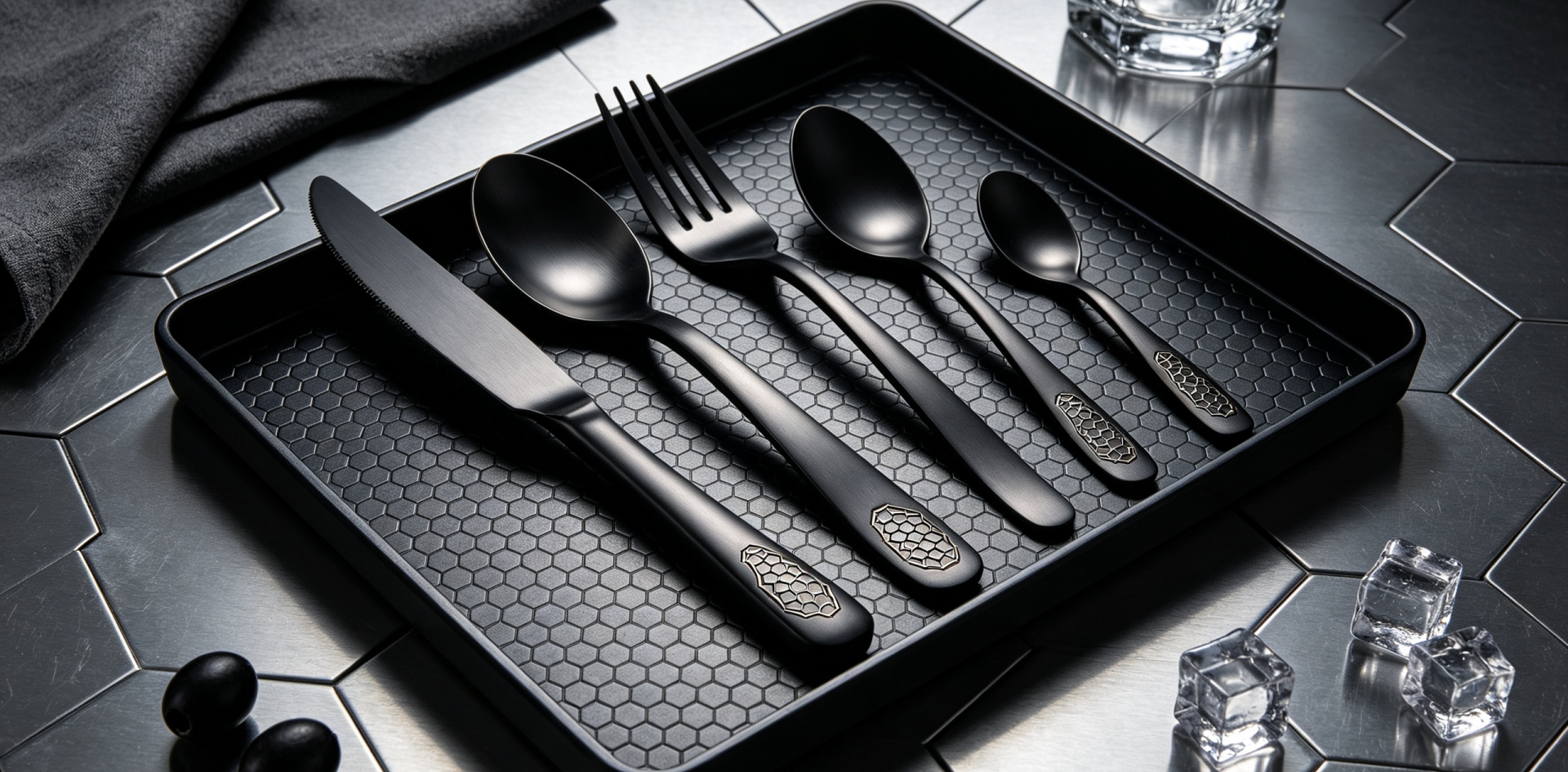
Stainless Steel Flatware Material Specification for OEM and Wholesale Orders
Material specification is one of the first technical points B2B buyers should confirm when developing stainless steel knives, forks and spoons. Although stainless steel flatware may look similar from the outside, the material specification can influence the product's manufacturing characteristics, appearance and suitability for different commercial programs.
For wholesale and private label buyers, choosing the right material is not simply a matter of selecting the most expensive option. The specification should correspond with the intended product positioning, production requirements and target market.
Homefelt factory supports OEM, ODM, private label and bulk stainless steel cutlery manufacturing, helping buyers develop product specifications according to their actual requirements.
Why Material Specification Matters in Flatware
Stainless steel is widely used for cutlery because it combines a practical metallic appearance with properties suitable for everyday tableware.
However, different material specifications can be selected for different products and applications. A buyer developing a commercial flatware collection should therefore establish the required material standard before final production.
Material selection also needs to be considered together with the product design. A spoon, fork and knife may have different manufacturing requirements even when they belong to the same collection.
For OEM projects, confirming the material specification at an early stage helps create a clear production reference.
Material Selection for Knife, Fork and Spoon Collections
A complete flatware collection should be considered as a coordinated product system.
The spoon, fork and knife should have compatible material specifications and a consistent overall appearance. When buyers introduce additional pieces later, maintaining the established material standard can also help preserve the identity of the collection.
For distributors and private label brands, this consistency can be especially important when the products are sold under the same collection name.
Homefelt can review the material requirements for the complete knife, fork and spoon range and incorporate them into the product specification before sampling.
Material Specification and Product Positioning
Different customers have different expectations for their stainless steel flatware.
A commercial foodservice collection may focus on practical performance and cost efficiency. A higher-positioned private label collection may place greater emphasis on material specification, appearance and overall product presentation.
The correct material choice should therefore be connected with the intended market.
For example, a buyer supplying large restaurant chains may prioritize stable bulk production and consistent specifications, while a premium retail brand may require a different combination of material and product presentation.
Understanding this positioning allows the factory to discuss the product specification more accurately.
Material Thickness and Overall Product Development
Material specification should not be considered separately from the physical design of the flatware.
The selected material needs to work with the intended product dimensions and forming requirements. If the buyer changes the product concept, the manufacturing requirements may also need to be reviewed.
This is particularly relevant for customized OEM products.
Homefelt can evaluate the material specification together with the product drawing, dimensions and intended application before confirming the final production standard.
Keeping the Specification Consistent Across Orders
For B2B buyers, repeat-order consistency is often as important as the initial product development.
A distributor or hospitality supplier may reorder the same flatware model months or years after the first production run. A private label brand may continue selling a collection for a long period.
A clear material specification provides an important reference for these repeat orders.
The buyer and factory can use the approved product information to confirm that future production follows the established requirements.
This approach can reduce uncertainty when customers place additional bulk orders.
Material Specification During Sample Approval
Before mass production, the product sample provides an opportunity to verify whether the selected specification is suitable.
Buyers can review the sample together with the agreed product information and confirm the overall appearance and manufacturing result.
If any changes are required, they can be discussed before bulk production begins.
For customized stainless steel cutlery, Homefelt can work with the buyer through this sample approval stage to establish a clear manufacturing reference.
OEM and ODM Material Development
Not every buyer begins with a complete technical specification.
Some customers know the type of flatware they want but need factory assistance to determine suitable production details. Others already have a specification and simply require a manufacturer capable of producing it consistently.
Homefelt supports both OEM and ODM approaches.
Customers can provide drawings, existing samples, product photographs or written requirements. The factory can then review the information and discuss the appropriate manufacturing specification.
For private label projects, the material specification can also be coordinated with the wider product and packaging concept.
Experience in Stainless Steel Cutlery Manufacturing
Material selection becomes more practical when it is supported by manufacturing experience.
Homefelt has long-term experience in stainless steel cutlery production and works with wholesale buyers, distributors, hospitality suppliers and private label customers.
This experience allows the factory to consider material specifications together with actual production requirements rather than treating them as isolated technical terms.
For customers developing new products, this can help create a more complete product specification before moving into large-volume manufacturing.
Certification and Testing Information
Material-related requirements may also be part of a buyer's supplier evaluation process.
Depending on the project and target market, buyers may request relevant testing information, certification documents or factory qualification materials.
Homefelt has passed BSCI, SEDEX 4P, BRC and ISO9001-related audits and has experience working with well-known brands. FAMA and FSC certificates are also available within the company's broader qualification system.
Relevant documentation can be discussed according to the requirements of each project.
Wholesale and Bulk Production Support
Once the material specification has been confirmed, the next consideration is production quantity.
Wholesale and commercial customers may require thousands or even larger quantities of individual knives, forks and spoons. The manufacturing process therefore needs to maintain the approved specification throughout the production order.
Homefelt supports bulk stainless steel cutlery production and can manufacture according to confirmed product requirements.
For repeat customers, established product specifications can also be used as the basis for future replenishment orders.
One-Stop Service for OEM Cutlery Projects
A customized flatware project normally includes several stages beyond material selection.
Homefelt provides one-stop support covering product design, manufacturing, packaging and transportation. The service can be adjusted according to the customer's specific business situation.
A buyer may provide a complete product drawing and only require manufacturing, while another customer may need assistance developing the product, packaging and delivery plan from the beginning.
By connecting these stages through one supplier, the project can be managed more efficiently.
Stainless Steel Flatware Product Coding for OEM and Wholesale Manufacturing
Stainless Steel Fork Type Design for OEM and Private Label Collections
Related Article



