
Stainless Steel Flatware Neck Design for OEM and Wholesale Production
Stainless Steel Flatware Neck Design for OEM and Wholesale Production
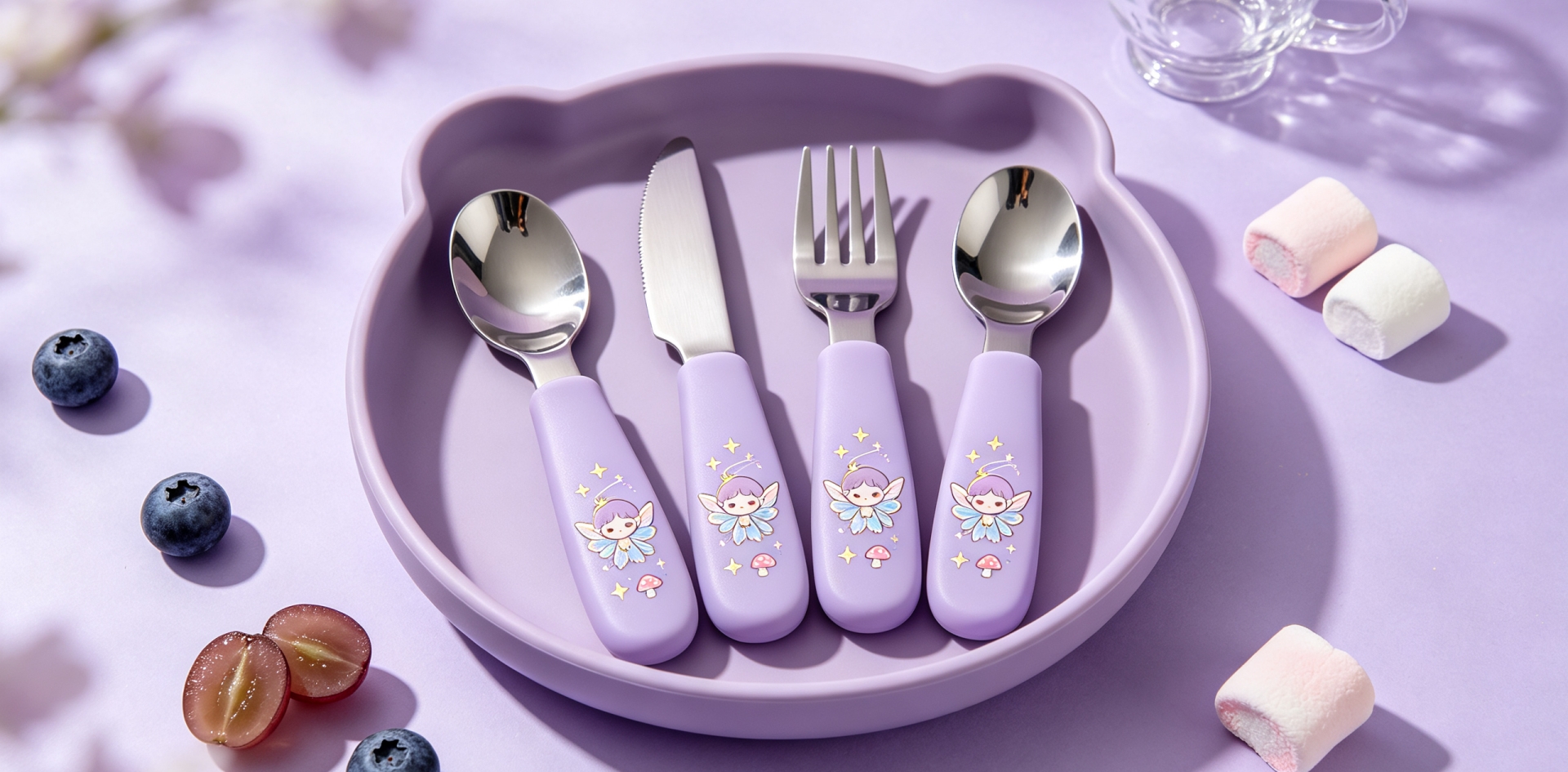
The area where a stainless steel spoon or fork connects to its handle may look like a small detail, but it plays an important role in the appearance, proportion and production of the finished piece. For B2B buyers developing custom flatware, the neck area should be considered together with the bowl, tines, handle and overall length.
A suitable neck design creates a smooth visual transition between the functional head and the handle. It can also influence how the piece feels in the hand and how consistently the design can be reproduced during large-volume production.
Homefelt factory specializes in stainless steel knives, forks, spoons and complete flatware collections. For OEM, ODM and private label projects, customers can discuss neck dimensions and transition details together with the other product specifications before samples and mass production.
Why the Flatware Neck Area Matters
The neck is the relatively narrow transition area between the main functional section of a spoon or fork and the handle. On a spoon, it connects the bowl to the handle. On a fork, it connects the head and tines to the grip area.
Because this area visually separates two different sections of the product, its proportion can affect the overall appearance of the flatware. A very narrow transition can create a lightweight visual effect, while a broader transition may give the piece a stronger and more substantial appearance.
For commercial flatware collections, the neck should also look appropriate when the spoon, fork and knife are placed next to each other. The individual pieces do not need to have identical neck dimensions, but their proportions should communicate a consistent design language.
Key Dimensions to Confirm
For a custom flatware project, several neck-related parameters can be reviewed during product development.
The first is neck width. This dimension can influence the visual connection between the head and handle. The second is neck length, which determines how quickly the product changes from the functional head into the grip section.
The transition profile is another important consideration. A smooth gradual transition can create a softer appearance, while a more defined transition can give the collection a stronger contemporary character.
Customers may also need to confirm the relationship between neck width and handle width. These measurements should be reviewed together rather than selected independently.
Spoon Neck Design
For stainless steel spoons, the neck connects the bowl to the handle and becomes particularly noticeable because the bowl gradually narrows toward this area.
When developing an OEM spoon, buyers can evaluate bowl width, bowl length, neck width and handle dimensions as one group of specifications. If the neck is too visually narrow compared with the bowl, the spoon may appear unbalanced. If it is too broad, the transition can look heavy.
The appropriate proportion depends on the intended design. A hotel collection, restaurant series and retail private-label collection may use very different visual styles even when all three products are manufactured from stainless steel.
Fork Neck Design
The fork neck has a similar role but must work with the fork head and tine arrangement. The width of the section below the tines can affect the transition from the functional head to the handle.
For OEM production, the neck should be considered after the fork head dimensions have been established. Tine length, head width and neck width need to work together so that the finished fork looks proportional.
When a customer develops a complete collection, the fork can then be compared with the spoon to ensure that both pieces have compatible visual proportions.
Material Thickness and Neck Proportion
Neck dimensions should not be separated from the material specification. Stainless steel thickness can influence how the transition area looks and feels.
For B2B production, customers may specify material grade, thickness, overall dimensions and finishing requirements. The factory can then review whether the proposed neck proportions are practical for the selected construction.
This is especially useful when customers provide drawings created for a different material or manufacturing process. A production-oriented review can identify dimensions that may need adjustment before the sample is finalized.
Consistency Across Multiple Pieces
A successful flatware collection is usually judged as a group rather than as individual pieces. The spoon, fork and knife should share recognizable proportions even though each has a different functional head.
For example, a customer may want a relatively wide handle combined with a clean and narrow transition. Another project may require a more substantial neck to create a heavier commercial appearance.
Homefelt can use approved samples and specifications as production references for repeat orders. This helps maintain the agreed design when customers reorder the same collection or expand the range with additional pieces.
Experience in OEM Flatware Development
In actual B2B projects, small dimensional changes can have a noticeable effect on the finished collection. A customer may start with a reference sample and then request a longer handle, wider spoon bowl or different fork proportions. The neck needs to be adjusted accordingly rather than treated as an isolated measurement.
Homefelt factory works with customers to review these relationships during product development. Experience with stainless steel cutlery allows the factory to consider the individual component as well as its position within the complete collection.
This project-based approach is particularly useful for distributors, hospitality suppliers and private-label brands that need products to remain consistent across different purchase orders.
Quality Control for Neck Dimensions
For mass production, the neck area should be included in product specifications rather than relying only on a visual reference. Important control points can include overall length, head dimensions, neck width, handle dimensions and the transition profile.
Sample approval provides another useful reference. Once the customer approves the final sample, production can follow the confirmed dimensions and appearance.
Homefelt has experience working with well-known brands and has passed BSCI, SEDEX 4P, BRC, ISO9001 and Disney audit requirements. FAMA and FSC certificates are also available within its business capabilities. Project-specific testing and documentation can be discussed according to the customer's market and purchasing requirements.
OEM, ODM and Private Label Flatware Manufacturing
Neck design can be customized as part of a complete OEM or ODM flatware project. Customers may provide a drawing, sample, product concept or existing collection that needs to be reproduced or developed.
Homefelt can coordinate product design, stainless steel cutlery manufacturing, packaging and transportation as a one-stop service. This allows customers to build an exclusive service package according to their own product positioning, market requirements and order volume.
For private-label buyers, the same development process can be combined with customized packaging and large-volume production. For distributors and wholesalers, multiple knife, fork and spoon specifications can be coordinated within one collection.
A Long-Term Manufacturing Partner
Choosing a flatware factory is not only about finding a supplier for the first order. For B2B customers, repeatability, communication and the ability to support new product development are equally important.
Homefelt focuses specifically on stainless steel cutlery and has long-term experience supporting wholesale and customized projects. From the first drawing or reference sample to production, packaging and shipment, the factory can provide coordinated support throughout the project.
The objective is to provide more than a single manufacturing service. Homefelt aims to become a reliable China service provider for customers who want to develop their product range and grow together over the long term.
Stainless Steel Flatware Dimensional Tolerance for OEM and Bulk Orders
Serrated Stainless Steel Table Knife Design for OEM and Wholesale Orders
Related Article



