
Stainless Steel Flatware Product Coding for OEM and Wholesale Manufacturing
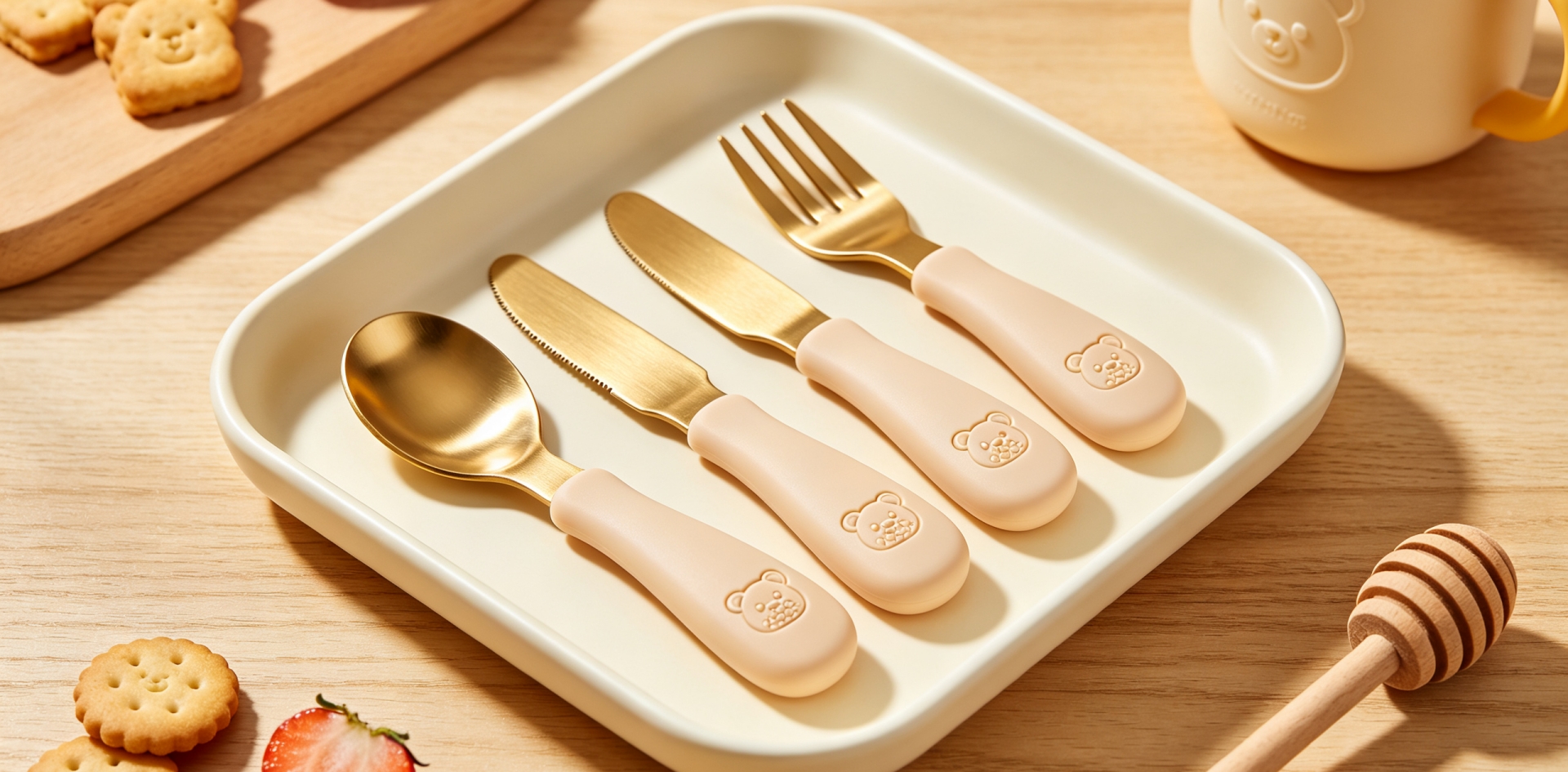
Stainless Steel Flatware Product Coding for OEM and Wholesale Manufacturing
A stainless steel flatware collection can contain many similar-looking knives, forks and spoons. When a buyer manages several products at the same time, clearly identifying each item becomes increasingly important.
For B2B customers, product coding is not simply an administrative detail. A clear product identification system can connect samples, specifications, quotations, packaging, production orders and repeat purchases. It helps both the buyer and manufacturer understand exactly which stainless steel cutlery product is being discussed.
Homefelt factory supports OEM, ODM, wholesale and private label stainless steel flatware projects, where clear product identification can make communication easier from initial development through bulk production.
Why Product Identification Matters in B2B Flatware
A buyer may have several stainless steel spoons with similar appearances but different specifications. The same situation can occur with table forks, knives and other pieces.
If products are identified only by general names such as “spoon” or “fork,” communication can become unclear as the product range expands.
A product code provides a simple reference for a specific item. Instead of repeatedly describing the entire product, buyers and factories can use an agreed identification number or model name.
This can be particularly useful for distributors and private label brands managing multiple collections.
Creating a Clear Flatware Product Code
A useful product code should be easy for the buyer and factory to understand.
The code can be connected with the product category, collection, model or other internal identification information. The exact format can be established according to the customer's business system.
For example, a buyer may use separate identifiers for a table spoon, table fork and table knife within one collection. Additional products introduced later can then follow the same identification logic.
The purpose is not to create complicated codes, but to make each product easier to recognize throughout the purchasing process.
Connecting Product Codes with Specifications
A product code becomes more useful when it is connected with a complete specification.
The product record may include material, dimensions, weight, surface requirements, packaging details and other confirmed information.
This means that when a buyer refers to a particular model, the factory can identify the corresponding production requirements without relying only on product photographs.
For customized OEM projects, this provides a clearer reference between the approved sample and the final manufacturing order.
Product Coding During Sample Development
Sample development often involves several rounds of adjustment.
A buyer may receive an initial sample, request changes and then approve a revised version. If multiple products are being developed simultaneously, it can become difficult to distinguish between different versions without clear identification.
Product codes and sample references can help keep these stages organized.
Homefelt can work with customer-provided model numbers or establish a suitable identification system during product development. The approved sample can then be linked to the corresponding production specification.
This creates a clearer transition from development to manufacturing.
Using Product Codes in Wholesale Orders
Wholesale buyers may manage dozens of stainless steel cutlery models for different customers.
A product coding system can simplify quotation requests and purchase orders. Instead of writing a long product description each time, the buyer can identify the required model and quantity.
This can also reduce the risk of selecting the wrong product when several similar items are being purchased at the same time.
For distributors, clear identification is especially useful when products are reordered frequently.
Supporting Repeat Production
Repeat orders are an important part of B2B stainless steel flatware supply.
A customer may reorder the same spoon several months after the original production. If the product is clearly identified, the factory can more easily locate the relevant specification and production reference.
This is particularly valuable for private label collections that remain in a customer's product range for several years.
Homefelt can support repeat production based on established product references and confirmed specifications.
Managing Different Flatware Collections
Some buyers operate several product collections at the same time.
A distributor may have one range for restaurants, another for hotels and another for retail customers. A private label brand may also develop different collections at different price or design levels.
Product coding can help separate these collections while keeping the overall purchasing system organized.
The identification system can be designed around the buyer's own internal management requirements, allowing different product families to remain clearly separated.
Product Codes and Packaging
Product identification can also be connected with packaging information.
A carton, inner box or individual product package may need to identify the relevant model and quantity. When the product code is consistent between the purchasing documents and packaging information, it becomes easier to verify shipments.
For bulk export orders, this can help warehouse teams and buyers check products during receiving and inventory management.
Homefelt can discuss packaging requirements together with the product specification during an OEM or private label project.
Reducing Communication Errors
B2B cutlery projects often involve communication between purchasing teams, product managers, factories, quality personnel and logistics providers.
Each group may use slightly different descriptions for the same product.
A standardized product code creates a common reference.
When the same identification appears on specifications, quotations, samples, purchase orders and packaging documents, there is less dependence on lengthy product descriptions.
For international buyers, this can be particularly useful because clear product identification reduces ambiguity during communication.
Experience in B2B Stainless Steel Cutlery Manufacturing
Product identification works best when it is connected with an organized manufacturing process.
Homefelt has extensive experience in stainless steel cutlery manufacturing and supports customers with standard wholesale products as well as customized OEM, ODM and private label projects.
The factory can work with customer product numbers or help establish references for newly developed products.
For larger collections, maintaining clear product information can also support future product expansion and repeat manufacturing.
Quality and Factory Documentation
Product identification should work together with the technical information used for quality control.
The approved product reference can include specifications and relevant production requirements. Buyers may also request factory qualification, certification or testing information as part of supplier evaluation.
Homefelt has passed BSCI, SEDEX 4P, BRC and ISO9001-related audits and has experience working with well-known brands. Relevant documentation can be discussed according to the customer's project requirements.
For B2B buyers, product references, samples and factory documentation together provide a clearer basis for supplier cooperation.
OEM, ODM and Private Label Support
Different customers have different levels of product development requirements.
An OEM customer may already have product codes and complete drawings. An ODM customer may need support creating a new collection and establishing product references. A private label buyer may need the product identification system to work together with branded packaging.
Homefelt can adapt the manufacturing process to these different requirements.
The objective is to make product development and production easier to manage while keeping the actual stainless steel cutlery specifications clear.
One-Stop Service for Flatware Projects
Product identification is only one part of an efficient B2B purchasing process.
Homefelt provides one-stop service covering product design, stainless steel cutlery manufacturing, packaging and transportation. The service can be adjusted according to the customer's actual situation.
This allows buyers to discuss product development and related requirements with one manufacturing partner instead of coordinating every stage separately.
For long-term customers, the same product references can continue to support new orders, additional quantities and future collection development.
Stainless Steel Flatware Quality Inspection for OEM and Bulk Orders
Stainless Steel Flatware Material Specification for OEM and Wholesale Orders
Related Article



