
Stainless Steel Flatware Quality Inspection for OEM and Bulk Orders
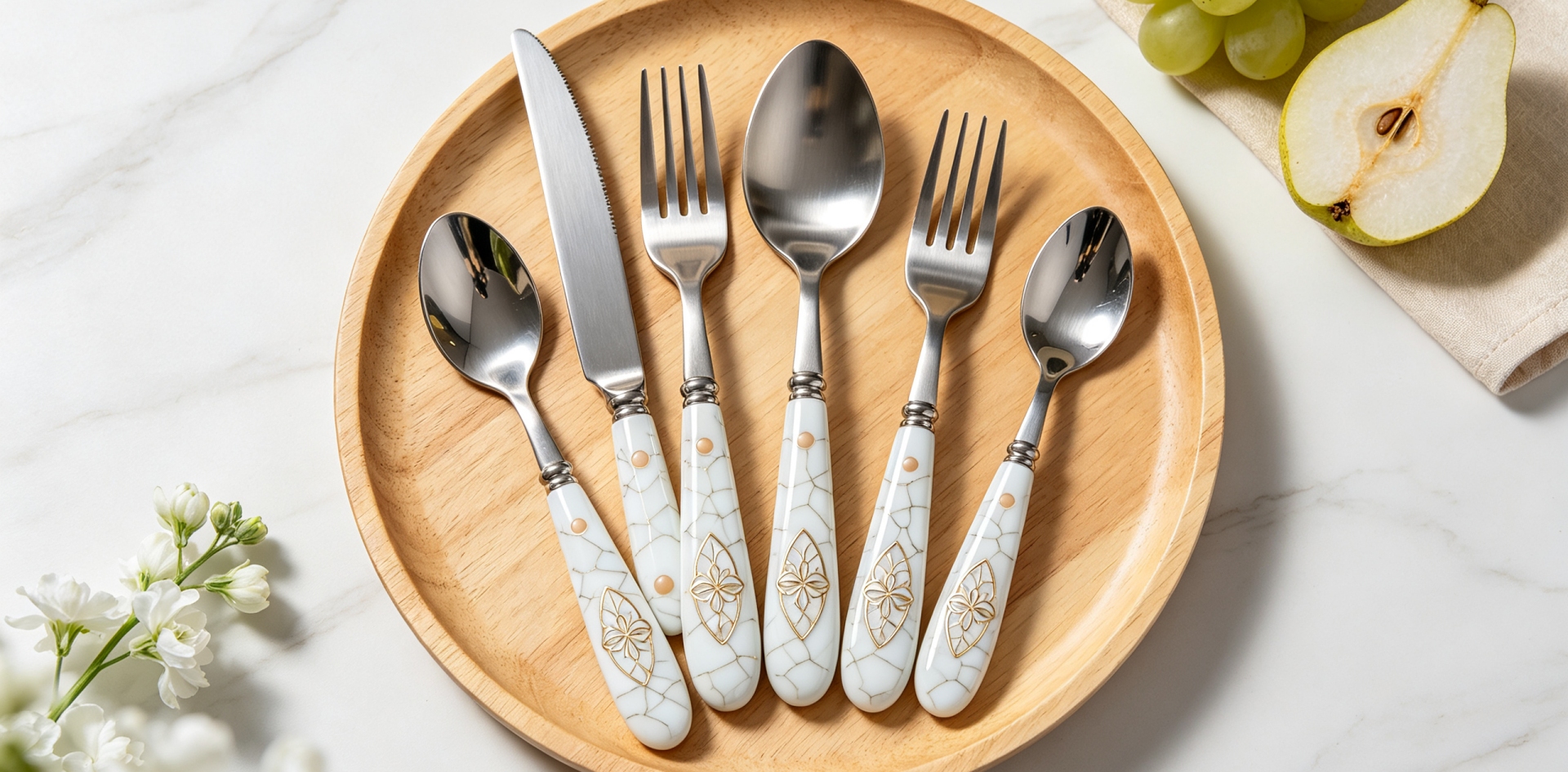
Stainless Steel Flatware Quality Inspection for OEM and Bulk Orders
For B2B stainless steel cutlery purchasing, approving a sample is only one part of quality management. When an order contains thousands or tens of thousands of knives, forks and spoons, buyers also need confidence that the finished production follows the approved product requirements.
This is where a clear inspection process becomes important.
Quality inspection for stainless steel flatware does not need to focus on one single characteristic. A professional inspection can consider product appearance, dimensions, material requirements, forming results, surface condition, packaging and other specifications agreed between the buyer and factory.
Homefelt factory supports OEM, ODM, wholesale and private label stainless steel cutlery production, with product inspection considered as part of the overall manufacturing process.
Why Inspection Matters for Bulk Flatware Orders
A production sample represents the approved product, but a bulk order contains many individual pieces.
Even when the manufacturing process is stable, buyers still need a practical method to verify whether the production follows the agreed requirements.
For a B2B customer, inspection provides a structured way to compare finished products against the approved specification.
This is particularly important when the order contains several products. A complete flatware collection may include spoons, forks and knives, each with its own requirements.
A clear inspection standard helps ensure that all products are evaluated according to the correct reference.
What Should Be Checked on Stainless Steel Flatware?
The inspection points should be established according to the product and purchasing requirements.
Common areas can include overall appearance, dimensions, weight, shape, surface condition, material requirements and packaging.
For a spoon, the inspection may include the overall product form and bowl appearance. For a fork, the head and tine area can be checked against the approved sample. For a knife, the blade and handle can be evaluated according to the confirmed specification.
The exact inspection criteria should always be based on the buyer's approved product requirements rather than applying one identical standard to every product.
Checking Against an Approved Sample
An approved sample is an important reference for customized stainless steel cutlery.
The buyer and factory can confirm the sample before bulk production begins. Once approved, it provides a visual and physical reference for the production order.
During inspection, finished products can be compared with this reference together with the written specifications.
This approach is especially useful for OEM and private label products because the buyer may have developed a unique design that does not correspond to a standard catalogue model.
Dimensional Inspection
Dimensions are another practical inspection area for B2B cutlery.
Depending on the product, buyers may specify overall length, width, thickness or other measurements. These specifications should be confirmed before production and used as inspection references.
The purpose is not simply to measure every possible dimension. The important measurements are those that define the approved product and affect its intended application.
For large orders, establishing clear dimensional requirements helps both sides understand what constitutes an acceptable finished product.
Weight Verification
Unit weight can also be included in a product inspection plan when it is part of the agreed specification.
For buyers managing commercial flatware, weight can be useful as an additional reference when checking production consistency.
However, weight should be evaluated together with the complete product specification rather than treated as the only indicator of quality.
Homefelt can work with customer requirements to establish the appropriate product parameters before bulk manufacturing.
Appearance and Surface Inspection
The finished appearance is another important part of stainless steel flatware inspection.
Inspectors may review the surface for visible defects, unwanted marks or other conditions that do not meet the approved product standard.
The inspection should be performed under an agreed viewing environment and according to the product requirements.
For private label and retail collections, consistent appearance is particularly important because multiple pieces are often displayed together.
Inspection of Knife, Fork and Spoon Products
Each type of flatware requires attention to its own product characteristics.
Spoons can be checked against the approved bowl and handle specification. Forks can be inspected according to the confirmed head and tine design. Knives can be evaluated against their approved blade and handle requirements.
When the three products belong to one collection, the inspection can also confirm that they maintain the intended overall product identity.
This helps buyers receive a coordinated collection rather than three unrelated products.
Packaging Inspection
Product quality does not end when the stainless steel pieces leave production.
For export orders, packaging is also part of the purchasing requirement. Buyers may specify individual protection, inner boxes, cartons, labels, quantities per carton or other packing details.
Packaging inspection can confirm that the finished goods are packed according to the approved instructions before shipment.
Homefelt can coordinate product manufacturing and packaging requirements as part of its one-stop service.
Inspection for Repeat Orders
Repeat orders can be easier to manage when the original product specification is retained.
The previous approved sample, specifications and packaging requirements can become references for future production.
When a buyer places a repeat order, the inspection process can therefore focus on confirming that the new batch remains consistent with the established standard.
This is particularly useful for distributors and private label brands that continue selling the same stainless steel flatware collection over time.
Quality Management in OEM Projects
Customized products require a particularly clear inspection standard because the buyer's requirements may differ from standard factory products.
During OEM or ODM development, Homefelt can review the product specifications and sample requirements with the customer before bulk manufacturing.
This creates a shared understanding of what should be checked during production.
Once the product is approved, the confirmed information can be used as the basis for manufacturing and inspection.
Factory Experience and Quality Systems
Inspection is most effective when supported by an established manufacturing process.
Homefelt has long-term experience in stainless steel cutlery manufacturing and works with wholesale distributors, commercial buyers, private label brands and customized OEM customers.
The factory has passed BSCI, SEDEX 4P, BRC and ISO9001-related audits and has experience working with well-known brands.
Relevant certification, testing and factory documentation can be discussed according to the requirements of individual B2B projects.
How Buyers Can Prepare an Inspection Standard
Buyers can make the process more efficient by preparing clear product information before production.
Useful references may include product drawings, approved samples, material requirements, dimensions, packaging instructions and other agreed specifications.
For larger orders, buyers can also identify which characteristics are critical to the product and should receive particular attention during inspection.
This gives the factory a clearer understanding of the purchasing requirements and helps reduce uncertainty during bulk production.
OEM, ODM and Private Label Manufacturing
Homefelt supports different levels of stainless steel flatware customization.
OEM customers can provide their own specifications and samples. ODM customers can work with the factory to develop a new product. Private label customers can combine customized products with branded packaging and large-volume manufacturing.
For each project, the inspection requirements can be connected with the approved product specification.
This creates a clearer link between product development, manufacturing and final shipment.
One-Stop Service for B2B Cutlery Orders
A successful export order involves more than producing the stainless steel products.
Homefelt can provide one-stop service covering product design, manufacturing, packaging and transportation. The service can be adjusted according to the customer's actual requirements.
This allows buyers to coordinate product specifications, inspection requirements, packaging and delivery through one manufacturing partner.
For long-term customers, the same production references can support repeat orders and future product development.
Stainless Steel Flatware Packaging Design for OEM and Bulk Orders
Stainless Steel Flatware Product Coding for OEM and Wholesale Manufacturing
Related Article



