
Stainless Steel Flatware Surface Polishing for OEM and Wholesale Orders
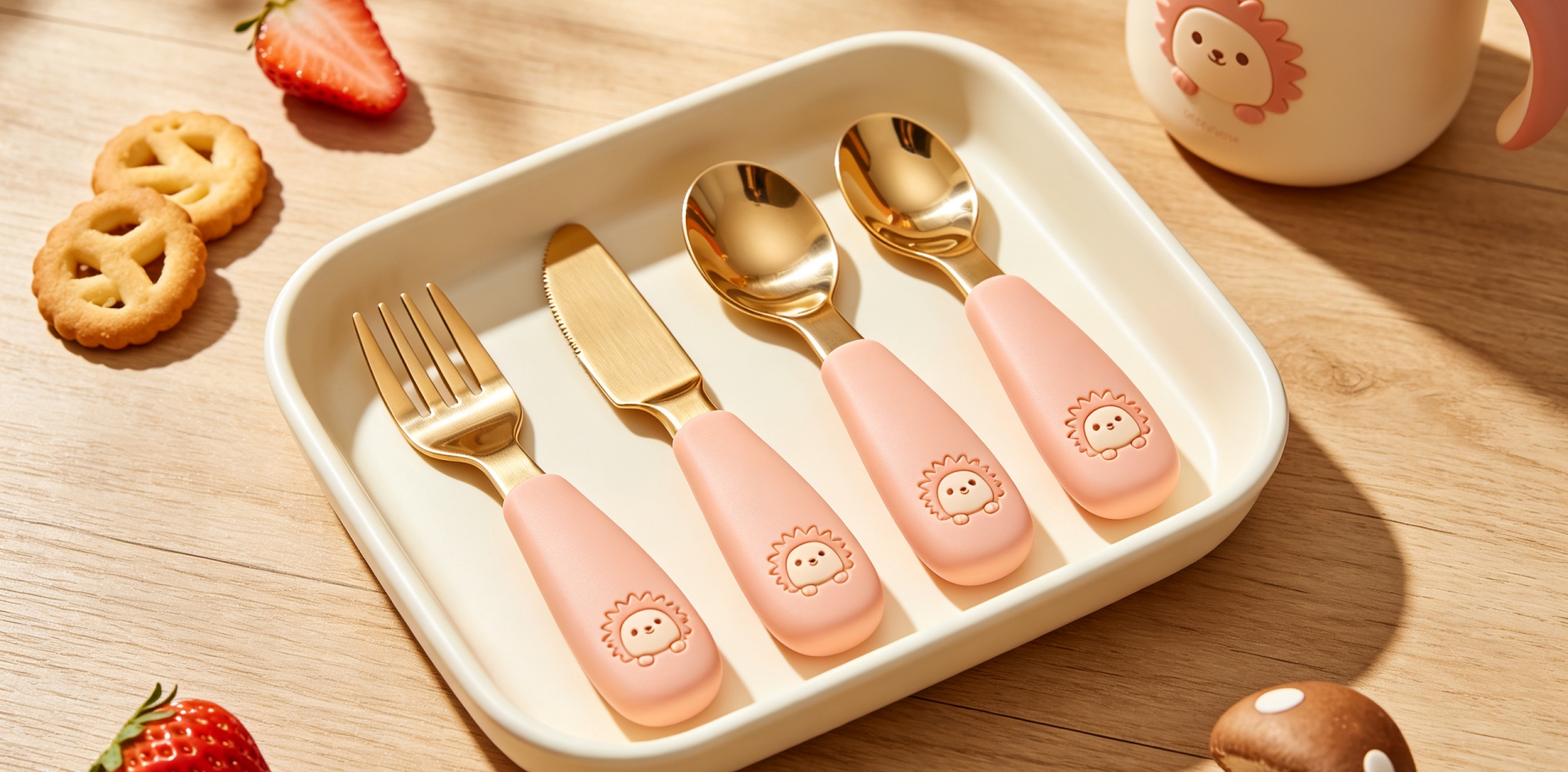
Stainless Steel Flatware Surface Polishing for OEM and Wholesale Orders
The surface appearance of stainless steel flatware can strongly influence how a knife, fork or spoon is perceived by buyers and end users. Even when two products have the same dimensions and material, differences in polishing can create noticeably different visual effects.
For B2B customers, surface polishing should therefore be treated as part of the product specification rather than an afterthought. A distributor may need a practical appearance for commercial use, while a private label brand may require a more refined visual effect across an entire collection.
Homefelt factory works with stainless steel knives, forks and spoons and can coordinate surface requirements during OEM, ODM, private label and wholesale production.
Why Surface Polishing Matters
Polishing affects the way stainless steel reflects light. A clean and consistent surface can make the product appear more refined, while uneven treatment may make otherwise well-designed flatware look inconsistent.
For a complete cutlery collection, the visual relationship between the knife, fork and spoon is especially important. Buyers usually expect the pieces to share a similar surface character even though their shapes are different.
This means that polishing requirements should be considered across the whole collection rather than specified for only one individual product.
Different Surface Effects for Different Products
Stainless steel flatware can be produced with different surface appearances depending on the customer's product positioning.
A highly polished surface creates a brighter reflective appearance and is commonly associated with a more formal or premium presentation. A softer or satin-like appearance can create a more understated visual style.
Some collections may also combine different surface effects. For example, a handle area can have a different visual treatment from the functional section, creating a contrast without changing the basic stainless steel construction.
For OEM and ODM projects, the desired effect should be confirmed through physical samples whenever possible. A description such as “bright finish” may be interpreted differently by different suppliers, while an approved sample provides a much clearer reference.
Surface Consistency Across Knife, Fork and Spoon
One of the most important considerations for a complete flatware collection is consistency.
The knife, fork and spoon may have different shapes and processing paths, but their surface appearance should still look coordinated when placed together.
Buyers can compare several samples under the same lighting conditions and check whether the reflection, brightness and overall appearance are visually compatible.
This is particularly important for private label products displayed together in retail packaging, where differences between individual pieces can become more obvious.
For large-volume production, the approved sample can serve as a reference for subsequent manufacturing and repeat orders.
Polishing and Product Geometry
Surface polishing does not exist independently from the shape of the product.
Curved spoon bowls, narrow fork sections and shaped knife handles can reflect light differently because of their geometry. A surface that looks uniform on a flat section may appear different around a curved area.
This is why product development should consider both the design and the desired surface effect.
When Homefelt develops a custom stainless steel flatware project, the factory can evaluate the requested product structure together with the finishing requirement. Samples can then be reviewed before bulk production.
For buyers, this provides an opportunity to assess the actual appearance of the finished product rather than making decisions based only on drawings.
How Buyers Can Specify Surface Appearance
A useful B2B product specification should contain more information than simply stating “polished stainless steel.”
Buyers can provide:
-
Desired surface appearance
-
Reference product or sample
-
Areas requiring a specific finish
-
Whether different sections should have matching or contrasting finishes
-
Acceptable visual variation
-
Packaging presentation requirements
-
Required product material and thickness
-
Sample approval requirements
Photos can help communicate the general direction, but physical samples are often more useful when the surface appearance is an important part of the product identity.
For private label brands, an approved sample can become a long-term reference for future production.
Surface Inspection During Production
Quality control for surface polishing should not be limited to the final carton.
During production, samples can be checked for visible inconsistencies, scratches, uneven polishing and differences between individual pieces.
Inspection under consistent lighting conditions is useful because stainless steel surfaces can reflect surrounding light and appear different depending on the viewing angle.
For B2B orders, the inspection standard should be agreed before mass production. This helps both the buyer and factory understand what level of visual consistency is expected.
A clear standard is particularly important when the order includes several different SKUs.
Maintaining Consistency Across Multiple SKUs
A private label flatware collection may include several spoon sizes, multiple fork models and different knives. Although these products have different structures, the customer may want them to share the same surface character.
This requires a coordinated product specification.
Homefelt can review the surface requirements across a complete collection rather than treating every SKU as an independent order. The objective is to create a consistent visual identity from the smallest teaspoon to the largest table knife.
For distributors, this can also simplify future product expansion because new SKUs can be developed around an established surface reference.
Project Experience in Stainless Steel Cutlery
In practical B2B projects, surface appearance is often connected with the customer's sales channel.
A commercial supplier may prioritize a consistent and practical finish across large quantities. A retail brand may require a more distinctive appearance for shelf presentation. A hospitality project may need a coordinated collection that maintains the same visual standard across many product pieces.
Homefelt has extensive experience in stainless steel cutlery production and works with customers on different product specifications and collection requirements.
Customers can provide an existing sample, product drawing or visual reference at the beginning of the project. The factory can then assess the requested product and prepare samples for confirmation.
This process gives buyers a clearer basis for evaluating both the design and the final surface appearance before placing a bulk order.
Material and Surface Treatment Work Together
Surface polishing should also be considered alongside stainless steel material and product thickness.
The same finishing approach may produce different visual results depending on the product structure and material specification. Therefore, a complete quotation should clearly identify the requested material, thickness and surface treatment.
For a professional purchasing specification, these details should be recorded together.
Homefelt can help customers organize product specifications for knives, forks and spoons before production. This includes product dimensions, material, thickness, surface requirements and packaging information.
Clear specifications also make future replenishment orders easier because the original product standard can be used as a reference.
Factory Qualifications and Supporting Documents
B2B customers may need factory qualifications and supporting documentation as part of their supplier evaluation.
Homefelt has passed BSCI, SEDEX 4P, BRC and ISO9001 requirements and has experience working with well-known brands. The factory also has FAMA and FSC certifications.
The documentation required for a specific order depends on the customer's market and project. Buyers can communicate their requirements during the development stage so the factory can evaluate the relevant materials together with the product specification.
This helps keep product development, quality requirements and purchasing procedures aligned.
OEM, ODM and Private Label Manufacturing
Surface appearance can be customized as part of an OEM or ODM flatware project.
Homefelt supports stainless steel knife, fork and spoon manufacturing for wholesale buyers, distributors and private label brands. Customers can develop product specifications and surface requirements according to their own market positioning.
Private label customers can also coordinate the surface appearance with their packaging and overall brand presentation.
For repeat orders, the approved sample and confirmed specification can provide a useful reference for maintaining consistency across future production.
One-Stop Service for B2B Customers
A successful flatware project often requires coordination between product design, manufacturing, packaging and transportation.
Homefelt provides one-stop service based on the customer's actual business requirements. The team can support product development, production, private label packaging and transportation planning as part of an integrated project.
This allows buyers to communicate their requirements more efficiently and develop an exclusive service package according to their product range and order volume.
For customers looking for a long-term China manufacturing partner, the goal is not only to complete one order but also to build a stable product supply relationship and grow together over future projects.
What Buyers Should Confirm Before Ordering
Before approving a stainless steel flatware sample, buyers should confirm:
-
Desired surface appearance
-
Consistency between knife, fork and spoon
-
Surface requirements for different product sections
-
Material and thickness
-
Product dimensions
-
Sample approval standard
-
Acceptable visual variation
-
Packaging presentation
-
Quality-control requirements
-
Supporting documents required for the target market
Confirming these points before mass production can reduce misunderstandings and provide a clearer reference for future repeat orders.
Stainless Steel Flatware Shape Consistency for OEM and Bulk Manufacturing
Stainless Steel Flatware Edge Finishing for OEM and Wholesale Production
Related Article



