
Stainless Steel Fork Head Width for OEM and Private Label Collections
Stainless Steel Fork Head Width for OEM and Private Label Collections
When developing a stainless steel fork for wholesale or private label production, buyers often pay attention to the number of tines, overall length and handle design. However, the width of the fork head is also an important product specification.
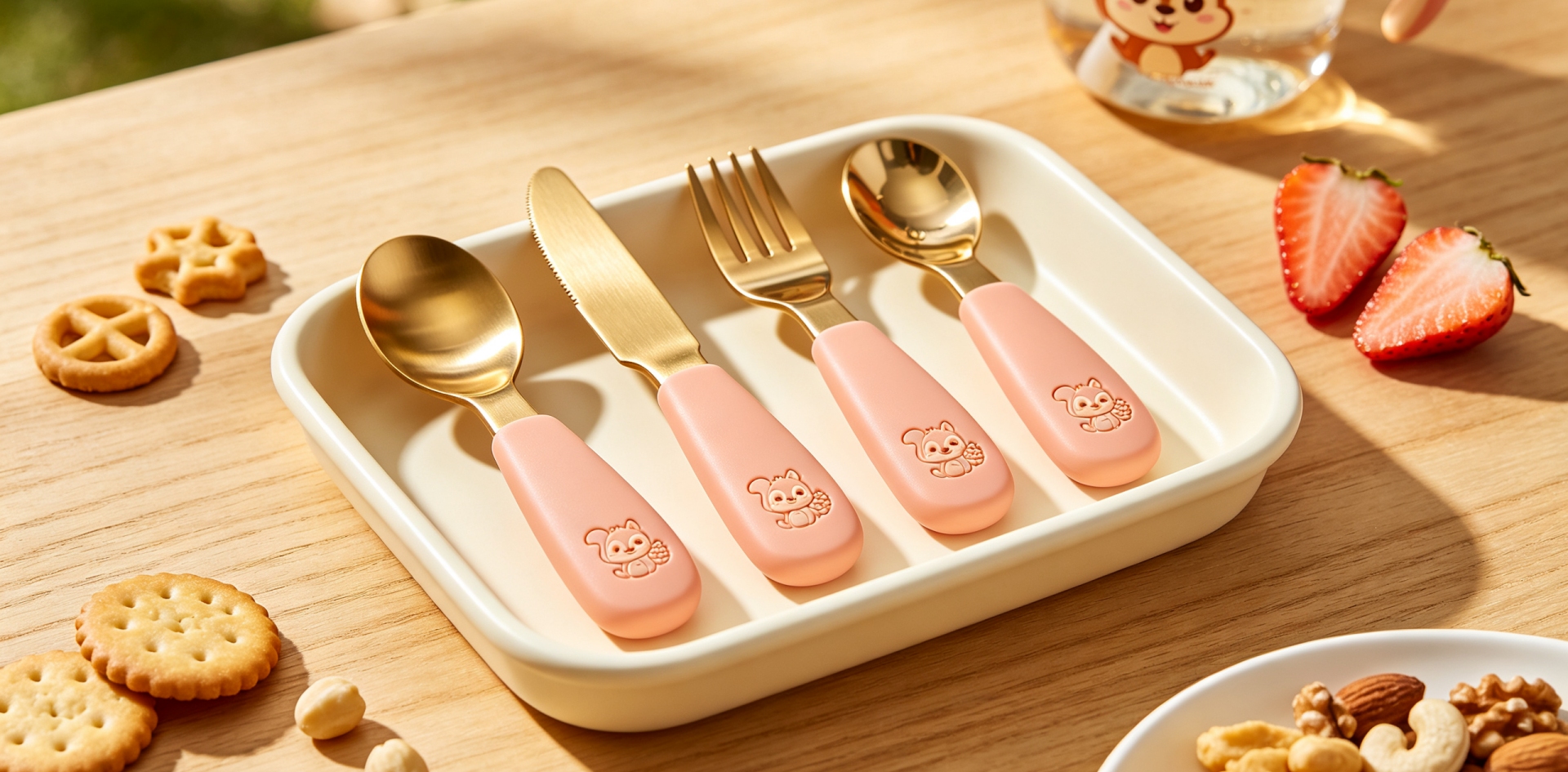
Fork head width influences the visual presence of the utensil, the relationship between the head and handle, and the way the fork matches the corresponding knife and spoon in a complete stainless steel flatware collection.
For OEM and ODM projects, defining this dimension during the development stage can help buyers achieve a more consistent product appearance and reduce unnecessary changes before bulk production.
Homefelt factory specializes in stainless steel knives, forks and spoons and provides OEM, ODM, private label, wholesale and bulk manufacturing services for international B2B customers.
Why Fork Head Width Matters
The fork head is one of the most visible parts of the product when the cutlery is placed on a table.
A relatively narrow fork head can create a lighter and more streamlined appearance, while a broader head can provide a stronger visual presence. The appropriate specification depends on the design concept and intended market.
For a commercial cutlery project, there is no single width that suits every customer. A restaurant supplier, hospitality buyer and private label brand may have completely different expectations.
The key is to define the width according to the complete product rather than selecting the measurement independently.
Connecting Fork Head Width With the Handle
The relationship between the fork head and handle affects the visual flow of the product.
If the head is particularly broad while the handle is visually narrow, the product may create a different impression from a collection using a more substantial handle. Likewise, a more streamlined fork may require a corresponding visual treatment throughout the collection.
For B2B buyers, this is one reason why a factory should review the complete fork specification during sample development.
Homefelt can work from customer drawings, existing samples or reference products to establish the intended dimensions before production.
Matching the Fork With Knives and Spoons
Most commercial stainless steel forks are purchased as part of a larger flatware program.
When a customer orders knives, forks and spoons together, the fork head should be evaluated alongside the other pieces. The objective is to create a collection with a consistent visual character.
The fork does not need to have the same visual width as the knife or spoon. Instead, each piece should contribute to a coordinated overall appearance.
For private label customers, this can be particularly important because the complete collection may become part of the brand's long-term product range.
Homefelt can develop matching stainless steel knives, forks and spoons according to the customer's collection requirements, allowing the buyer to coordinate the products through one manufacturing partner.
How to Confirm Fork Head Width During Sampling
A practical way to confirm the specification is to review the fork sample together with its technical drawing.
The drawing provides the measurable reference, while the physical sample allows the buyer to evaluate the actual visual result.
During sample approval, buyers can check whether the fork head has the intended presence, whether it works with the handle, and whether it looks appropriate beside the matching knife and spoon.
For larger projects, the approved sample can then become the reference for future bulk production.
This gives the customer and factory a common product standard before the order moves into manufacturing.
Fork Head Width and Product Positioning
Different markets can require different visual approaches.
A distributor supplying everyday tableware may prefer a practical and versatile fork design. A hospitality supplier may be looking for a coordinated appearance across a complete table setting. A private label brand may want a more distinctive product profile to separate its collection from standard market offerings.
Fork head width can contribute to these differences without changing the basic function of the utensil.
For this reason, B2B buyers should consider the target market before confirming the final specification.
A factory with OEM experience can discuss these requirements with the customer and help determine whether an existing model is suitable or whether a customized development would be more appropriate.
From Reference Sample to Bulk Production
Many OEM projects begin with a simple reference.
The customer may provide an existing fork, a drawing, a photograph or a general product concept. The factory then needs to convert that reference into measurable production requirements.
During sampling, the customer can confirm the fork head width together with other specifications. Once the sample is approved, the confirmed information becomes the basis for mass production.
This process is particularly useful for wholesale and private label customers who may reorder the same fork in different quantities over time.
Consistent product references help make repeat purchasing more straightforward.
OEM, ODM and Private Label Fork Manufacturing
Homefelt supports different levels of customization.
For OEM projects, customers can provide their own drawings, dimensions or reference samples for production. For ODM projects, the factory can use existing manufacturing experience and suitable product models as the starting point for development.
Private label customers can also develop customized stainless steel forks as part of a complete branded flatware collection.
For buyers who need large quantities, the product can be developed first through sampling and then transferred into bulk stainless steel fork production after the specifications are confirmed.
This provides flexibility for both established brands and distributors developing new product lines.
Factory Experience and Product Documentation
A professional B2B buyer normally needs clear product information before placing an order.
Depending on the project, this can include material specifications, dimensions, product weight, finishing requirements, packaging information and approved samples. Relevant factory qualifications and testing documentation can also support the supplier evaluation process.
Homefelt has extensive experience in stainless steel cutlery manufacturing and has passed BSCI, SEDEX 4P, BRC, ISO9001 and Disney audits. The factory also has FAMA and FSC certifications for applicable requirements.
These qualifications provide additional information about the manufacturing partner, while the approved product specification remains the key reference for each order.
One-Stop Service for Stainless Steel Flatware
International buyers often need to coordinate more than the product itself.
Homefelt provides one-stop service covering product design, manufacturing, packaging and transportation. The service can be customized according to the customer's situation, market requirements and expected order volume.
A buyer can develop a stainless steel fork together with matching knives and spoons, then coordinate packaging and transportation through the same supplier.
This can be useful for wholesale distributors, hospitality suppliers, commercial buyers and private label brands that need a complete stainless steel flatware solution.
Supporting Long-Term Customer Growth
For a successful B2B cutlery program, the objective is not simply to manufacture one batch of forks.
A reliable specification should remain useful for future orders, product extensions and collection development. Once the customer has approved the fork head width and the rest of the product requirements, the specification can serve as a stable reference for repeat production.
Homefelt aims to build long-term relationships with customers by combining stainless steel cutlery manufacturing experience with OEM, ODM, private label and one-stop service capabilities.
The factory works with customers to develop practical products, manage bulk manufacturing and support future purchasing needs as their businesses grow.
Stainless Steel Spoon Bowl and Handle Alignment for OEM Production
Stainless Steel Table Knife Thickness for OEM and Bulk Production
Related Article



