
Stainless Steel Fork Neck Width for OEM and Private Label Manufacturing
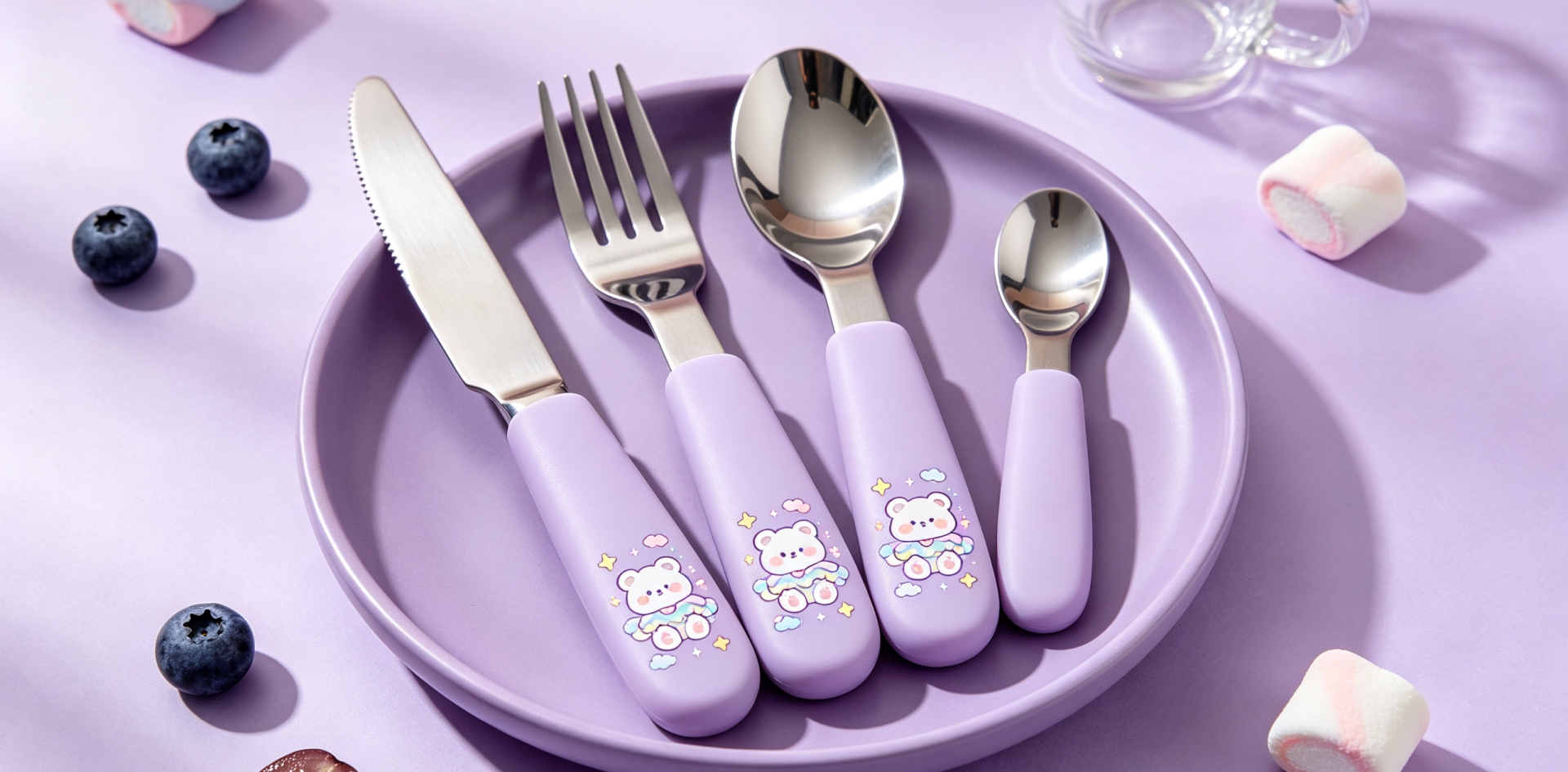
Stainless Steel Fork Neck Width for OEM and Private Label Manufacturing
The area between a stainless steel fork head and its handle is an important part of the product structure. While buyers often focus on tine dimensions and handle design, the neck section also determines how the fork transitions from the functional head into the gripping area.
Fork neck width is one useful parameter for defining this transition.
For OEM and private-label buyers, controlling neck width can help maintain the intended visual proportion and structural relationship of the fork. It can also provide a clearer manufacturing reference when a customer is developing a new flatware collection.
Homefelt factory manufactures stainless steel forks, spoons, knives and complete flatware collections for OEM, ODM, wholesale and bulk customers. Product design, manufacturing, customized packaging and transportation can be coordinated through a one-stop service according to each project's requirements.
What Is Fork Neck Width?
Fork neck width refers to the transverse dimension of a defined neck section between the fork head and handle.
The exact measurement location should be identified on the technical drawing because different fork designs may have different transition structures.
It should not be confused with:
-
Overall fork head width
-
Handle width
-
Fork tine spacing
-
Fork shoulder width
-
Handle thickness
-
Overall product width
A clear reference section allows the factory and buyer to evaluate the same dimension during sampling and inspection.
Why Fork Neck Width Matters
The neck creates a visual and structural bridge between the fork head and handle. If this section is too narrow or too wide compared with the rest of the design, the fork can look disproportionate.
For a private-label collection, this detail can also influence how the fork relates visually to the matching spoon and knife.
A controlled neck width can help achieve:
-
Balanced fork proportions
-
Consistent transition from head to handle
-
Stable product geometry
-
Repeatable production
-
Better coordination within a flatware collection
The appropriate dimension depends on the product design, material and intended application.
Neck Width and Fork Head Proportion
Fork neck width needs to be considered in relation to the fork head rather than as an isolated number.
A wider fork head may require a different neck proportion from a narrower design. Similarly, a decorative or substantial handle can change how the neck appears visually.
During product development, the factory can review the relationship between:
-
Fork head width
-
Neck width
-
Handle width
-
Overall fork length
-
Material thickness
-
Transition geometry
This helps maintain the design balance established by the customer.
Neck Width and Handle Design
The neck is also connected directly to the handle structure.
A handle may be straight, tapered, decorative or shaped according to a particular private-label design. The neck should provide a controlled transition into that handle without creating an unintended visual break.
For OEM projects, the drawing can define the neck width together with nearby reference dimensions.
This becomes particularly useful when a customer wants the fork to match an existing spoon or knife collection while retaining its own functional geometry.
Manufacturing Considerations
Stainless steel forks are produced through multiple forming and finishing operations. The neck section needs to remain stable throughout these processes.
Tooling design, material thickness, forming conditions and subsequent finishing can all affect the final dimensions.
When a customer provides a drawing or sample, Homefelt can review whether the specified neck width is practical for the proposed production process.
If the design contains decorative details near the neck, their position can also be considered during tooling development so that the final product maintains the intended relationship between the head and handle.
Material and Thickness Selection
Material specification is another factor in fork neck development.
Different stainless steel grades and thicknesses can have different forming characteristics. The selected material should therefore support the required structure and production method.
A B2B product specification may include:
-
Stainless steel grade
-
Material thickness
-
Fork head dimensions
-
Neck width
-
Handle dimensions
-
Surface finish
-
Overall fork length
-
Quality requirements
Defining these parameters before sampling gives the production team a stronger reference for repeat manufacturing.
Neck Width and Structural Requirements
The neck is part of the load path between the fork head and handle during normal use.
Its geometry should therefore be developed according to the intended application rather than selected only for visual reasons.
For commercial cutlery, the design may need to withstand repeated handling and cleaning while maintaining its shape.
Homefelt can review the neck dimensions together with material specification, thickness and overall product geometry to ensure that the custom design is appropriate for its intended use.
Consistency During Bulk Production
A custom fork may look correct as a single sample, but maintaining the same neck width across a large production batch requires controlled manufacturing.
If the neck varies noticeably from piece to piece, the transition between the fork head and handle can appear inconsistent.
For bulk orders, inspection can compare the finished product with the approved drawing and master sample.
Depending on the project, checks may include:
-
Neck width
-
Fork head dimensions
-
Handle width
-
Overall length
-
Material thickness
-
Transition appearance
-
Surface condition
-
Batch consistency
The exact inspection points and tolerances can be agreed according to the customer's quality standard.
Sample Development for OEM and ODM Projects
When developing a custom fork, the sample stage provides an opportunity to evaluate the complete product rather than individual dimensions alone.
Homefelt can review:
-
Fork head design
-
Neck width
-
Handle shape
-
Material specification
-
Thickness
-
Surface finish
-
Overall proportions
-
Matching relationship with other cutlery pieces
If the customer provides an existing fork as a reference, the factory can also identify which dimensions are important to preserve and which areas can be modified.
This helps turn a reference product into a repeatable specification for future orders.
Experience in Stainless Steel Cutlery Manufacturing
Many OEM projects begin with a product photograph, sample or basic drawing. However, a visual reference does not always define every dimension required for mass production.
Experienced product development requires identifying the structural relationships that affect the finished appearance and performance.
Fork neck width is one example. Two forks can have similar overall dimensions but look different because the relationship between the head, neck and handle is different.
Homefelt factory can work with customer requirements to develop a practical specification before moving into bulk manufacturing.
Quality Documentation and Supplier Capability
For B2B buyers, product specifications can be supported by appropriate inspection and supplier documentation.
Homefelt has passed BSCI, SEDEX 4P, BRC and ISO9001 audits or certifications, as well as Disney audit requirements. FAMA and FSC certificates are also available for applicable projects.
Depending on the customer's purchasing program, relevant product specifications, inspection records, material information and testing documentation can be prepared for the project.
The documentation can be matched to the actual product and market requirements.
OEM, ODM and Private Label Fork Manufacturing
Fork neck width can be customized as part of a broader private-label product design.
Homefelt supports OEM and ODM manufacturing based on customer drawings, samples and product concepts. Customers can customize the fork head, neck, handle, material, finish, branding and packaging according to their target market.
For wholesalers and distributors, controlled specifications also support repeat orders and stable product quality.
The factory can coordinate the fork with matching spoons and knives so the complete collection maintains a consistent design language.
One-Stop Service for Custom Flatware
Homefelt provides a one-stop approach for B2B stainless steel cutlery projects, covering:
-
Product concept and design review
-
Technical specification development
-
Stainless steel material selection
-
Sample development
-
OEM and ODM manufacturing
-
Private label customization
-
Bulk production
-
Quality inspection
-
Customized packaging
-
Transportation coordination
This allows buyers to manage their product development and supply requirements through one experienced stainless steel cutlery factory.
Related Article



