
Stainless Steel Fork Tine Count for B2B Cutlery Design
Stainless Steel Fork Tine Count for B2B Cutlery Design
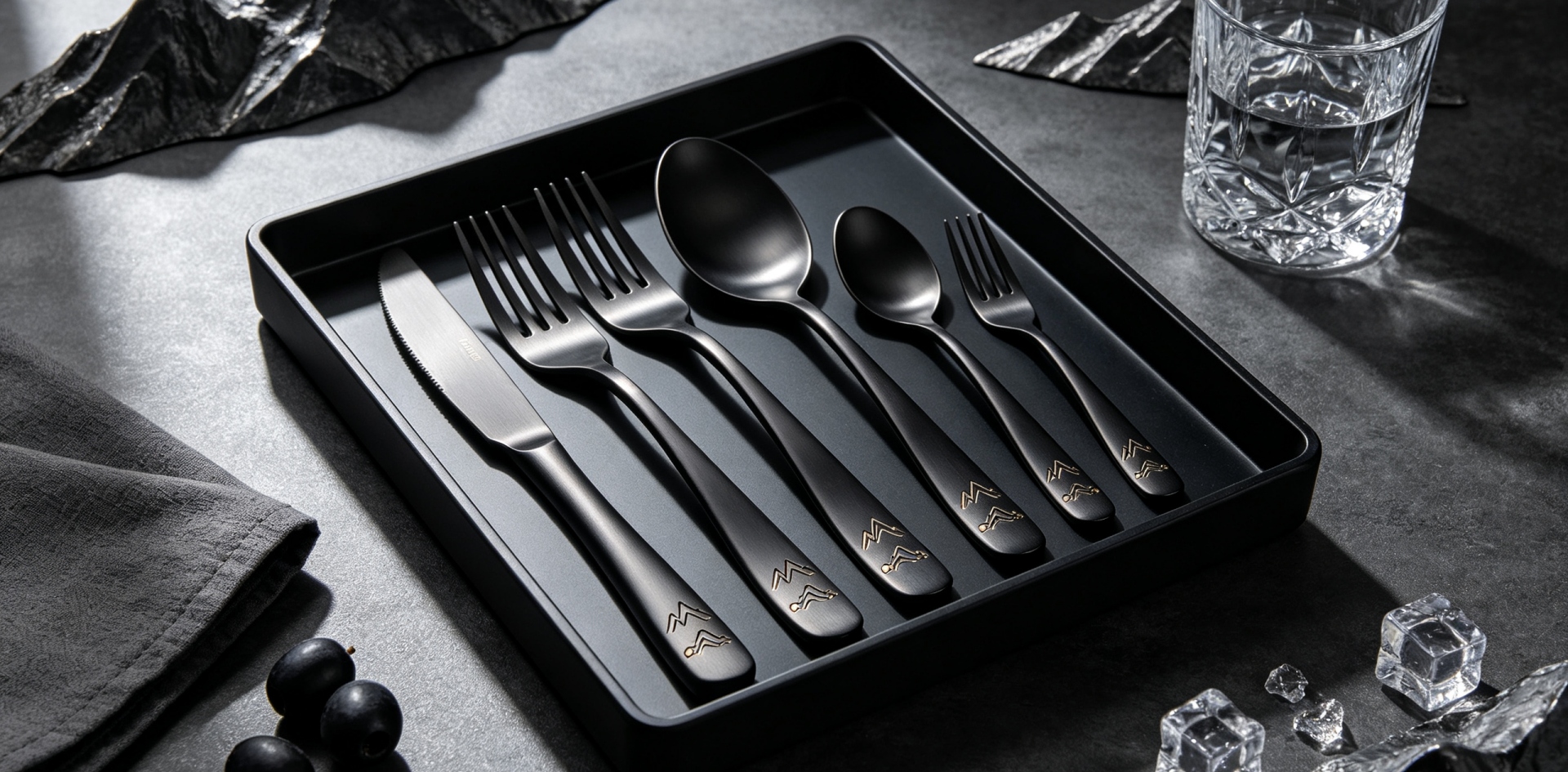
When developing a stainless steel cutlery collection, buyers often pay close attention to material, finish, dimensions and handle design. However, the number of tines on a fork is another detail that can influence both the appearance and practical positioning of the product.
For B2B buyers developing tableware collections, choosing the appropriate fork structure is not simply a matter of appearance. Tine count can be considered together with the intended use, fork size, overall design language and target market.
Why Fork Tine Count Matters
A stainless steel fork is a simple-looking product, but its head contains several design elements that work together. The number of tines changes the visual proportion of the fork and influences the available space between each tine.
A four-tine fork is a familiar configuration for many tableware collections and can provide a balanced appearance for general dining applications. Other configurations may be selected for specific product concepts or design requirements.
For a B2B customer, the important point is that tine count should be decided as part of the complete product specification rather than treated as an isolated design detail.
Matching Tine Count With Fork Size
Fork size and tine count need to work together.
A larger table fork provides more available width for the fork head, while a smaller fork may require a more compact arrangement. If the number of tines changes without considering the overall dimensions, the visual balance of the fork can also change.
When developing a custom stainless steel fork, manufacturers can evaluate the tine configuration together with fork head width, tine length, overall fork dimensions and handle proportions.
This is especially useful for private label brands that want their cutlery to have a consistent appearance across several products.
Considering the Intended Application
Different B2B buyers may have different requirements for their stainless steel forks.
A general-purpose tableware collection may use a familiar fork configuration designed for everyday dining. A specialized collection may require a different visual or functional approach based on its intended application.
Restaurant suppliers, hospitality distributors, retailers and private label brands can therefore communicate the intended market when requesting a custom fork.
This gives the manufacturer more context when reviewing the proposed design.
Visual Balance Within a Cutlery Collection
A fork should not be considered separately from the knife and spoon.
When a brand develops a complete stainless steel cutlery set, the fork head, spoon bowl and knife blade should create a visually coordinated collection.
Tine count can contribute to this relationship. The shape and density of the fork head should feel appropriate next to the proportions of the other pieces.
For a modern minimalist collection, a clean and relatively simple fork head may complement the overall concept. For a more decorative collection, additional design details may be incorporated around the fork head and handle.
The final decision depends on the complete design rather than one universal formula.
Manufacturing Considerations for Custom Forks
Changing the number of fork tines affects more than the appearance of the finished product. It can also influence the forming and finishing requirements of the fork head.
Each tine needs to maintain a consistent shape and position during production. The transitions between the tines and the surrounding fork head should also be properly formed and finished.
For large-volume B2B production, repeatability becomes important. Once a customer approves a fork design, the same configuration should be maintained across production batches.
This is why drawings, samples and approved specifications are valuable during custom stainless steel cutlery development.
Tine Configuration and Finishing Quality
The fork head contains multiple narrow edges and transitions, making finishing an important part of production.
After forming, the fork should be processed so that the edges and surfaces meet the required product specification. The tines should have a consistent appearance and should align with the approved sample.
For polished stainless steel cutlery, visual consistency can be particularly noticeable under retail lighting. For other finishes, the relationship between the fork head and handle may create a different visual effect.
A professional manufacturing process should therefore consider tine configuration together with forming and finishing.
Custom Fork Design for Private Label Collections
Private label brands often need more than a standard catalog fork.
A brand may already have a specific collection concept and want the fork to match an existing knife and spoon. In other cases, the customer may want to adjust the fork dimensions, handle shape or head design to create a distinctive collection.
Homefelt factory can work with B2B customers on customized stainless steel knives, forks and spoons, including OEM and ODM projects.
Customers can provide drawings, reference samples or product concepts. The requirements can then be reviewed before the final production specifications are confirmed.
This approach allows the fork to be developed as part of the customer's complete flatware program instead of being selected as an unrelated standard item.
Keeping Customization Practical for Bulk Production
A good custom design needs to work not only as a sample but also as a repeatable production product.
For large-volume orders, the selected fork configuration should be suitable for consistent manufacturing. Dimensions, tine structure, handle design, material and finishing requirements should be clearly established before production begins.
This is particularly important when the same collection will be reordered over several seasons or distributed across different markets.
A clear product specification gives both the buyer and factory a common reference for future orders.
How Homefelt Supports B2B Stainless Steel Cutlery Projects
Homefelt factory provides stainless steel cutlery customization for wholesalers, distributors, retailers and private label brands.
The service can cover individual knives, forks and spoons as well as complete flatware sets. OEM and ODM customers can develop products around their own specifications, while wholesale buyers can discuss suitable configurations for larger-volume requirements.
The factory can also coordinate different aspects of a project according to customer needs, including product design, customization, packaging and transportation arrangements.
For customers building a longer-term product range, this integrated approach can make it easier to develop related collections while keeping specifications organized.
Planning Your Custom Fork Order
Before requesting a quotation, B2B buyers can prepare basic information about the intended fork.
Useful details may include the overall fork length, head dimensions, tine count, handle design, material requirement, surface finish, expected quantity and packaging concept.
If a drawing or physical reference sample is available, it can provide additional information for the factory to review.
The more clearly the product requirements are communicated, the easier it is to discuss production options and establish a suitable specification for the order.
For buyers who only have an initial concept, the discussion can also begin with basic product requirements and target market information.
From One Fork to a Complete Flatware Program
Fork tine count may appear to be a small detail, but small design decisions can contribute to the identity of an entire stainless steel cutlery collection.
When the fork is developed together with the knife and spoon, the result can be a more coherent product range for retail, hospitality or distribution.
Homefelt supports B2B customers from individual custom cutlery pieces to complete stainless steel flatware collections and large-volume production programs.
Whether you already have a finished drawing or are developing a new product concept, discussing the specifications with the factory at an early stage can help turn the idea into a practical production project.
Stainless Steel Spoon Neck Radius for B2B Cutlery Design
Stainless Steel Cutlery Tray Fit for B2B Retail Sets
Related Article



