
Stainless Steel Fork Tine Tip Shape for B2B Cutlery
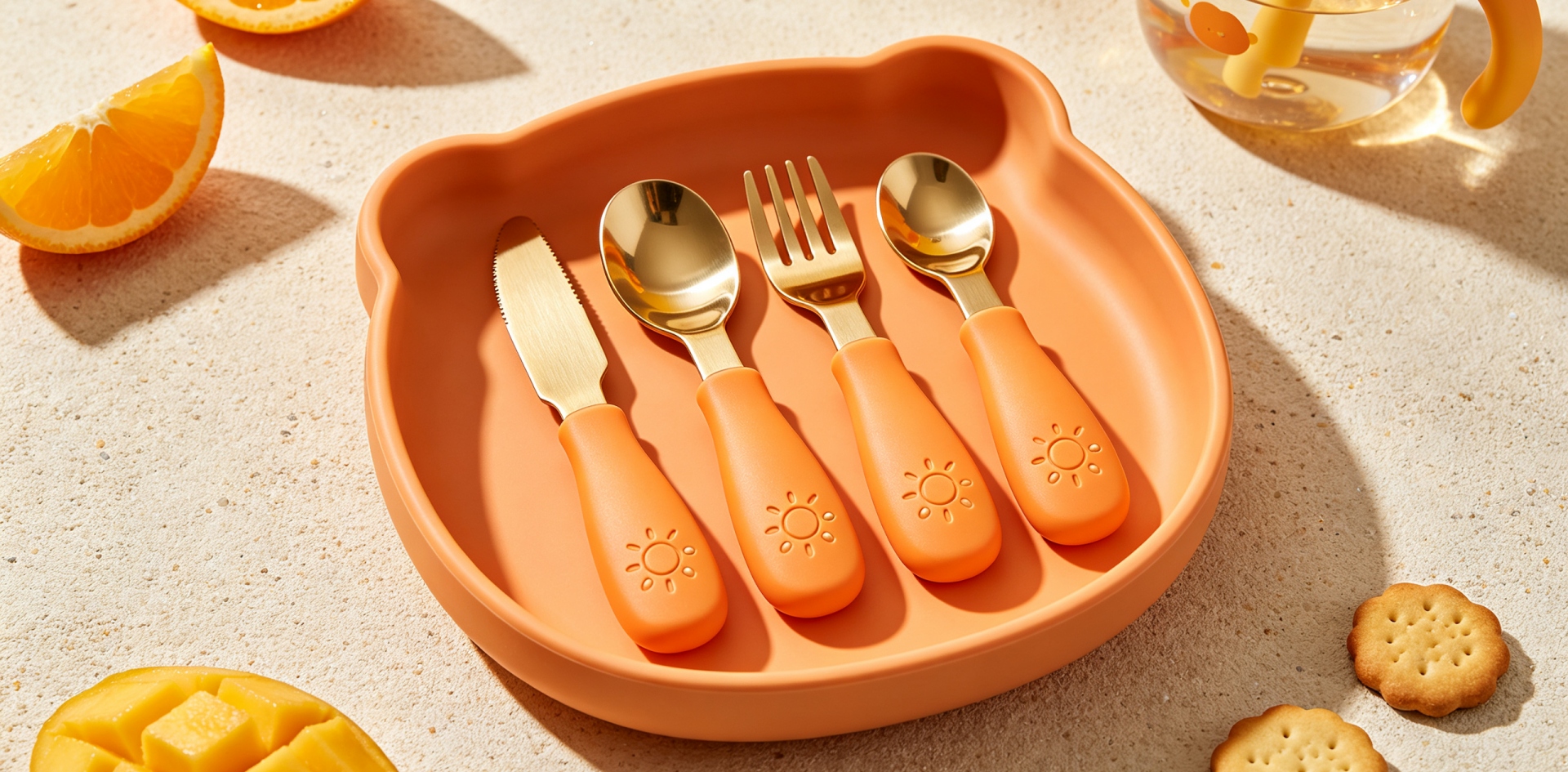
Stainless Steel Fork Tine Tip Shape for B2B Cutlery
When developing a stainless steel fork for a new product line, buyers often pay close attention to the overall silhouette, handle design and surface finish. One smaller detail that can also influence the final appearance and user experience is the shape of the fork tine tips.
For B2B cutlery projects, tine tip design is not simply a visual decision. It can affect how a fork looks in a complete collection, how the product feels during use, and how consistently the design can be reproduced in volume production. For brands and wholesalers developing custom stainless steel flatware, defining this detail early can make communication between the buyer and manufacturer much more efficient.
What Is Fork Tine Tip Shape?
The tine tip is the front end of each fork tine. Although it represents only a small part of the product, the shape and finishing of the tips contribute to the overall character of the fork.
Depending on the design, the tips may have a softer rounded appearance, a more defined profile, or another shape specified by the customer's technical drawing. The visual difference can be subtle when a fork is viewed individually, but it becomes more noticeable when multiple pieces are displayed together in a retail package, hospitality setting or complete flatware collection.
For custom manufacturing, the important point is that the tine tip should be treated as part of the product specification rather than an incidental production detail.
Why Tine Tip Design Matters in a B2B Project
A custom fork usually needs to work as part of a larger product program. If a brand is developing matching knives, spoons and forks, small differences in proportions and contours can influence whether the collection looks visually consistent.
The fork is often one of the most recognizable pieces in a flatware set because of its distinctive tine structure. A carefully considered tip profile can therefore contribute to the overall design language of the collection.
For wholesalers and private label brands, another consideration is repeatability. Once a design has been approved, the same appearance may need to be reproduced across future production orders. A clearly defined tine specification gives the manufacturer a reference for sampling and subsequent production.
This is particularly useful when a customer plans to purchase the same model repeatedly or build several related SKUs around one basic design.
Design Choices Should Match the Overall Collection
Tine tips should not be considered independently from the rest of the fork.
The shape of the fork head, tine proportions, shoulder area, neck transition and handle design all work together. A very refined handle may require a different visual treatment at the fork head from a heavier commercial design. Likewise, a modern minimalist collection may use a different tine appearance from a more traditional flatware series.
For an OEM or private label project, buyers can provide reference images, drawings or physical samples to communicate the intended direction. The manufacturer can then evaluate how the proposed design can be translated into a production-ready stainless steel fork.
This approach helps prevent a common sourcing problem: approving a general concept while leaving small but important details undefined.
Tine Tips and Product Sampling
Sampling is especially important when the customer has a specific fork design in mind.
A drawing can communicate dimensions and general shape, but the actual sample allows the buyer to inspect the complete product. The fork can be viewed from different angles, compared with the matching spoon and knife, and evaluated as part of the intended collection.
For B2B customers, it is useful to check the tine tips together with the entire fork head rather than examining the tips alone. The relationship between the tip shape and the surrounding design is what creates the final visual impression.
If adjustments are needed, the manufacturer can use the approved sample or technical specification as a reference for further development before bulk production begins.
How Tine Tip Design Influences Manufacturing Communication
One advantage of working with an experienced stainless steel cutlery manufacturer is that small design requirements can be discussed during the development stage instead of being discovered after production starts.
A buyer may specify the desired appearance using a technical drawing, marked-up photograph, reference product or sample. The manufacturer then has a clearer basis for discussing production feasibility and developing the sample.
For international B2B orders, this type of communication is valuable because product specifications often pass between purchasing teams, designers, product managers and factories. A precise description of the fork design reduces ambiguity and makes approval easier.
It also helps when a customer wants to develop several forks within one product family. The same design principles can be documented and applied across different models while maintaining a recognizable brand style.
Custom Fork Development for Private Label Brands
Private label brands often need products that look distinctive without making the manufacturing process unnecessarily complicated.
A fork tine tip is one of the details that can be adjusted as part of a broader custom design. Combined with handle proportions, surface treatment, material specification and matching cutlery pieces, it can help create a collection that has its own visual identity.
For OEM and ODM projects, the goal is not simply to change one isolated feature. The more useful approach is to develop a complete specification that allows the factory to understand the relationship between individual components.
This is where a specialized stainless steel cutlery factory can support the development process from initial concept and sampling through to bulk production.
Consider the Tine Design Before Requesting a Quotation
When requesting a quotation for a custom stainless steel fork, buyers can provide more useful information by including the intended design requirements from the beginning.
A quotation request may include:
The fork type and intended application
The required stainless steel specification
Overall fork dimensions
Fork head and handle design
Tine configuration and tip appearance
Surface finish
Logo or branding requirements
Packaging requirements
Estimated order quantity
Target delivery schedule
Reference drawings, photographs or samples
The more complete the initial information, the easier it is for a manufacturer to understand the project and prepare an appropriate quotation.
For standard wholesale models, the process can be simpler. For custom OEM or private label products, however, detailed specifications are particularly valuable because tooling, sampling and production requirements may depend on the final design.
Building a Consistent Stainless Steel Flatware Collection
A successful cutlery collection is rarely defined by one feature alone. The strength of the design comes from consistency across knives, forks and spoons.
For example, if a brand develops a new fork with a particular head profile and tine treatment, the matching spoon and knife should be considered at the same time. Their proportions, transitions and overall visual weight should work together.
A manufacturer experienced in stainless steel flatware can help customers translate the design concept into a coordinated product range. This is especially useful for B2B customers who plan to launch several SKUs rather than purchasing one isolated product.
Instead of treating each item as a separate project, the customer can establish a common design direction and develop a complete collection around it.
Why Work Directly With a Stainless Steel Cutlery Factory?
For custom projects, communication between the buyer and factory has a direct effect on development efficiency.
A dedicated stainless steel cutlery manufacturer can discuss design requirements, sampling details, production considerations and bulk order specifications within the same manufacturing process. This can make it easier for brands, distributors and wholesalers to move from an initial idea to an approved product.
Homefelt focuses on stainless steel knives, forks, spoons and cutlery sets for B2B customers. With long-term experience in the stainless steel cutlery business, the factory supports OEM, ODM, private label and wholesale projects for customers developing their own product ranges.
Whether the requirement is a standard stainless steel fork for wholesale supply or a customized fork designed around a specific brand concept, the project can be discussed according to the customer's product specifications and order requirements.
From Small Design Details to Commercial Orders
Small details can have a surprisingly important role in custom flatware development. Fork tine tip shape is one example.
For a consumer looking at a finished fork, the difference may appear minor. For a product designer or purchasing team managing a private label collection, however, every visible detail contributes to the approved specification.
Defining these details before sampling helps create a clearer product brief. Once the sample is approved, the same specification can become the reference for bulk manufacturing and future repeat orders.
For B2B buyers, this creates a more structured path from product concept to commercial supply: define the design, develop the sample, confirm the specification, request the final quotation, and move into production according to the approved requirements.
If you are developing a new stainless steel fork, a complete cutlery set or a private label flatware collection, sharing your drawings, reference samples, target quantity and customization requirements with the factory is a practical starting point.
Custom Stainless Steel Fork Manufacturing
OEM & ODM Stainless Steel Cutlery
Private Label Flatware Manufacturing
Stainless Steel Cutlery Sample Kits for B2B Buyers
Custom Engraved Stainless Steel Cutlery for B2B
Related Article



