
Stainless Steel Fork Tine Tip Shape for OEM and Bulk Production
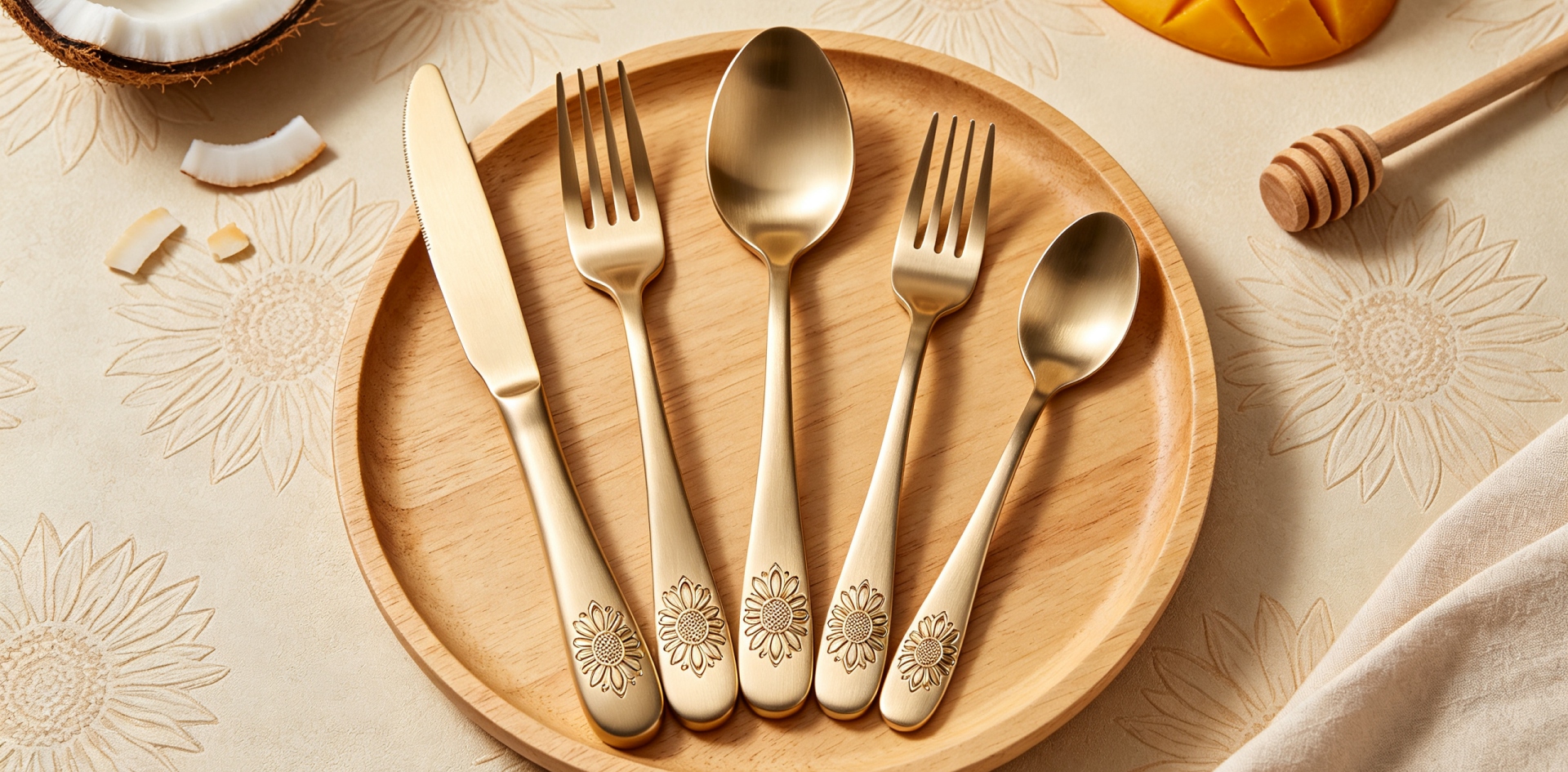
Stainless Steel Fork Tine Tip Shape for OEM and Bulk Production
When developing stainless steel forks for wholesale or private label collections, the fork head is normally evaluated as a complete component. However, the shape of each tine tip can also influence the visual character and consistency of the finished product.
For OEM and ODM buyers, tine tip shape is a useful detail to define during product development. It should be coordinated with the tine length, spacing, head structure and overall fork design so the finished product follows the approved concept.
What Is Fork Tine Tip Shape?
The tine tip is the front end of each fork tine. Its shape can vary depending on the product design and manufacturing specification.
Different stainless steel forks may use subtly different tip forms. A buyer may prefer a more traditional appearance, a clean contemporary form or a customized profile that matches an existing product collection.
For B2B product development, the relevant specifications may include:
-
Tine tip shape
-
Tip contour
-
Tip width
-
Relationship between tip and tine body
-
Consistency between individual tines
-
Alignment of the tine tips
-
Relationship with the fork centerline
-
Overall appearance of the fork head
The exact geometry should be confirmed through an approved drawing, CAD file or physical sample.
Why Tine Tip Shape Matters
Although the tine tip is a small part of a fork, it is located at the most visible end of the product. Differences between tine tips can therefore affect the appearance of the complete fork.
For a private label collection, a specific tip shape may contribute to the visual identity of the product. For wholesale buyers, consistent tip geometry helps ensure that the forks supplied in the same order look uniform.
This becomes more important when the fork is produced in large quantities. A small variation repeated across thousands of pieces can become visually noticeable when the products are displayed together.
Defining Tine Tips for OEM Projects
When a buyer develops a customized fork, the product specification can include tine tip information together with the main fork dimensions.
A practical specification may include:
Product type: stainless steel table fork
Overall length: according to approved design
Fork head length: according to approved design
Fork head width: according to approved design
Tine length: according to approved design
Tine spacing: according to approved design
Tine tip shape: according to approved drawing or sample
Number of tines: according to selected model
Material: customer-approved stainless steel specification
Surface finish: according to collection requirements
This gives the factory a more complete understanding of the product instead of relying only on a general product name.
Relationship Between Tip Shape and Tine Structure
The tine tip should be considered together with the rest of the tine.
Changing the tip without reviewing the tine length or width can alter the overall appearance. Similarly, a change in tine spacing can influence how the tips look when viewed from the front.
The complete fork head should therefore be reviewed before the final tip geometry is approved.
For OEM buyers, this approach reduces the possibility of creating a detail that looks correct independently but does not match the rest of the fork.
Tine Tip Consistency in Bulk Production
Once the buyer approves a fork sample, the tine tip shape becomes part of the product reference.
During production, the manufacturer can use the approved sample and technical specifications to maintain consistency between pieces. This is particularly useful for distributors and private label brands that need reliable repeat supply.
If the same fork is reordered later, the original specifications can also provide a clear reference for reproducing the approved design.
For large-volume orders, this kind of product documentation supports communication between the buyer and factory and makes repeat production easier to manage.
Different B2B Applications
The ideal tine tip design depends on the target market and overall collection.
Hospitality and restaurant buyers may prefer a practical, coordinated fork appearance that works with existing tableware.
Retail and private label brands may place greater emphasis on visual differentiation. In this situation, tine tip geometry can be coordinated with the handle, fork head and other flatware models to create a consistent collection.
Distributors may instead prioritize stable specifications and reliable repeat production across multiple orders.
The important point is that tine tip shape should be selected according to the complete product and commercial requirements.
Homefelt Factory for Customized Stainless Steel Forks
Homefelt factory focuses on stainless steel cutlery manufacturing, including forks, spoons, knives and complete flatware collections.
With 40 years of experience in the stainless steel cutlery business, Homefelt works with customers on both standard and customized products.
For OEM and ODM projects, customers can provide a reference fork, drawing, photograph or initial product concept. The factory can review the proposed structure and coordinate sample development according to the customer's requirements.
This is particularly useful for private label buyers who want to create a distinctive fork collection with controlled product details.
One-Stop Service for B2B Cutlery
For international buyers, product manufacturing is only one part of the sourcing process. A commercial project may also involve customized packaging, shipment arrangements and repeat production.
Homefelt provides a one-stop service according to each customer's situation. The service can include product design, stainless steel cutlery manufacturing, packaging and transportation.
For customers developing a complete flatware collection, the same project can cover knives, forks and spoons so that product specifications and supply arrangements remain coordinated.
Experience and Factory Qualifications
Supplier experience is important when a product contains customized details that need to remain consistent during bulk production.
Homefelt has experience working with well-known brands and has passed BSCI, SEDEX 4P, BRC, ISO9001 and Disney audits. The factory also has FAMA and FSC certificates.
These qualifications provide supporting information for B2B buyers evaluating a stainless steel cutlery supplier for OEM, ODM, private label, wholesale and bulk projects.
Specific product testing and documentation requirements can be discussed according to the customer's market and order.
From Sample to Commercial Production
A customized fork project can begin with a reference sample rather than a complete technical drawing.
The buyer can provide an existing product or basic design concept. Homefelt can then work with the customer to clarify important product specifications and develop a sample for confirmation.
After the sample is approved, the confirmed product details can be used for bulk production and future repeat orders.
This process is especially valuable for distributors and private label brands that need stable product quality across multiple shipments.
Homefelt aims to provide a long-term China service solution for stainless steel cutlery buyers. By combining product development, manufacturing and one-stop project support, the factory can work with customers as their product range and business requirements grow.
Stainless Steel Flatware Texture Direction for OEM and Bulk Production
Stainless Steel Fork Tine Length for OEM and Bulk Production
Related Article



