
Stainless Steel Fork Tine Tips: A Practical Detail for Custom B2B Cutlery
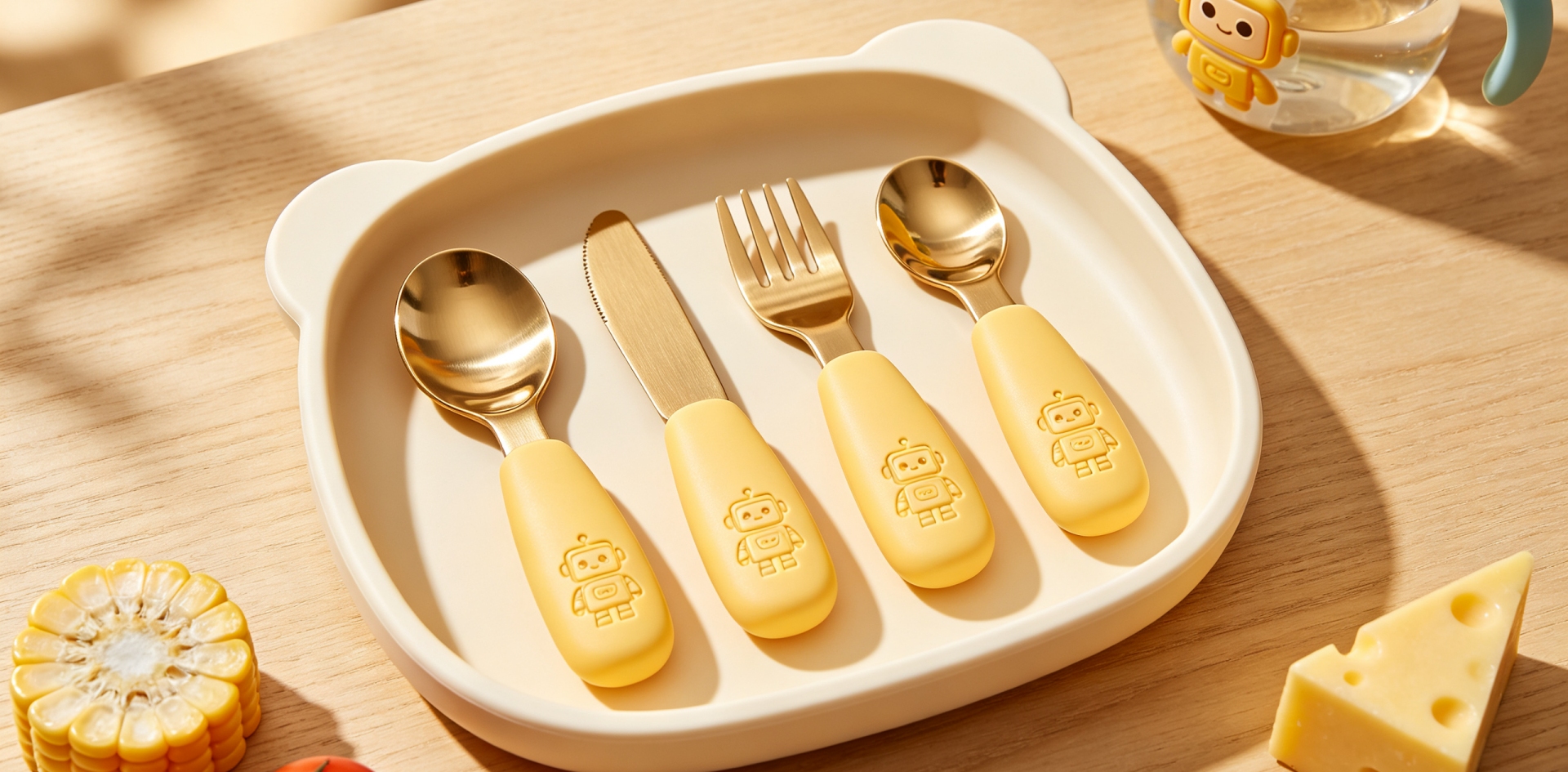
Stainless Steel Fork Tine Tips: A Practical Detail for Custom B2B Cutlery
When developing a custom stainless steel fork, B2B buyers usually pay attention to the overall shape, handle design, dimensions and number of tines. One smaller detail that can also influence the finished product is the shape and treatment of the tine tips.
The tips are the final part of each fork tine and form the contact point between the functional end of the fork and the food. Although they represent only a small area of the product, their shape, consistency and finishing can contribute to the overall appearance and quality of a custom fork.
For OEM, ODM and private label projects, this is another detail that can be defined during product development rather than left to interpretation during production.
Why Fork Tine Tips Matter in Custom Cutlery
A fork is made from several connected elements, and the tines create one of its most recognizable visual features.
When the fork is displayed individually or together with a complete cutlery set, the tine tips are clearly visible. Differences in shape or finishing can therefore affect the appearance of the product.
For a standard catalog fork, the design is normally already established. For a custom B2B project, however, the buyer may want to adjust the overall character of the fork.
The tine tips can be considered as part of that design.
The objective is not necessarily to make the tips visually unusual. In many projects, the most important requirement is that they look clean, consistent and appropriate for the intended collection.
Different Tip Shapes Create Different Impressions
The shape of the tine tips can influence how a fork looks from the front.
A more rounded termination can create a softer visual impression, while a more defined termination may give the fork a sharper and more precise appearance.
The final design needs to work together with the width, spacing and length of the tines.
This means that the tip should not be considered as an isolated feature. Changing the tip shape may also change how the complete fork head is perceived.
For a private label brand, these small relationships can be useful when creating a product that feels different from a standard wholesale design.
Consistency Across All Tines
One important consideration for B2B buyers is consistency.
The tips of all tines on the same fork should follow the approved design. If one tine has a noticeably different shape or appearance from the others, the difference can become visible when the fork is inspected closely.
This is particularly relevant for larger production quantities.
During sample approval, buyers can compare the tine tips across the complete fork head. Once the design is approved, the same reference can be used when preparing the production specifications.
Consistency becomes even more important when the same fork design is reordered.
Tip Design and the Overall Fork Head
The tine tips are part of the larger fork head, so their appearance should match the surrounding design.
The relationship between the tips, tine spacing and head shape determines the visual character of the functional end.
For example, a broad fork head may require a different visual treatment from a narrow one. A minimalist fork design may benefit from simple, clean tine terminations, while a more decorative collection may use a different visual approach.
There is no single tip design suitable for every stainless steel fork.
The correct solution depends on the complete product concept.
How Tip Finishing Influences the Final Product
The end of each tine should also be considered from a finishing perspective.
After forming and other manufacturing operations, the tine tips need to achieve the agreed final appearance. The transition from the main tine to its termination should look consistent across the product.
For B2B buyers, this is one reason why physical samples are useful.
A drawing can define the intended shape, but a finished sample provides a clearer reference for evaluating the actual result.
The buyer can inspect the fork under normal lighting and compare all tine tips together before approving the design for larger production.
Designing Forks for a Complete Cutlery Collection
A custom fork rarely exists completely on its own.
It may be part of a set containing a knife and one or more spoons. The fork head therefore needs to fit the visual direction of the entire collection.
The tine tips do not need to copy any feature from the knife or spoon, but their overall character should be compatible with the collection.
For example, a highly angular fork may not visually match a collection built around soft, rounded forms.
This is why fork development should ideally be considered together with the rest of the stainless steel flatware range.
The Role of Technical Drawings
For custom B2B manufacturing, technical drawings can provide a useful reference for fork development.
The drawing can define the general head shape and key dimensions while showing the intended appearance of the tine tips.
If the tip design is especially important to the brand, it can be enlarged or shown in greater detail.
This reduces the possibility of misunderstanding between the buyer and manufacturer.
Clear documentation also becomes valuable when the same product is reordered months or years later.
Sample Approval Before Bulk Production
A sample is the practical checkpoint between design development and production.
For a custom fork, the buyer can use the sample to inspect the tine arrangement, overall head shape and tip appearance together.
If a small adjustment is required, it can be discussed before the bulk order is released.
For example, the customer may decide that the tips should have a softer visual character or that their appearance needs to match another fork already sold under the same brand.
Making such changes during sampling is generally much easier than changing a finished bulk order.
Communicating Requirements to a Manufacturer
A B2B inquiry does not need to contain every technical detail if the design is still being developed.
However, any feature that is important to the customer should be clearly identified.
A buyer can provide a reference photo, drawing or physical sample and explain which elements should be retained and which should be changed.
For a custom fork project, useful information may include:
Fork type and intended application
Overall dimensions
Material specification
Number of tines
Tine design requirements
Handle design
Surface finish
Estimated order quantity
Packaging requirements
Reference samples or drawings
This gives the manufacturer a practical starting point for discussing the project.
Fork Tine Tips and Manufacturing Consistency
A custom design has to work beyond the first sample.
If the product is intended for wholesale or private label sales, the manufacturer needs to reproduce the approved design across the required quantity.
The tine tips therefore need to be part of the production reference rather than treated as an informal visual detail.
Clear specifications, approved samples and appropriate production controls can help maintain consistency across the order.
This is especially useful for customers who expect repeat orders.
Protecting the Approved Design for Repeat Orders
B2B cutlery programs often continue beyond the initial shipment.
A distributor may reorder the same fork. A brand may add matching spoons and knives. A retailer may expand the collection into another market.
When the original fork design has been clearly documented, the manufacturer can use it as a reference for future production.
The tine tips may appear to be a minor detail, but preserving these details can help the finished product remain consistent over time.
This matters for private label products because customers may expect the same appearance when they purchase the same item again.
Developing a Distinctive Fork Without Overcomplicating It
Not every custom fork needs an elaborate design.
Sometimes the difference between a standard product and a private label product comes from several carefully controlled details rather than one dramatic feature.
The shape of the handle, the fork head, the tine arrangement and the tine tips can work together to create a distinctive appearance.
For a B2B brand, this can provide a practical way to develop a recognizable product while keeping the design suitable for regular manufacturing.
The key is to decide which details are important to the product identity and communicate them clearly to the manufacturer.
Why Manufacturer Experience Matters
Custom stainless steel cutlery development involves more than reproducing a drawing.
The manufacturer needs to understand how the design will translate into an actual stainless steel product and how the approved details can be maintained during production.
For fork development, this includes the relationship between the head, tines, handle and finishing requirements.
An experienced stainless steel cutlery factory can work with customer drawings, reference samples and product specifications to develop the required sample and prepare the approved design for bulk manufacturing.
From Custom Fork Sample to Commercial Order
For brands and distributors, the ultimate objective of product development is a commercially usable product.
A successful custom fork should have the desired appearance, meet the functional requirements and be suitable for the planned order quantity.
The tine tips are only one part of this process, but they demonstrate why small details deserve attention during product development.
When the design is clearly defined and approved at the sample stage, the transition toward quotation and bulk production becomes more straightforward.
Start Your Custom Stainless Steel Fork Project
If you are developing a new stainless steel fork for your brand, you can begin with a basic concept, reference product, drawing or existing sample.
The manufacturer can review the available information and help identify the specifications that need to be confirmed.
Once the design is clear, the project can move through sample development, approval, quotation and bulk production.
For OEM, ODM and private label customers, this approach provides a practical way to turn a product idea into a repeatable stainless steel flatware item.
Whether you are developing one custom fork or a complete knife, fork and spoon collection, details such as tine tip design can contribute to the final character of the product.
A successful B2B cutlery project is built through many small decisions. When those decisions are clearly communicated and properly documented, they become part of a product that can be manufactured, supplied and reordered with greater consistency.
Custom Stainless Steel Fork Manufacturing
OEM Stainless Steel Cutlery for Your Brand
Private Label Stainless Steel Flatware
Wholesale Stainless Steel Fork Supplier
Custom Knife, Fork and Spoon Development
Request a Custom Fork Quotation
Stainless Steel Knife Blade and Handle Connection for Custom B2B Cutlery
Stainless Steel Cutlery Design Language: Building a Consistent B2B Collection
Related Article



