
Stainless Steel Fork Type Design for OEM and Private Label Collections
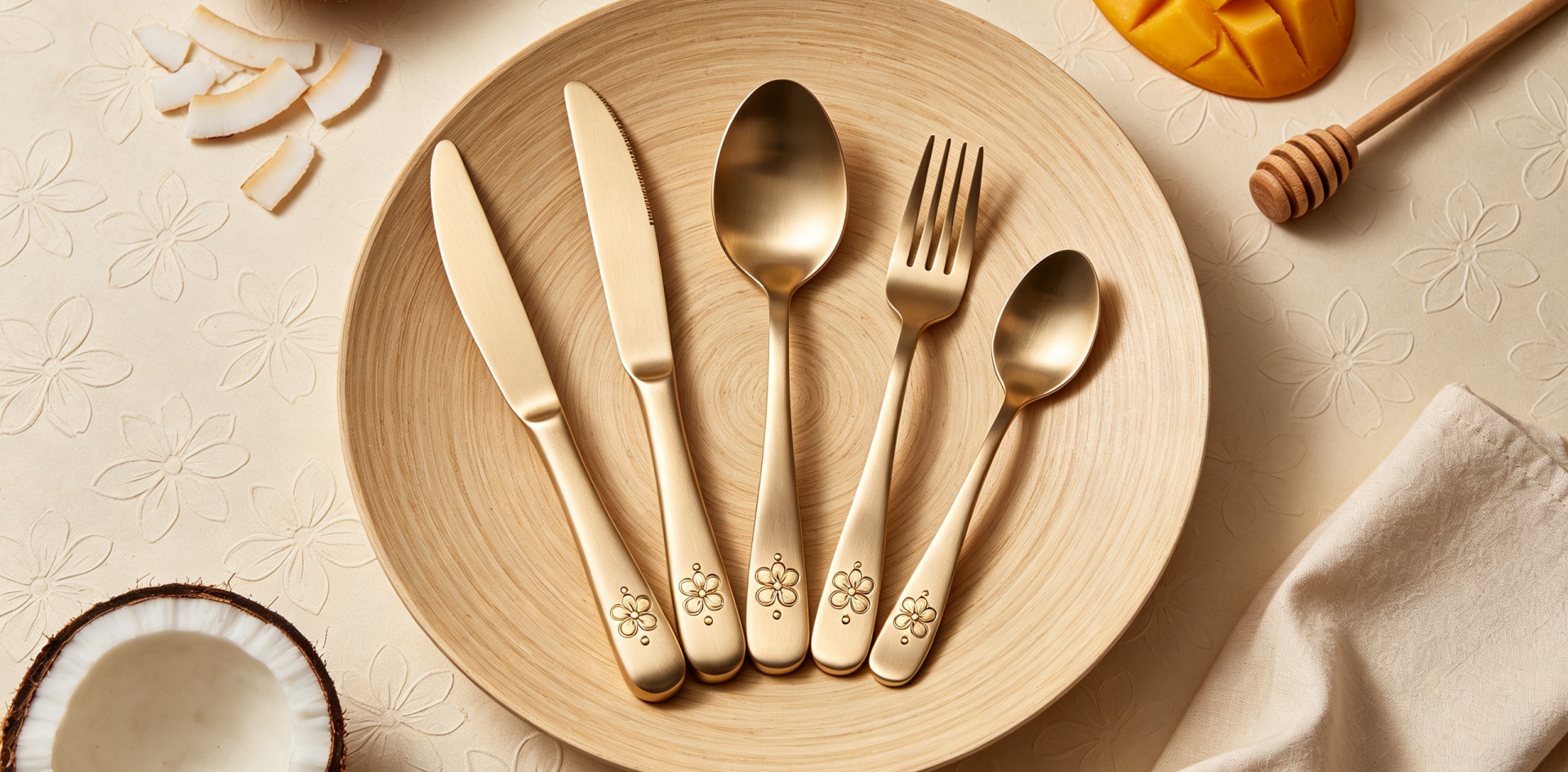
Stainless Steel Fork Type Design for OEM and Private Label Collections
A stainless steel fork may appear to be a simple product, but different dining applications can require noticeably different fork designs. For B2B buyers, selecting the appropriate fork type is therefore an important part of developing a complete stainless steel flatware collection.
The intended food application, dining environment, collection positioning and customer expectations can all influence the final product choice. A restaurant supplier may require a practical everyday fork, while a hotel or private label brand may need a more specialized collection with several coordinated pieces.
Homefelt factory supports OEM, ODM, wholesale and private label stainless steel cutlery manufacturing. Buyers can develop fork products according to their target market while coordinating them with matching knives and spoons.
Why Fork Type Matters in Commercial Flatware
Not every fork is designed for exactly the same dining purpose.
A standard table fork is commonly used as an everyday dining piece. Other fork styles may be developed for specific foods or service occasions. The differences can include the overall head shape, functional area, handle concept and relationship with the rest of the collection.
For B2B buyers, this means the correct product should be selected according to actual use rather than simply choosing a fork based on appearance.
For example, a hospitality project may require a core table fork for general dining, while a more specialized collection may include additional fork products for particular menu categories.
Developing a Fork Collection Around the Target Market
The target market should be established before finalizing a customized fork design.
A distributor serving restaurants may prioritize practical products that can be purchased in large quantities. A hotel supplier may focus on a coordinated collection that fits different dining areas. A private label brand may want a distinctive product range that supports its own market positioning.
These requirements can lead to different product development decisions.
Homefelt can discuss the intended application with buyers before production and help translate the requirement into a suitable stainless steel fork specification.
Common Product Considerations for Fork Development
Several basic product characteristics should be confirmed when developing a new fork.
The first is the intended use. The factory needs to understand whether the product is designed as a general table fork or for a more specific dining purpose.
The second is the overall head shape. The head should be visually coordinated with the handle and with the other pieces in the same collection.
The third is the relationship between the fork and matching products. When a fork is sold together with a spoon and knife, the three pieces should communicate the same design concept.
The fourth is the production specification. Material, overall dimensions, weight and other agreed requirements should be documented before bulk manufacturing.
These factors provide a practical foundation for developing a commercial stainless steel fork.
Fork Selection for Complete Flatware Collections
A fork rarely exists as an isolated product in a B2B collection.
When buyers develop a complete flatware range, the fork normally needs to work with at least one matching spoon and knife. The products should look like members of the same collection even though their functional shapes are naturally different.
For OEM projects, this can be planned from the beginning.
Homefelt can develop the knife, fork and spoon as a coordinated product range, allowing buyers to establish a consistent collection for wholesale distribution, hospitality supply or private label sales.
Specialized Forks and Product Expansion
A buyer that already has a basic flatware collection may later want to expand the range.
Adding another fork type can help the collection serve additional dining requirements without completely changing the existing product family.
For example, a supplier may begin with a standard table fork and later add a smaller or more specialized fork according to customer demand.
When expanding an established range, maintaining the existing design language is important. The new product should feel compatible with the original collection while still having a clear functional purpose.
This type of product expansion can be supported through ODM development and customized manufacturing.
Material and Production Specifications
For commercial stainless steel forks, the material specification should be confirmed before production.
Buyers may specify the required stainless steel grade, thickness, overall dimensions, surface treatment, unit weight and packaging requirements according to their market and product positioning.
The factory can then use the agreed specifications as the basis for sampling and bulk production.
For private label customers, keeping a detailed product specification is especially useful because the same fork may need to be reproduced for future orders.
Sample Approval Before Bulk Manufacturing
A product sample provides an important opportunity to evaluate the fork before a large production order begins.
The buyer can check the overall appearance, functional design, relationship between the fork head and handle, product dimensions and other agreed characteristics.
If adjustments are required, they can be discussed before the final production standard is confirmed.
Homefelt uses the sample approval stage to establish a clear reference for customized OEM and ODM projects. Once the product is approved, the confirmed specification can be used as the basis for bulk production and repeat orders.
Experience in Stainless Steel Fork Manufacturing
Fork production requires practical experience because the final product needs to combine appearance, functionality and repeatable manufacturing.
Homefelt factory has long-term experience in stainless steel cutlery manufacturing and supports customers with different product requirements, from standard wholesale products to customized OEM and private label collections.
For buyers with their own drawings or reference samples, the factory can review the requested design and discuss the manufacturing requirements.
For customers starting from an initial idea, the product can be developed step by step through specification confirmation and sample approval.
Quality and Certification Support
B2B buyers often evaluate both the product and the manufacturing partner behind it.
Homefelt has passed BSCI, SEDEX 4P, BRC and ISO9001-related audits and has experience working with well-known brands. FAMA and FSC certificates are also available within the company's qualification system.
Depending on the project, relevant certification and testing information can be provided for supplier evaluation.
These materials can be considered together with product samples, specifications and factory experience when buyers are selecting a long-term stainless steel cutlery supplier.
OEM, ODM and Private Label Fork Manufacturing
Homefelt supports different levels of customization.
A wholesale buyer may need an existing stainless steel fork in bulk quantities. An OEM customer may provide a complete drawing and require manufacturing according to the approved design. An ODM customer may have a product concept and need factory support during development.
Private label brands can also combine customized stainless steel forks with branded packaging and coordinated knife and spoon products.
This flexibility allows the manufacturing process to match the customer's actual business model rather than forcing every buyer into the same product solution.
One-Stop Service for Stainless Steel Cutlery Projects
Product manufacturing is only one stage of a complete B2B cutlery order.
Homefelt can provide one-stop support covering product design, stainless steel cutlery manufacturing, packaging and transportation. The service package can be adjusted according to the customer's specific situation.
For buyers developing a new private label collection, this can connect the product development process with packaging and delivery requirements. For wholesale customers, the same service can support large-volume production and export arrangements.
The goal is to provide a practical manufacturing solution while building a long-term relationship with customers.
Stainless Steel Flatware Material Specification for OEM and Wholesale Orders
Stainless Steel Flatware Replacement Pieces for OEM and Wholesale Supply
Related Article



