
Stainless Steel Monobloc Table Knife Manufacturing for OEM Projects
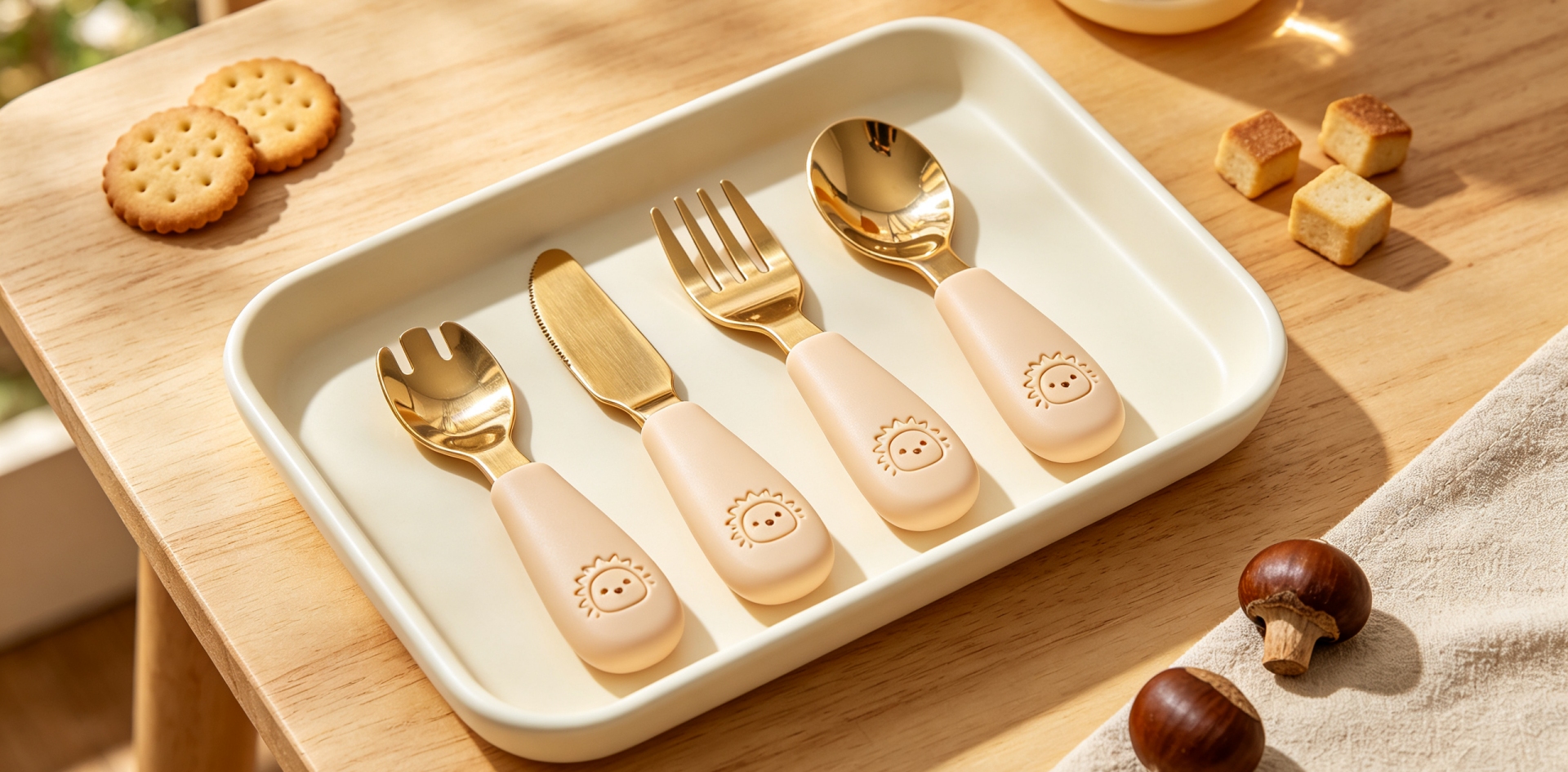
Stainless Steel Monobloc Table Knife Manufacturing for OEM Projects
A stainless steel table knife is one of the most important pieces in a complete cutlery collection. For B2B buyers, the construction of the knife can influence its appearance, handling characteristics, production requirements and overall positioning. Among the different product structures available in the market, monobloc stainless steel table knives offer a distinctive solution for customers looking for a practical and coordinated knife design.
For OEM, ODM and private label projects, understanding the structure of a monobloc knife can help buyers communicate more accurately with a stainless steel cutlery manufacturer and establish clear specifications before mass production.
What Is a Monobloc Stainless Steel Table Knife?
A monobloc table knife is manufactured as a single-piece stainless steel cutlery product rather than combining a separate handle with a different knife component. The continuous construction creates a unified appearance from the handle through the knife body.
This type of construction can be particularly suitable for customers who prefer a clean stainless steel appearance and a consistent visual language across a tableware collection.
For a B2B project, the term “monobloc” should not be treated as a complete product specification by itself. Buyers still need to confirm the stainless steel material, overall dimensions, weight, surface treatment, handle shape, blade configuration and other details with the manufacturer.
These specifications determine the actual finished product and should be confirmed through technical drawings or approved samples.
Why Monobloc Construction Matters for Cutlery Buyers
One of the advantages of a monobloc design is the integrated appearance. Because the knife is developed as one continuous stainless steel product, there is no separate handle material that needs to be visually coordinated with the metal body.
This can make the design suitable for customers seeking a straightforward stainless steel table knife for restaurants, hospitality projects, retail collections, distributors or private label brands.
The construction also provides a clear product specification for manufacturing. Instead of treating the handle and knife body as separate visual components, the manufacturer can evaluate the complete product as one coordinated structure.
For buyers ordering in large quantities, this makes sample approval especially important. The approved sample should represent the exact product that will be manufactured in bulk.
Key Specifications for a Monobloc Table Knife
A professional OEM inquiry should include more than the product name.
Buyers can specify the required stainless steel grade, overall length, approximate weight, handle configuration, blade dimensions, surface treatment and packaging requirements. If the project has a particular visual reference, drawings or physical samples can also be provided.
Weight is another useful specification. Even when two knives have similar dimensions, differences in material distribution can create different handling characteristics. For this reason, buyers should evaluate the actual sample rather than selecting a product only from photographs.
The surface treatment should also be clearly defined. A customer may require a polished appearance, a satin appearance or another specified treatment depending on the overall cutlery collection. The chosen finish should be recorded in the product specification so that the production team has a consistent reference.
For OEM projects, these details create a more precise communication process between the buyer and factory.
Developing a Custom Monobloc Knife
Not every customer wants an existing catalogue knife.
A brand may have its own tableware concept, a distributor may need a specific product specification, or a hospitality buyer may want a knife that matches an existing spoon and fork collection.
In these situations, the project can begin with a drawing, reference sample or product concept. The manufacturer can then review the requirements and determine the appropriate specifications for sampling.
During sample development, buyers can check the knife's overall appearance, proportions, weight, handle feel, blade configuration and relationship with the rest of the cutlery collection.
If adjustments are required, the specifications can be updated before mass production. This is particularly useful for private label and OEM customers because it allows the finished product to be confirmed before committing to a large production quantity.
Quality Control for Bulk Monobloc Knife Orders
For wholesale and bulk orders, consistency is a major consideration.
A buyer may approve one sample, but the commercial requirement is to reproduce the same product across a much larger quantity. Consistent material, dimensions, shape, surface quality and overall appearance therefore become important production checkpoints.
A professional stainless steel cutlery factory should have established inspection procedures for different stages of production. Finished knives can be evaluated against approved specifications before packing and shipment.
For repeat customers, the original approved sample and specification information can also provide a useful reference for future orders.
This is especially important when a monobloc table knife becomes part of a long-term product line. Maintaining the same product characteristics helps customers keep their catalogue and inventory consistent.
Monobloc Table Knives for OEM and Private Label Brands
For private label brands, the knife is often only one part of a larger cutlery program. A coordinated spoon, fork and knife collection needs to share a consistent design language while each individual piece maintains its intended function.
A monobloc knife can be developed as part of this wider project. Buyers can provide the desired style or existing collection references, and the manufacturer can work with them to confirm the product specifications.
OEM and ODM cooperation also gives buyers more flexibility. Customers with completed technical drawings can request manufacturing according to their specifications, while customers with only an initial concept can discuss possible product structures and sample development with the factory.
The important point is to establish the product requirements clearly before production begins.
Homefelt Factory for Stainless Steel Cutlery Manufacturing
Homefelt factory specializes in stainless steel cutlery and supports OEM, ODM, private label and wholesale projects for international customers.
With long-term experience in the stainless steel cutlery business, the factory can support customers developing spoons, forks and knives according to different product requirements and order quantities. Its experience working with well-known brands also provides practical experience for customers looking for a long-term manufacturing partner.
Homefelt has passed BSCI, SEDEX 4P, BRC, ISO9001 and Disney audits, and has FAMA and FSC certificates. These factory qualifications can provide useful background information for buyers during supplier evaluation.
For monobloc table knife projects, customers can provide product drawings, reference samples or target specifications. The factory can then communicate with the buyer regarding sample development, production requirements and bulk order arrangements.
One-Stop Support from Product Design to Delivery
A successful cutlery project often involves more than manufacturing.
Homefelt provides one-stop service covering product design, packaging and transportation, allowing customers to coordinate their requirements through one manufacturing partner.
For an OEM customer developing a new monobloc knife, this can include discussing the product concept, confirming specifications, arranging samples, preparing bulk production and coordinating the packaging and transportation requirements.
The service can be adjusted according to the customer's actual situation. A customer with complete specifications may need a straightforward manufacturing solution, while a new brand may require more support during product development.
The goal is to provide a dedicated service solution rather than applying exactly the same process to every customer.
How Buyers Can Evaluate a Monobloc Knife Supplier
When comparing stainless steel table knife suppliers, buyers should consider more than the quoted unit price.
A useful evaluation can include the factory's stainless steel cutlery experience, production capacity, product specifications, sample quality, inspection process, certifications and ability to support repeat orders.
The sample should be checked against the intended specifications. Buyers can evaluate the overall construction, dimensions, weight, surface treatment and appearance before confirming the production version.
For larger projects, it is also useful to keep an approved sample and written specification as the reference for future production. This provides a clearer basis for communication and helps both sides maintain consistency throughout the cooperation.
Build a Better Table Knife Program with the Right Factory
A monobloc stainless steel table knife can be a practical choice for brands, wholesalers, distributors and professional buyers looking for an integrated stainless steel construction. Its value comes not only from the product appearance but also from the ability to establish clear specifications and reproduce the approved design consistently in bulk production.
Homefelt factory can support customized stainless steel knife, fork and spoon projects with OEM, ODM, private label and wholesale manufacturing services. Customers can start with a drawing, sample or basic product idea and discuss the required specifications with the factory.
Stainless Steel Cutlery Tolerance Control for OEM Production
Stainless Steel Children’s Cutlery OEM for Wholesale Projects
Related Article



