
Stainless Steel Spoon Mouth Width for OEM and Bulk Production
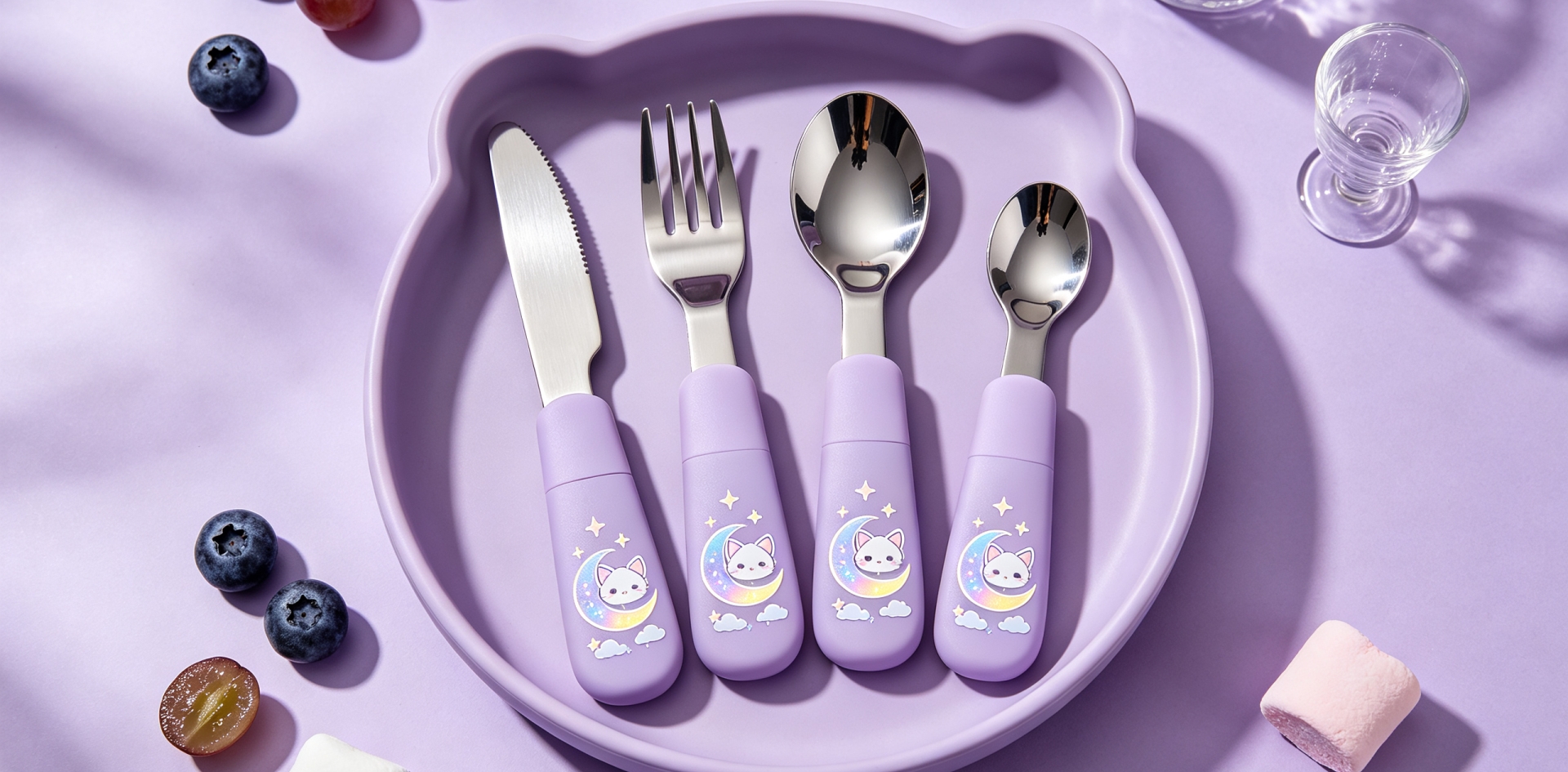
Stainless Steel Spoon Mouth Width for OEM and Bulk Production
When buyers develop stainless steel spoons for wholesale, hospitality or private label collections, the spoon bowl is normally considered as one complete component. However, its width is also an important dimensional reference. Spoon mouth width can influence the visual proportion of the bowl and the overall appearance of the finished spoon.
For OEM and ODM projects, defining this dimension clearly helps manufacturers understand the intended product and maintain consistency across samples, bulk production and future repeat orders.
What Is Spoon Mouth Width?
Spoon mouth width refers to the maximum horizontal width across the opening of the spoon bowl. It is different from spoon bowl length, depth or wall thickness.
The width can vary considerably between different spoon types and applications. A compact spoon designed for a specific serving purpose may require a different bowl width from a general table spoon or a hospitality model.
For B2B product development, buyers may specify:
-
Maximum bowl width
-
Measurement position
-
Bowl length
-
Bowl depth
-
Overall spoon length
-
Relationship between bowl and handle
-
Bowl contour
-
Overall visual proportion
The exact measurement should be confirmed using an approved drawing or physical sample because different spoon constructions can require different dimensions.
Why Spoon Width Matters for B2B Buyers
A spoon is evaluated visually as a complete product. If the bowl is too wide or too narrow compared with the handle, the finished product can look different from the intended design even when the overall length remains unchanged.
For private label brands, bowl width can contribute to the identity of a spoon collection. A wider bowl may create a more substantial visual impression, while a narrower structure may suit a lighter and more streamlined design.
For distributors and hospitality suppliers, clearly defined dimensions also make it easier to maintain a consistent product specification across large-volume orders.
Spoon Width as an OEM Product Specification
When developing a customized stainless steel spoon, buyers can include mouth width together with the other key dimensions.
A practical specification may include:
Product type: stainless steel table spoon
Overall length: according to approved design
Bowl length: according to approved design
Maximum bowl width: according to approved specification
Bowl depth: according to selected design
Wall thickness: according to product requirement
Handle dimensions: according to approved design
Material: customer-approved stainless steel specification
Surface finish: according to collection requirements
Application: retail, hospitality, catering or commercial supply
The final measurements should be confirmed during sample development rather than applying one standard width to every spoon.
Relationship Between Bowl Width and Spoon Design
Spoon mouth width should always be considered together with the bowl length and contour.
A longer bowl with the same width can create a different visual proportion from a shorter bowl. Likewise, changing the width without reviewing the bowl shape can alter the overall appearance.
The handle also needs to be considered. A broad bowl combined with a very narrow handle may produce a different visual balance from a bowl and handle developed with matching proportions.
For this reason, professional product development evaluates the spoon as a complete structure.
Spoon Width for Private Label Collections
Private label buyers often develop several spoon models for the same collection. While the products may have different functions, they may still need a coordinated visual language.
Bowl width can be one of the dimensions used to establish that relationship. For example, several spoon models can use related bowl proportions while having different overall lengths.
This can help a collection look coordinated without requiring every spoon to have exactly the same dimensions.
For a buyer developing a new collection, an existing spoon sample can be an effective starting point. The factory can measure the reference product and use the confirmed dimensions when preparing a customized version.
Maintaining Width Consistency in Bulk Production
Once the spoon width has been approved, it becomes part of the product standard.
During bulk production, the manufacturer can use the approved drawing and sample as references for maintaining dimensional consistency. This becomes increasingly important as order quantities grow.
For private label brands and distributors, consistency also matters for repeat orders. If the same spoon is reordered later, the product should continue to match the previously approved specification.
Clear product documentation gives both sides a reliable reference and reduces the possibility of misunderstandings between different production batches.
Homefelt Factory for Customized Stainless Steel Spoons
Homefelt factory specializes in stainless steel cutlery manufacturing, including spoons, forks, knives and complete flatware sets.
With 40 years of experience in the stainless steel cutlery business, Homefelt has experience supporting international customers with different product specifications and commercial requirements.
For OEM and ODM projects, customers can provide a reference spoon, technical drawing, product photograph or basic concept. The factory can review the proposed product and help confirm the relevant dimensions before sample production.
This is useful for private label buyers who need a specific spoon design rather than a standard catalog product.
One-Stop Service for B2B Cutlery Projects
A customized spoon project normally involves more than product manufacturing. Buyers may also require customized packaging, shipment coordination and ongoing supply support.
Homefelt provides a one-stop service according to each customer's situation. This can include product design, stainless steel cutlery manufacturing, packaging and transportation.
For customers developing complete flatware collections, knives, forks and spoons can be coordinated as one project, helping maintain a consistent commercial product direction.
Experience and Factory Qualifications
For B2B buyers, supplier evaluation includes both manufacturing experience and supporting qualifications.
Homefelt has experience working with well-known brands and has passed BSCI, SEDEX 4P, BRC, ISO9001 and Disney audits. The factory also has FAMA and FSC certificates.
These qualifications provide useful background when evaluating Homefelt for OEM, ODM, private label, wholesale and bulk stainless steel cutlery projects.
Specific product testing and documentation can be discussed according to the destination market and customer requirements.
From Spoon Sample to Bulk Production
A new spoon project does not always require a complete technical drawing from the beginning.
The buyer can provide an existing spoon, reference photograph or basic dimensions. Homefelt can help review the product requirements and develop a sample for confirmation.
Once the sample is approved, the confirmed spoon width and other product specifications can become the reference for bulk manufacturing and future repeat orders.
This process is useful for distributors, hospitality suppliers and private label brands that need stable product specifications across multiple shipments.
Homefelt aims to build long-term relationships with stainless steel cutlery customers. By combining product development, manufacturing, packaging and transportation, the factory can provide a customized one-stop service and support customers as their business grows.
Stainless Steel Spoon Bowl Length for OEM and Bulk Production
Stainless Steel Table Knife Blade Taper for OEM and Bulk Production
Related Article



