
Stainless Steel Spoon Set Planning: How B2B Buyers Build the Right Collection
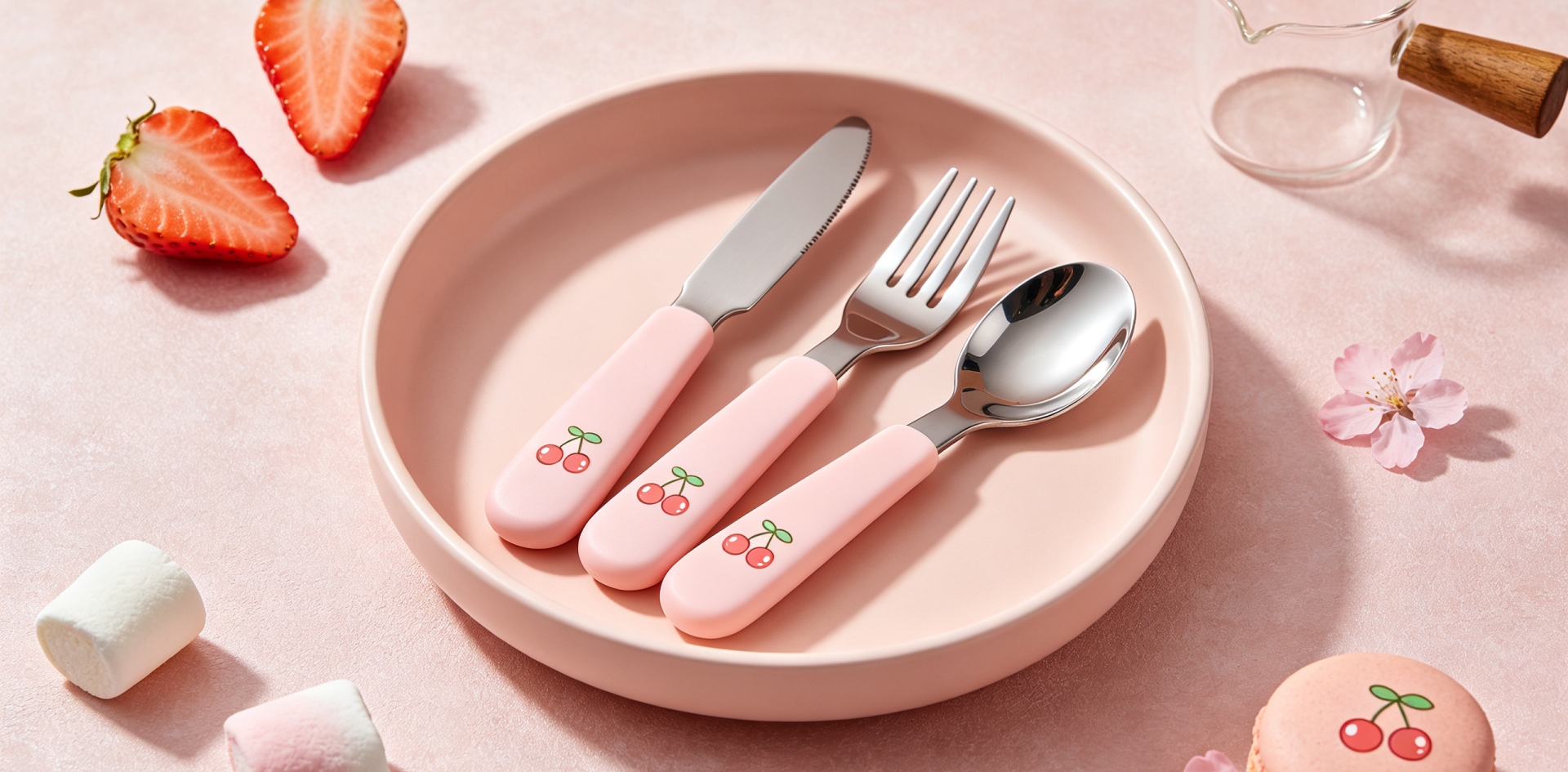
Stainless Steel Spoon Set Planning: How B2B Buyers Build the Right Collection
For B2B buyers, sourcing stainless steel spoons is not always about selecting one individual product. Retailers, distributors, hospitality suppliers and private label brands often need a coordinated collection that can serve different uses and customer groups.
A well-planned stainless steel spoon set can make a product range easier to sell, easier to manage and easier to expand. Instead of offering many unrelated designs, buyers can build a structured collection around different applications, sizes and market positions.
This approach is particularly useful when developing a new tableware range or expanding an existing stainless steel cutlery business.
Why Build a Stainless Steel Spoon Collection?
A single spoon may satisfy one specific application, but a collection can cover several customer needs.
For example, a buyer may need:
-
A general dining spoon
-
A smaller dessert spoon
-
A tea or coffee spoon
-
A specialty spoon
-
Matching spoons for a complete cutlery set
Offering related products allows distributors and retailers to create more choices without completely changing their overall product style.
For manufacturers, a coordinated collection can also make product development more efficient because different items can share similar design elements.
Start With the Intended Market
Before deciding how many spoon styles to include, B2B buyers should understand the target customer.
A supermarket range may need a limited number of popular products with broad appeal.
A professional hospitality supplier may need several spoon types for restaurants, hotels and catering customers.
A premium tableware brand may prefer fewer products but place more emphasis on distinctive design and coordinated collections.
The product range should therefore reflect the market rather than simply becoming larger.
Common Spoon Types in a Product Range
A stainless steel spoon collection can be structured around different applications.
Table Spoon
This is usually the core product in a general cutlery collection. It can serve everyday dining and work with a wide variety of menus.
Dessert Spoon
A smaller format can be positioned for desserts, fruit, cakes and other applications where a full-size table spoon may feel excessive.
Tea Spoon
A compact spoon is commonly paired with coffee and tea service.
Specialty Spoon
Some markets may require additional shapes or sizes for specific dining applications.
The exact assortment depends on the customer and sales channel.
The goal is not to offer every possible spoon. It is to select products that have a clear purpose within the collection.
Matching Different Spoon Sizes
Size differences should be intentional.
If two spoons are too similar, customers may find it difficult to understand the difference between them. If the differences are too large, the collection may appear inconsistent.
A well-structured range can use clear distinctions in:
-
Overall length
-
Bowl proportions
-
Handle proportions
-
Weight
-
Intended application
-
Visual style
For B2B buyers, these differences should be communicated clearly in product specifications and catalogs.
Keep the Design Language Consistent
A collection becomes easier to recognize when its products share common design characteristics.
These characteristics may include:
-
Similar handle geometry
-
Consistent surface finish
-
Related proportions
-
Matching decorative elements
-
Similar visual weight
-
Coordinated knife and fork designs
For example, a retailer could use the same basic handle design across table spoons, dessert spoons and tea spoons while adjusting the proportions for each application.
This creates a stronger product identity than combining unrelated designs.
Single Products vs Complete Sets
B2B buyers should also decide how the spoons will be sold.
Some markets are better suited to individual pieces, while others may prefer complete cutlery sets.
A product program might include:
-
Individual spoons
-
Two-piece spoon combinations
-
Four-piece cutlery sets
-
Six-piece or larger sets
-
Custom combinations for specific customers
The right format depends on the distribution channel and purchasing habits of the target market.
For private label brands, offering both individual replacement pieces and complete sets can also provide more flexibility.
Planning Quantities Across the Collection
Product assortment and quantity planning should be considered together.
Not every spoon in a collection will necessarily sell at the same rate.
For example, a general-purpose table spoon may have broader demand than a specialty spoon. A tea spoon may perform particularly well in markets where beverage service is a strong category.
B2B buyers can therefore divide products into different levels of expected demand:
Core Products
These are the main items expected to generate regular sales.
Supporting Products
These complement the core range and give customers additional choices.
Specialty Products
These target specific applications or customer segments.
This structure can help buyers avoid carrying excessive inventory across too many low-volume products.
Designing a Collection for Retail
Retail buyers often need a simple product story.
A customer should be able to understand what each spoon is for and how it relates to the rest of the collection.
Clear product naming, consistent photography and coordinated packaging can make the range easier to present.
For a private label project, the same design language can also be extended across the wider cutlery collection.
This gives the brand more opportunities to create a recognizable tableware identity.
Building Collections for Distributors
Distributors may have a different objective.
Instead of developing products for one end consumer, they may need products that can serve several types of business customers.
A distributor could therefore create different product tiers:
-
Everyday stainless steel collection
-
Restaurant-focused collection
-
Premium dining collection
-
Modern minimalist collection
-
Hospitality replacement collection
This makes the product portfolio easier to present to different buyers without requiring completely unrelated products.
Coordinating Spoons With Forks and Knives
A spoon collection becomes even more useful when it is developed alongside matching knives and forks.
The three categories should ideally share:
-
Handle style
-
Surface finish
-
Material specification
-
Overall design language
-
Packaging concept
A coordinated collection gives buyers more flexibility when selling complete tableware programs.
For manufacturers, developing the spoon together with the rest of the cutlery can also reduce design inconsistencies between products.
How Homefelt Can Support Collection Development
For B2B customers, product development is often more effective when the manufacturer understands the complete project rather than receiving isolated product requests.
Homefelt focuses on stainless steel cutlery manufacturing and supports international customers with different product requirements.
For buyers developing a spoon collection, the project can begin with an existing design or a new concept. The collection can then be developed around the required applications, market positioning and overall cutlery style.
This approach allows the customer to build a product range rather than simply purchase individual items.
A Practical Collection Planning Framework
Before requesting a quotation, B2B buyers can prepare a simple product plan.
Market
Define the target market and customer group.
Application
List the spoon applications that are genuinely needed.
Design
Choose a consistent design direction.
Assortment
Decide which products are core, supporting or specialty items.
Sales Format
Determine whether products will be sold individually, in sets or in both formats.
Matching Cutlery
Identify whether knives and forks need to share the same design.
Future Expansion
Consider whether the collection may later include additional sizes or related products.
A clear plan gives the manufacturer a much better understanding of the project and can make quotation and product development more efficient.
Avoid Making the Collection Too Complicated
More products do not automatically create a better product range.
Too many similar spoon sizes or nearly identical designs can make purchasing, inventory and product presentation more complicated.
A focused collection is often easier to manage.
Each product should have a clear reason for being included. If two products serve almost exactly the same purpose, buyers should consider whether both are necessary.
The objective is to create useful choice rather than unnecessary variety.
Conclusion
A stainless steel spoon collection should be planned as a complete product system rather than a list of individual items.
By separating core products from supporting and specialty items, coordinating designs and selecting appropriate sales formats, B2B buyers can create a more organized and commercially useful product range.
For importers, distributors, retailers and private label brands, a carefully planned spoon collection can also provide a foundation for expanding into matching forks, knives and complete cutlery sets.
Working with an experienced stainless steel cutlery manufacturer such as Homefelt can help turn a basic product idea into a coordinated collection designed around the needs of the target market.
You May Be Interested In
-
Stainless Steel Spoon Design Development for Private Label Brands
-
Stainless Steel Spoon Handle Styles for Different Tableware Collections
-
Stainless Steel Spoon Set Packaging Ideas for Retail Products
-
Stainless Steel Spoon Product Range Planning for Distributors
-
Stainless Steel Cutlery Collection Development for Private Label Projects
-
How to Build a Coordinated Stainless Steel Knife, Fork and Spoon Set
Edelstahlbesteck für verschiedene Vertriebskanäle planen
Stainless Steel Cutlery Barcode and Product Identification
Related Article



