Stainless Steel Table Knife Supplier for Wholesale and OEM
Stainless Steel Table Knife for Wholesale and OEM Cutlery Programs
The table knife is one of the core pieces in almost every stainless steel cutlery collection. For wholesalers, distributors, restaurant suppliers and private label brands, choosing the right table knife is not simply a matter of selecting a basic utensil. Its shape, weight, finish and relationship with the rest of the flatware collection all influence how the final product is perceived.
For B2B buyers, a table knife also needs to work as part of a larger purchasing program. It may be ordered together with forks and spoons, packed into cutlery sets, supplied to different markets or developed as part of a private label collection.
A well-planned stainless steel table knife can therefore become an important foundation for a complete flatware program.
Why the Table Knife Matters in a Cutlery Collection
Among knives, forks and spoons, the table knife is one of the most visible pieces on the dining table. Its handle and overall proportions often contribute strongly to the visual identity of a cutlery collection.
When a knife is placed next to matching forks and spoons, differences in design can become immediately noticeable. A modern fork combined with a traditional-looking knife, for example, may make the collection appear less coordinated.
For this reason, B2B buyers should consider the table knife together with the complete cutlery range rather than selecting it as an isolated product.
The goal is to create a consistent relationship between all pieces, including handle shape, surface finish, proportions and overall style.
Choosing a Stainless Steel Table Knife for Wholesale
Wholesale buyers often need products that can serve a broad customer base. A table knife for wholesale distribution should therefore combine practical design with a commercially flexible appearance.
A classic design may be suitable for restaurants, hotels, catering suppliers and general tableware retailers. A more distinctive design may be better suited to a brand that wants to create a recognizable product collection.
The intended market should be considered before finalizing the product.
For example, a distributor serving multiple foodservice customers may prioritize versatile designs and efficient bulk packaging. A retail brand may place more emphasis on visual presentation, packaging and product differentiation.
Understanding these differences can help buyers select a more appropriate table knife program.
Matching the Knife with Forks and Spoons
A successful flatware collection should feel unified when all pieces are placed together.
For a custom project, the table knife can be developed alongside the fork, tablespoon and teaspoon rather than after those products have already been finalized. This allows the proportions and visual details to be considered as a complete system.
The handle is particularly important. Its width, length and shape can influence the appearance of the entire collection.
Surface finish is another factor. A polished finish can create a clean and traditional appearance, while other finishes can give the collection a more contemporary character.
For private label brands, these details provide opportunities to create a collection that feels distinct without making the product unnecessarily complicated.
Table Knife Options for Different B2B Markets
Different buyers may have different expectations for their stainless steel table knives.
A restaurant supply distributor may need practical knives for high-volume foodservice customers. A kitchenware brand may want a more design-focused product for retail. A wholesaler may require several styles at different price levels.
The same manufacturer may therefore need to support different product programs rather than offering only one standard knife.
For B2B buyers, this makes product development flexibility valuable. A supplier that understands both standard cutlery production and customized collections can provide more options when the business expands into new channels.
Custom Table Knives for Private Label Brands
Private label brands often want their cutlery to have a recognizable identity.
Customization can involve the shape of the handle, overall proportions, finish, packaging and the combination of products included in a set. Depending on the project, the buyer may start from an existing design or develop a more specific product concept.
The important point is to balance appearance with production practicality.
A table knife may look attractive in a concept drawing, but the final design also needs to be suitable for consistent manufacturing and repeat orders. Early communication between the buyer and manufacturer can help identify which design details are practical for the intended production volume.
For brands planning long-term sales, this is particularly important because the first order may eventually become a recurring product.
Building a Complete Cutlery Set
Many B2B customers purchase knives as part of complete flatware sets rather than as individual products.
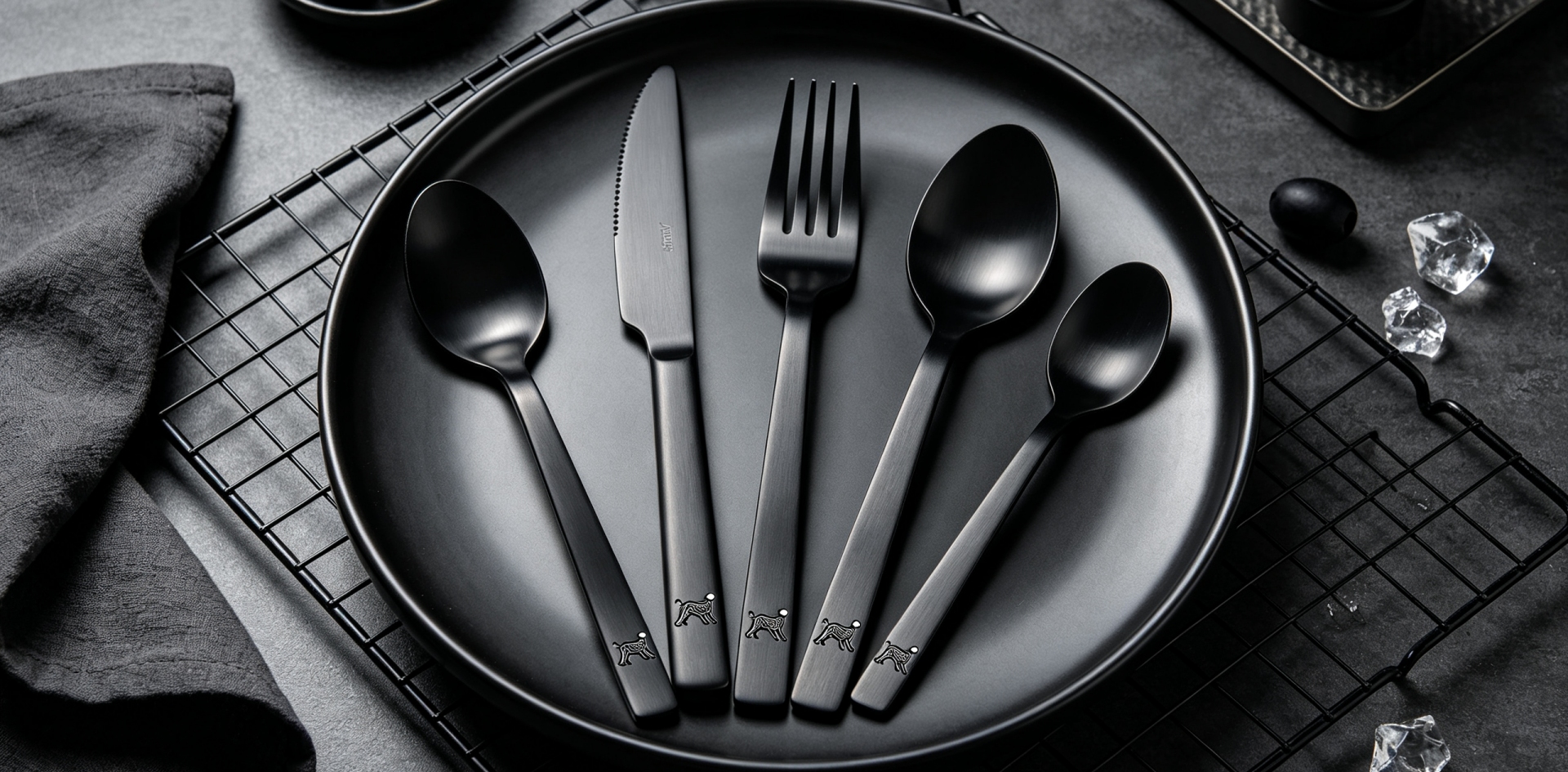
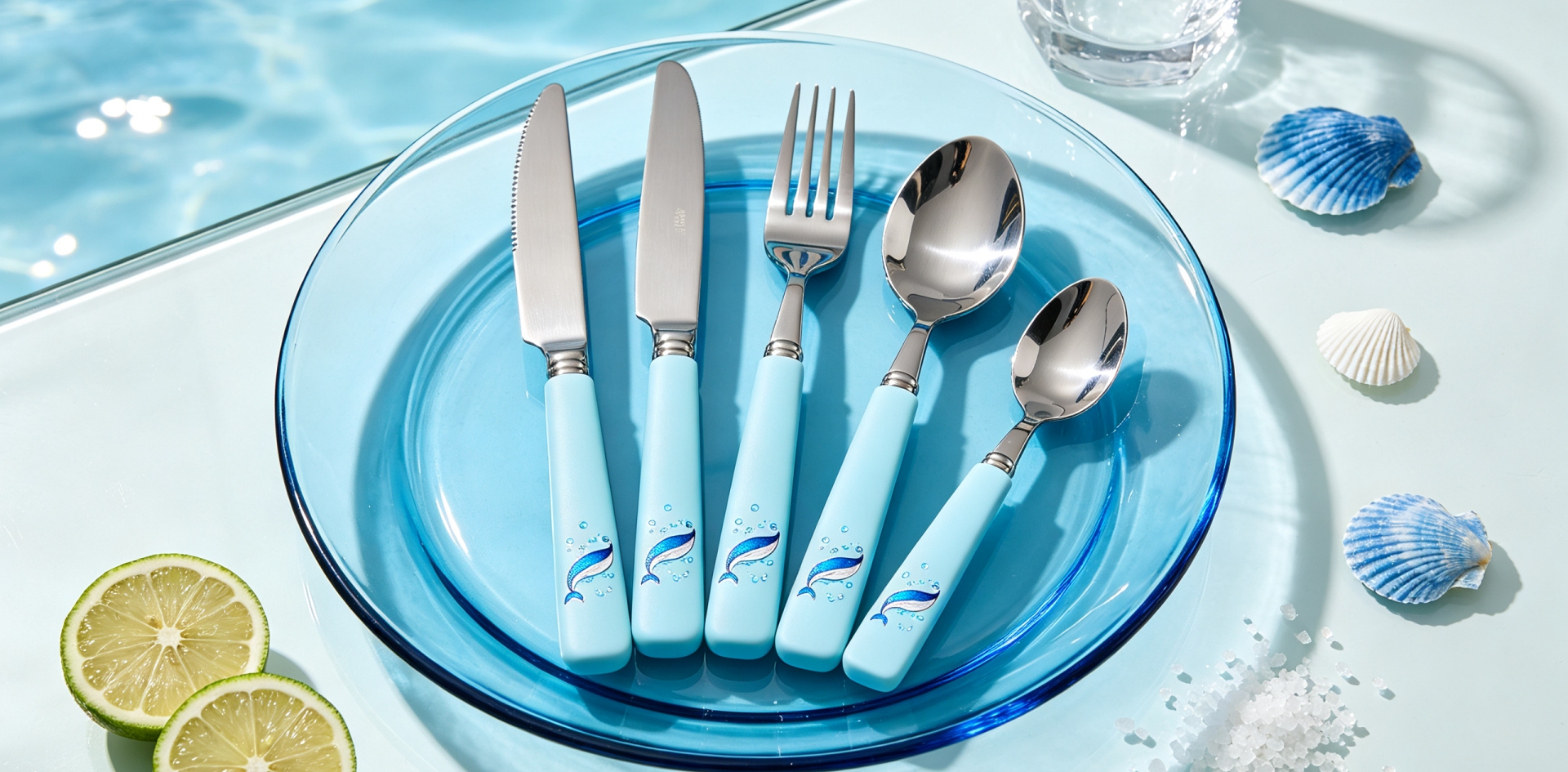
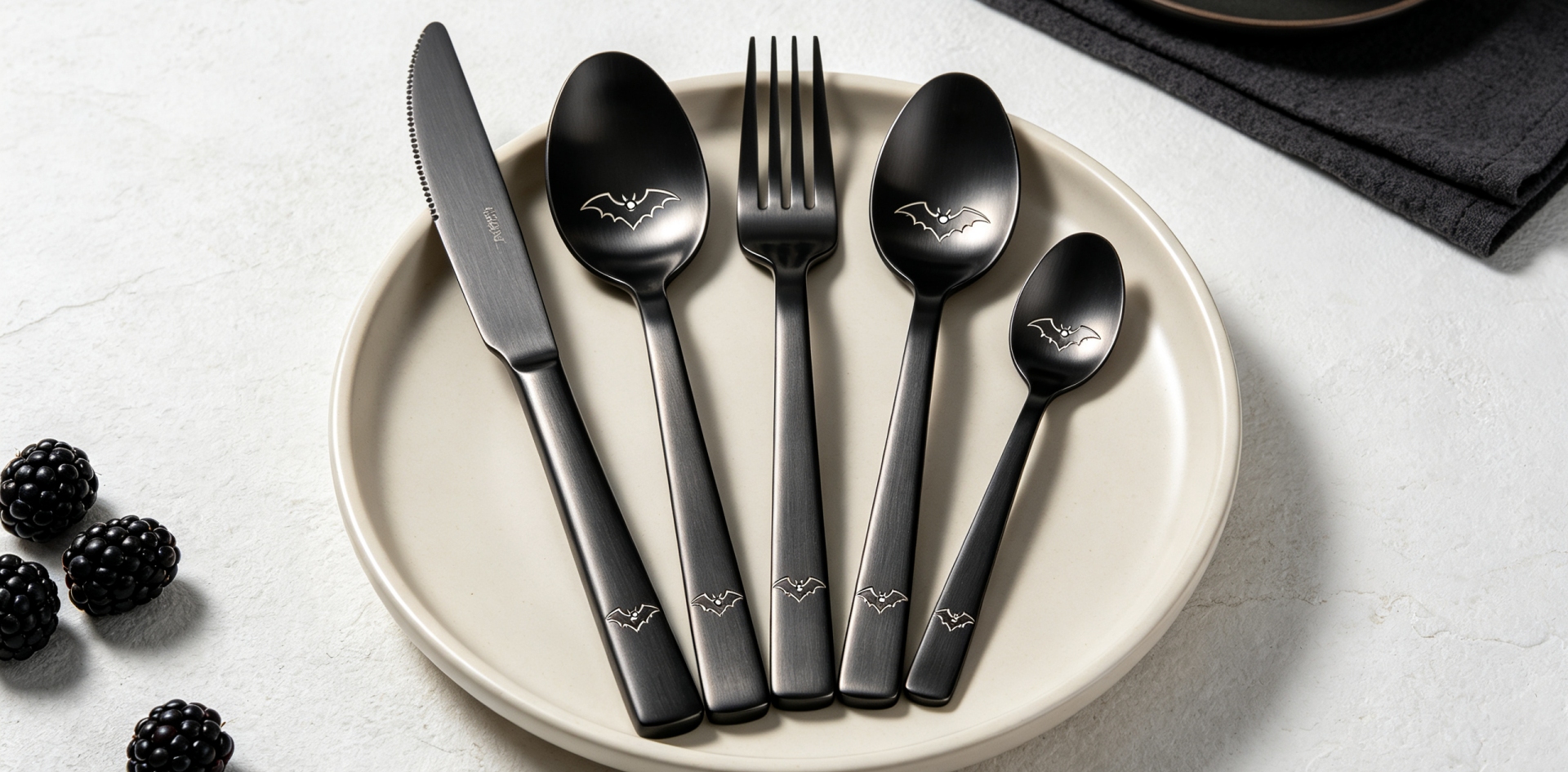
A four-piece set may include a table knife, table fork, tablespoon and teaspoon, while larger collections can include additional pieces according to the target market.
The table knife is often one of the main visual elements in these sets. Its design should therefore complement the other products both in appearance and proportion.
For brands, a coordinated set can also make product presentation easier. Instead of selling unrelated utensils, the company can offer a complete dining solution under one product identity.
This approach can be particularly useful for retail brands and distributors building a dedicated flatware category.
Packaging for Wholesale and Retail
Packaging requirements can vary significantly between wholesale and retail projects.
A wholesale buyer may prefer efficient bulk packaging that simplifies transportation and warehouse handling. A retail brand may need individual boxes, branded packaging or a presentation designed for store shelves and online sales.
For OEM projects, packaging can be planned together with the table knife collection.
The packaging should communicate the product clearly while also protecting the knives during transportation and storage. When several cutlery pieces are sold as a set, the packaging can also be designed around the complete collection.
Planning these details early can help avoid unnecessary changes before production begins.
Supporting Repeat Orders
A B2B table knife project should ideally be suitable for future replenishment.
Once a product has entered a customer's sales program, later orders may become more important than the original launch quantity. Restaurants need replacement stock, distributors replenish warehouse inventory and retail brands reorder successful products.
For this reason, clear product specifications are valuable.
The approved design, dimensions, finish, packaging requirements and other important details should be established before the production program becomes routine. This gives both the buyer and manufacturer a clearer reference for future orders.
For international buyers, this can make long-term sourcing more predictable.
What to Include in a Table Knife Inquiry
A detailed inquiry can help a manufacturer understand the project more efficiently.
Useful information may include the required quantity, preferred design, target market, desired finish, packaging requirements and whether the knife will be sold individually or as part of a complete cutlery set.
If the buyer already has matching forks and spoons, product samples or reference images can also help communicate the desired direction.
For a new private label collection, buyers can provide their preferred style, target price positioning and expected order volume. The manufacturer can then determine whether an existing product or a customized solution is more suitable.
A Long-Term B2B Table Knife Solution
A stainless steel table knife may appear to be a simple product, but for B2B buyers it can become an important part of a larger cutlery strategy.
Wholesalers need products that can be distributed efficiently. Restaurant suppliers need practical flatware for professional use. Private label brands need coordinated designs that support their identity. Retailers need products that fit their target price and presentation.
A reliable stainless steel cutlery manufacturer can help connect these requirements with a practical production solution.
For companies developing a new flatware collection, the table knife should be considered together with the matching forks and spoons from the beginning. This creates a stronger foundation for product consistency, packaging and future replenishment.
Whether the requirement is a standard wholesale table knife or a customized OEM collection, clearly defining the product concept, quantity and commercial requirements is the first step toward a successful B2B cutlery program.
Wholesale Stainless Steel Cutlery for Distributors and Importers
Custom Knife, Fork and Spoon Collections for Private Label Brands
OEM Stainless Steel Flatware Sets for B2B Buyers
Stainless Steel Cutlery Manufacturer for Custom Flatware Projects
Stainless Steel Dinner Fork Supplier for Wholesale B2B Buyers
Stainless Steel Cutlery for Restaurant Franchise Groups
Related Article