
Stainless Steel Table Knife Width for OEM and Wholesale Collections
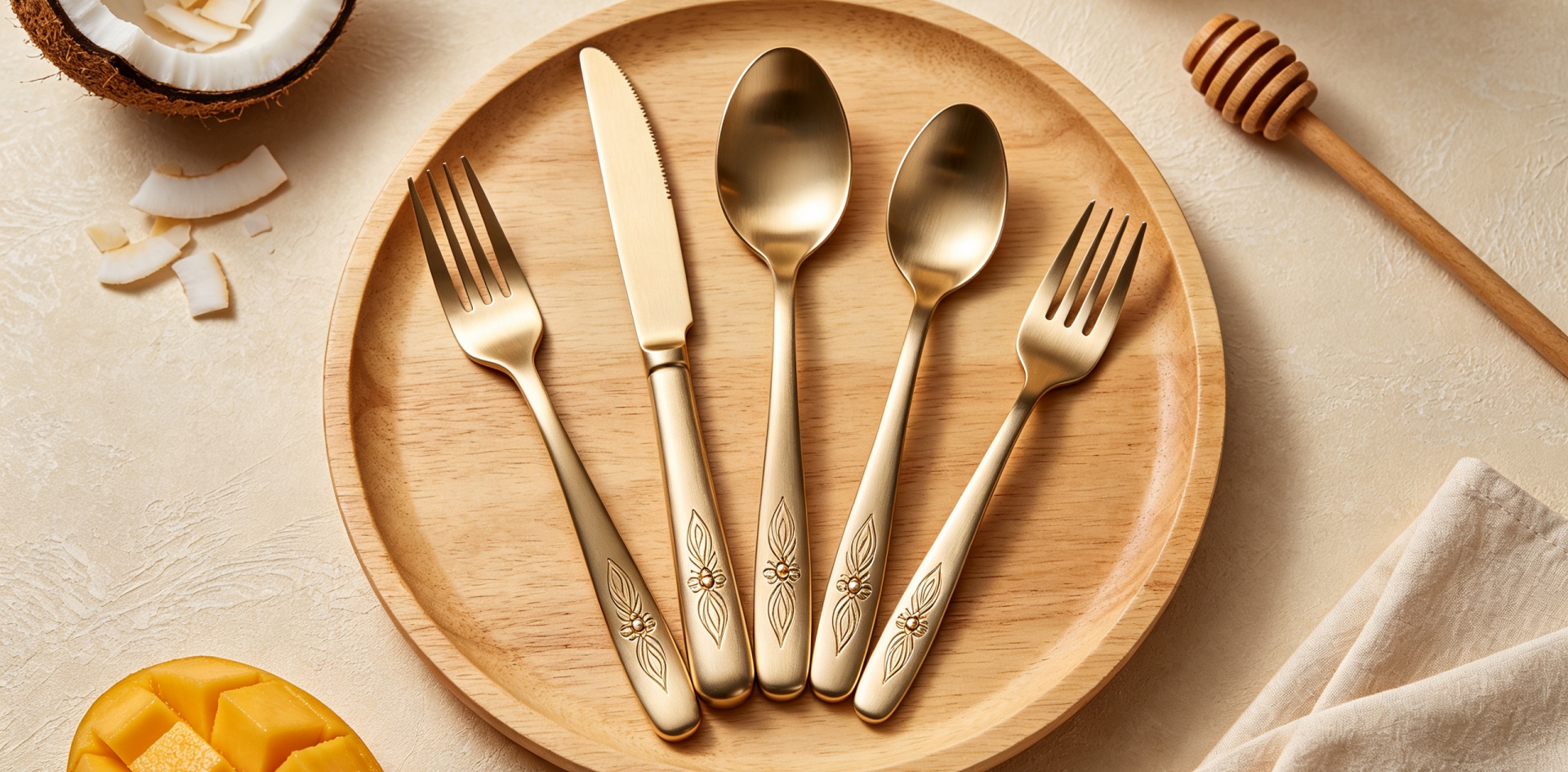
Stainless Steel Table Knife Width for OEM and Wholesale Collections
When developing stainless steel cutlery for wholesale, hospitality, retail or private label markets, buyers usually pay close attention to length and overall appearance. However, the width of a table knife is another practical specification that deserves attention before a product enters mass production.
Knife width can influence the visual character of the blade, the relationship between the blade and handle, the appearance of the complete flatware collection and the way the finished product fits the customer's intended positioning.
For an OEM or ODM project, width should therefore be confirmed as part of the complete product specification rather than selected independently.
Homefelt factory specializes in stainless steel knives, forks and spoons and supports OEM, ODM, private label, wholesale and bulk production. With long-term experience in cutlery manufacturing, the factory can help buyers evaluate product specifications and turn a reference concept into a production-ready item.
Why Table Knife Width Matters
The width of a stainless steel table knife contributes to the visual impression of the product.
A relatively narrow blade can create a lighter and more streamlined appearance. A wider blade can give the product a stronger visual presence and may be more suitable for collections positioned toward a substantial or traditional tableware style.
Neither option is universally better. The appropriate specification depends on the overall product concept.
For B2B buyers, the key is to make sure the selected width works together with the knife's length, thickness, handle construction and the matching spoon and fork.
This becomes particularly important when a buyer is developing a complete flatware collection rather than purchasing individual knives.
Connecting Blade Width With the Complete Collection
A stainless steel knife rarely stands alone in a commercial flatware program.
When the knife is supplied together with forks and spoons, buyers normally expect the three pieces to share a consistent visual language. The knife should look appropriate beside the fork and spoon without appearing excessively narrow or visually dominant.
For this reason, Homefelt reviews knife specifications as part of the complete collection when customers are developing matching cutlery.
A buyer may provide an existing spoon and fork as references and request a matching knife. In another project, the customer may provide a complete design concept and ask the factory to develop all three pieces together.
This collection-based approach can help avoid situations where individual pieces look acceptable on their own but lack consistency when placed together.
How Buyers Can Confirm Knife Width
Before approving a stainless steel table knife for production, B2B buyers can confirm several practical points.
The first is the reference product. A physical sample provides a useful starting point because the buyer can directly compare the proposed product with an existing market item.
The second is the technical drawing. A drawing can clearly define the required dimensions and provide a common reference between the customer and factory.
The third is the product positioning. A knife intended for a premium private label collection may require a different visual approach from a high-volume commercial program.
The fourth is collection compatibility. If the knife belongs to an existing flatware range, its width should be evaluated alongside the matching fork and spoon.
These considerations make the specification process more objective and reduce unnecessary changes after sampling.
Width and the Visual Character of the Blade
Blade width is not only a technical measurement. It also influences how buyers perceive the knife.
A narrower profile may support a contemporary and minimalist appearance, while a broader profile can create a more substantial visual impression.
For private label customers, this can become part of the identity of the collection. Even when two knives use similar stainless steel materials and similar finishing, differences in blade dimensions can create noticeably different product appearances.
Homefelt can work with customer drawings, samples or reference images to evaluate these details during product development.
For OEM customers, this provides an opportunity to establish a product specification before the order reaches large-scale manufacturing.
Maintaining the Approved Specification in Production
Once a buyer approves a sample, the confirmed dimensions become an important production reference.
For bulk stainless steel knife orders, consistency between the approved sample and subsequent production is essential. A change in blade width can alter the visual relationship between the knife and the other pieces in a flatware collection.
This is particularly relevant for distributors and private label brands that may reorder the same product over an extended period.
A clear product specification allows the factory to use the approved sample and technical information as references throughout the manufacturing process.
Homefelt's manufacturing experience supports this type of project management, helping customers move from sample approval to repeat bulk orders with a defined product reference.
Different B2B Applications, Different Requirements
The ideal table knife specification can vary according to the customer's business model.
A restaurant supply distributor may prioritize a practical and consistent collection suitable for larger-volume purchasing. A hospitality customer may focus more heavily on the appearance of the complete table setting. A retail or private label brand may have a stronger emphasis on distinctive product proportions and collection identity.
Because these requirements are different, a factory should not simply recommend one standard knife specification to every buyer.
Instead, product development should begin with the customer's target market, expected quantity, product positioning and existing references.
This is where factory experience can provide value beyond simply manufacturing according to a purchase order.
OEM and ODM Support From Product Concept to Production
Some customers already know the exact table knife they need. They may have drawings, samples, specifications or previous purchasing records.
Other customers may only have a general concept, such as a modern stainless steel flatware collection for a new private label brand.
Homefelt can support both types of projects.
For OEM orders, the factory can manufacture according to confirmed customer specifications. For ODM projects, existing production capabilities can be used as a starting point for further development. Private label customers can also combine customized stainless steel knives with matching forks, spoons and branded packaging.
This gives buyers more flexibility when developing a complete commercial cutlery program.
Product Information and Factory Qualifications
Professional B2B purchasing normally requires clear product information before an order is confirmed.
Depending on the project, buyers may review dimensions, material specifications, finishing requirements, product drawings, packaging information and relevant testing documentation.
Homefelt has long-term experience in stainless steel cutlery manufacturing and has passed BSCI, SEDEX 4P, BRC, ISO9001 and Disney audits. The factory also has FAMA and FSC certifications for applicable requirements.
These qualifications provide supporting information for supplier evaluation, while the individual product specification remains the key reference for each cutlery project.
One-Stop Service for Stainless Steel Cutlery
For international buyers, managing product development, packaging and transportation through different suppliers can create unnecessary communication.
Homefelt provides one-stop service covering product design, manufacturing, packaging and transportation. The service can be adjusted according to the customer's specific situation and order requirements.
A buyer can discuss stainless steel knives, forks and spoons with the factory as one complete project, rather than managing each product separately.
This approach is suitable for wholesale distributors, hospitality suppliers, commercial buyers, private label brands and customers placing large-volume orders.
Building a Long-Term Manufacturing Partnership
A successful stainless steel cutlery project is not only about completing one purchase order. For many B2B customers, the more important objective is finding a supplier that can support future product development and repeat purchasing.
When product specifications are clearly defined, samples are properly confirmed and production requirements are understood by both sides, future communication can become more efficient.
Homefelt aims to work with customers as a long-term China service partner, providing product development, manufacturing and one-stop support while helping customers grow their own cutlery business.
Stainless Steel Table Knife Thickness for OEM and Bulk Production
Stainless Steel Flatware SKU Planning for OEM and Wholesale Collections
Related Article



