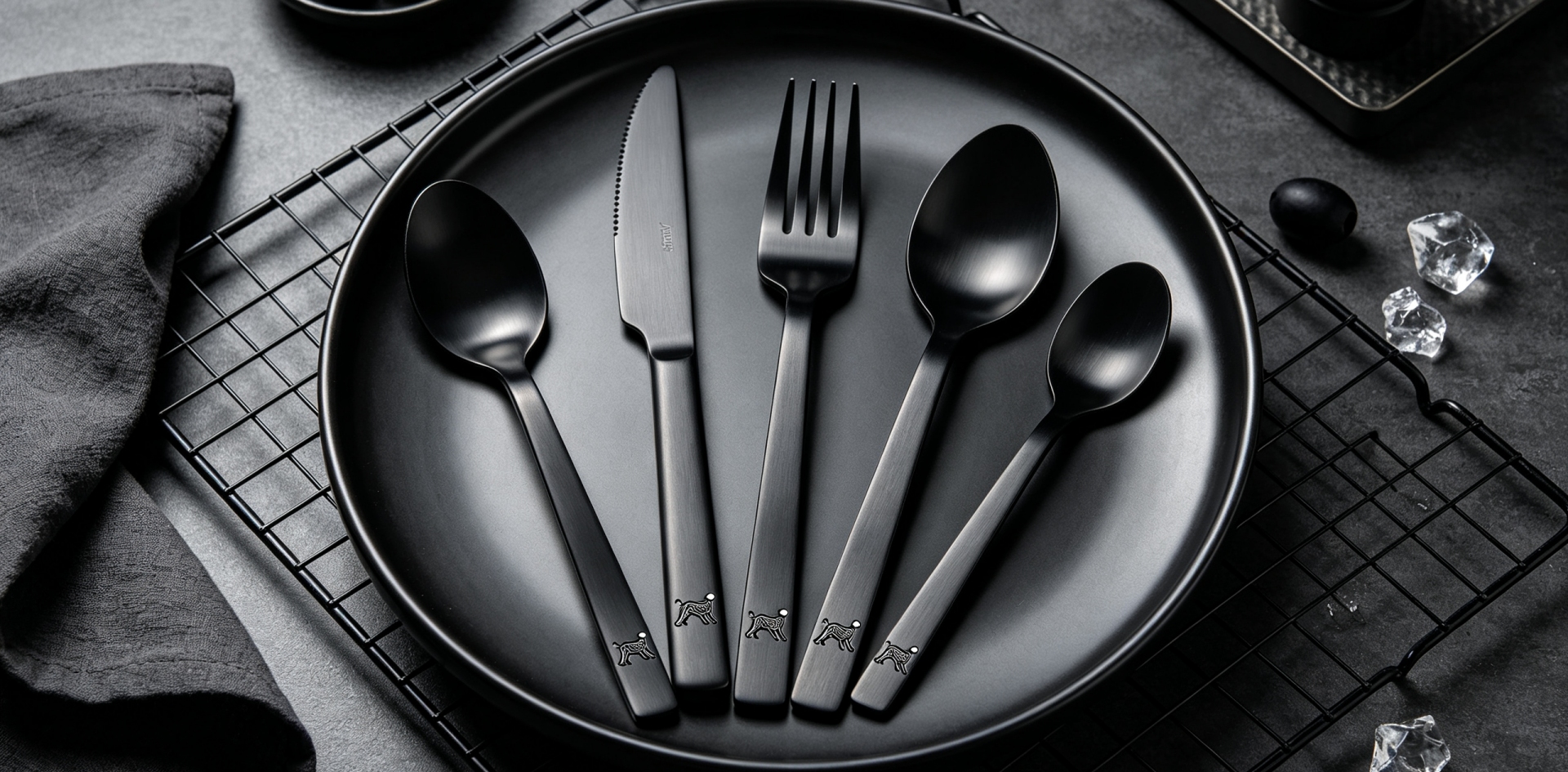
Supermarket Cutlery Supplier | B2B Stainless Steel Flatware Manufacturer
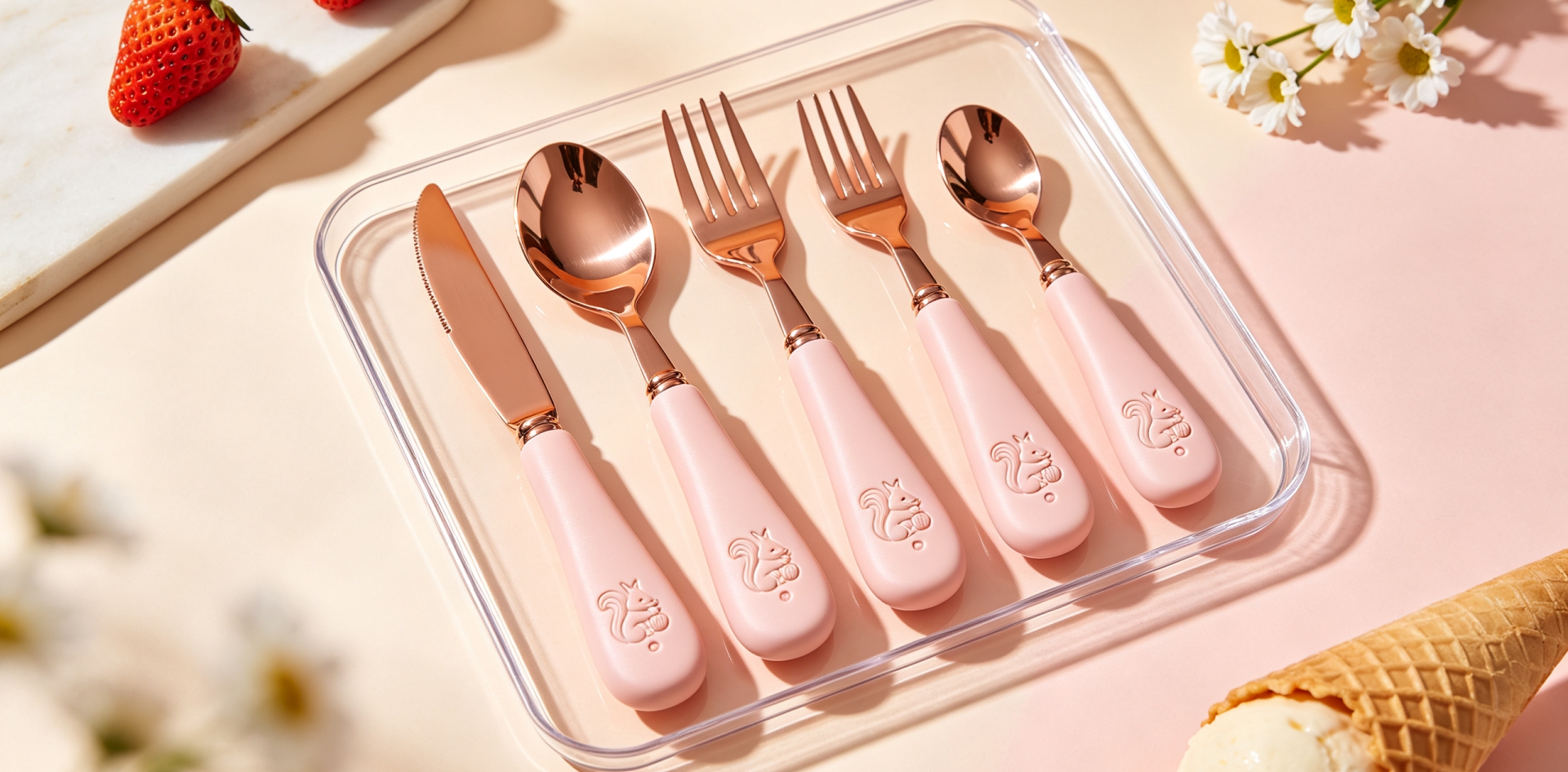
Supermarket Cutlery Supplier: A B2B Solution for Stainless Steel Flatware Procurement
Supermarkets and grocery chains continue to expand the range of household products available to their customers. In addition to food and daily necessities, many stores include kitchenware, dining accessories and household tableware in their product assortment.
Stainless steel cutlery is a practical category within this broader selection.
Spoons, forks, knives and flatware sets can serve everyday household needs while also providing supermarkets with products that are easy for customers to understand and purchase.
For supermarket buyers, however, successful cutlery sourcing requires more than finding an attractive product. The supplier must be able to support commercial quantities, consistent specifications, suitable packaging, competitive purchasing requirements and dependable communication.
A professional stainless steel cutlery manufacturer can help supermarket and grocery buyers develop a practical product range for their stores or retail programs.
Understanding Supermarket Cutlery Procurement
Supermarket purchasing is often driven by a combination of customer demand, product positioning and operational efficiency.
Products need to be easy for shoppers to understand while also fitting the store's overall assortment.
A stainless steel spoon, for example, may be positioned as an everyday household product. A complete flatware set may appeal to customers looking for a convenient dining solution.
The buyer therefore needs to consider the product from both the consumer and procurement perspective.
Design, material, finish, packaging and price all contribute to the final product proposition.
At the same time, the supplier needs to provide reliable manufacturing and sufficient production capability to support the expected order quantity.
Why Stainless Steel Cutlery Fits Supermarket Assortments
Stainless steel cutlery is suitable for a wide range of everyday dining requirements.
The category includes simple spoons and forks as well as complete flatware sets with different designs and finishes.
This allows supermarket buyers to create a product assortment at different price levels.
A practical stainless steel spoon can serve price-sensitive customers, while a more refined flatware set can target shoppers looking for a higher-value dining product.
The product range can therefore be structured around customer demand rather than relying on one standard design.
For grocery chains operating multiple stores, a consistent cutlery assortment can also simplify purchasing and product management.
Selecting a Stainless Steel Cutlery Supplier
When evaluating a supermarket cutlery supplier, buyers should consider the manufacturer's ability to support the complete purchasing process.
Important areas include product quality, material specifications, manufacturing experience, packaging capability, customization, order quantities and repeat-order support.
Communication is also important.
The supplier should be able to clearly discuss product specifications and respond to questions about production and packaging.
For standard products, this helps the buyer select suitable items more efficiently.
For custom projects, clear communication becomes even more important because design and packaging requirements need to be confirmed before manufacturing.
Wholesale Stainless Steel Cutlery for Grocery Chains
Grocery chains may purchase products for individual stores, regional distribution centers or larger centralized purchasing programs.
This makes wholesale stainless steel cutlery supply an important consideration.
A manufacturer can support standard products that are purchased repeatedly, as well as customized products developed for a specific supermarket program.
The purchasing quantity can also vary depending on the product's sales performance and distribution strategy.
For established products, buyers may need regular replenishment.
For new products, the initial order may be used to test customer response before larger purchasing programs are developed.
A flexible manufacturing partner can support both situations.
Stainless Steel Spoons for Supermarket Buyers
Spoons are among the most recognizable cutlery products in a supermarket assortment.
Different spoon designs can serve different customer requirements.
Everyday table spoons can provide a practical household option, while teaspoons may be offered separately or as part of a larger flatware collection.
Serving spoons can also be considered when the supermarket's kitchenware assortment includes food preparation and serving products.
For each product, the buyer should consider dimensions, material, shape, finish and packaging.
A specialized manufacturer can provide suitable options or discuss custom specifications when the supermarket wants a more distinctive product.
Custom Cutlery for Supermarket Programs
Supermarket buyers may sometimes require products developed specifically for their purchasing program.
Custom stainless steel cutlery can provide greater control over product design and presentation.
Customization may include handle shape, spoon bowl design, fork proportions, knife appearance, surface finish and packaging.
The product can be developed around the buyer's requirements while maintaining practical manufacturing considerations.
This can be particularly useful for exclusive product programs or products intended to support a specific supermarket brand.
The manufacturer can review drawings, reference samples or product concepts and help determine the appropriate production process.
Retail Packaging for Supermarket Cutlery
Packaging is particularly important when cutlery is sold directly from supermarket shelves.
Customers need to understand what they are purchasing, while the package also needs to protect the stainless steel product during transportation, storage and display.
Different products may require different packaging formats.
Individual spoons can use compact packaging, while multi-piece flatware sets may require boxes or other protective formats.
The buyer may also require brand artwork, product information and other packaging specifications.
For custom supermarket programs, packaging should be discussed together with the product.
This allows the manufacturer to consider the product dimensions, packing quantity and shipping requirements during project planning.
Creating a Clear Product Assortment
A supermarket does not necessarily need a large number of similar cutlery products.
A well-structured assortment can be easier for both buyers and customers to manage.
The core range might include everyday spoons, forks and knives, together with selected flatware sets.
Additional designs can be introduced where there is clear customer demand.
The manufacturer can support the buyer by providing different product options and discussing which specifications are suitable for the intended commercial position.
This approach can help create a more balanced assortment without unnecessary duplication.
Managing Different Price Points
Supermarkets often serve customers with different purchasing budgets.
The cutlery assortment may therefore need to include several price levels.
The final positioning can be influenced by factors such as product design, material specification, weight, surface finish and packaging.
A buyer can work with the manufacturer to establish products that provide an appropriate balance between product value and purchasing cost.
The goal should not simply be to reduce the unit price.
A well-designed product needs to meet the expectations of its target customer while remaining commercially practical for the supermarket.
Quality Consistency Across Multiple Stores
For grocery chains and supermarket groups, consistency is especially important.
The same stainless steel spoon may be sold across many stores or distribution locations.
If the product changes noticeably between production batches, customers may recognize differences in appearance or specifications.
This makes manufacturing consistency an important part of supplier selection.
The approved product specifications should clearly define the required material, dimensions, shape, finish, branding and packaging.
Future production can then follow these established requirements.
For repeat supermarket orders, maintaining a consistent product can help simplify purchasing and support a stable customer experience.
Supporting Supermarket Private Programs
Supermarkets may operate their own product programs or source products under specific commercial arrangements.
Stainless steel cutlery can be produced according to the requirements of these programs.
The product and packaging can be customized to match the intended brand presentation.
This can provide the supermarket with greater control over the final appearance compared with selecting a generic product from the market.
For a customized project, it is useful to confirm artwork, product specifications and packaging requirements before production begins.
Sample Development Before Bulk Orders
For a new supermarket cutlery program, a physical sample can provide valuable information before a large purchase is confirmed.
The buyer can review the actual spoon, fork, knife or flatware set and evaluate its appearance, proportions, finish and packaging.
If branding is involved, the sample can also provide an opportunity to confirm the position and appearance of the branding.
Once the product has been approved, the manufacturer can use the agreed specifications as the basis for bulk production.
This creates a clearer connection between product development and large-scale purchasing.
Supporting Centralized Procurement
Large grocery chains may use centralized procurement to manage products for multiple stores.
In this situation, the supplier needs to communicate clearly about quantities, packaging, production and delivery.
A manufacturer with B2B export experience can support the buyer with structured communication throughout the project.
The purchasing team can provide product requirements and estimated volumes, while the manufacturer can evaluate production requirements and prepare a quotation.
For recurring products, the same specifications can be maintained for future orders.
This can help simplify the purchasing process as the product becomes part of the supermarket's regular assortment.
Why Direct Factory Supply Can Benefit Supermarket Buyers
Working directly with a stainless steel cutlery manufacturer can provide greater flexibility when developing customized products.
Instead of choosing only from existing retail designs, the buyer can discuss specific requirements with the production source.
This can include product shape, material, finish, branding and packaging.
Direct factory communication can also be useful when a buyer needs to understand whether a particular design is suitable for mass production.
For large B2B programs, these discussions can help align product expectations with manufacturing capabilities before the order is finalized.
Homefelt: Stainless Steel Cutlery Manufacturing for B2B Programs
Homefelt Houseware Co., Limited has more than 40 years of experience in stainless steel cutlery manufacturing and serves international B2B customers with standard and customized products.
The company manufactures stainless steel spoons, forks, knives and flatware sets and supports OEM, ODM and private-label projects.
Homefelt has experience working with international brands including Tchibo, Alessi, WMF, LASSIG, Liewood, Hello Kitty, Disney and Target, among others.
The company has passed BSCI, SEDEX 4P, BRC, ISO9001 and Disney audits, with FAMA and FSC certifications.
For supermarket buyers and grocery chains, this manufacturing experience can support both standard wholesale purchasing and customized cutlery programs.
How to Start a Supermarket Cutlery Project
The purchasing process can begin with a basic product brief.
The buyer can provide the required product type, estimated quantity, target price range, material expectations, design references, finish and packaging requirements.
If the supermarket already has a preferred product, a reference sample or product image can help the manufacturer understand the desired direction.
For a new custom design, drawings or specifications can be provided for evaluation.
The manufacturer can then review the requirements and recommend suitable production options.
For larger programs, samples can be developed before the bulk order is confirmed.
This allows the buyer to evaluate the actual product and make sure the specifications match the intended supermarket assortment.
Building a Reliable Supermarket Cutlery Supply
A successful supermarket cutlery program often depends on repeat purchasing.
Once a stainless steel spoon, fork, knife or flatware set becomes a regular product, the buyer may need consistent replenishment over an extended period.
A reliable manufacturer can support repeat production based on the approved specifications.
This can help supermarket buyers maintain product consistency and reduce the need to repeatedly search for alternative suppliers.
At the same time, the manufacturer can support additional customized requirements when new purchasing opportunities arise.
For supermarkets and grocery chains, stainless steel cutlery can be a practical addition to the kitchenware and dining category.
With the right supplier, buyers can source standard products, develop custom spoons and flatware, coordinate retail packaging and establish a stable B2B purchasing program.
The most effective starting point is to provide the manufacturer with clear product requirements, estimated quantities and any available design or packaging references.
With this information, the factory can evaluate the project and prepare suitable product recommendations and a quotation for the supermarket's purchasing program.
Request a Stainless Steel Cutlery Quote for Your Supermarket Program
Contact Our Factory for Wholesale Supermarket Flatware
Send Your Stainless Steel Spoon Requirements for a B2B Quote
Catering Company Cutlery Supplier | B2B Stainless Steel Flatware
Hotel Amenity Cutlery Supplier | B2B Stainless Steel Flatware
Related Article